Hey
there, fellow travelers! Today, we’re in Las Vegas and answering questions we
get from our fans. One question we get often is “why do Americans always say
American city names followed by the state, or the town names followed by the
country?” People think it’s odd, and even annoying when Americans say “London,
England” or “Chicago, Illinois.” So we thought we would give a bit of an
explanation of this unique Americanism.
In the United States, we have so many states and cities, and a lot of names get re-used over and over. Have you ever watched the Simpsons and wondered where Springfield is? 35 of our 50 states have a town called Springfield, or something very similar. Just a few examples:
Springfield, Illinois
Springfield, Missouri
Springfield, Massachusetts
28 US States have a town called Lincoln. We get used to saying the state after the city name so there’s no confusion. Kansas City, Kansas and Kansas City, Missouri are connected, so you have to clarify which state (and city) you’re in! So, when we mention a town like Chicago, which is pretty recognizable, we often just say “Illinois” out of habit.
Then there are international cities that you
would think need no introduction, but Americans will still say “Paris, France.”
Perhaps surprisingly, there are 18 states in the US with a town called Paris.
Texas, Illinois, and Missouri all have a Paris. Here are some more examples of
famous international cities that also have a U.S counterpart:
Milan, Illinois (pronounced
my-lan)
Hobart, Indiana
Athens, Ohio (and Kentucky and
Illinois)
Cairo, Illinois (and Georgia)
Berlin, Wisconsin (and Connecticut
and Massachusetts)
So, as you can see, just having a conversation
about Paris can be very different depending on where you are at the time. When
Europeans came to the states and started founding cities, they often named the
new town after their town back in Europe. This is why the East Coast has so
many city names that start with “New” such as New York, New Hampshire,
Brunswick, New Haven. This practice seems to have phased out as explorers moved
west and started naming towns after themselves or politicians, but then we end
up with so many cities named Lincoln, or Washington.
So, if
you’ve ever wondered why Americans always give the city and state, or city and
country, it’s just because we are adding a bit of extra clarification to our
geography. Apparently, this annoys some people, but hopefully, in this context,
it makes sense. If you have other questions like this that you’ve always
wondered, drop them in the comments below!
For more travel tips and advice, check out
these blog posts and videos:
Hey
there, fellow travelers! Today, we’re in Lubeck Germany, a UNESCO World
Heritage Site just 45 minutes by train from Hamburg. We had a bit of a rowdy
train ride coming here, so I thought it was the perfect time to share six
unwritten rules of train travel in Europe.
#1 Be
Quiet
Nobody else wants to hear your conversation on
the train. This doesn’t mean you have to stop talking unless you are in a
designated quiet train, but be mindful of the volume of your voice. Europeans
are generally not as loud as Americans, and unfortunately, this is one way that
we Americans stand out as tourists. (This applies whether you are talking to
your travel companions or talking on your phone.)
On European trains, you can pay extra to
reserve a seat. These reserved seats are well marked, so don’t sit there unless
it’s reserved for you. You can’t play dumb, either, because the translation is
not difficult. In France, it will say réservé and in Germany, it will say reserviert. It’s
not worth having to get up and move after you are settled, and they will ask
you to move. We’ve seen some heated arguments over reserved seats.
#3 Pack Only What
You Can Lift
On many trains in Europe, you will need to put your
luggage in the overhead compartment. Make sure you are able to lift your
suitcase over your head. Yes, this means packing light, but that’s really the
only way to travel when you are using trains in Europe. Don’t count on getting
someone else to lift your bag for you. There may be a lower luggage rack at the
end of each cart, but not always.
Bringing stinky food on a train is inconsiderate of other
passengers. This means fast food that fried, tuna fish sandwiches or anything
else that has a strong aroma. What tastes good to you might not smell good to
your neighbor. Go for cold foods, like a baguette sandwich.
#5 Let People Off
Before Getting On
When you are waiting to board your train, let everyone get
off the train before you try to board the train. By rushing on to the train
while others are still exiting, it just creates a traffic jam and slows
everyone down.
#6 Ticket Machines
are Always Faster
When you are buying a train ticket, if there’s an
automated ticket machine, it’s always faster than going to the ticket window.
The machines almost always have several language options, including English, so
unless you really need to speak with someone, you’re better off to use the
machine rather than waiting in line. Once you have your ticket, don’t forget to
validate it before boarding the train; this is required on some train lines.
These are my six unwritten rules of train travel. Do you
have others to add? Tell us in the comments! For more travel tips and advice,
check out our other blog posts and videos:
Hey
there, fellow travelers! Today, we’re in Bamberg, Germany enjoying beautiful
weather. But good weather isn’t always guaranteed when you’re traveling. So,
today we’re sharing our tips for things to do while it’s raining. It’s always a
good idea to have some rainy day activities planned during your vacation, just
in case!
#1 Hop
On Hop Off Bus
In larger cities, the Hop On Hop Off Bus is a
great way to spend a rainy day. You don’t even have to hop off; you can just
ride the whole route and scope out what you want to see when the sun comes back
out. Many cities, like Vienna or Guadalajara, will have multiple routes for the
Hop On Hop Off bus. Each route is about 90 minutes, so you can do one route
after the other and spend the entire day riding around the city. Just check the
map for the points where the routes cross and make sure your ticket includes
all routes.
#2 Have
a Museum Day
Most of the time, travel involves at least a museum
or two, so when you are planning out your vacation itinerary, check the weather
and plan your museum visits for the days that it’s supposed to rain. Museums
are one of the best places to go on a rainy day. Maybe there are some museums
you’re on the fence about; have a prioritized list of what you want to see, and
if you get more rain than you were expecting, just keep going down the list.
(Your Hop On Hop Off tour might alert you to some attractions you didn’t know
about!)
#3
Laundry Day
If you’ve been traveling a while, chances are
you will need to do laundry at some point during your travels. If it’s raining,
you may as well spend your day at the laundromat.
Not every vacation day has to be go-go-go;
it’s OK to take a day off just to chill out. The longer you are traveling for,
the more important this will be. It’s easy to get burned out on vacation, and
there’s nothing wrong with taking a down day to relax and do nothing. Read a
book, watch TV, hang out in a local cafe on your laptop or go see a movie; all
of the tourist attractions will still be there the next day.
#5
Prepare the Rest of Your Trip
Taking a down day is a good opportunity to
reassess your travel itinerary and shift some things around as needed. You may
have to reschedule some things based on weather, which affect other plans you
had planned to do. If you are traveling long-term, you will need to do this
often as weather forecasts become more accurate, and your appetite for
exploration may change along the way, too.
#6
Shopping
Shopping is another good indoor activity to do
on a rainy day. It’s a good time to buy souvenirs, or even pick up some new
clothes if you don’t feel like doing laundry.
As much
as we would love sunny days every day while traveling, that’s rarely the case.
It’s best to be prepared, especially if you are traveling during the rainy
season. Hopefully, this list of things to do indoors will help you have some
ideas in mind if you run into rainy weather while traveling. If you’d like more
travel tips and advice, check out these blog post and videos:
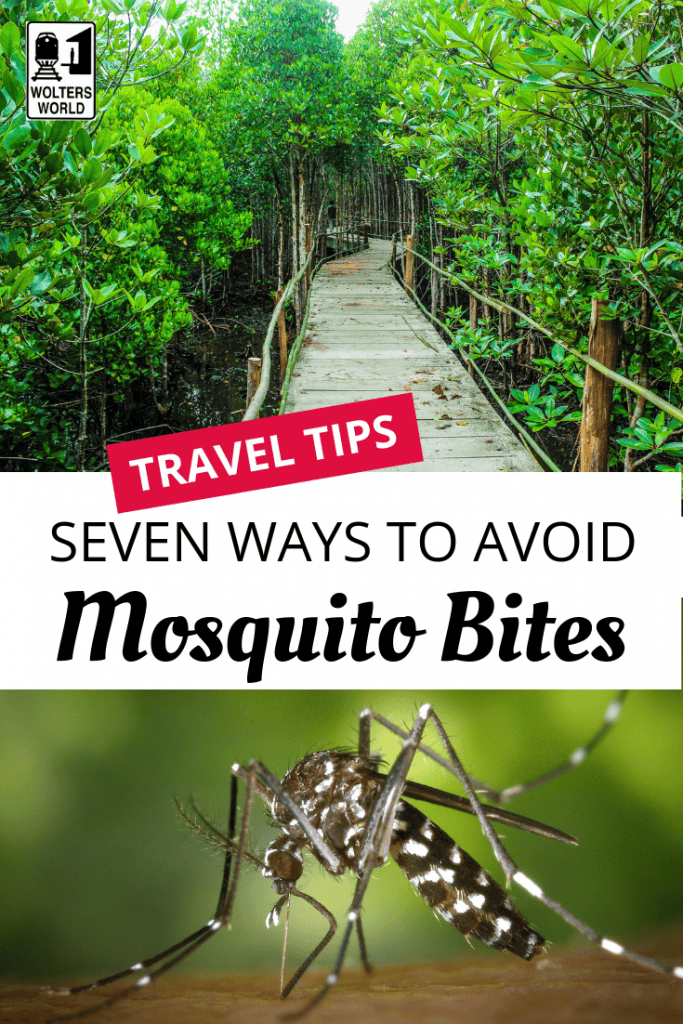
Hey there, fellow travelers! Today, we’re in Rio de Janeiro
and we’re talking about mosquito prevention. Mosquitos are everywhere, and a
lot of travelers worry about getting Zika or Yellow Fever when traveling to
countries with mosquitos. So, today we’re sharing some tips on how you can
avoid mosquito bites while traveling.
#1 Mosquito Repellant Lotion or Spray
Do not leave home without bug repellant. Chances are, you’ve
tried out a few and know what you like, so you’re better off to travel with
your preferred brand than to be searching all over once you land at your
destination. We’ve found that mosquito repellant lotion with 30-50% DEET is the
most effective against mosquitos, although you may want to do some research
before using this on kids. We use non-DEET spray on the kids. We’ve also used
lemongrass oil for the kids, and even some wristbands that are pre-treated with
bug repellant to keep mosquitos away.
Mosquitos aren’t generally a year-round problem. You can avoid
them pretty easily by carefully timing your visit. For example, in the winter
in Brazil, there aren’t many mosquitos. Summer months are when the mosquitos
really come out in Brazil and other places. So, the easiest way to prevent
mosquito bites is to visit when the mosquitos aren’t active.
#3 Vitamin B
Many travelers swear by increasing their B-vitamin intake to keep
mosquitos away. This could be an old wive’s tale so you may want to talk to
your doctor, but some people will take a B-7 or a B-complex vitamin to help
avoid mosquitos.
#4 Hotel Room Location
Another trick to avoid mosquitos is to get a hotel room on a
higher floor. This is especially true if you have a balcony that you would like
to enjoy. By getting a room above the 6th floor, you’ll see far fewer mosquitos
than the folks staying on the ground floor.
#5 Mosquito Nets
If you are traveling somewhere a bit more rural, like the
Pantanal, or the Amazon, you might want to bring a mosquito net that goes over
your bed at night. (Check with your lodging; as thy may provide these already.)
There are also personal headnets, or a full mosquito suit, that you can wear
when out and about during active mosquito hours.
#6 Avoid Standing Water
Anytime you see standing water, there will likely be mosquitos
hanging around, so if you can avoid standing water, you’ll reduce your chances
of mosquito bites. This is why you won’t see many bathtubs in Brazil; they
mostly have showers to avoid standing water.
#7 Clothing Choice
Your choice of clothing can help you avoid mosquito bites.
Wearing long sleeve shirts and long pants that are loose, and not tight to your
skin, is a good tactic. Mosquitos are also supposedly attracted to dark colors,
so if you wear white or khaki, light colored clothing, this can also help avoid
mosquito bites.
This won’t help you avoid getting bit by mosquitoes, but it’s always important to visit your local travel health clinic before a trip to see what vaccines you need. Things like Yellow Fever and malaria can be vaccinated against if you are traveling to a country where these are still a common occurrence.
These are our tips for avoiding mosquito bites. Do you have
some you’d like to add? Tell us in the comments! For more travel tips and
advice, check out these blog posts and videos:
Hey there, fellow travelers! Today, we’re at
Heathrow Airport, one of five major airports in London. Since there are so many
airports in London, I wanted to provide the basic transport information for
each of the airports so that you can find the best way to and from the airport.
Whether you are looking for the cheapest way to the airport, or the fastest
way, these are all the ways you can get to the airports in London.
In general, taxi cabs are the most expensive
method for getting to any airport in London. The airport express trains are
also expensive. The National Rail lines are a bit more affordable. The Express
Bus is pretty cheap, while the Tube is the cheapest way to get to any airport
in London.
Heathrow
Airport (LHR)
London’s Heathrow Airport is one of the
busiest airports in the world, with over 80 million passengers connecting
through in 2018. As the primary hub of British Airways and a main base for
Virgin Atlantic, many international flights land at Heathrow. Heathrow is
located 14 miles west of central London.
There are several ways to get from Heathrow
Airport to London or vice versa:
Taxi from Heathrow to London is
the most expensive option
Cost: 70 GBP, or around $90
Travel Time: One Hour
Heathrow Express is the fastest
way from Heathrow Airport to London
Location: Leaves Paddington
Station every 15 minutes
Cost: 37 GBP return, or around
$50, cheaper in advance and on weekends
Travel Time: 15 minutes to Terminals
2 and 3, 20 minutes to Terminals 4 and 5
TfL Rail (formerly Heathrow
Connect)
Location: Leaves Paddington
Station every 30 minutes, several stops between
Cost: 10.50 GBP at peak time, or
$14
Time: 30 minutes to Terminals 2
and 3
London Underground (the Tube) – the cheapest way to get to Heathrow
Location: Piccadilly Line makes several stops between Heathrow and
central London
The next largest airport in London is Gatwick
Airport, with 35 million passengers per year. It’s second only to Heathrow in
the UK, and the eighth busiest airport in Europe. Located 30 miles south of
London, Gatwick is a major hub for British Airways, EasyJet and Norwegian.
Gatwick also handles a lot of charter planes, with Thomas Cook Airlines and TUI
Airways.
There are several ways to get from Gatwick
Airport to London or vice versa:
Gatwick Express
Location: Victoria Station
Cost: 20 GBP, $26
Travel Time: 30 minutes
South Train
Location: Victoria Station with
extra stops
Cost: 17 GBP, $22 (cheaper
off-peak hours)
Travel Time: 45 minutes
National Express Coach
Location: Victoria Coach Station
Cost: 10 GBP, $13
Travel Time: 40 – 80 minutes
Taxi
Cost: 100 GBP or $130
Travel Time: One Hour +
London
City Airport (LCY)
This is the closest airport to central London
in the Docklands, but it’s also the smallest, so it’s not used often by
American travelers. Most flights are within the UK or other Europe destinations.
There are a few easy ways to get to the city airport from Central London.
Taxi
Cost: 35 GBP or $45
Travel Time: 30 minutes
Docklands Light Rail
Location: Several stations connect
to London Underground (Tube)
Cost: 2.40 GBP and up, $3 or more
Travel Time: 15-20 minutes
Bus – several local bus lines also
go to London City Airport
London
Luton Airport (LTN)
Luton is a hub for low-cost carriers in London,
but it can be difficult and expensive to reach, especially on a Sunday, so
carefully weigh your total costs before flying into or out of Luton Airport.
Train
Location: Luton Airport Parkway
Station
Cost: 2.40 GBP and up, $3 or more
Travel Time: 30 minutes +
10-minute shuttle to airport
Bus
Location: Several options
Cost: up to 12 GBP, $16
Travel Time: 60 – 80 minutes
Taxi
Cost: 45 GBP and up, $60
Travel Time: One Hour +
London
Stansted Airport (STN)
Stansted is the home of RyanAir, another
low-cost carrier in London. Again, saving money on your flight may end up
costing more by the time you travel into London. Stansted is nearly 40 miles
from Central London, making it one of the furthest airports from the city
center. If you are visiting London on the weekend, or have an early morning
flight, you could end up spending more than $100 for a taxi, thereby erasing
any savings you have from flying into Stansted. However, if you do decide to
use Stansted Airport, here are your transportation options.
Train/Stansted Express
Location: London Liverpool Street
Station, every 15 minutes
I hope this breakout helps you evaluate the
best transport options for getting into London from the various airports
outside London. London’s a great city, and you’ll love it once you get the
travel logistics sorted out. For more travel tips and advice, check out these
blog posts and videos:
Hey there, fellow travelers! People talk a lot about Europe,
and we obviously love coming here, but there are some places in Europe, and
rumors about traveling in Europe, that are overrated.
Today, we’re talking about the most overrated European cities
and attractions. If you’re planning a trip to Europe and aren’t sure where to
go, you’re going to want to read this first.
#1 Brussels, Belgium
Brussels is neat, but it’s not nearly as cool as London or Paris.
The reason we think it’s one of the most overrated cities is that anytime US
News is reporting from the European Union, it’s often from Brussels. Hearing
about Brussels so much makes people think it’s a “must visit” city in Europe,
but there are better places to visit. Yes, the Grand Place in Brussels is
beautiful, but beyond that, there are only a handful of museums and Mannikin
Pis which is also totally overrated. If you really want to visit Belgium, we
recommend Bruges, Ghent or Antwerp over Brussels.
#2 Running of the Bulls in Pamplona
The truth is, they have bull runs all over Spain. For some
reason, Pamplona has become the most famous bull run, but it’s mostly drunk
American college students taking over the town. Most people that get injured
during the running of the bulls are drunk, and they get hurt because they are
being stupid, usually having nothing to do with the bulls. If you want to watch
a running of the bulls without the crazy crowds, find a smaller town near
Barcelona. Running of the bulls isn’t just a tourist attraction; it’s actually
how they get the bulls to the bullfights, so it’s happening all over Spain,
without the overrated fanfare of Pamplona.
#3 Eastern Europe Deals
A lot of people want to visit Eastern Europe for a cheap
vacation. It may be slightly more affordable, but as tourism in Eastern Europe
continues to grow, prices are becoming more on par with Central Europe.
Especially when it comes to hotels, you’re going to pay a lot and not get much
in return. It’s more affordable than London or Paris, but it’s not as cheap as
Southeast Asia. Also, remember Prague is Central Europe, not Eastern Europe, so
the prices there are more on par with Austria and Germany than with Eastern
European countries.
I lived in Europe for 13 years and easily made friends in many
countries. Sure, there will be Europeans who don’t like America, but it’s
generally an opinion on the politics of the US, not you personally. There seems
to be this fear that Europeans hate Americans, and some American travelers even
go so far as to put a Canadian flag on their bags to avoid harassment. This
Anti-Americanism is totally overblown and virtually non-existent. Even in
France, we’ve never experienced any Anti-American sentiments.
#5 Seeing Only One Major City
Many travelers will visit London or Paris and then say they’ve
been to Europe. While technically this is true, it’s akin to visiting New York
City and thinking you’ve “seen America.” Europe is an incredibly diverse
continent with diverse cities, small villages and anything in between. Europe
has 44 different countries, each with their own culture, language and cuisine.
Many countries have very different cultures within their borders, too. To
really see “Europe,” you really need several visits across multiple countries.
#6 Arrogant Europeans
There’s this perception that Europeans are all arrogant, and we
tend to picture the French when we think of this. In truth, Europeans are
incredibly friendly. Of course, each culture is different, as we already
mentioned, but in general, we have had wonderful interactions in every European
country that we’ve visited.
#7 French Riviera
The French Riviera is known as the playground for the rich and
famous of Europe, so it has this reputation as a very “chic” destination. That
reputation translates to really high prices and huge crowds in the summer.
Expect to pay a lot for your hotels and you have to book them very early to get
what you want. It can feel like all of Europe is on the French Riviera in the
summer. With crowds, you’ll also see a lot of pickpockets and tourist scams.
The crowds and the thieves tend to take away from the “chic-ness” of the French
Riviera.
The town of Pisa in Italy is totally overrated. There’s nothing
to see besides the Leaning Tower of Pisa, and it looks exactly like every photo
you’ve already seen. If you really want to see the tower, take a day trip from
Florence or Lucca. Don’t plan to stay in Pisa as you’ll run out of things to do
very quickly.
#9 Gondola Rides in Venice
People seem to think a gondola ride in Venice is this peaceful,
romantic outing. In truth, it’s super expensive, around 70-80 Euros for a ride,
and the gondolier doesn’t always sing. In general, it’s a touristy rip-off and
there are better ways to spend your money in Venice.
#10 Madame Tussaud’s Wax Museum in London
For whatever reason, tons of tourists want to visit this
attraction in London to see wax replicas of the Royal Family, celebrities or
American politicians. It’s super expensive; when I visited it was around 50 US
Dollars. It’s really a pretty cheesy tourist attraction; there are much better
things to do with your time and money in London. Go to the British Museum or
the National Gallery, which are both free.
#11 Expense of European Vacations
Americans have this perception that European vacations are super
expensive. It’s just not true; we travel to Europe often and it doesn’t have to
cost a fortune. Yes, the flights can be pricy, but once you are in Europe, you
don’t have to spend a ton of money to have fun. If you think Europe is too
expensive, there are ways to save money while traveling.
These are some of the things we find that are overrated, or
overblown, about traveling to Europe from the United States. What are some of
the most overrated cities or attractions you’ve experienced in Europe? Tell us
in the comments below! And if you want more travel tips and advice, check out
these blog posts and videos:
Hey there, fellow travelers! We have so many posts about what to
do while you’re traveling, but this post is about the things you need to do
before you travel. This isn’t about the travel documents you need, or how to
plan your trip, but a vacation checklist of those little things you need to
before you leave. We have tips for keeping your house safe while traveling, and
we even have work tips for those of us with full-time jobs.
#1 Call Your Bank & Credit Card
If you are traveling out of the country, make sure you call your
bank and credit cards to let them know of your travel plans. If you forget to
do this, you may land to find your transactions declined. For some banks, you
can even set a travel alert online. However, if you use a small local credit
union, you really need to make sure you do this because if you land in Europe
on Saturday morning, you might not be able to reach anyone at the bank until
Monday.
#2 Get an International Data Package for your Phone
Don’t be surprised by a huge cell phone bill when you get back
home. Call your provider before you leave and discuss the options for your
trip. Some international plans can cover you for the entire duration of your
trip, others may go by a 24-hour window, which is great if you only plan to use
your data for emergencies during the trip. I’ve had friends come home to a $700
phone bill after a week’s vacation; don’t let that happen to you!
#3 Pay Your Bills
Getting ready for a trip can be hectic, but don’t forget to pay
all of your bills before you leave so you can avoid any late fees. If you
travel a lot, online bill pay can be a lifesaver because you don’t have to wait
for bills to come in the mail and you can pay them anytime. Not only can paying
bills late hurt your credit score, you could come home to find your power shut
off if you’ve forgotten to pay the bill while traveling.
#4 Cut Your Nails
This is one people don’t think about, but cut your fingernails
and toenails before you leave because your nails will grow on vacation! If you forget
nail clippers, you don’t want to be running around trying to find some during
your travels, so having super short nails at the start of your trip will help.
Now, let’s add some things to your pre-trip checklist that
will help keep your home safe while you travel.
Don’t let your mail pile up while you are gone. Let the Post
Office know you are traveling, and they will hold your mail while you are gone.
You can do this online, or fill out a form at your local post office. I
recommend stopping it for the day before you leave, and having it all delivered
a day or two after you return. This helps give you a buffer in case you are
delayed getting home. Similarly, if you subscribe to newspapers, put your
subscription on hold until you get back. A pile of newspapers outside is a
green light for thieves.
#6 Set Timers on Your Lights
Set some timers on the lights in your home. You can buy them at a
hardware store or online, and may even be able to do this with some home
security apps on your phone. Set the timers for various times so that lights go
on and off throughout the day, making it look like someone is home. Don’t just
get a timer that comes on and off at the same time every day. Test them out
before you leave to ensure they work and make sense. (i.e. don’t have one that comes
on every day at 3am)
#7 Tell A Trusted Neighbor You’ll Be Gone
Letting a neighbor know you’ll be gone is a good safety measure.
They can alert you to anything weird they might see at your house, and they can
also grab any packages that get delivered while you are gone. In the winter,
they might check that your pipes don’t freeze, or in the summer, they might be
able to mow your lawn so it’s not obvious that you are gone.
#8 Set Your Home Alarm
If you travel often, a home alarm system is an excellent
investment. Some systems have various levels of security; I recommend putting
it at the highest setting while you are gone. Many systems now include cameras
you can monitor online from your cell phone, and many will automatically
contact the police when the alarm is tripped.
#9 Put Valuables in a Safety Deposit Box
If you have really valuable items, and worry that your home could
get broken into while you’re gone, put them in a safety deposit box at your
bank. This includes jewelry, cash, backup drives and expensive electronics that
you’re not traveling with.
#10 Check Your Insurance Policy
Before you leave, make sure you review your home insurance
policy, making sure that it’s up to date and will cover anything that might
occur while you are gone. This can include a home robbery, or even frozen pipes
that burst and damage your home. They can also add a travel policy to cover
things like photography equipment while you are traveling.
#11 Consider a House-sitter
Some people feel better having someone stay at the house while
they are gone, rather than leaving it empty. This can be friends or family, or
you can hire a professional. You can have someone just drop by periodically, or
have someone move in while you are gone. Whatever you are most comfortable
with.
For those of you with full-time jobs, we have some work tips
for how you can ensure a smooth transition from work to vacation and back to
work again.
Make sure you set up your out of office response in your email
and voicemail Include the date you will be back, and who to contact in the case
of something urgent. In most email systems, you can even schedule this ahead of
time, so you don’t have to worry about this being the last thing you do before
you leave for vacation.
#13 Assign Backups
Have your backup plan clearly agreed upon and written out. Don’t
rely on just a verbal agreement. This is information you can include in your
out of office email, or something you can send out to clients or stakeholders
before you leave to let them know everything will be covered in your absence.
#14 Clear Your Calendar for Your First Day Back
You will need your first day back in the office to catch up on
emails and messages. Don’t schedule any meetings this day unless absolutely
necessary, so you can get caught up before diving back into new projects.
Having the first day blocked out will also save you if there are any travel
delays. If you miss a flight and have to spend an extra night somewhere, you
won’t be scrambling to reschedule meetings on top of everything else going on.
#15 Schedule a Buffer Day
Even better than a clear calendar at work is taking an extra day
after your trip to catch up. I know, most of us want to maximize our vacation
time and spend it all at the destination, but having an extra vacation day once
you are home can be a lifesaver. Think about the unpacking, laundry, grocery
shopping and everything else you have to catch up on.
And one thing you should not do before you leave on
vacation….
Don’t Announce Your Trip on Social Media
The best way to keep your home safe while you are gone is not to
let the entire world know you are leaving. It’s tempting to share your
excitement with everyone on social media, but if the wrong person knows you
won’t be home for an extended period, they may see it as an invitation to rob
you while you’re gone. Even if you think you’re just sharing with friends, it can
be surprisingly easily for someone to find your address and your home. The best
thing to do is to save your photos until you are back home from your trip and
then share with social media.
These are the little things at home and at work that people
tend to forget before traveling. What other things would you add to this
pre-trip checklist? Let us know in the comments below! For more travel tips and
advice, check out these blog posts and videos:
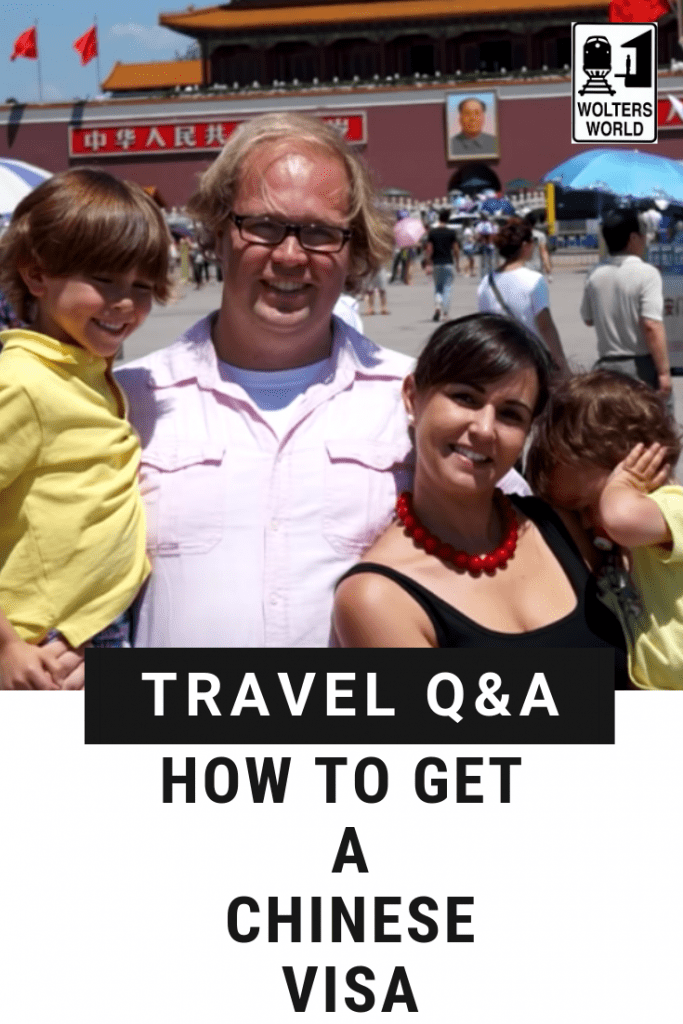
Hey there, fellow travelers! Today I’m in Beijing, China. I’m
teaching here for a few weeks, and having a great time. China is an amazing
country, and the people are wonderful. But the process of getting a Chinese
Visa keeps a lot of people from visiting. You have to have a visa to visit
China, but that shouldn’t stop you from visiting. Keep in mind, this whole
process starts long before your trip; China does not issue visas on arrival
like some other countries. So, let’s get started on the process of how to get a
visa for China?
What Do I Need for a China Visa Application?
First, you will need a valid passport. Your passport needs to be
valid for six months after you return from China. If you don’t have a passport,
you cannot move forward with the China visa application. So, getting a passport
or renewing your existing passport, is the first step. Here is a brief
checklist for the China visa application; we’ll go into more details on these
things below.
Checklist:
Valid Passport (including your signature)
Photocopy of passport
Additional Passport pictures
Completed visa application
Travel documents (flights and hotels)
Visa application fee
Which China Visa Application Do I Need?
For tourists, you will need the tourist visa. This is the China
Tourist Visa (L) that allows tourists to stay up to 30 days with a single entry
visa. If you plan to leave China and return, say for a day trip to Hong Kong,
you will need to get a double entry visa. Make sure you read through all of the
options to choose the one that applies best for you. A China visa service can
help with this; more on that below.
The application is pretty extensive, so allow some time to sit
down and answer all of the questions. Some things you need to provide include:
Your name
Family name
Where you will be staying
Who is paying for your trip
Why you are visiting
Which visa you are applying for
How Should I Fill Out the China Visa Application?
When you pull up the form online, it will open a PDF file for
you. It’s best to fill this out on your computer and print it out with your
answers typed in. If you can’t do this on your computer, then make sure you use
a black ink pen and write in all capital letters on your application. If
something doesn’t apply to you, write “none” in the application. Do not leave anything blank, or your
application may be returned.
You will need to send in photos with your visa application. They
are the same requirements as a passport photo.
Plain, light background
Nothing covering your head or ears
No glasses
What Travel Documents do I Need?
You will need to provide your travel itinerary along with your
visa application. This includes your flight confirmations showing your arrival
date and departure from China. You will also need to provide full details of
where you are staying. This means you will need to book your hotels before you
apply for your visa. (You can change them later if needed, but you must have
something to send with your application.)
What if I am Staying with Friends or Family?
If you are not staying at a hotel, and plan to stay with friends
or family in China, they will need to submit an invitation. You can get a
sample letter online. Always verify with the consulate website to find out what
must be included.
How Much Does the China Visa Cost?
Yes, you have to pay a fee for the privilege of all this
paperwork! The price ranges from $145 to $165 and will vary based on how
quickly you need the visa returned to you. The typical turnaround time is 5-6
business days, but you can pay more to expedite the processing.
What Do I Do With the China Visa Application?
For many people, it’s a matter of finding the nearest Chinese
Embassy or consulate-general where you can drop off your paperwork. The Embassy
is in Washington DC, while the consulates-general are located in New York,
Chicago, San Francisco, Los Angeles and Houston. If you don’t live near one of
these places, the easiest thing to do is to use a China visa service that will
do all of the work for you.
How Does a China Visa Service Work?
The extra convenience will cost you, but it’s worth it. Using a
visa service, you mail everything to them, they review it all to ensure you’ve
filled out everything correctly, and they will walk you through anything you
need to review. They will then hand deliver your application to the local
consulate, and pick it up when ready, then mail everything back to you. When
our family of four traveled to China, we used a visa service to simplify the
process. (Mailing your passport can be nerve-wracking; I recommend using FedEx
so you can track your documents every step of the way.)
What Do I Do With The Chinese Visa?
It’s actually a sticker that takes up a page in your passport
book. Once you arrive in China, you’ll produce your passport, with the visa
inserted, get a stamp and be on your way.
Yes, getting a Chinese visa is a bit of a hassle, but it’s
totally worth it. You won’t regret going through with the process once you land
in this amazing country. If you’re ready to start planning your trip to China,
check out some of these other blog posts and videos:
Hey there, fellow travelers! Today we’re in the Loire Valley
of France. While we love to share all of the exciting and fun things about
traveling the world as a family, there are some downsides, too. Today
we’re doling out safety advice for travelers. Some things are just unavoidable,
but there travel safety tips can help you stay safe while traveling.
#1 Research
Safety while traveling starts before you ever leave home. Yeah,
spontaneous travel is awesome, but a bit of research can really pay off in the
long run. Find out which neighborhoods to stay in, which neighborhoods to avoid
and any outstanding travel warnings. Of course, you can’t predict terror
attacks or earthquakes, but you can learn that Barcelona is the pickpocketing
capital of the world.
#2 Dress the Part
You don’t have to be a fashionista while traveling, but there are
ways you can downplay your tourist status by blending in. How you are dressed
can affect how you are treated while traveling. Looking like a tourist can make
you a target for thieves, who will assume you are probably carrying lots of
cash and valuables like camera equipment.
Leave any valuable jewelry at home. It’s not worth losing, or
making yourself a target because of your jewelry. Likewise, having to carry a
ton of luggage around makes you an easy target. You want to be able to travel
lightly, and have one hand free to keep it on your wallet or handbag at all times.
#4 Wear a Money Belt
The best way to avoid being robbed of cash while traveling is to
wear a money belt. Many travelers use this method of how to hide cash while
traveling. There are some you wear around your neck, and others that go around
your waist. They are worn under your clothes, and should be used for the bulk
of your cash and cards throughout the day. Keep a small amount of cash readily
available in a pocket, and pop into a discreet spot if you need to get more
money out of your money belt.
#5 Use the Hotel Safe
When you arrive at your hotel, make sure you use the in-room safe
for your passport and any valuable items. (Carry a copy of your passport with
you, and keep the original in the safe.) I also recommend to keep your luggage
locked while it’s in the hotel room, so that nothing goes missing while you are
out for the day.
#6 Don’t Go Out Alone Late at Night
Some places are safer than others, but in general, it’s not a
great idea to be out in a strange city on your own after dark. Ask your hotel
concierge for advice and find out if it’s safe, and what areas you should
avoid. Unfortunately, women traveling alone need to be extra cautious.
#7 Be Aware of Your Surroundings
When you do go out, always be aware of your surroundings. It may
sound paranoid, but being on alert can help keep you safe. Pay attention if
someone strange is watching or following you, know where exits are located, and
be careful not to stray into a shady area.
#8 Not Everyone is Trying to Help You
Yes, you will meet amazing people throughout your travels, who
will help you. But, not everyone is so kind. Be cautious with unsolicited help,
like when someone offers you a drink, or offers to store your luggage.
#9 Don’t Forget Protection
This can mean a lot of things. Protection from sexually
transmitted diseases is one caution to exercise. When you are riding in taxis,
make sure you use the seatbelts. Wear helmets on your cycling and scooter
tours.
Even the most seasoned travelers know to ask for help from
friends, fellow travelers and travel professionals. If your hotel has a
concierge, ask them for tips and advice, bounce ideas off them to see if they
think it’s safe. Some of the best information you can get is from fellow
travelers. The tourism board isn’t going to tell you where you’re most likely
to get pickpocketed, but other travelers will not hesitate to share that info.
#11 Have Backup Copies
Always keep a copy of your passport separate from your actual
passport. It’s not a bad idea to carry extra passport photos in the event you
lose your passport and need to have a new one made. Also, keep a sheet of phone
numbers for your credit card companies and banks. If your card gets stolen, you
can easily call the credit card company and alert them.
#12 Know Where to Go For Help
When you arrive in a new country, make sure you know what phone
number to dial for help. It’s also a great idea to learn how to say “help” in
the local language.
#13 Avoid Protests & Demonstrations
If you see large gatherings of people, whether it’s a protest or
demonstration, just stay away. It can be tempting to move in closer and find
out what’s going on, but you don’t want to get swept up in anything. A big
group of people can also be a big target, so just do your best to avoid these,
as interesting as they may seem.
I hope these travel safety tips make you feel better about
traveling. With these tips, you can travel a bit safer and have better peace of
mind knowing you are prepared for whatever comes at you. We want our fans to
have wonderful, and safe, travels. For more travel tips and advice, check out
these blog posts and videos:
Hey
there, fellow travelers! While we love to share all of the exciting and fun
things about traveling the world as a family, there are some downsides, too.
Today, half of our family isn’t feeling well so it seems like the perfect
opportunity to talk about the seven most common ailments that travelers may run
into. It’s no fun to be sick while traveling, so there are some thing you can
look out for to stay healthy while traveling. (This list is completely
unscientific and based on our own personal experiences; we are not doctors! Not
the medical kind, anyways.)
#1
Traveler’s Diarrhea
Also known as Montezuma’s Revenge in Mexico,
traveler’s diarrhea is one of the most common travel ailments you’ll find. This
one is stressful because you’re always worried about the nearest bathroom and
it may even keep you home for the day. There are so many reasons you might get
traveler’s diarrhea, including the local water and food. A lot of traveler’s
diarrhea can be traced back to water, including the water used to wash fruits
and vegetables.
This is such a common travelers ailment. When
you’re walking around old towns on cobblestone streets, and uneven sidewalks,
it’s so easy to twist your ankle or take a tumble. You’ll also find a lot of
bars, restaurants, restrooms have steps between rooms and so you really have to
watch your step. Even in hotel rooms, don’t try to find your way around in the
dark as you’re likely to trip on furniture. A simple little slip can really
ruin the rest of your trip.
This is another frequent issue while
traveling. It’s not usually intentional poisoning, but when you are traveling
around and eating out so frequently, your odds of contracting food poisoning
are greater. When you visit a restaurant while traveling, take a gut check of
your surroundings. Is it clean, are they handling the food properly, are locals
eating there?
#4
Strep Throat
This is common, and often caught on the flight
to your destination, or in the airport. Do not make it worse by forcing
yourself to get out and sightsee. Take a day off and rest, or go to the
pharmacy and ask for some help. Pharmacists in other countries can often do
more than the pharmacists in the US, and may be able to prescribe medication if
you need it.
#5
Sexually Transmitted Diseases
Sometimes travelers let their guard down a bit
when traveling. But the same STD’s that are rampant in America are also present
in every other country you will travel to. If you are going to be sexually
active while traveling, make sure you protect yourself. It’s best to be
prepared because it’s not always easy to find condoms at the last minute when you
need them.
#6 Car
Accidents
One of the most common ways for Americans to
get hurt abroad is in a car accident. Whether as a pedestrian, driver or
passenger, navigating unfamiliar roads can be dangerous. Use extra caution when
driving, or crossing the street. Even in a taxi, make sure you buckle up.
#7
Serious Diseases
Lastly, there are some serious diseases you
can contract abroad that may kill you. Things like Malaria, Typhoid, Dengue
Fever, Rabies and Yellow Fever are all dangerous, but preventable with
vaccines. Before you visit any country, check with the CDC for the recommended
vaccines you need. Your needs may depend on activities as well. Talk to your
doctor or visit your local travel vaccine clinic for advice.
Be
Ready For Travel Sickness
Rather than waiting for something to happen,
we always carry a bit of medicine for most of these ailments in a First Aid
kit. This saves us from having to find a pharmacy in the middle of the night,
and gives us peace of mind. Here are the things we pack in our First Aid kit
for every trip:
Immodium
Pepto-Bismol
Advil/Ibuprofen
DayQuil
NyQuil
Benadryl
ACE Bandage
Hopefully
this helps you be aware of common travel ailments so you can avoid them, or at
least have a head’s up on how to handle them if they come up. For more travel
tips and advice, check out these blog posts and videos:
This website uses cookies to improve your experience. We'll assume you're ok with this, but you can opt-out if you wish.AcceptRead More
Privacy & Cookies Policy
Privacy Overview
This website uses cookies to improve your experience while you navigate through the website. Out of these, the cookies that are categorized as necessary are stored on your browser as they are essential for the working of basic functionalities of the website. We also use third-party cookies that help us analyze and understand how you use this website. These cookies will be stored in your browser only with your consent. You also have the option to opt-out of these cookies. But opting out of some of these cookies may affect your browsing experience.
Necessary cookies are absolutely essential for the website to function properly. This category only includes cookies that ensures basic functionalities and security features of the website. These cookies do not store any personal information.
Any cookies that may not be particularly necessary for the website to function and is used specifically to collect user personal data via analytics, ads, other embedded contents are termed as non-necessary cookies. It is mandatory to procure user consent prior to running these cookies on your website.