Wolters World

Honest Travel Advice

Menu
  • Destinations
  • Don’ts of Traveling
  • Travel Tips
  • Shop
  • About
  • Work with Us
Menu

Disabled Travel in Europe

Posted on June 29, 2019June 24, 2019 by admin

Hey there, fellow travelers! We’re in Lisbon, Portugal and today we’re talking about handicapped travel in Europe. Whether you use a wheelchair to get around or have limited mobility going up and down stairs, there are extra things to consider when planning a trip to Europe. This post is a direct response to reader questions and comments from our fans looking for advice. There is no ADA in Europe, and some of the cities and buildings are incredibly old so they haven’t been retrofitted to accommodate mobility issues. Even cobblestone streets can prevent a challenge, so that’s why we’ve created this list of 10 things to think about when planning a trip to Europe with mobility issues.

#1 Ask If Your Hotel is Handicap Accessible

European hotels are not made for accessible travel needs. Many of them involve steep, narrow staircases. If they do have an elevator, it is often very small. Sometimes, it’s even difficult to get into the front door of the lobby as everything seems to have steps up or steps down. You may have to pay a premium to stay in a more modern hotel that is able to accommodate your needs. Also, consider the location of your hotel as getting around cities isn’t always easy, so you are better off to spend a bit more for a convenient location, rather than trying to commute by train to the city center each day.

#2 Research Public Transportation

The accessible modifications on public transportation vary widely by transportation type and by city. Buses seem to be very reliable and most of them have lifts now that can transport a wheelchair on and off the bus. On the metro systems, though, not all stations have an elevator and you might even find elevators not working in the stations that are supposed to be accessible. If you plan on using the Metro during your trip, you will need to carefully map out which stations are accessible against the locations you want to visit.

Read: Five Things You’ll Love & Hate About European Train Travel

#3 Cobblestones Everywhere

Many of the streets and sidewalks in Europe are still paved in cobblestones, which are uneven after a couple of centuries. This is difficult enough, but then consider that a lot of places don’t have curb ramps to help you transition from the sidewalk to the street. Just getting around can be difficult, which is why it pays to stay as close to your desired attractions as possible.

#4 European Attitudes

The European attitude toward travelers with mobility challenges is a challenge in itself. There are some old-fashioned attitudes who don’t think things should be changed for a small group of travelers. They definitely are not as accommodating as what you might be used to in the United States, especially with so many regulations and requirements. Europeans are often more reserved than Americans, so they won’t show much empathy or go out of their way to point you in the right direction unless asked directly.

#5 Research Tourist Sites

Traveling with a disability is going to require a bit more research, even down to how you choose which cities and sites to visit. The European Union has come up with “Access City Awards” to recognize cities that are helping to create a barrier-free Europe. If you aren’t sure where to go in Europe, this list is a great one to start with, as they have been awarded for their efforts in accessibility. Likewise, not all tourist sites are equal, so make sure you know ahead of time which ones are accessible. You can sometimes hire a private guide for wheelchair accessible tours in Europe, or sign up for disabled access tours with a group.

Watch: Top Ten Cities in Europe for Disabled Travelers

#6 Restaurant Space

Many restaurants in Europe are very small, so you’ll find the tables are packed in close to each other. Even a large guy like myself has a hard time getting around in restaurants. There’s an easy fix to this one, though: visit during warmer months when the sidewalk cafes are set up. Then you don’t even have to enter the restaurant and can sit in a more spacious sitting area.

#7 Toilets

Toilets are another challenge when traveling throughout Europe. They might even have a totally accessible toilet stall, except the doors are too narrow. So, even though the bathroom may say handicap accessible, it helps to send a scout first to check it out and verify if it’s really accessible.

#8 Have a Plan B

It’s best to plan out your days as much as possible, but always have a Plan B. In the case of a broken elevator, what are your other options for that day?

#9 Have Fun!

Don’t let all of this scare you from visiting Europe! These examples are the worst-case scenario, and most likely you won’t run into any issues at all, but it’s just good to be prepared. Europe is amazing and you’ll love the experience!

I hope this helps answer some of the frequent questions we get around mobility-accessible travel in Europe. There are some really great resources out there, including Sage Traveling, who puts together amazing detailed guides with photos of challenges you can expect while traveling through Europe with a disability. Do you have tips on traveling through Europe with mobility issues? Tell us in the comments! In the meantime, check out these blog posts and videos for more travel tips:

  • Ten Most Overrated Sites in Europe
  • Documents You Need for International Travel
  • How to Avoid Travel Scams & Rip-Offs

Top Ten Road Trip Essentials

Posted on June 28, 2019June 24, 2019 by admin

Hey there, fellow travelers! We’re in Madera Canyon outside of Tucson, Arizona. We’re on a family road trip and we came out here on Route 66, and now we’re in Southern Arizona. As much fun as it is to just jump in the car and go, having a road trip checklist can make your trip go a lot smoother. These are our top ten road trip essentials for a family road trip.

#1 GPS or Smartphone

GPS or a map app on your phone will be a lifesaver on your road trip. It’s inevitable that you will get lost and need to find your way back to your route. You can also use it to find restaurants, hotels, and attractions.

Watch: Ten Stops on US Route 66

#2 Car Chargers

While your GPS and Smartphones are invaluable tools for your road trip, they won’t be of much use if you only have a wall charger. Make sure you have a car charger for any of your electronic devices. Most cars now have USB ports, or you can buy a USB adapter that plugs into your cigarette lighter.

#3 Paper Maps

Technology is great, but if you are getting off the beaten path, there’s a good chance you’ll lose your cell signal at some point. And this is most likely to happen when you need it most, so make sure you have an actual map with you as well just in case you need it as a backup. A AAA membership is a good investment because you can get maps before your trip. If nothing else, you can always print out the maps and directions you need before you leave for your trip.

#4 Guidebooks

Guidebooks are great for telling you about things along the way that you might otherwise miss. We would have missed Meteor Crater on Route 66 if we hadn’t looked at the guidebook for Arizona. We already know about the Grand Canyon and Hoover Dam, but what about all the cool places in between? Guidebooks are great for helping you discover new places on your road trip.

Read: How to Choose a Guidebook

#5 Water

Water has a lot of uses on a road trip, so it’s always good to have some bottled water along the way. Not only is it good for drinking, but if anyone gets overheated, you can pour water on them, or wet a towel to cool them down. For kids with sticky hands, water makes an easy clean-up on the go. And of course, you should always stay hydrated so you can stay healthy on your trip!

#6 Dry Snacks

Part of the fun of a road trip is all the fun snacks you can bring. It’s not just fun, it’s convenient. You don’t want to pull off the road and stop at a gas station every time someone in the car gets hungry. It’s best to bring dry snacks like granola or nuts because you don’t want something that’s going to melt in the car.

#7 Blankets

Blankets have several purposes on a road trip. They can be used for naps in the car, or to help regulate the temperature, because inevitably one person is hot while another person is cold. Plus, if you decide to stop for a picnic lunch somewhere along the way, you’ve got a picnic blanket.

#8 First Aid Kit

Some countries (not the US) even require you to have a First Aid kit in your car. You never know what’s going to happen on a road trip and if you get a cut or injury, the last thing you want to do is try to figure out where the nearest drug store is. You can buy pre-made First Aid kits that come with all of the basics, or you can build your own. Keep it all contained in one bag or Tupperware-type box and have it readily accessible.

#9 Car Emergency Kit

In addition to personal First Aid, you should also carry a car emergency kit. This includes jumper cables, tools, tire repair kit, and an inflated spare tire. Choose your level of preparedness based on how far off the beaten path you will be traveling. (If you’re driving your own car, it’s not a bad idea to take it in for a checkup before your road trip.)

#10 Sunglasses

Driving into the sun without sunglasses is no fun! Don’t forget your shades, and even a backup pair in the glovebox, just in case!

So, hopefully, this road trip packing list helps you start planning your own road trip. Do you have other items on your road trip checklist? Tell us about it in the comments! For more travel tips and destination advice, check out these blog posts and videos:

  • Five Things You Will Love & Hate About Family Road Trips
  • Top Ten Destinations in the American West
  • The Don’ts of Visiting America

Ten Everyday Annoyances of Long Term Travel

Posted on June 27, 2019June 24, 2019 by admin

Hey there, fellow travelers! We’re in Venice Italy and after about six weeks of travel, we’re talking about the things that will start to annoy you as you travel for a long time. After you’ve been traveling for a while, things that were once cool or quirky can become annoying very quickly.

#1 The Beds

Almost anywhere you stay in Europe if you request a double bed, you get two twin beds pushed together. So, there’s always a crack in the middle of the bed. If you move around much in the middle of the night, the beds start to separate and that crack gets bigger. Or, there will be a wooden brace in there that is not fun to roll over on.

#2 Cobblestone Streets

Cobblestone streets are so pretty and quaint, and they really make you feel like you’re in Europe, but after walking on them for six weeks, they become annoying. Between twisted ankles and broken suitcase wheels, cobblestone streets can start to take a toll on you.

#3 All Churches Look the Same

The first time you step into a 15th century church, your jaw drops and you can’t believe you are in a building that is older than the United States. If you’re on a month-long Europe trip, after a while, the cities, churches, and cathedrals all start to blur together and look the same. You’ll get annoyed with yourself that you are confusing them, but it’s totally natural when you are taking in so much history over a short time.

#4 Tour Groups

These can be annoying on day one! In some towns, you’ll be overwhelmed by huge tour groups that seem to take over a town square. Do your best not to get stuck behind any tour groups at any tourist sites or restaurants.

#5 Shared Bathrooms

At first, this is all fun and very “European” but after a while, you just want some privacy. Especially if you’re having any tummy troubles while traveling. Or if someone else on your floor drank too much and is sick in the shared bathroom. Sharing close quarters with total strangers can be annoying after a while.

#6 The Euro-Funk

You and your clothes will start to stink after a while. Sink laundry just doesn’t quite cut it on the funk you will build up after a few weeks of travel. Eventually, you won’t notice the stench and then it will hit you again when you get home and unpack your suitcase!

Watch: How to Do Laundry in Europe

#7 Aggressive Beggars

At first, you just ignore the beggars, but after a while, the aggression gets pretty annoying. Don’t let them scare you; tell them no and walk away. If they still won’t leave you alone, yell for the police.

#8 Homesickness

Regardless of where you are and how good the food is, you’ll start to miss home eventually.  Even in Italy, surrounded by pasta and pizza and gelato, homesickness happens. And it makes you feel guilty because you’re in Europe, on a dream vacation, and you’re thinking about home. Again, it’s totally natural, it happens to everyone at some point while traveling. Go have an American meal if it will make you feel better; there’s no shame in craving a hamburger and fries!

Watch: How to Deal With Homesickness Abroad

#9 Exhaustion

The longer you travel, the more tired you will be. In a one-week trip, it’s easy to push yourself through to exhaustion and catch up on rest when you get home. But when you are traveling long term, you need a day off here and there. And then you feel guilty for lounging around your hotel or hostel in a cool European city. We try to plan down days to help us stay energized and maybe you just go hang out at a coffee shop or have a picnic day in a local park. You don’t have to be sightseeing 24/7 for weeks at a time.

#10 Getting Robbed

The more you travel, the more likely you are to be robbed. This may be the most annoying thing about traveling and it’s a huge hassle to get everything sorted out. Luckily, we have lots of posts on how to avoid getting robbed or minimizing your exposure if you do get robbed.

These are just a few things we’ve noticed after traveling for a while. What annoys you after a few weeks of travel? Tell us in the comments! For more Europe travel tips, check out these blog posts and videos:

  • Seven Tips for Learning a Foreign Language
  • What to Do if You Lose Your Passport While Traveling
  • How to Avoid Travel Scams & Rip-Offs

Traveling with Heart and Health Problems

Posted on June 25, 2019June 24, 2019 by admin

Hey there, fellow travelers! Today we’re in Xi’an, China, home of the Terra Cotta Warriors. Today’s topic is a bit more serious as we’re talking about travel health, specifically, traveling with heart issues or health problems. I was born with two holes in my heart, so I can relate. It obviously doesn’t keep me from traveling, but there are certain precautions you should take. This is just my advice; I am not a medical doctor, so please consult your physician before you travel.

#1 Review Your Travel Plans with Your Doctor

Before you leave for a trip, go through your travel plans with your doctor. Tell them where you’re traveling to and what activities you are planning to see if they have any concerns. You may need to modify your plans a bit based on your doctor’s feedback. For example, the Great Wall of China is a steep climb, so if you have a heart condition, you may not be able to walk the wall and you may need to just view it from afar.

#2 Get Doctor’s Notes for Medication or Pacemakers

If you take medications, get a note from your doctor that explains what the medication is and what it does, as well as the official name. The names or brands may be different abroad, so that’s why an explanation of the medication is also important because if you lose your medication and need to get more while you’re traveling, getting the right medication can be critical. Likewise, if you are traveling abroad with a pacemaker, be sure to have a note explaining that you can’t go through the security scanner.

#3 Flight Safety

There are additional considerations to take into account while you are flying, especially on long-haul flights. Here are a few tips for staying healthy while flying:

  • Drink a lot of water, avoid caffeine and alcohol
  • Get up and walk around every 90 minutes
  • Do leg and foot stretches in your seat (usually depicted in the in-flight magazine)
  • If you are traveling with prescriptions, keep all of your medication in the original packaging in your carry-on (never put any medication in checked baggage!)

Watch: Five Things You Should Never Put in Checked Baggage

#4 Have Extra Medication

You may count out your pills and think you have just enough to get through your trip, but what if your flight is delayed? You always want to have a few extra days worth of medication just in case. Most doctors are very understanding about this and can give you an early refill or bump up your prescription amount temporarily.

#5 Put Important Numbers in Your Phone

Before you leave, program your doctors’ phone numbers, as well as your pharmacy phone number on your phone. If something should happen, the last thing you want to do is try to look up phone numbers in an emergency.

#6 Travel Medical Insurance

Many US health insurance providers will not pay for problems abroad. You have to check with them ahead of time to find out what your travel health insurance coverage will be overseas. I pay extra for health insurance that does cover me abroad, and then I buy travel medical insurance on top of that. You can purchase trip insurance when you are buying your flights online. In some instances, you may even want to get the insurance that includes emergency evacuation. This is recommended for cruises or remote travel to places like the Galapagos Islands.

Finally, just some general travel advice:

  • Know your limits and don’t push them. Don’t be afraid to say no to some activities.
  • Let your travel partners know your limits and what to expect when traveling with you.
  • Pack Smart & Pack Light! Don’t burden yourself with heavy suitcases
  • Pick less stressful locations and destinations. Look for relaxing locations.

Watch: How to Pack a Carry-On for Women

Please support congenital heart defect research. Learn how at GrantsGala.com

This post isn’t meant to scare anyone from traveling. I’ve had open-heart surgery and I travel all over the world. It just means you need to take a few extra precautions that will hardly interfere with your travel at all! I would love to hear from others who travel with heart problems; what are your tips for travel health?

For more travel tips and advice, check out these blog posts and videos:
  • Seven Most Common Travel Illnesses & Injuries
  • Traveling with Kids: Best Locations, Tips & More

Pre-Trip Checklist: What to Do at Home Before You Leave on Vacation

Seven “New” Wonders of the World

Posted on June 24, 2019June 24, 2019 by admin

Hey there, fellow travelers! Today, we’re in Chichen Itza, outside of Cancun Mexico. It’s one of the seven NEW wonders of the world, which got me thinking about all the different wonders of the world. The “new” wonders of the world were chosen through a campaign launched in 2000 to highlight new wonders, and the winners were announced in 2007. These sites are iconic and worth a visit, so I thought I’d share a post about these Wonders of the World so you can plan a trip to see them. I’ve only been to five of the seven, so we still have some traveling to do!

#1 Chichen Itza – Cancun, Mexico

Chichen Itza is a large pre-Columbian city built by the Mayans around 600 A.D. These Mayan ruins just outside Cancun with a lot of cool history here. You can learn all about the sacrifices that took place here and other interesting historical tidbits about the Mayans. If you are visiting Cancun, it’s very easy to make a day trip to Chichen Itza. Because of the proximity to Cancun, it can be crowded with day trip tourists.

Read: The 12 Don’ts of Cancun

#2 Machu Picchu – Cuzco, Peru

Machu Picchu is the lost city of the Incas in Peru. There are several ways to visit Machu Picchu; you can hike there along the Inca Trail, or you can take a train from Cuzco. Watching the sunrise from Machu Picchu is an incredible experience, I can’t recommend it highly enough. Then you can hike around the ruins and the surrounding jungle, learning about the Incas and why they built this city in the 15th century.

Read: The Don’ts of Peru

#3 The Great Wall of China – Beijing, China

Most people visit the Great Wall from Beijing, but the wall actually goes throughout China, so there are many ways to experience this wall that stretches over 13,000 miles. It is truly awe-inspiring when you see the scale of this wall and realized that it was built by hand in the 17th century. The Great Wall of China quickly became one of my favorite Wonders of the World when we visited China.

#4 Christ the Redeemer – Rio de Janeiro, Brazil

The Christ statue that looms over Rio has become a de facto symbol of Brazil because it’s so iconic. This the largest art deco statue in the world and was commissioned in 1921 by the Roman Catholic archdiocese. The statue itself is 125 feet high and stands on the summit of a mountain that is over 2,300 feet tall. When you visit Rio de Janeiro, you should definitely take the trip up the mountain to see this world wonder up close.

#5 The Colosseum – Rome, Italy

Rome’s Colosseum may be the most famous of the new wonders of the world. This amphitheater in Rome is where the gladiators fought as far back as 80 AD. You can still see gladiators today, although they won’t fight you, they will take a photo with you for a small fee. These days, the Colosseum is full of cats and tourists, but back in the day, thousands of Romans would come here to be entertained. A tour of the Colosseum is a quintessential Rome experience.

#6 City of Petra – Jordan

Petra is called the “Rose City” as it’s been carved out of a rock face of rose-colored sandstone. The most famous building is the one called the Treasury, a 45-meter high temple that you might recognize Petra from Indiana Jones and the Last Crusade. The buildings here date back to around 300 BC and are remarkably well-preserved. Many travelers avoid the Middle East, but Jordan is actually a pretty safe place to visit. We’ll be sure to post lots of videos once we visit!

#7 Taj Mahal – Agra, India

This magnificent mausoleum was commissioned in 1632 by the Mughal Emperor for his third and favorite wife, who died giving birth to her 14th child. The Taj Mahal is a shining example of Islamic architecture in India. The Emperor had actually planned to build a black marble mausoleum for himself, but that never came to fruition, however, the Taj Mahal also contains the tomb of the man who built this wonder.

These are the Seven “New” Wonders of the World. If you are unsure where to travel next, these seven spots make excellent travel destinations. The original Seven Wonders of the Ancient World includes places like the Giza pyramids and the hanging gardens of Babylon. Then there are the Seven Natural Wonders of the World, which includes the Grand Canyon and the Great Barrier Reef. And the Seven Man-Made Wonders of the World includes the Panama Canal and the Empire State Building. Which Wonders have you visited? Tell us about it in the comments!

For more destination ideas and travel advice, check out these blog posts and videos:

  • Five Things You Will Love & Hate About Package Tours
  • How to Cut Costs While You Travel
  • Seven Tips for Learning a Foreign Language

Is Brazil Safe? Safety Advice for Visiting Brazil

Posted on June 9, 2019June 7, 2019 by admin

Hey there, fellow travelers! Today, we’re talking about safety precautions you should take when you visit Brazil. There’s a lot of bad press about Brazil, and it scares people who don’t think Brazil is safe to travel. Brazil is one of my favorite countries, and it can be a safe place. However, it’s not the safest place, so knowing a few Brazil travel tips before you go can help you stay safe in Brazil. If you are wondering if it is safe to travel to Brazil, keep reading!

No Fancy Clothes or Jewelry: Dress Like a Local

The best way to stay safe in Brazil is not to stand out as a target. If you are dressed like locals, in shorts, t-shirts, and sandals, you’ll blend in a little easier. Do not wear fancy clothes; even collared shirts and jeans will set you apart. When it comes to jewelry, I don’t even wear my wedding ring to Brazil.

Watch: Five Tips for Visiting Brazil

Stay Out of Favelas

Suddenly, visiting the favelas, or shantytowns, has become trendy. I do not recommend just wandering into the favelas on your own. If you really want to visit, there are many tour groups that will take you through, but make sure to do your research ahead of time to find out which tours are good. Personally, we do not recommend doing Favela tours. They are people, not an attraction.

Pre-Arrange Your Taxis

Taxis in Brazil can be dangerous, but there are steps you can take to stay safe. I recommend calling to schedule a taxi ahead of time, or having your hotel arrange a taxi. Do not hail a taxi on the street; this is a good way to be kidnapped or taken to an ATM to get all of your cash out.

Uber is Your Friend

When in Brazil the locals use Uber and other ridesharing services. Though Uber is the most popular. Knowing who the driver is and that they can track the car has made locals feel a lot safe traveling with Uber than other services.

Pay Attention to Your Surroundings

If you are walking around, lost in space, or looking like a tourist, it’s a good way to get robbed. Do not walk down the street consulting your guidebook or a map. Don’t be on your phone. Pay attention to your surroundings at all times. If it’s obvious you are paying attention and not going to be an easy target, they will find an easier target to go after. This also applies to anyone riding public transportation; like in any city, it’s a common target for pickpockets.

If You Get Robbed in Brazil….Don’t Fight

If you follow all these precautions and still manage to get robbed in Brazil, give them whatever they want. Don’t look at them directly, just hand over your money or your watch or whatever. Nothing is worth your life. If you’re following our travel tips, you’ll be wearing a cheap watch, carrying a cheap cell phone and won’t have a bunch of cash anyway, so it’s not a huge loss. (this applies anywhere, not just in Brazil!)

Don’t Bring Anything to the Beach

Going to the beach is a Brazil must-do, but when you go, take as little as possible. You want to be able to enjoy the beach, not have to stand guard over your belongings. Bring your towel, swimsuit and a few bucks to buy a drink, but leave everything else locked up at your hotel. If you want to take photos of the beach, do it another time and leave your camera and phone at the hotel.

ATM Safety in Brazil

At some point, you’ll need to withdraw cash in Brazil. If you see an ATM that is outside of a bank, don’t use it. Always go inside the bank to use an ATM. This is a prime place to be robbed in Brazil, so just don’t do it. Of course, this may mean planning ahead to get cash out during business hours, but it’s worth it for the security. Once you’ve got money out, split it up at your hotel and only carry around what you need for that day. Leave the rest in the safe.

Consider a Disposable Camera for Events

If you are visiting Brazil for Carnival, or the Olympics, or any big event that brings in lots of tourists, consider getting a disposable camera to carry around. You can still get digital copies of the photos, but you won’t risk having your camera or phone stolen.

Watch: When Should You Visit Brazil?

Don’t Let Your Drinks Out of Sight

Most women know this by now, but it applies to anyone. If your drink leaves your sight, do not finish it. It is so easy to slip something in a drink, and it’s not worth the risk. Just buy a new drink. If you have local friends, try to go out with them, or in a group.

I hope these tips help you be aware of the safety problems in Brazil, without scaring you away from visiting. It’s such a wonderful place, but you just have to take some extra precautions to ensure you have an amazing time. For more travel tips about Brazil, check out these blog posts and videos:

  • What Not to Do in Rio de Janeiro
  • Basic Portuguese for Tourists

Five Things You Have to Eat in Brazil

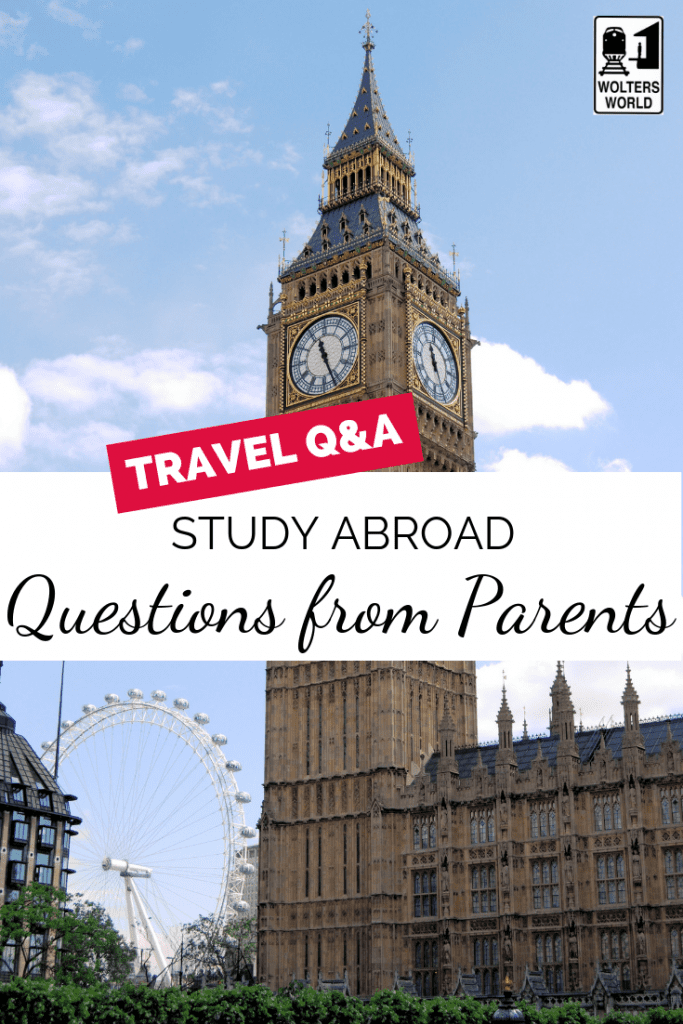
What Parents Should Know About Study Abroad

Posted on June 8, 2019June 7, 2019 by admin

Hey there, fellow travelers! Today, we’re in London answering reader questions. I have gotten a lot of messages from parents who have questions about study abroad programs. I have participated in several foreign exchange programs, for high school, college, Master’s and Doctorate programs and I now lead study abroad programs for Universities. I’ve either studied or taught in the USA, Germany, Brazil, Lithuania, Italy, Argentina, Portugal, Finland, Austria, Australia, and China. So, let’s dive into some questions to help put your mind at ease!

Will My Study Abroad Student Be Safe?

Nobody can guarantee safety, and accidents do happen, but accidents happen everywhere. Your child won’t likely be any safer at home than they will in a study abroad program. If a region or country becomes unsafe, most programs will pull their students out of that region. The administrators of these programs are doing the research and have all students’ safety and well-being in mind. Any safety issues I’ve seen or heard are due to bad decision making by the student, not anything the program or location caused.

Read: Honest Travel Safety Advice Everyone Should Know

Is Study Abroad Expensive?

This will depend on the program you choose. Some universities charge the same tuition abroad as they charge at home, other universities will charge the amount of the visiting university, and others are somewhere in between. The total cost is also going to depend on the destination and your student. If they choose to study in Switzerland, the cost of living is much higher than if they decide to study in Portugal. Overall, a study abroad program won’t cost much more than your university program at home.

Watch: What are the Biggest Costs of Studying Abroad?

Should I Visit my Study Abroad Student?

You should definitely take the opportunity to visit your child while they are studying abroad. It’s a great chance to learn from them, see how they are adapting to a new country, and maybe even do a bit of traveling together. I would not recommend visiting in the first two months. By visiting in the third month or later, because that’s when they are getting used to everything, settling in, and probably even getting a little homesick.

What Happens if My Kid Gets Sick?

Most study abroad programs have insurance programs included, but you should also check with your insurance provider to see if they cover international travel. I recommend buying secondary insurance. With that, your child will still have to pay out of pocket, but you will be reimbursed by the insurance company. For this reason, you might consider giving them an emergency credit card with a bigger line of credit they can use if something happens. The good news is, healthcare is cheaper in nearly every other country than it is in the US. If you are coming to the US to study, make sure you have insurance lined up or it can be very expensive to receive treatment.

Is Study Abroad Worth It?

A lot of parents want to know if study abroad is worth it. It’s reasonable to be skeptical that study abroad is just one long party and they won’t get anything out of the program. I’ll be honest, they are going to party, and it’s going to be the time of their life. In the process, they’re going to learn about new cultures, how to adapt to uncomfortable situations, problem-solve and grow as a person. Study abroad changes everyone, for the better. It also looks great on your resume. So, yes, I think it is 100% worth it.

I hope these answers help assuage your fears about sending a child to study abroad. If you have more questions or even your own experiences, tell us about them in the comments! For more travel tips and advice, check out these blog posts and videos:

  • Seven Tips for Learning a Foreign Language
  • Where to Live When You Study Abroad

Advice on Traveling with Adult Children or Grandchildren

How to Cut Costs While You Travel

Posted on June 7, 2019June 7, 2019 by admin

Hey there, fellow travelers! Today, we’re in Vienna, Austria and we’re talking travel expenses. I’m going to share the biggest costs of traveling, and share some tips for staying within your travel budget. A lot of people ask us how we afford all of our travels, or they assume we are wealthy because of how much we travel. But that’s not true; I’m a university professor. We can afford to travel because I know where to look for deals and when to jump on travel sales. You don’t have to be rich to travel. With these travel budget tips, you can keep your travel expenses in check.

Lodging Costs

Lodging will be one of your biggest travel expenses, so everyone tries to save a bit of money on lodging. A lot of travelers will book a hotel on the outskirts of town in order to save money on lodging, but they forget to weigh in the cost of commuting back and forth to your hotel every day. Whether you take taxis, Uber or the subway, getting to and from the suburbs every day can end up costing more than you save by staying there in the first place.

Instead, I look for a hotel with a good location and I book early. The earlier you book, the better deals you can usually get. If you are staying in one place for more than a few nights, you can usually get a deal with the hotel, or even look into apartment rentals, which are a great way to save money on eating out while traveling. With a good centrally located hotel, you won’t need to move around as much and you can see a lot on day trips from your location.

Flights

Depending on your destination, flights will most likely be your biggest travel expense. Just like with hotels, booking early is your best bet for saving money on flights. You’ll find the best airfares six months in advance of your trip. We use CheapTickets.com and Expedia to watch flights and then check the airline’s direct website as well. We’ll book with whichever site gives us the lowest price.

When you are traveling throughout Europe, remember you don’t have to fly home from the same city you flew into. The flight may be slightly more to fly home from another city, but once you figure in the cost of a train to get back to the first city, you’re going to save money and time.

Pay attention to the airports you are flying into as well. Some of Europe’s low-cost carriers fly into airports that are an hour or more from the city center, so you may end up spending more on a taxi from the airport than you spent on your flight. Make sure you factor in all costs before hitting the “buy” button on that super cheap flight.

Watch: Six Reasons You Never Get Cheap Airfare

Food

Eating is another big expense while traveling. Part of the fun of traveling abroad is experiencing local cuisine, so you don’t want to skip out on trying new food. We have a few tips that we follow to save money without missing out on local cuisine.

  • Stay at a hotel that offers free breakfast
  • Eat your main meal at lunch and take advantage of lunch specials.
  • Eating a big breakfast and a later lunch will tide you over better for a light snack in the evening
  • Use supermarkets for dinner; trying local snacks, or bread and cheese, is always fun!

Tourist Sights

Another expense while traveling is admission to the tourist sights you want to visit. Tours, museums, palaces all come with their own admission fees. There are some sights you can enjoy for free, without paying to go inside. We enjoyed a picnic below the Eiffel Tower, rather than paying to go up in the tower. It helps to do your research ahead of time and prioritize the sights you want to visit. You may also find that some museums have a free day, so you can plan around those to save some money. Some cities have a CityPass that bundles several attractions into one ticket, which may be a way to save money if you plan to hit a lot of the popular tourist sights.

Souvenirs

We all want souvenirs to remember our trips, but these can really add up. Most souvenirs are cheap, but if you buy a couple at every stop, you’ll end up spending a lot of money on little trinkets that end up in the Goodwill pile six months down the road. Rather than buying keychains or magnets, we buy art from local artists that we hang on the walls at our home. It lasts a lot longer, and we always have art to look at and reminisce about our travels.

Read: What Not to Buy When You Travel

Transportation

Getting around can be another big expense for your vacation. Trains can actually be quite expensive in some countries, and very affordable in other countries. Eurail passes are very expensive and only save you money if you’re visiting several countries throughout Europe. If you’re just visiting Italy, the trains are very affordable, so a Eurail pass would be a waste of money. You have to do some advance planning and research in order to figure out what is the best approach for you. If you’re staying in one place a long time, you can look into discount cards for public transportation. There are also student discounts and senior citizen discounts. Again, planning ahead can save you a lot of money. The National trains in Germany and Austria, for example, have fares up to 50% less if you purchase them in advance. You can save a ton of money on transportation just by booking in advance online. (Students get a great discount on Eurail, and that’s why so many get the pass, but if you’re over 26, it’s expensive!)

Watch: Biggest Travel Budget Busters

City Selection

The cities you choose to visit can have a huge impact on your travel expenses. If you want your travel budget to go farther, you might want to hold off on visiting Scandinavia, London or Switzerland. Those places are all amazing, but also super expensive. It’s all a matter of priorities; just realize that a few nights in London could cost more than an entire week in Portugal. This doesn’t mean you shouldn’t visit these places, but you might want to balance them out during your trip and hit one expensive country and two affordable ones, rather than three super expensive destinations.

The best way to save money while traveling is to do your research. Travelers who wait until the last minute to figure everything out are going to pay a premium for their lack of planning. With so many options for lodging, transportation, and sightseeing, you really have to sit down and map out your plans and figure out where you can save money. If you have money-saving tips for travelers, leave them in the comments! For more travel tips and advice, check out these blog posts and videos:

  • How to Save Money While You Travel
  • How to Avoid Travel Scams & Rip-Offs
  • How to Use Your Cell Phone Overseas

Seven Tips For Learning a Foreign Language

Posted on June 5, 2019June 3, 2019 by admin

Seven Successful Tips For Learning a Foreign Language

Hey there, fellow travelers! Part of the fun of traveling is learning the local culture and picking up some of a new language. Being able to speak the local language can totally change your travel experience. While it’s pretty easy to get by on English these days, learning a foreign language is never a bad idea. So, today, I’m sharing seven tips on how to learn another language. These are tips I actually use to learn a new language before traveling.

#1 Be Serious About Learning

You can have fun learning a foreign language, but you have to take it seriously. If you just pop a CD in your car and listen to it every once in a while, you’ll never learn the language. Treat it like you would anything else you want to learn and set aside time to study it. If you want to learn a foreign language, you have to make it a priority.

Watch: Top Ten Spanish Words Travelers Should Know

#2 Buy a Grammar Book, Not a Phrase Book

Most language books aimed at travelers are phrase books. All these do is teach you to repeat phrases, so having a conversation can be very difficult if the person you are talking to doesn’t ask the question you’ve rehearsed. With a grammar book, you can learn how to form your own sentences, which is much more conducive to conversation.

#3 Watch International Programs

The Internet allows us to watch TV shows and programs from around the world. I like watching Internet TV the best because you can turn on the subtitles (also in the foreign language) and see what the words look like, which helps you sound them out. If you’re trying to learn Spanish, most DVD’s have an option for Spanish subtitles, so you can listen in English and read along in Spanish, or vice versa.

#4 Read the Newspaper Out Loud

Newspapers are a great way to learn a foreign language because they are usually written for about an eighth-grade reading level, so it’s not super technical. By reading it out loud, your mouth gets used to making the sounds of the local language, even if you don’t quite know what you’re saying.

#5 Find Someone to Practice With

If you can find a local person who wants to practice conversation with you, it will really help you learn a foreign language quickly. You can set aside an hour per week, and split the hour in half so that you each get a chance to learn a new language for 30 minutes. This can really help you advance beyond studying on your own using books and CDs.

Watch: How to Make Friends While Traveling or Living Abroad

#6 Just Speak! It Builds Confidence

You may know more than you think, but are hesitant to use what you’ve learned. Just do it! Of course, you will make mistakes, but that’s expected and totally forgivable. The locals will appreciate you for trying! The more you speak, the more confident you will become.

#7 Tequila!

If none of the above tactics work, a little bit of tequila goes a long way to loosen up your tongue!

I hope this helps you feel better about how to learn a foreign language and encourages you to give it a shot. Whether you want to learn Spanish, Russian, German or any other language, these tips will work! Do you have other tips on the best way to learn a language? Tell us in the comments! For more travel tips and advice, take a look at these other blog posts and videos:

  • How to Avoid Travel Scams & Rip-Offs
  • Eight Rules for Choosing the Right Guidebook

How to Stay Connected While Traveling

Study Abroad Housing Options: Where to Live

Posted on June 3, 2019May 31, 2019 by admin

Hey there, fellow travelers and potential study abroad students! Today I’m in Madrid, Spain, which is a hot-spot for study abroad programs. I studied abroad in several places, including Australia, Finland, Argentina, Brazil, and Portugal. I always had a lot of options for study abroad accommodations, and I never knew which was the right option to choose. So, with my hindsight, I thought I would share with students some tips on choosing your study abroad housing situation.

There are three basic study abroad options, so I will give you the pros and cons of each option.

Study Abroad Option #1: Living with a Host Family

Pros: Living with a host family while you study abroad can be great. You have a built-in tour guide, language learning every day, you learn a lot about the local culture, and you have someone looking out for you.

Cons: Usually, you will have more rules when you live with a host family, and you will sometimes feel obligated to hang out with them when you might rather hang out with your new friends. And, it can cramp your style, especially if you come from a home without a lot of rules and end up with some strict host parents.

Bottom Line: If your goal with study abroad is to learn the local language and culture, then staying with a host family is the best option. It’s the best way to immerse yourself and learn the most outside of school.

Watch: Five Things You’ll Love & Hate About Living with a Host Family

Study Abroad Option #2: Rent An Apartment (With or Without Roommates)

If you want to rent your own apartment, there are three options: get your own place, room with other study-abroad students, or room with a local.

Rooming with a Local: This can be a pretty difficult option to come across, especially if you are looking for a short-term rental for less than a year. It’s not the most viable option, but with things like Airbnb, you may be able to find a room to rent with a local.

Renting your own place: Having your own apartment while studying abroad allows you the most freedom, but it is a lot more difficult to meet people and make friends when you are isolated in your own place. It does force you to get out and meet new people on your own, but this may not be the best option for introverts. 

Renting with other students: Rooming with other exchange students gives you more options for friends, you get to hang out with people from all over the world, and you’re all going through the same thing together. The downside of this is meeting fewer locals, as you and your friends stick together and explore all the new sights.

Read: Honest Travel Safety Tips

Study Abroad Option #3: Live in a Dorm

In the United States, most dorm buildings are on campus, but that’s not always the case in Europe. In Berlin, my dorm was 45 minutes by train to the campus. Some dorms will be near the campus, and others won’t, so you have to do some research ahead of time.

Pros: You’ll be surrounded by students, and not just other exchange students. You’ll meet a ton of locals and get to know their culture and the language. Many times, these locals are not from the city where you’re studying, so making friends and going to their hometown for a weekend or holiday is a great way to see more of the region where you are studying.

Cons: Dorm rules in Europe can be pretty strict. Many times, you are not allowed to have friends stay over or visit, so that can be annoying, especially if you have friends who want to visit from your home country. Again, a bit of research can help you figure out if this is going to be an issue with your particular destination.

I hope this helps you get a sense of what your options are for study abroad accommodations. Your decision largely depends on what you are looking to get out of the study abroad experience. No matter what you choose, I wish you an amazing time in your studies and travels. For more travel tips and advice, check out these blog posts and videos:

  • Five Things You Will Love & Hate About Studying Abroad
  • Eight Travel Tips Every 20-Something Should Know

Documents You Need to Travel Abroad

  • Previous
  • 1
  • …
  • 44
  • 45
  • 46
  • 47
  • 48
  • 49
  • 50
  • …
  • 68
  • Next

Hey There Fellow Travelers

If you want HONEST Travel Advice from travelers who have been there, this is the Travel site for you. We focus on giving you the best & the worst parts of traveling, the cultural differences, the do's and don'ts and so much more. Please join us on our journey to help other travelers. Happy Travels!

Wolters World is a participant in the Amazon Services LLC Associates Program, an affiliate advertising program that is set up to help us to earn fees by linking to Amazon.com and affiliated sites.

©2026 Wolters World
This website uses cookies to improve your experience. We'll assume you're ok with this, but you can opt-out if you wish.Accept Read More
Privacy & Cookies Policy

Privacy Overview

This website uses cookies to improve your experience while you navigate through the website. Out of these, the cookies that are categorized as necessary are stored on your browser as they are essential for the working of basic functionalities of the website. We also use third-party cookies that help us analyze and understand how you use this website. These cookies will be stored in your browser only with your consent. You also have the option to opt-out of these cookies. But opting out of some of these cookies may affect your browsing experience.
Necessary
Always Enabled
Necessary cookies are absolutely essential for the website to function properly. This category only includes cookies that ensures basic functionalities and security features of the website. These cookies do not store any personal information.
Non-necessary
Any cookies that may not be particularly necessary for the website to function and is used specifically to collect user personal data via analytics, ads, other embedded contents are termed as non-necessary cookies. It is mandatory to procure user consent prior to running these cookies on your website.
SAVE & ACCEPT