Wolters World

Honest Travel Advice

Menu
  • Destinations
  • Don’ts of Traveling
  • Travel Tips
  • Shop
  • About
  • Work with Us
Menu

Everything You Wanted to Know About a Cruise, But Were Afraid to Ask

Posted on August 3, 2018May 9, 2019 by admin

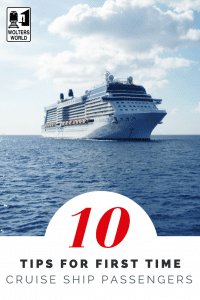
What to Know Before You Take Your First Cruise


Greetings from Croatia! We’re here on a European cruise, so today we’re going to share ten tips for anyone considering a first time cruise. These tips apply for European River Cruises, mega-Caribbean or Mediterranean cruise ships, or even the QEII across the Atlantic.

First Time Cruise Tip #1: Don’t Miss the Boat!


When you are out and about enjoying the port cities, make sure you get back to your cruise ship on time! The ships will not wait for you; they will leave you in the port. So make sure you give yourself plenty of time to get back to the ship, or the tender that brings you back to the ship. A very small cruise may give you more flexibility, but the larger the cruise ship, the less likely they will wait for you. You will have to make your way to the next port city, at your own cost.


First Time Cruise Tip #2: Research, Research, Research!


Not all cruises are the same. There are hundreds of different kinds of cruises out there. Cruise ships can range from 50 passengers to 5000 passengers. We chose our current cruise based on the itinerary. Pay attention to the ports of call and make sure they are something that interests you. Cruise ships sometimes cater to specific demographics or nationalities. Be sure to look for this information in your cruise planning, too.


Also consider the entertainment available on board the cruise ship. Some of the bigger cruise ships have casinos and movie theaters, shows and lectures, in addition to excursions at your ports. Shore excursions can range from leisurely walking tours to extreme adrenaline adventures.


First Time Cruise Tip #3: Cruise Ship Cabins are small!


Space is typically limited in cruise ship rooms, and you won’t have a lot of storage space. This is a good reason to pack lightly. Electrical outlets are also at a premium. Many cruise ship rooms will only have one outlet for charging all of your electronics. Be sure to bring a power strip you can use to charge multiple devices in your cruise ship cabin.


Air freshener is also a good idea, since you are in close quarters with the bathroom, especially if you are sharing your cabin with other people.


            Watch: What to Pack for a Cruise


When you choose your cabin location, avoid being near the restaurants, bars, clubs and the pool. These areas will be noisier than others. However, if you have limited mobility, you may choose to be near these areas. Some cruise ships are huge, and it can take a long time to get from one end to the other.


First Time Cruise Tip #4: Seasickness


Unless you are on a river cruise, you should be prepared for seasickness. There are many remedies for seasickness. There are sea bands, which use acupressure on your inner wrist. There are patches you can put behind your ear, and then there is Dramamine which you can buy over-the-counter. If you prefer a more natural approach, ginger is also supposed to help with seasickness.


Cabin location can also affect your experience with seasickness. A mid-ship cabin near the water line has the least amount of movement, which can lessen your chance of seasickness.


First Time Cruise Tip #5: Cruise Food


Be prepared to eat a lot of food on the cruise. Try to pace yourself if you can. Many cruises include a buffet in the cost of the cruise, but will also have nicer restaurants that you can upgrade to. These nice restaurants are usually worth the splurge at least one night on your cruise. On smaller ships, you might have a specific time to eat, or a specific table to sit at.


First Time Cruise Tip #6: Cruise Ship Packing

Pack everything you need for the first day in your carry-on bag. Especially on the larger ships, you may not get your luggage for several hours after boarding. Keep your swimsuit, electronics and medicine with you so you don’t have to wait to enjoy the facilities.


First Time Cruise Tip #7: Tipping on a Cruise


The tips and gratuities you give on a cruise ship make a huge difference in the lives of the staff of your cruise. Some cruises will automatically include gratuity in your bill, so make sure of this ahead of time. It never hurts to leave a little extra, though!


First Time Cruise Tip #8: Leave Flammables at Home


The number one danger on a cruise ship is fire. Don’t bring anything that can cause a fire. That goes for candles, hot plates or irons. Many cruise ships will scan your bags, just like the TSA, and will confiscate anything against the guidelines.


Similarly, cruise ships may limit the amount of alcohol you can bring on board. Some boats will allow a bottle of wine, but no beer or hard liquor, some ships have no limits and other don’t allow any outside alcohol. Make sure you know the rules ahead of time.


First Time Cruise Tip #9: There are Always Extra Costs


The cruise ship cost that you pay up front seems to be all-inclusive, but there are always extra costs. Any shore excursions you choose will cost extra. The drink package that includes unlimited alcohol will cost extra. However, if you choose to pay for drinks as you go, that can also add up quickly, resulting in sticker shock at the end of your cruise. Check out the drink packages ahead of time to decide which one makes more sense for you. You can also decide once you arrive if you want to upgrade your drink package, or even upgrade your room if the ship isn’t full.


Check out the excursions you want to do, and then also consider a private tour guide that is not arranged by the cruise ship. While some of the cruise ships have excellent guides for their excursions, you might want to get away from the crowds and enjoy a private experience.


First Time Cruise Tip #10: If You Need Anything, Ask the Ship’s Crew


Whether you have questions, concerns, or you need medicine, ice, a power strip or headphones, ask the people on the ship. The cruise ship crew are here to help you, and often will do whatever they can to make your vacation a success.


A Few Things You Should Really Know BEFORE You Visit Canada

Posted on August 2, 2018May 9, 2019 by admin

What To Know Before You Go: Canada


Greetings from Ottawa, Canada! Today we’re sharing some of the differences, and similarities, between Canada and the U.S. A lot of people around the world assume that Canada and the U.S. are pretty much the same, while others assume the two countries are wildly different. I’ve got some of the differences and similarities that are important for tourists, so you are better prepared for your Canadian vacation.

Language in Canada


In Ontario, English is the official language. However, just next door in Quebec, the official language is French. In Canada, English and French are both official languages. English is widely spoken throughout Canada, while the French language dominates in Quebec. In Quebec, the street signs will be in French, while other parts of Canada may show both English and French, or only English. The closer you get to Quebec, the more French you will see and hear.


Costs in Canada


Canada prices are about 20% more expensive than the U.S., on average. Of course, this will vary by city, and large cities such as Toronto and Montreal will be more expensive, just as U.S. cities like New York and Chicago are more expensive. Just like in the U.S., Canada has a sales tax, which varies by province. Total sales tax in Canada is around 13%. (vs. 9% for the U.S.)


ATM’s are easy to find in Canada. You will pay an ATM fee, but it’s typically slightly less than in the U.S.

The Don’ts of Vancouver


Currency in Canada


Like the U.S., Canada also uses dollars, and the denominations of Canadian dollars are similar to US dollars. Below the $5 bill, you’ll see some differences. In Canada, they have a $2 coin, or a twoonie, and a $1 coin, called the loonie. So, Canadian coins are actually valuable, unlike in the U.S. so keep track of them.


Tipping in Canada


Just like in the U.S., tipping in Canada is expected, and generally in the 15-20% range. Because servers rely on tips, unlike in Europe, you will generally have pretty good service in Canada.

Eating in Canada


Canada has a lot of similar style foods as the U.S. because it’s also a multicultural country. You’ll see a lot of Italian, Chinese and Mexican food in Canada. One difference between the countries is that the U.S. treats itself as a melting pot of cultures, while in Canada the differences in cultures are celebrated, and people are encouraged to maintain their ethnic cultures. Because of this, you’ll find great Chinatown and Little Italy districts in the larger Canadian cities. I highly recommend eating as much poutine as you can while in Canada, as it’s unique to Canada and not found very often in the States.


Driving in Canada


In Canada, speed limits are in kilometers per hour, so beware of the change, especially if you drive from the U.S. into Canada. Drivers in Canada are more slow and easy going. There seems to be less road rage in Canada. The traffic lights are also slightly different than in the U.S. Sometimes you’ll see two red lights, or they may be in different shapes. The biggest difference, though, is the flashing green light, which means only that lane of traffic has the right of way.


In keeping with the metric system, Canada also uses liters instead of gallons. So, when you are purchasing gasoline, the price is displayed in liters. There are 3.75 liters to the gallon, so the gas isn’t as cheap as you might think when you first see the signs.


Electricity in Canada


Canada uses the same voltage and electrical outlet configuration as the U.S. Electronics from the U.S will work in Canada, and vice versa so you won’t need a current converter or outlet adapter when visiting Canada from the U.S.


We love visiting Canada! My kids have a great time, and the people in Canada are super friendly. It feels much safer than many places in the U.S., and Canada has really cool architecture.


Additional Resources for Canada Travelers


Check out some of our other videos about traveling in Canada!

  • Five Things You’ll Love & Hate About Canada
  • Top Ten Sites in Toronto

Five Things You’ll Love & Hate About Quebec City


10 Ways Canada and the USA Are The Same


What You Need to Know Before You Visit Paris

Posted on July 31, 2018May 9, 2019 by admin

What To Know Before You Go: Paris


Greetings from Paris! Today I want to share with you some things you should know before you come to Paris. Especially if this is your first or second visit, this will give you a good background of what you should know when you vacation in Paris.


What is the Best Time to Visit Paris?


It’s always high season in Paris, there’s not really a low season. Just realize that Paris will always be busy. I recommend visiting Paris in the early Fall, or late Spring. Paris in March is the low end of high season, as is Paris in September. If you come in July or August, Paris is swarmed with tourists. Expect long lines, crowded attractions and higher prices. Paris at Christmas-time is beautiful, but also a very popular time to visit.

What to See in Paris


Whether you’re coming for a long weekend, or a week or longer, you’ll have many places to visit in Paris. It’s important to plan out what you want to see in Paris ahead of time, so you aren’t overwhelmed by all of your options. Some of the museums include the Louvre, the Musee d’Orsay, and the Rodin Museum. Then there are the churches in Paris. Saint-Jean-de-Montmatre, Saint Denis and of course, Notre Dame are some of the beautiful churches in Paris.


Of course, you will most likely want to visit the Eiffel Tower. You have to pay to go up the Eiffel Tower, and the lines and elevator ride are extremely crowded. If you are at all claustrophobic, be prepared for this. Jocelyn only made it to the first level on our first visit because the elevators were so packed. You can go to different levels of the Eiffel Tower, and price varies based on how high you go.


Tip: Many Paris museums are closed on Mondays, the Louvre is closed on Tuesdays. If you are visiting Paris with kids, many Paris attractions offer free admission to children under 12, sometimes 18.


There are Many Free Things to do in Paris


Paris can be expensive, but you can have a great time without spending a lot of money. If you are visiting Paris on a budget, you can still have a great time. It’s free to wander around, take in the architecture and admire the neighborhoods of Paris. Grab a baguette and some cheese for a picnic lunch in the park behind the Eiffel Tower. After hitting the highlights like the Eiffel Tower and the Champs Elysees, find some more unusual things to do in Paris.


Tip: Paris is a living city, be sure to explore the neighborhoods beyond the tourist zones.


Day Trips From Paris


If you have a longer time in Paris, I recommend taking some day trips out of the city. One of the best day trips from Paris is the Palace of Versailles, which you can reach via RER train. Monet fans can visit Giverny. Paris is well-connected to the rest of France via train. The TGV’s, or high speed trains, make a long journey feasible in a day trip from Paris. The Loire Valley is just 90 minutes from Paris by train. There are Paris day tours for visiting the D-Day beaches. If you’re visiting Paris with kids, you might want to see Disneyland Paris.


Where to Stay in Paris


Hotels in Paris are more expensive than the average Europe hotel. However, the rooms are pretty small. A double room will be two single beds. If you have two adults and some kids, you will need two rooms, or at least a triple room. Renting an apartment in Paris is a much better alternative for families. A Paris apartment gives you the freedom to come and go, but you can also save money by eating a few meals at home. One of the best things about Paris is shopping at the fruit stands, the boulangerie, patisserie, and the markets.


Tip: Remember Paris is meant for exploring, your hotel room is just for sleeping. You’ll be so happy to be in Paris, you won’t care how small your room is!

Electrical Outlets in Paris

Plugs in France are the same as mainland Europe, with two round plugs. You will need an adapter for charging any electronics from the U.S. Your laptop or phone will have a converter built in, so you just need the adapter part.


Currency in Paris


The currency in France is the Euro, just like other EU countries. Sometimes you’ll see two totals on your bill, as some places will show the amount in francs. You can use credit cards at most places in Paris, but make sure your card has a chip. Some vendors prefer cash, but most will accept cards.


Tip: You’ll get the best exchange rate if you use your debit card at an ATM machine.


Service in Paris


First-time visitors to Paris often worry about the people being rude, or that nobody will speak English. Paris has a reputation for rude people, but the people here are actually very nice, aside from a few servers here and there who deal with tourists every day. Sometimes restaurant service can be a little slow, and make sure you ask for your check as they won’t automatically bring it to you. (L’addition, s’il vous plait) I’ve found that just knowing a few words or French phrases really softens people up and makes for a better experience.


Tip: Taxes and service charges are already included in your restaurant bill, so tipping in Paris is not required.


Eating In Paris


Visiting Paris is a gastronomical experience; there are so many great foods, and wines, throughout Paris. For the best value, and to experience multiple courses, I recommend the “menu” a prix fixe that includes a starter, a main plate and a dessert. This is a great way to get a three-course meal for 15-30 Euros. Ask the restaurant for the plat du jour, or plat du maison. If you are visiting Paris with kids, a lot of places will have a kid’s menu or kid’s version that is cheaper, so be sure to ask for that as well.


Some traditional French foods you should try in Paris:

  • Start at the patisserie or boulangerie for baked goods! Try a baguette, croissant, pain chocolat or macarons. You can find tarts with different fruit flavors, too.
  • Some popular starters at mealtime include French Onion Soup, Escargot, cheeses, and oysters. Frog legs are also great, but are becoming less common at French restaurants. Check out our Five-Year-Old’s Advice for Eating Frog Legs!
  • For your main course, steak is always an option. Entrecote, or steak frites, is very common. If you like duck, try the confit de canard.


Many restaurants close between 3 and 7 pm. If you get hungry in the afternoon when restaurants are closed, you can grab a jambon-beurre, a ham and butter sandwich. Quiche is also a popular snack, make sure to order it “chaud” or hot, or just grab a croissant. There’s always fast food; Quick is the French version of McDonald’s.


The beauty of Paris is that is has amazing French food, but it’s an international city, so you can enjoy many cuisines in Paris. You can find Italian, Vietnamese, Chinese, American, whatever you have a taste for.


Tip: Make dinner reservations, especially on a Friday or Saturday night!


Getting Around Paris


Public transportation in Paris is fantastic. You can get almost anywhere using the metro, city buses, or the RER/city train. You’re never more than 500 meters from a Metro stop anywhere in the city. Make sure you get the best Paris Metro ticket for your visit. You can buy 1-day, 3-day, 7-day passes. Metro passes are not that expensive, about 1.70 Euro each. You insert the card upon entry, but make sure you keep it as you might also need it to exit the station.


When arriving or departing Paris, it’s easy to reach both major airports on the the local train, the RER. The RER goes to both Charles de Gaulle and Orly. There are two stops at CDG, so know which one you need ahead of time. You can also take taxis, or Uber, anywhere you need to go in Paris.


If you are leaving Paris by train, keep in mind that there are several train stations in Paris. If you are going elsewhere in Europe after your stay in Paris, be sure you know the correct Paris train station. If you are transiting through Paris, you may need to take the Metro to transfer between stations. All the train stations are connected by Metro, so it’s not difficult, just pay attention to your tickets, and allow enough time.


Tip: On the Metro, lift the handle to open the doors!


Is Paris Safe?


A lot of people wonder if Paris is safe. There is police and security presence, but we travel here with our kids and parents, without worry. The only thing to be alert about are the beggars and pickpockets, especially at the busier metro stations and tourist attractions. Pickpockets don’t always look like pickpockets, so just be wise.


Tip: People approaching you to sign a petition may be scoping you out to rob you.


Additional Resources for Planning Your Paris Vacation


Don’t miss our other videos on France and Paris!

  • 10 Things That Will Shock You About Paris, France
  • Five Things You Will Love & Hate About Paris
  • Four French Phrases Every Tourist Should Know


11 Things to Know Before You Visit Italy

Posted on July 29, 2018May 9, 2019 by admin

Things Travelers Should Know Before Visiting Italy


Ciao from Venice, Italy! Standing at the Piazza San Marco in Venice, which is well worth visiting, as is all of Italy! Today we’re sharing something you should know before you come to Italy, so you’re better prepared for your Italy vacation.

Language in Italy


Just like in the U.S., everyone speaks the local language, which is Italian here. You should learn some basic Italian language before you visit Italy. However, in such a developed tourist country, lots of people also speak English. If you speak even a bit of Italian, the people are grateful and will really open up to you, so it’s worth it to learn a few key Italian phrases. Check out our video: Visit Italy: Ten Phrases You Need to Know


Currency in Italy


If you’re wondering what currency is used in Italy, it’s the Euro, just like most of Europe. The Euro comes in several bills (500, 200, 100, 50, 10, 5) and the coins here are actually valuable. The 2 Euro coin is worth more than $2, so keep track of them.


There are many exchange houses in Italy willing to change your money, but your best exchange rate will be with your debit card at an ATM. I highly recommend making sure you get a card with a chip, as you will find some places won’t take your card, or you won’t have access to ATM machines at night.


Eating in Italy


Italians love to eat and they love to enjoy the whole dining experience. Savoring Italian food in Italy is a must for any traveler! You should know there are no spaghetti and meatballs in Italy! There are different regional specialties all over Italy, such as bucatini in Rome, so be sure to seek out the regional highlights. Even the bread is different all over. Don’t just eat pasta – the meats, cheeses and wine in Italy is also delicious.


An Italian breakfast tends to be small, like an espresso and biscotti. Italians usually only have one big meal per day, typically at lunch or dinner. A typical Italian dinner will include two courses. When ordering your food, you’ll get a primi piatti, or first plate which is pasta . Then a secondi piatti, or second plate, which is the hearty dish, often consisting of meat. If you are in a group and ordering many dishes, this is how they will come out, so if someone is eating pasta, they may get their food first. If you want all of your food to come out at the same time, just ask them. In the tourist areas, they are used to this.


At the end of the meal, the server won’t automatically bring your check, you have to ask for it. Just say “il conto por favore” and they’ll bring your check. Otherwise, they’ll leave you to sit and enjoy the ambiance post-meal.


A typical Italian dinners starts very late, around 9 or 10 p.m. To get you through the long stretch from lunch to dinner, Italians also have aperitivi, which is an afternoon snack and a drink. It’s usually just a drink and some salty snacks, but it’s a really fun part of Italian culture to experience.


Tipping in Italy


In Italy, you don’t have to tip. If they do an excellent job, so you can always leave a tip if you’d like. However, if you want to do this, you’ll have to leave cash. The credit card slips are not even set up for you to write in a tip on the receipt. You’ll find the service in Italy is fantastic.

Shopping in Italy


You can get some great fashion in Italy, for slightly cheaper than the U.S. However, designer goods are still designer goods, so you’ll pay more for them than other brands, even if it is a small discount from the States.


You should know that stores in Italy often close for lunchtime, from 12-3, especially in smaller towns and cities. Sometimes the banks will also close mid-day and reopen again later. Just to be safe, do any banking in the morning. ATM’s are available 24 hours a day.


Taxis in Italy


Taxis in Italy get a bad rap for ripping off tourists or taking the long route, but they’re not so bad. They tend to be more expensive, though, so be prepared for that. Try to use public transportation in Italy, as it’s very affordable and easy to use. The freccia trains are the high-speed trains, which are a great way to get around the country quickly and easily.


Hotels in Italy


Rooms are small, with smaller beds. A double bed is just two single beds pushed together. If you are coming with kids, ask for a triple so you’ll have an extra bed.  The bathrooms are also going to be smaller than what you are used to in the States. Be prepared to go with the flow, and enjoy Italy without worrying about small accommodations. Many hotels will also include a small breakfast.


If you book through hotels.com or booking.com, hotels will often have a city tax. For example, in Rome, we had to pay 4 Euros per person, per night. That is not included it in your normal bill, and the hotels will usually prefer this in cash. When you check in, ask if there is a city tax, and how and when you will need to pay it so you’re aren’t caught by surprise on the morning of your checkout.


Electricity in Italy


In Italy, the electrical outlet is typically the same as the rest of Europe, with two round plugs. Sometimes, though, you’ll see a set of three plugs in Italy. These are the old fashioned ones, but you can still use the 2-round-plug option for these outlets. Your laptops, phones and cameras will have a voltage converter built in, so you only need an adapter to fit the plug.


Safety in Italy


In heavily touristed areas like Venice and Rome, pickpockets are frequent, especially on the Metro and in high tourist season. You need to keep your eyes open. People in Italy are generally friendly and helpful, but just pay attention.


Crossing the street in Italy can be dangerous. Make sure you obey the signals, and stay in the crosswalk. If you get hit by a car and you’re not in the crosswalk, you will be found at fault, not the driver. If there’s no light and you’re trying to cross, make eye contact with any drivers before crossing in front of the car.


Smoking cigarettes is the norm in Italy, it’s not taboo here. They can’t smoke inside, so if you prefer to avoid smoke while eating, be sure to request a table indoors. Outdoors, be prepared to experience second-hand smoke in a lot of places.


Getting Around in Italy


Plan to walk a lot in Italy, it’s not like the U.S. where you hop in a car to go everywhere. Make sure you wear comfortable walking shoes. Walk in them for a couple of weeks before your Italy trip to get them broken in, and also to get your muscles prepared for the amount of walking.


Toilets in Italy


In your hotel, you’ll have a normal toilet with no differences from what you are used to. However, if you’re out and about, especially driving through the countryside and stopping at gas stations, you might see a few squat toilets. They’re becoming less common, but don’t be surprised if you run into one. When you go to wash your hands and don’t see knobs for the sink faucets, look down. Some places will have a pedal by the floor that turns the water on.


Additional Resources for Planning a Trip to Italy


Check out some of our other videos about Italy:

  • 10 Best Places to Go in Italy
  • Top 10 Venice – What to See in Venice, Italy
  • 5 Things You’ll Love and Hate About Venice
  • Top 10 Towns in Veneto Italy

10 Things That SHOCK Tourists about Italy


The DON’Ts of Visiting Italy


What to Know Before You Visit Spain

Posted on July 28, 2018May 9, 2019 by admin

What You Should Know Before You Visit Spain


Live from Madrid, Spain! Today we’re talking about differences between Spain and America, for visitors traveling in either direction. Here’s just a few things you should know about Spanish culture and customers so that you can have a better time abroad.

Language in Spain


In Spain, you will need to know a bit of Spanish, even if it’s limited to Spanish greetings and please/thank you. Younger people are likely studying English in school and may be able to help you, but older people (30+) will often not speak English. Try to learn a bit of Spanish before you come to Spain, if anything it will give you a better experience. The Spanish people are very friendly, and they will try to communicate with you, even if you don’t speak Spanish.


Tips for Spanish Visitors to the America: In the U.S. you will need to speak English. A small number of people speak Spanish.


Currency in Spain


The currency used in Spain is now the Euro, just like many other parts of Europe like Germany and Austria. The Euro comes in several bills (500, 200, 100, 50, 10, 5) and the coins here are actually valuable. The 2 Euro coin is worth more than $2, so keep track of them.


Tips for Spanish Visitors to the America: Not all places, especially gas stations or convenience stores, will accept $50 or $100 bills.


ATM’s in Spain


ATM machines are everywhere in Spain. Use your debit card in Spain and you’ll get the best exchange rate. You can choose to see how many Euros to take out, or in dollars. ATM’s in Spain sometimes take a percentage. If you need to exchange cash, the private exchanges have the worst rate. Banks will give you a better rate, but not all banks will accept or exchange dollars.


Tips for Spanish Visitors to the U.S.: ATM’s will charge a fee, and you won’t have an option for the currency, it’s always in dollars.


Tipping in Spain


In Spain, tipping isn’t widespread. The higher class of the restaurant, you may tip a little bit. A tip is always appreciated, but it’s not as required as it is in the United States. Sometimes, the tip may not even go directly to the waiter in Spain. Look for a service fee on the bill, also, as that can sometimes be added.


Tips for Spanish Visitors to the U.S.: 15-20% tip is standard and servers rely on this for their income.


Expenses in Spain


In general, Spain can be 15-20% cheaper than the U.S. This will depend largely on your travel lifestyle. There are a lot of travel deals to be had in Spain, and while there are deals in the U.S., it’s not as affordable as a vacation in Spain.


Electrical Outlets in Spain


In Spain, they use the same plug as other EU countries, with two circle plugs. Your electronics already have a converter to handle the voltage difference, so you’ll just need an adapter for the plugs. Don’t even bother bringing small electronics like hair dryers or curling irons. They won’t handle the voltage and it’s easier to just buy a cheap one upon arrival.


Eating Out in Spain


In Spain, meals are generally later than in the U.S. Lunch is usually between 1:00 and 3:00 while dinner is typically starting after 8pm. Even McDonald’s may not open until late afternoon. Make sure you have a big breakfast so you can last until lunch at 1:00. Adjust your schedule accordingly, and plan to eat later.


Tapas is very popular in Spain. These are little plates that accompany your drinks at a bar or pub. These are sometimes complimentary, sometimes you will pay for them. There are tapas, which are small plates that can cost a couple of Euros, or Raciones, which is a larger portion and around 8 euros a plate. Pay attention to which version you are ordering!


Paella in Spain is excellent. Try to avoid it in heavily touristed parts of town as it won’t be as authentic. Look for a smaller town, or get off the beaten path to find paella in Spain.


Service in Spain


Both Spain and the US have very friendly service. In Spain, the service is more playful, while the service in the U.S. is aimed at getting a bigger tip. In major touristy areas, you may have service that is not as great, but most places will have friendly service.


Toilets in Spain


Toilets in Spain are the same as in the U.S. Toilets are usually free at cafes and restaurants, but often for customers only. You may have to pay to use the toilet in a train station, so it’s always good to have some coins on hand in this instance. Spain also has bidets. If you aren’t sure how to use them, don’t!


Hopefully these tips will be helpful as you are planning a trip to Spain. Check out our other videos on Spain:

  • Top Ten Cities to Visit in Spain
  • Five Things You’ll Love & Hate About Spain
  • Five Things You’ll Love & Hate About Madrid

Some Things to Know Before Your 1st Trip to Europe

Posted on July 28, 2018May 9, 2019 by admin

What Tourists Should Know Before Visiting Europe


There are some big differences between Europe and the U.S. and I’ve got a few to share with you. Of course, these are in a very general sense as not all European countries are the same.


Language in Europe


In Europe, most young people speak English as they are learning it in school. Also, in the tourism industry, most people will speak English. Technically, only 51% of Europeans speak English, so it’s always helpful to learn a few words of the native language. We have videos for these – 10 Words You Should Know in German, 4 French Phrases Every Tourist Should Know, Top 10 Spanish Words Travelers Should Know. Of course, there are some English speaking countries in Europe as well.


Currencies in Europe


Most European countries use the Euro, which comes in several bills (500, 200, 100, 50, 10, 5) and the coins here are actually valuable. The 2 Euro coin is worth more than $2, so keep track of them.


For the best Euro to Dollar rate, use your debit card at an ATM machine. Take out your money in Euros, rather than dollars, as your bank will likely provide a better rate than the ATM bank. If you prefer to exchange cash, then go to a bank, where you have less chance of getting ripped off or receiving counterfeit bills.


Countries that use the Euro (as of 2018) include:

  • Austria
  • Belgium
  • Cyprus
  • Estonia
  • Finland
  • France
  • Germany
  • Greece
  • Ireland
  • Italy
  • Latvia
  • Lithuania
  • Luxembourg
  • Malta
  • Monaco/Monte Carlo
  • The Netherlands
  • Portugal
  • San Marino
  • Slovakia
  • Slovenia
  • Spain
  • Vatican City


Some other countries don’t use the Euro and have their own currency. Some examples.

  • United Kingdom: British Pound Sterling
  • Sweden: Krona
  • Norway: Krone
  • Czech Republic: Koruna
  • Denmark: Krone
  • Hungary: Florint
  • Switzerland: Francs
  • Serbia: Dinar
  • Croatia: Kuna
  • Russia: Ruble


Tip: Cash is king in the Europe! Make sure you always have some cash on hand in case the establishment doesn’t take credit cards, or only takes a credit card with a chip or PIN.


Tipping in Europe


Tipping is very different across Europe and will vary by country. In Austria, it’s 10%. Germany, tip 5-10% for good service. In England, it’s about 10%. Other places, like Portugal, you can leave a few coins, or you might not leave any tip. Check out our videos “Tipping Around the World” for more specifics. Just don’t assume it will be the same across Europe. Some places charge a sit-down fee vs take-away, or a cover charge or “bread charge.” If such a service charge is added, you don’t need to add a tip.

Costs of Europe


The biggest expense will be your flight to Europe. Hotels are generally cheaper in Europe for a comparable hotel level. Eating in Europe can be more or less expensive. Northern Europe is more expensive than Southern Europe. Western Europe is more expensive than Eastern Europe. Travel costs in Europe are very regional.


Everyday Differences Between Europe and the USA


  • Plugs in Europe are different than the U.S. In most of Europe, you’ll see two round pegs for the holes, while the U.K and Italy have different systems. The best option is a multiple country adapter that covers all the place you’ll be visiting. You will need an adapter for charging any electronics. Your laptop or phone will have a converter built in, so you just need the adapter part.
  • When it comes to toilets in Europe, sometimes you will have to pay to use one, especially in train stations. Other bathrooms may have an attendant looking for a tip. Squat toilets exist, but aren’t very common in Europe.
  • Drinking water in the European Union is safe to drink. Most people in Europe buy bottled water over tap water because it will taste better, but it’s generally safe to drink or at least brush your teeth. (St. Petersburg is an exception, do not even brush your teeth with tap water!)
  • WiFi is not as widespread in Europe as it is in the U.S. Your hotel may or may not have it, and if they do, it may be considerable slower than what you are used to.


Hotels in Europe


Hotels rooms in Europe are much smaller than hotel rooms in the United States. A double room will actually be two single beds pushed together, so beware the crack in the middle of your double bed. If you are traveling as a family with children, you will need to get multiple hotel rooms.


Restaurants in Europe


You will find more sit-down restaurants in Europe, and fewer fast food joints than you are used to seeing in the United States. There are fast food chains specific to Europe, though, and it’s fun to check them out, such as Doner Kabab. Also, unlike the U.S., servers in Europe are usually paid a full wage and don’t rely on tips for their income. This also means your service is less attentive as they’re not trying to get big tips. You may have to flag down your server, and you won’t get free refills on your soda. In general, service is fine, but less attentive than in the U.S.


Safety in Europe


Generally, Europe is very safe, and feels much safer than many cities in the U.S. There are a few spots known for pickpockets in Europe, usually on public transport and at major tourist sites. It’s no different than any large city in the U.S., just be smart and aware of your surroundings.


Public Transport in Europe


Unlike the United States, public transport is fantastic in Europe. In a small country like Belgium, you can get all over the country on trains that are frequent, fast and affordable. Even when traveling between countries, there are many train and bus options, and they are safe, unlike some of the bus routes in the U.S. It is very easy to travel Europe by train.


More Resources


We have lots of videos specific to countries in Europe that will help you plan your trip. Here’s a few to get you started:

5 Things You Will Love & Hate About Belgium


5 Things You Will Love & Hate About Europe


5 Things You Will Love & Hate About America


Everything You Should Know Before You Visit Mexico (well almost everything)

Posted on July 26, 2018May 9, 2019 by admin

What Tourists Should Know Before Visiting Mexico


Live from Chichen Itza, in Yucatan Mexico! Mexico is a fantastic country, I highly recommend it. The people are awesome, the food is great. Here are a few things you should know about the differences between American and Mexican culture.

English is Not Widely Used in Mexico


You can get by without Spanish in the tourist meccas like Cabo or Cancun, because there are so many tourists, the people have picked up a bit of English. If you’re going to venture into other areas of Mexico beyond the beach resorts and all-inclusive resorts, you will need to know some Spanish. The locals will really appreciate it if you make a little effort to speak Spanish.


Tip: You’ll be amazed at how far a “por favor” or “gracias” will get you!


Spending Money in Mexico


In Mexico, they use the peso. You will see this written out as a dollar sign, which is also the peso sign. ATM’s are a good way to get money, but in some of the tourist resorts, note that the ATM’s may give you dollars. This may seem convenient, but you will get a horrible exchange rate and high transaction fees, as high as 10% of your withdrawal. Many tourist resorts also take dollars, so you won’t need pesos at all. Pesos come in both bills (500, 200, 100, 50, 20) and coins (10, 5, 2 and 1 peso) in Mexico.


Tip: Hang on to the peso coins as you’ll need them for tipping!


Tipping in Mexico


Tipping is expected in Mexico. For waiters and bartenders, plan for 10-20% tip. The cleaning staff at the hotel really rely on tips for income. Plan to spend between 50-100 pesos per day, depending on how messy your room is.


Tip: Give a little extra if you are a messy traveler or traveling with kids!


Getting Around Mexico


There are many options for getting around Mexico. If you’re in the tourist areas, renting a car is fine. Do be careful driving at night. It’s not recommended, especially in the mountains as it can be dangerous. If you want to get around without driving, you can fly between cities. There’s also an extensive network of buses around the country. There are varying levels of buses in Mexico. There are executive buses, with more comforts such as WiFi and restrooms. The more local buses are more basic and how the locals travel. Just remember, you get what you pay for.   Within the cities, taxis are readily available, but always negotiate the price up front. Ask your hotel or a local for an estimate of the cost. You can also take buses in the cities, they are cheap, but slow.


Tip: Police cars generally have their lights on all the time, so not to worry if you see them on, they’re not after you


Negotiating in Mexico


Mexico is a very affordable destination. You can eat very well at a fraction of the price you’d pay in Europe or the United States. If you visit markets, you will find yourself negotiating prices. You will also negotiate with taxis before you get in.


Tip: Paying in cash can get you a better deal. Often, the credit card fees are passed on to the customer (you!)


Is Mexico Safe?


Just like any country, Mexico has issues. The heat in Mexico is actually one of the biggest safety concerns. It gets very hot and you can get dehydrated. Make sure you drink a lot of water, but do not drink the tap water or the ice. Montezuma’s Revenge, or traveler’s diarrhea, is not a myth. Stick to bottled water. Don’t drink the ice, either! The exception is some of the beach resorts, which may have a water filter. This also applies to uncooked food, unpeeled fruits, anything washed with water, etc.


Travel scams here are similar to other tourist countries, like receiving bad or incorrect change when shopping.


Tip: It’s not recommended to go out alone at night, especially for females. Find other travelers to go out with!

Authentic Mexican Food


The food in Mexico is awesome! Tex Mex, or Americanized fast food tacos have nothing on authentic Mexican food!  From seafood on the coast, to goat near the capital. The sopes, the gorditas, the tacos! You may have seen these at your local Mexican place – this is the time to try them! The pork dishes in Yucatan are fantastic. You’ll eat well, but you’ll also drink really well. You have to have a Mexican Coke, it’s made with real sugar and tastes so good! The grapefruit sodas are fantastic. You can enjoy those with tequila. Don’t slam it, savor it.


Tip: Don’t forget horchata. It’s rice water with flavoring and it’s so good!


Everyday Differences Between Mexico and the USA


  • The toilets in Mexico are generally fine, they are normal, sit-down toilets. Sometimes the toilet seats are missing, so double check that before you sit down!
  • You can’t always flush toilet paper in Mexico, sometimes you will need to throw it in the trash. Ask your hotel or guest house what is the proper etiquette, or look for signs in the bathroom.
  • Electrical outlets in Mexico are the same as the U.S. Your U.S. electrical plugs will work in Mexico.
  • For mobile phones, a lot of U.S. carriers have Mexico plans. Our AT&T plan has free coverage in Mexico.


People in Mexico


The people in Mexico are super friendly, super nice, super awesome! My favorite part of Mexico is the people. We are always meeting people in the streets, who are greeting us.


Tip: If you get a chance to hang out with locals, do it! They really are super awesome!


What to See and Do in Mexico


There is so much to do in Mexico! You have fantastic beaches and nature. Go to the cenotes, or sinkholes, by Yucatan. There are beaches all along the country and mountains. There are also great cities to visit, like Guadalajara and so many more!


Tip: Explore different areas of Mexico! The beach resorts are great, but there is so much more to see!


When Should You Visit Mexico?


High season in Mexico is December and January. Low season is May through September.


Tip: There’s never a bad time to visit Mexico! Just go!


10 Things That SHOCK Tourists About Mexico


The DON’Ts of Visiting Mexico


What to Know Before You Visit Germany

Posted on July 26, 2018May 9, 2019 by admin

What Tourists Should Know Before Visiting Germany


Live from Berlin, Germany at the Rotes Rahaus! I want to share with you some of the basic

cultural differences in Germany, from the U.S. Here are some of our German travel tips for your first visit to Germany.

Languages Spoken in Germany

Most likely, people will speak English. Be nice and learn a few words like “Please” and “Thank You,” which will make a big difference for your experience. It will be easy, however, to find someone who speaks English and can help you out.

Tip for Germans visiting the US: German is seldom spoken, so you’ll really need to learn some English before you visit.

Money in Germany

In Germany, they use the Euro. The Euro comes in several bills (500, 200, 100, 50, 10, 5) and the coins here are actually valuable. The 2 Euro coin is worth more than $2, so keep track of them. ATM’s are widely available and they are you can choose German language or English. In Germany, cash is king. That said, if you use a credit card, try to bring one with the chip in it, as those are more widely accepted in Germany, and throughout Europe. Look for a Commerzbank or Deutsche Bank ATM machine, as they will likely take U.S. cards.

Tip for Germans visiting the US: Credit cards are widely used, and it can be difficult to use $100 or $50 bills. Try to have $20 or lower amounts with you.

Electrical Outlets in Germany


The plugs and the voltage for electrical outlets are different between Germany and the U.S. In the U.S. we have two straight plugs, while Germany has two circle plugs. Your computer and mobile phone will have a converter built in, but you still need an adapter to charge anything.

Restaurant Service in Germany

Service is not as accommodating in Germany as it is in the U.S. They are professional, but will not come back to your table over and over like American waiters will do. This means you need to be ready with your order when they come to take it. They won’t keep coming back to wait for you to be ready. German etiquette does not call for tipping. Sometimes, they will add a 19% service charge for a large group. Keep an eye out for added gratuity, which is sometimes added as a “tourist tax.”

Service in the U.S. is very friendly and helpful. In Germany, they are helpful, but you have to ask sometimes, and it’s not always very friendly.

Tip for Germans visiting the US: tipping 15-20% in the U.S. is standard practice.

Getting Around Germany

Trains in Germany are the best and easiest way to get around. The trains go everywhere in Germany, with good timetables and it’s simple to use. In the cities, you can use buses, trams and subways. Even the smaller towns in Germany will have bus service, making it easy to get around the country without a rental car.


Tip for Germans visiting the US: cars are king in the U.S. Outside of the largest cities, there is not good public transportation.

Hotels in Germany

In Germany, a double room means two twin beds that can be pushed together to sleep two. It’s not like the US, with two queen or king size beds. If you’re traveling with children, especially teenagers, you need to request a triple room, or consider getting two rooms. Some hotels in Germany will have rules as to the number of occupants. Don’t be surprised by the thin hotel towels in Germany! They aren’t the lush, thick towels we are accustomed to in the States.

Tip for Germans visiting the US: A double room means two large beds that can sleep up to four people per room.

To learn more about Germany, check out our other videos: Five Things You’ll Love and Hate About Germany and Top Ten Sites Near Berlin.


10 MORE Things That SHOCK Tourists about Germany


Everything You Wanted to Know BEFORE You Visited Malta

Posted on July 26, 2018May 9, 2019 by admin

What Americans Should Know Before Visiting Malta


Live from Mdina, Malta! You may think Malta is just a city and country all in one. Malta is actually a few islands put together, and Medina is the old medieval capital. Here are some of the differences between Malta and the U.S., so if you’re thinking about doing some Malta sightseeing, you’ll be better prepared.

English is Widely Spoken in Malta


Malta has two official languages: English and Maltese. The locals do speak Maltese, but Malta has a lot of expats, so English is widely used and understood.


Spending Money in Malta


In Malta, they use the Euro. The Euro comes in several bills (500, 200, 100, 50, 10, 5) and the coins here are actually valuable. The 2 Euro coin is worth more than $2, so keep track of them. You can use cash anywhere, including large bills, and it is preferred over credit cards. You’ll find exchange houses around to exchange your money, but using the ATM is your best value. ATM’s are less common in smaller towns, so get your cash before you leave the bigger cities.


Eating Out in Malta


Lunch is served between 12 and 2, while dinner starts around 7:30. Many restaurants don’t open until dinner time.  In Malta, tipping is based on quality of service. If your service is bad, no tip is required. If service is OK, leave a 5-10% tip. Service isn’t great, but the people are super nice.


Rabbit is a very popular dish in Malta. They have pastizzi, a filled puff pastry. Pea mush or ricotta cheese are two of the most popular variations. Or you can have a ftira, which is a sandwich on a special kind of bread. Tuna and goat cheese is the best one! Seafood is also great in Malta.


Store Hours in Malta


If you plan on shopping in Malta, the stores usually close between 6-8:00 at night, so don’t plan on any late-night shopping. Get your shopping done during the day and enjoy the beach bars or restaurants at night.


Weather in Malta


Malta has great weather, it’s a prime reason to visit Malta. However, the wind can be very strong. The sun in Malta is also very strong. Make sure you bring your sunblock, or you’ll pay a premium in Malta.


Prices in Malta


In general, the prices in Malta are very cheap. If you are traveling on a budget, Malta is a great destination. Whether you are going out to eat, drink, party, Malta is more than affordable, especially compared to Western Europe. Definitely take advantage of the great restaurants and low prices.


Water in Malta


Drinking water in Malta is safe.


Electrical Outlets in Malta


Plugs in Malta are the same as the U.K. You will need an adapter for charging any electronics. Your laptop or phone will have a converter built in, so you just need the adapter part.


What to Do in Malta


Overall, I recommend coming to Malta for vacation. A week is plenty of time to see some cool stuff. Valetta is the “new” capital, Mdina is the old capital. You can go to to the Gozo Islands, or see the Blue Grotto on Comino Island. There’s some neolithic structures, similar to Stonehenge but way older.


To learn more, don’t miss our other videos on Malta! Five Things You’ll Love & Hate About Malta and Top Ten Things to Do in Malta.


Five Things You Will Love & Hate about Visiting Malta


Top 10 Places to Visit in Malta


What to Know About Denmark for Travelers

Posted on July 26, 2018May 9, 2019 by admin

What Tourists Should Know Before Visiting Denmark


Today we’re in Copenhagen, Denmark. The capital of Denmark! It’s a really cool design city, with great architecture, and all kinds of fun things to do. Before you visit Denmark, here are 8 things you should know about Danish culture when visiting from the United States.

Denmark Language


In Denmark, the language spoken is Danish. However, you don’t need to speak Danish to get by in Denmark. Danes speak fantastic English, with barely a hint of an accent. If you are interested in some Danish words, the letters are also slightly different. The “J” makes a “Y” sound. æ makes an “aa” sound, and the ø is like “eu.” If you want to practice, go ahead and try to sound out some Danish words, but most likely everyone will speak English so it’s nothing to worry about.


Spending Money in Denmark


In Denmark, credit cards are king. However, you need to have a PIN number for your credit card. If you don’t have the PIN, you can get declined. Likewise, cash is not common, so the vendor may not be able to provide change for you. For a bit of cash, ATMs are widely available.

In Denmark, including Copenhagen, currency is the Krone. You get around 6.5-7 Krones per U.S. Dollar. Krones come in coins (20, 10, 5, 2, 1, .50) and bills (50, 100, 200, 500, 1000.) They do not use the Euro in Denmark! It’s important to remember the coins have value here, unlike the U.S. A 20 Krone coin is worth around $3, so keep track of them.


Safety in Denmark


Denmark may be one of the safest countries in the world. People leave their babies in carriages outside while they go inside. You really don’t need to worry about being robbed or pickpocketed as in other tourist destinations.


Timeliness in Denmark


Denmark is very punctual. Everything is on time, including trains, buses, etc. Unlike countries like Portugal, with relaxed punctuality, you are expected to arrive before the time of your meeting, reservation, departure, etc. Don’t expect your bus or train to wait for you! As far as time zones, Denmark is in the same time zone as Germany.


Eating in Denmark


As far as eating in Denmark, breakfast is usually served until 10 or 10:30, with lunch from 11:30 – 1:00. Dinners are typically between 5-8:00p.m. If you’re used to Italy, Spain or Portugal you’ll have a hard time to find a late night meal, after 10. On the weekends, or in Copenhagen, you may find more options, but plan to eat earlier.


As far as service in Denmark, it’s not great. I call it Danish Ambivalence. On the plus side, tipping in Denmark is not expected.


In terms of Danish food, you should definitely try a Danish hot dog. Served with a red hot dog with crispy fried onions, pickles and remoulade. Another thing you have to try is Danish pastries. Danish bakeries make the best pastries. Another popular Danish food item is smørrebrød, which is basically an open faced sandwich on rye bread with shrimp cocktail or steak tartare on top. And then you have Akvavit, a Danish schnapps. You don’t sip it, it’s meant to drink all in one go.


In general, Denmark isn’t renowned for their cuisine, but the chefs do a great job of cooking other international cuisines.

Is Denmark Expensive?


The U.S. Embassy says Denmark is 30-40% more expensive than the U.S. but it feels even higher than that sometimes. It’s about $8 to get a pint of beer in a bar here, compared to Portugal where it costs $1. Plan for about $25 per meal for a typical plate.


Electrical Outlets in Denmark


Plugs in Denmark are the same as the rest of Europe. You will need an adapter for charging any electronics. Your laptop or phone will have a converter built in, so you just need the adapter part.


Public Transportation in Denmark


Public transportation in Denmark is very efficient and runs on time. It’s a very quiet experience, so be sure to talk softly. Buses and trains can take you throughout the country, albeit somewhat expensive like everything in Denmark. Bicycles are also very popular in Denmark, and a good way to get around on the bike paths.


To learn more, don’t miss our other Denmark video: Five Things You’ll Love & Hate About Copenhagen.

The SHOCKS of Visiting Denmark


5 Things You Will Love & Hate about Copenhagen


  • Previous
  • 1
  • …
  • 62
  • 63
  • 64
  • 65
  • 66
  • 67
  • 68
  • Next

Hey There Fellow Travelers

If you want HONEST Travel Advice from travelers who have been there, this is the Travel site for you. We focus on giving you the best & the worst parts of traveling, the cultural differences, the do's and don'ts and so much more. Please join us on our journey to help other travelers. Happy Travels!

Wolters World is a participant in the Amazon Services LLC Associates Program, an affiliate advertising program that is set up to help us to earn fees by linking to Amazon.com and affiliated sites.

©2026 Wolters World
This website uses cookies to improve your experience. We'll assume you're ok with this, but you can opt-out if you wish.Accept Read More
Privacy & Cookies Policy

Privacy Overview

This website uses cookies to improve your experience while you navigate through the website. Out of these, the cookies that are categorized as necessary are stored on your browser as they are essential for the working of basic functionalities of the website. We also use third-party cookies that help us analyze and understand how you use this website. These cookies will be stored in your browser only with your consent. You also have the option to opt-out of these cookies. But opting out of some of these cookies may affect your browsing experience.
Necessary
Always Enabled
Necessary cookies are absolutely essential for the website to function properly. This category only includes cookies that ensures basic functionalities and security features of the website. These cookies do not store any personal information.
Non-necessary
Any cookies that may not be particularly necessary for the website to function and is used specifically to collect user personal data via analytics, ads, other embedded contents are termed as non-necessary cookies. It is mandatory to procure user consent prior to running these cookies on your website.
SAVE & ACCEPT