Wolters World

Honest Travel Advice

Menu
  • Destinations
  • Don’ts of Traveling
  • Travel Tips
  • Shop
  • About
  • Work with Us
Menu

10 Things That Are NOT Overrated About Visiting Europe

Posted on September 6, 2018September 6, 2018 by admin

Ten Things That Are Not Overrated About Europe

Greetings from the Coliseum in Rome, Italy! Today I’m sharing with you ten things that are not overrated about visiting Europe. We have two videos on things that are overrated in Europe, but there are some things that are spot on when it comes to visiting Europe.

#1 Long Lines At Major European Landmarks


The long lines you’ve heard about at the best European landmarks are not overrated! We’re here in January, and there’s a very long line to get into the coliseum. The lines at the Vatican Museum are equally long. In winter! If you come in summer, the lines are really crazy long, up to two kilometers long in some places. If there’s a museum in Europe that you really want to visit, check to see if they have online reservations that will allow you to bypass the long lines. For attractions like the Louvre or Vatican Museum, you can book tours online. I can’t recommend this enough, especially in summer. In the offseason, you might get into the Louvre in five minutes, while high season can be as long as two hours to get in to any of the most popular European landmarks.


#2 Some of the Countries With the Best Food Are in Europe


French and Italian food are not overrated. Both cuisines are amazing. In France, you’ll love the bread and the cheese, but there is much more. You’ll have duck, frog legs and escargot. In Italy, it’s not just pasta and pizza. They have amazing meets and cheeses, and fantastic wines. Even if you go to places that aren’t known for their cuisine, like Sweden or Finland or England, you’ll still find dishes that are really good. When you are traveling, make sure you eat local. Don’t just go to McDonald’s or the local kebab place, but make sure you’re eating where the locals do. Europe really does have some of the countries with the best food, including France, Italy and Greece.


#3 European Low-Cost Airlines


The low cost European airlines really do have great deals! EasyJet and RyanAir have ridiculously cheap fares around Europe. I can fly from Rome to Berlin for 35 Euros. These fares are more easily found if you book a few months in advance. If you wait until the last minute, it will be more expensive. So, the idea that you have to take EuroRail or InterRail isn’t the case any more as it can be just as cheap to fly now. You can find the cheapest flight to the U.S. and then catch low-cost carriers to go elsewhere in Europe. Sometimes, this can actually be cheaper than some of the train tickets. The best thing about these low-cost carriers is they have made it affordable to see all of Europe.


#4 The Top European Landmarks are Well Worth Visiting


There’s a reason the lines are so long at places like the Coliseum and the Vatican. It’s because they really are fantastic, and you will not regret visiting the Louvre in Paris, the Prado in Madrid or the Pergamon in Berlin. When your guidebooks mention the top European landmarks, they are well worth going to. Some of the secondary sights, like Madame Tussaud’s, may not be worth the hype, or may be overpriced.


#5 European Beer


Let’s be honest. If you’re having over some friends you want to impress; do you buy an American beer or a German beer? Germany, Czech Republic and Belgium have tons of local brewers and a history of brewing. Germany even had a beer purification law for hundreds of years because their beer is so good. If you find yourself in any of these countries, make sure you try the local beer: it’s not overrated! When you come back home, the beer just won’t taste the same as European beer fresh from the brewer.


#6 The Expensive Countries Really Are Expensive


England, Switzerland and Scandinavia are much more expensive than other European countries. For what you would spend on one week in Switzerland, you could spend two weeks in Portugal or Spain. So, if you are planning to visit any of these expensive countries, plan to spend significantly more on food, lodging and transportation than you would if you went to Italy, Spain or Portugal.

#7 Fashion Trend Setting in Cities Like Paris & Milan


When you visit Milan and Paris, you will notice that everyone around you (minus the tourists) is impeccably dressed in the latest fashion. Milan and Paris are on the cutting edge of fashion, so you’re likely to see new styles that won’t pop up elsewhere for six months or a year. There is a very different sense of style in Europe than in the U.S. If you want to blend in a little bit, you might want to do some research on fashion in Europe. Your white tennis shoes, white socks and baseball caps will mark you as a tourist, and possibly a pickpocket target, right away.


#8 Pickpockets & Beggars in Europe


There are a lot of pickpockets and beggars in Europe. Yes, we have them in the U.S. as well, but you’ll see many more in Europe, especially at the major sights. At the Coliseum, or in Barcelona, you really have to pay attention for pickpockets. Keep your valuables safe when visiting these popular sights around Europe. There are also many beggars, and some of them are children, which can be shocking the first time you see it. Do not give money to the beggars, as it’s usually part of a racket that you don’t want to help support.


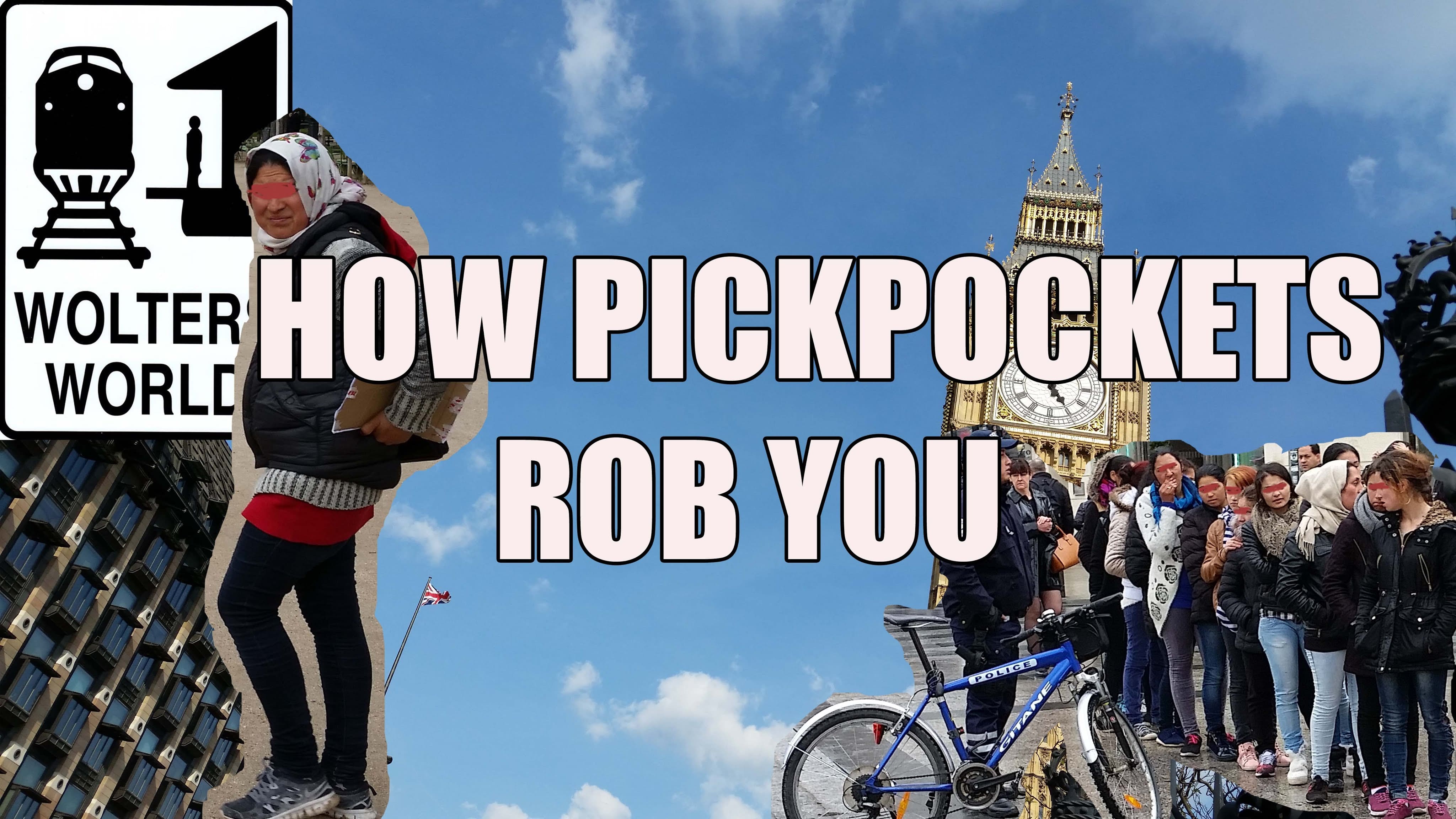
Watch: 13 Ways Pickpockets Rob You!


#9 European Tour Groups Will Run You Over


The European tour groups are everywhere and they will run you over. If you see a tour group coming, get out of the way as they will not stop! Keep your kids close so they aren’t swept away in the crowd. I’ve been run over in Versailles, and my kids were pushed aside for a photo opp at the Vatican. It’s best to get way ahead of a European tour group, or just step aside and let them pass by.


#10 Summer Eurofunk on Public Transport


In the summer, you might experience the Eurofunk, or a peculiar smell, especially on public transportation. In Europe, people do bathe, but just like on Chicago’s CTA in the summer, be prepared for some funky smells in close quarters. All you can do is make sure you are clean and using deodorant so you’re not adding to the problem. After spending many summers in Europe, I can verify this is a real thing!


These are my top ten things that are not overrated about coming to Europe. Check out some of our other Europe videos:

  • Ten Things That Will Shock You About Europe
  • Five Things You’ll Love & Hate About Europe 
  • Most Overrated Things About Traveling Europe

The Most Common Pickpocket Techniques Used to Rob Tourists

Posted on September 1, 2018May 9, 2019 by admin

Thirteen Pickpocket Techniques to Avoid While Traveling

Greetings from London, England! While we’re having a great time here in England, we know that some tourists have a bad time thanks to pickpockets. So, today I want to share with you some of the common ruses used by pickpockets throughout Europe.

Pickpocket Technique #1 Entering or Exiting Public Transportation


A favorite spot for pickpockets to hang out is at the entry and exit of a train or bus so they can quickly exit. They might have their hand on your pocket or in your purse, but by the time you realize it, they’ve exited and the doors are closed. So, if you are standing near doors or exits on public transit, pay extra attention to your surroundings and belongings. Even more so when it’s crowded as lots of people can equal lots of confusion.


Pickpocket Technique #2 Crowding or Grouping


In this instance, you might see four or five individuals gathering around one tourist and then one of them will pickpocket the tourist. This actually happened to me on the metro in Lisbon, where five guys crowded me and tried to rob me. Sometimes the train is just crowded, but you can tell the difference if you are being crowded and singled out vs just being in a packed car. This also applied to a crowded platform, not just on the train.


Pickpocket Technique #3 Metro Turnstiles


When you’re going through the turnstiles to get into the subway system in places like Paris, you might see someone try to sneak in behind you as though they are just trying to get a free ride. But what they’re actually doing is trying to snatch your wallet as you rush through the turnstile with them right behind you. This happened to my dad in Paris, but luckily the police were right there and the girls who did it dropped my dad’s belongings.


Pickpocket Technique #4 Bag Slashing


If you have a purse or a backpack, you have to watch out for thieves who might slash your bag. They might cut the bottom open or a slit in the side to get access to your valuables inside the bag. In Rome, my friend’s mom had seven different slash marks where pickpockets had tried to gain access to the inside. Fortunately, she had a metal wire through her bag because she already knew about the pickpockets.


Pickpocket Technique #5 Ticket Kiosks


Another place to be hyper-aware of pickpockets is at ticket kiosks. Often, a “helpful” local will offer to help you figure out the transit system. This is a ruse to distract you while they, or a friend, reaches around in your bag while you are paying attention to the ticket kiosk.


The Most Popular Places for Pickpockets to Work


Pickpocket Technique #6 Street Bump


I see this one in Barcelona a lot. Someone might bump into you in the street and apologize, while at the same time lifting your wallet before disappearing into the crowd. So, anytime someone bumps into you, do a quick wallet check to make sure you haven’t been robbed.


Pickpocket Technique #7 The Mustard Scam


There’s a couple variations on this one. Someone might be eating a hot dog and “accidentally” get some mustard on you. When they offer to help clean it off, you might take off your bag to let them clean your jacket and before you know it, they are gone with your bag.

Pickpocket Technique #8 Bird Poop Scam


Similar to mustard, but they might point out some bird poop on your shirt. It’s not generally the person who spilled on you or pointed the poop out to you; they are usually working with another partner who you won’t even notice.


Pickpocket Technique #9 The Over-Helpful Tourist


Similar to thieves offering to help you at the subway kiosks, this might be other tourists who offer you directions. They might seem helpful, but the whole time they are sizing you up. Just be aware if you find overly friendly people, especially anyone wanting to help you with your bags. Don’t accept help with your bags, especially when you’re putting them in a locker at a train station as they can switch the keys or check out your ticket number.


Pickpocket Technique #10 ATM


In France, there’s always someone sitting by the ATM so they can beg for money. Anytime you are feeling uncomfortable at an ATM, see if you can find a bank that has an indoor ATM. Generally, you’ll be safe but the ATM is a particularly vulnerable place because if a thief is watching, they know you have cash and they might even see what your PIN is. Make sure you look around and pay attention behind you while you’re at the machine. Likewise, if you are shopping and have to enter a PIN, make sure nobody is watching from behind to capture your PIN.


9 Reasons Why You Got Robbed While Traveling


Pickpocket Technique #11 Sign a Petition


I’ve seen this often in Spain and France. Someone will approach you on the street and ask you to sign a petition. For starters, you’re not a local, so your input on a petition would be useless. No matter what they say it’s for, just say “no thank you” and keep walking. I’ve actually seen someone use a fake arm to hold the petition while their actual arm slips underneath to pick your pocket. Even if they try to guilt you into falling for their cause, just keep moving.


Pickpocket Technique #12 Watching Street Performers


Another common place to have your pockets picked is while watching street performers. The street performer may not be involved in the scam at all, but while you are distracted by the performance, you become an easy target for the pickpockets.


Pickpocket Technique #13 Cafes and Restaurants


Another common place to be robbed is when you are out eating at a cafe and have placed your bag or purse on the back of your chair. This makes it easy for someone to grab the bag and take off. Also, when you are leaving and gathering your belongings, putting your coat on, don’t leave your phone sitting on the table or bar.


The biggest takeaway from all of these different scams is that you need to be vigilant all the time. This doesn’t mean you have to be paranoid, or fearful, just hyper-aware of your surroundings. Check out some of our other videos on this topic:


  • Nine Reasons You Got Robbed While Traveling
  • Where do Pickpockets Work?
  • Honest Travel Safety Advice


A Few Additional Tips for How to Avoid Pickpockets:


  • Put your wallet in your front pocket
  • Use the hotel safe for your passport and extra cash.
  • Remember, the more popular the tourist site, the more pickpockets that will be around.
  • If you get scared, don’t be afraid to speak to the police. Do report stolen bags and wallets to the police. You will need a copy of the police report if you want to file an insurance claim. We found English and Italian police very friendly and helpful when filing reports.


10 Best Cheap Cities to Visit in Europe

Posted on August 29, 2018May 9, 2019 by admin

Europe Travel Tips: Ten Best Cheap Europe Destinations

Greetings from Krakow, Poland! A lot of people have asked me which are the cheapest countries to visit in Europe. Of course, there are many cheap Europe destinations, so I’m focusing on the European cities that I really enjoy and the ones I think give you the most bang for your buck. I’m taking into consideration cultural attractions, such as museums, outdoor activities, the cost of eating and hotels. I’m also considering how easy it is to reach these destinations. Most of these cities are served by low-cost airlines so you can travel to Europe cheap. So, today I’m giving you ten of my favorite cheap cities to visit in Europe, in no particular order.

Cheap Europe Destination #1: Krakow, Poland


Krakow is a beautiful, UNESCO World Heritage city. There’s a great town square with St Mary’s church, which is free to enter. There’s the blue altar, cathedrals, a castle, and Krakow also has a DaVinci. An important day trip from Krakow is the trip to Auschwitz and Birkenau, a very moving experience to see the Nazi concentration camps.


What to Eat in Poland: Pierogis are little dumplings stuffed with cabbage, meat, fruit or cheese.


Watch: Ten Things That Will Shock You About Krakow, Poland


Cheap Europe Destination #2: Lisbon, Portugal


Lisbon is a great city and is also a hub for low-cost carriers from all over Europe and the U.S. It’s very affordable to eat and drink in Lisbon. There are affordable accommodations; I recommend trying apartment stays. Lisbon has some excellent museums and easy access to the beaches. As you walk around Lisbon, you’ll notice lots of the Portuguese blue tiles, Azulejos. Portugal is a great laid-back destination with great prices for budget travelers.


What to Eat in Lisbon: Porco preto, or black pork, is my personal favorite. Sardines are also popular in Lisbon.


Watch: Five Things You Will Love & Hate About Lisbon


Cheap Europe Destination #3: Valencia, Spain


Valencia is an excellent budget destination. We have stayed at some really nice hotels in Valencia for a fraction of what you’d pay in Barcelona, and with a fraction of the tourists. Cool things to see in Valencia include the City of Art and Sciences, a futuristic building where a Dr Who episode was filmed. Valencia has an oceanarium, a science museum, and really cool art deco architecture. Weekdays in the low season can really feel like a budget destination, though, as they don’t bother turning on the lights for everything when it’s slow!


What to Eat in Valencia: Tapas are little savory treats you can eat, or try the pinchos


Watch: What You Should Know Before You Visit Spain


Cheap Europe Destination #4: Tallinn, Estonia


I worked in the Baltics for a number of years, and I always loved when we had a project in Tallinn. I think it’s the prettiest city in the Baltics and there are so many historic buildings like the cathedral, the castle and the Town Hall. You’ll see a lot of Finnish tourists in Tallinn because it’s a very cheap destination from Scandinavia. Of all the cities in the Baltics, Tallinn is probably the most expensive, but it’s still a great value compared to other cities in Europe.


What to Eat in Tallinn: The brown bread, or rye bread, comes with everything.


Watch: What You Should Know Before You Visit Estonia


Cheap Europe Destination #5: Riga, Latvia

Riga is a fun “Las Vegas” style city, with gambling and looser laws, but you also have some really cool stuff to see. Things to see in Riga include several churches and the Occupation Museum.


What to Eat in Riga: Get the cabbage rolls, even better if someone’s grandma can make them for you!


Watch: Five Things You Will Love & Hate About East Europe

Cheap Europe Destination #6: Prague, Czech Republic


Prague isn’t as cheap as it used to be, however it’s still a great “bang for your buck” city. Walking along Charles Bridge, admiring the statues, visiting Castle Hill and the cathedral. Prague has what might be the prettiest square in Europe, and the famous Astronomical Clock. The Jewish Quarter of Prague is also an interesting place to visit. Prague is such a great city, and of course I can’t forget to mention the beer and eating duck.


What to Eat in Prague: Along with great beer, be sure to try duck and dumplings in Prague


Watch: Top Ten Sites in Prague, Czech Republic


Cheap Europe Destination #7: Budapest, Hungary


A bit further down the Danube is Budapest, Hungary. Budapest probably has the coolest parliament anywhere in the world. You can visit the Buda castle on the other side of the river and walk around the amazing, immense buildings of the city. Budapest has many major monuments and museums, including the terror museum, Hero Square, and St. Stephen’s Hand. Eating on the cheap is easy in Budapest, just grab some goulash.


What to Eat in Budapest: Of course, goulash is the traditional Hungarian food.


Watch: Five Things You Will Love & Hate About Budapest, Hungary


Cheap Europe Destination #8: Athens, Greece


There are many more interesting places to visit in Greece, but for consistently cheap flights, Athens is your best bet. One of the most quintessential “wow” moments in travel happens when you see the Acropolis hill and the Parthenon for the first time. That “wow” view is free, too, although you will have to pay to go up the hill. Athens has a ton of interesting museums, like the new Acropolis Museum, or the National Museum.


What to Eat in Athens: Greek food, obviously! Lamb, or dolmades, which is rice and meat wrapped in a grape leaf. Greek food has lot of olive oil and lots of wine alongside!


Watch: Five Things You Will Love & Hate About Visiting Athens, Greece


Cheap Europe Destination #9: Porto, Portugal


Circling back to Portugal again! Porto is another hub for low-cost carriers and has a lot of bars and restaurants in the River District. You can eat very well and very cheap in Porto. You definitely want to visit the port wine caves in Porto and do a port wine tasting, some of which are free. The train station covered in blue Portugal tiles is just gorgeous.


Watch: Top Sites in Porto, Portugal


Cheap Europe Destination #10: Dubrovnik, Croatia


In Dubrovnik, you can walk along the city walls, which is really amazing. The stone buildings look like they are straight out of a TV show, which is probably why they filmed Game of Thrones here. Dubrovnik has a really cool, otherworldly feel to it, and it’s still pretty affordable. Dubrovnik has great seafood, some interesting monasteries you can see, and boat tours to nearby islands.


Watch: Ten Things That Will Shock You About Croatia


So, there you have it. My ten favorite cheap cities in Europe to visit. Not all of them are super cheap, but your dollar will go farther in these places than in other European cities. I consistently return to these places because of their great value, good food, and many things to do.


For more budget travel tips, check out: Budget Travel Tips to Save Real Money While Traveling

17 Things You Have to Know about All-Inclusive Hotels & Resorts Before You Book!

Posted on August 28, 2018May 9, 2019 by admin

All-Inclusive Resorts: What You Need To Know Before You Go

Greetings from the Moon Palace Golf & Spa Resort in Cancun, Mexico! There’s tons of All-Inclusive resorts in Cancun, and they’re becoming more and more popular around the world. For first-timers, there are some rules and tips that are helpful to know before you stay at an all-inclusive resort. After our first visit, I’ve pulled together 17 tips for your first visit to an all-inclusive. They are a good value and can be lots of fun, even if it’s different from how we usually travel.

All-Inclusive Resort Tip #1: Research Your Destination & Resort


Many All-Inclusive resorts are tailored to specific groups. Some may be geared towards singles, or families, adults-only, or senior citizens. There’s all kinds of All-Inclusives out there, so do your research beforehand to see what the resort has on offer. I enjoy All-Inclusive resort with cultural excursions like Chichen Itza near Cancun. Make sure you read the online reviews and make sure you know the best time of year to visit. Don’t show up in Cancun with your children and be shocked by the crazy Spring Break crowds.


All-Inclusive Resort Tip #2: All-Inclusive Does Not Always Include Everything


A true All-Inclusive will include breakfast, lunch, dinner and drinks, plus airport transportation and more. When you are researching the resort, check to see what’s included – is it “full pension” or is it just dinner or lunch that’s included? A lot of time spa treatments, golf outings or local tours will cost extra. Beer, wine and cocktails are usually included in the all-inclusive rate.


All-Inclusive Resort Tip #3: Do Not Lose Your Wristband


You need this wristband for everything. It gets you into the restaurants and the bars at the resorts. You can incur some pretty hefty fines if you lose the resort wristband, with some resorts charging from $75-$100 per day. A lot of resorts will require you to return the wristband when you check out as well.


All-Inclusive Resort Tip #4: Don’t Be Afraid to Ask Questions


Service at All-Inclusive resorts is usually pretty good, so don’t be afraid to ask questions if you’re not sure how something works. From the concierge to the cleaning staff, the hotel staff is usually very friendly. When you check in, have them go through the basics of how the resort works – when you can eat, where can we go, how do we get drinks, etc.


All-Inclusive Resort Tip #5: Expect Bland Food


At our All-Inclusive resort in Cancun, there’s American food, Asian food and lots of options, but no Mexican food! They tend to make everything bland – the bigger the resort, the blander the food. A lot of times, you can ask the waiter for the local specialty, but it’s not always on the menu.


All-Inclusive Resort Tip #6: Tipping at an All-Inclusive


Tipping is not always included at your all-inclusive resort, so you have to ask. On many all-inclusive cruises, tipping is additional, however at this Cancun resort, the staff won’t accept tips. So, tipping at an all-inclusive will vary from resort to resort.

All-Inclusive Resort Tip #7: No Cash Needed


Your wristband will cover any charges or fees you incur. You need to know your room number, and always have your wristband, and you won’t need cash at all during your stay. If you do need to buy anything at the gift shops, you can either put it against your room credit, or charge it to your credit card. (Always know your PIN in case it’s required)


All-Inclusive Resort Tip #8: Take Note of Operating Hours


All-Inclusive does not mean “always open.” Be sure you know the hours for the swimming pools, the spa, the gym and the restaurants.


10 Things That SHOCK Travelers About All Inclusive Resorts


All-Inclusive Resort Tip #9: A Lot of People Will Pass Through Your Room


Expect a lot of staff to be passing through and attending to your room. People will be dropping off food, picking up food, towel service, housekeeping and turndown service. It’s a good idea to secure your valuables. Also, always have a robe handy to throw on in case the staff stops by your room.


All-Inclusive Resort Tip #10: Be Aware of Sectioning


Your wristband color may entitle you to different levels of activity or service. The resort may try to upgrade you to a VIP package, which would have a different wristband color. So, even though it’s an all-inclusive resort, there may be restaurants you can’t dine in with your level of wristband. On the same note, some of the nicer restaurants or bars at the resort may have dress codes. Don’t plan to wear your swim attire everywhere. I recommend bringing at least one nice outfit for dinner.


All-Inclusive Resort Tip #11: Get to Know Local Traditions & Culture


In order to learn about local culture and traditions, talk to the staff at your All-Inclusive resort. Most of the guests will be international tourists, so to get the inside scoop, talk to the locals who who at your resort.


All-Inclusive Resort Tip #12: Pack Basic Needs or Prepare to Overpay


Basic health and beauty supplies are way overpriced at all-inclusive resorts. A simple $4 bottle of sunblock can cost as much as $27 at the resort shop. You won’t have access to nearby convenience stores, so just pack all your basics like aspirin and sunscreen. Buying just a few supplies at the resort can add up to more than the cost of a checked bag, so consider that when you are packing for your all-inclusive vacation.


All-Inclusive Resort Tip #13: You Don’t Have to Eat & Drink it All


Just because it’s all-inclusive doesn’t mean you have to drink the bar dry, or clean out the buffet. You’ll feel miserable afterwards, so it’s best to drink and eat responsibly. Don’t ruin your vacation by overindulging!


All-Inclusive Resort Tip #14: You Get What You Pay For


Not all all-inclusive resorts are the same. If you go for a cheap all-inclusive resort, you’re liable to get poor service, watered-down drinks. If you pay a little more for a nicer all-inclusive, it will show in the quality of service, food and activities.


All-Inclusive Resort Tip #15: Arrange your Arrival & Departure Connections


A lot of all-inclusive resorts offer airport connections, but make sure you make reservations for the shuttles ahead of time. When you make your resort reservation, ask them how airport transportation works. Don’t expect to show up at the airport and summon someone.


All-Inclusive Resort Tip #16: Bring a Copy of Your Reservation Confirmation


Both when checking in and checking, have a copy of your reservation which shows your final price plus inclusions or upgrades, in case there are any questions.


All-Inclusive Resort Tip #17: Bring Sunblock and Bug Spray


Just to reiterate tip #12: prices for these sundries are insane! Don’t forget to bring them with you, or be prepared to pay exorbitant amounts at the resort gift shop.


All-Inclusive resorts are great fun for the whole family, and great for a multigenerational trip. I hope these tips help you enjoy your all-inclusive vacation! Check out some of our other helpful travel videos:


  • Five Things You’ll Love & Hate About All-Inclusive Resorts
  • Five Things You’ll Love & Hate About Visiting Mexico

Eight World Travel Tips Every 20-Something Should Know

Posted on August 27, 2018May 9, 2019 by admin

Eight World Travel Tips Every 20-Something Should Know

Today I’m sharing tips and advice for 20-somethings who want to travel. There are a lot of blogs out there about traveling in your twenties, or why you should travel in your twenties. What I’ve found is that most of those blogs are written by 21 or 22-year-olds who have only touched the tip of the iceberg in traveling in their 20’s. They still have almost a full decade of their ahead of them to learn about travel. I spent my entire twenties traveling and living around the world, and survived to tell the stories! With that experience, I want to share my advice for 20-somethings about to embark on world travel.

World Travel Tip #1: Just Go Travel!


You will most like never have freedom and time like this again. Once you reach your 30’s, more things are competing for your time and money. Our family is proof that you don’t have to give up traveling when you get older and have kids, but your priorities certainly shift.


World Travel Tip #2: Travel on the Cheap


In order to travel so much in your 20’s, you’ll need to travel on the cheap. There are lots of great discounts out there for people under 30. Many places offer student discounts, and don’t forget the “Parents travel with you” discount! Spend a little extra time digging up those good airline deals. Take advantage of staying in hostels, which can cost a fraction of the price of a hotel room. Budget travel can also dictate your destinations. Seek out more affordable destinations with a good exchange rate. In Europe, countries like Portugal or Spain are much more budget friendly than countries like Sweden and Norway. SouthEast Asia and South America are generally much more affordable than Europe.


World Travel Tip #3: Do the Adventure Travel


Your 20’s is a great time to enjoy high-adrenaline adventure travel, like mountain climbing, spelunking, kayaking and canyoneering. As you get older, it takes longer to recover from these adventures, so take advantage of your youth!


World Travel Tip #4: Don’t Trust the Internet More Than People Who Have Actually Visited the Destination


If you can, talk to people who have traveled to the places you plan to visit. If you have friends who studied abroad, talk to them. If you know people from the country you’re going to, talk to them for first-hand experience. A first-hand account of a destination is so much more valuable than a website or a guidebook that tells you what to see. This is why I make our videos on location; to show that we actually do spend time in the places I write about. Online, there are blogs written by people who have never visited the city or country that they are writing about! Guidebooks are infamous for just rehashing what another guidebook says. This summer in Brazil, three different guidebooks told me of a 30-minute train ride, which in reality was one hour. Also, when you meet other travelers, ask them for their experience. They might steer you off the beaten path to something much more interesting than the typical tourist trap.


5 Love & Hates of Backpacking Europe


World Travel Tip #5: Traveling With Your Friends is Not Always Fun


When traveling with friends, realize that you each have different objectives and interests when it comes to travel. Sometimes, this can lead to conflicts and arguments. Talk to your friends ahead of time to see who might have the same travel style as you. Communicate and be up front about what you want from your trip. Schedule some time apart during your trip. A lot of travel conflicts arise from money, when your friends don’t all have the same budget.


World Travel Tip #6: You Don’t Have to Travel With Your Friends


One of the best things I’ve ever done in my life is traveling in my 20’s all by myself. Traveling solo allowed me to make new friends that I stay in touch with years later. I’m here in Italy staying with one of the best friends I’ve ever made while traveling. We met floating down a river in Brazil. If I had been traveling with friends, I might not have talked to him and would have missed out on a great friendship.

World Travel Tip #7: Make Your Vacation Time Count


Often in your twenties, you don’t have a lot of vacation time at your job. In the U.S., we might start a new career with one week to ten days of paid vacation time. With limited vacation time, you’ve got to make it count. Decline all those destination wedding invitations and send a nice gift instead. They’ll get over it! Save up your vacation time to go someplace you want to go. Don’t let other people dictate how you spend your precious vacation time.


World Tip #8: Don’t Be Scared to Overdo the Traveling


If ever there is a time to see twenty countries in thirty days, now is the time! When you’re young, you can cram a lot into one day – from seeing all the sights, partying all night, then getting up and moving on to the next destination. I did that for ten years, and now I can slow down and return to the places I really enjoyed. You can learn a lot on a whirlwind trip about what you like and don’t like in certain cities or countries. Then later in life, when you have more time and money, you’ve already got destinations you like and want to share with your family.


Traveling at any age is fantastic, so if you haven’t started already, use these tips to get going! If you want some more travel videos, check out some of our best:

  • Ten Things That Will Shock You About Venice
  • Five Things You’ll Love & Hate About Germany
  • Budget Travel Tips to Save Real Money While Traveling

Amazing Austrian Travel Tips: What Tourists Should Know Before They Visit Austria

Posted on August 25, 2018May 9, 2019 by admin

Austria Travel Tips: Facts About Austria That You Should Know Before You Visit

Greetings from the Schönbrunn Palace in Vienna, Austria! Austria is a beautiful country that I highly recommend for travelers. Today, I’m sharing some of the big differences between Austria and the U.S. for travelers. From the money in Austria, typical Austrian food to tipping in Austria, these are the facts about Austria that you need to know!

Austria Travel Tip #1: Language in Austria


German is the official language of Austria, and they speak German with an Austrian accent. A lot of people in Austria also speak English, so you won’t have any trouble getting around if you don’t know German. However, it’s always helpful to learn a few key German phrases before your trip, which will improve your interactions with the locals.


A few basic German phrases to know before you visit Austria:

  • Please = Bitte
  • Thank You = Danke
  • Yes = Ja
  • No = Nein
  • I Want = Ich Will
  • Where is? = Wo ist?
  • Toilet = WC


Tip for Austrians visiting the U.S: Nobody speaks German in the States, you’ll need to know some English to get by.


Austria Travel Tip #2: Money in Austria


In Austria, the currency is the Euro, which comes in several bills from 500 Euros to 5 Euros. Unlike the US, the Euro coins actually have value. The 2 Euro coin is worth more than $2, so keep track of them.


You can use your credit card most places in Austria, but cash is still king, so you want to make sure you’re always carrying some Euros in Austria. When you withdraw cash in Austria at the ATM, try to get some smaller bills that are easier to spend.


Tip for Austrians visiting the U.S: The currency in the US is the dollar, and the bills are all green. You can use a credit card almost everywhere in the U.S. and many places won’t accept large bills of $50 or $100. 


Austria Travel Tip #3: Electrical Plugs


The electrical plugs in Austria are the same as elsewhere in Europe, with two round plugs. All you need is an adapter to fit your U.S. plugs into the wall. You don’t need a converter to charge your electronics in Austria, as most laptops and phones have a built-in voltage converter. Don’t bother with small electronics like hair dryers or shavers as the voltage difference will ruin them. It’s easier to buy a cheap one when you arrive.


Austria Travel Tip #4: Eating Out in Austria


Dinner time in Austria is about the same as in the U.S., with busy hours from 5:30 until 7:30. Also like the U.S., Austria has very large portion sizes. Traditional Austrian food includes Wienerschnitzel, lots of pork, streudels, and cakes. Both Austria and the U.S. are melting pot cultures, so you’ll find many international cuisines to try. Austria once owned part of Italy, so you’ll find great Italian food in Austria. Same with Hungary, so there’s good goulash in Austria. Tipping in Austria should be around 10% of your bill.


Watch: Tipping in Austria


Tip for Austrians visiting the U.S: Tipping in the U.S. is around 15-20%.


Austria Travel Tip #5: Service in Austria


Service isn’t great in Austria. The service in Austria is professional, but if you are looking for extra help, or expecting someone to stop by every once in a while, it doesn’t happen. The service is efficient, but not very friendly.


Tip for Austrians visiting the U.S: Service is very attentive since they rely on tips for income.


Austria Travel Tip #6: Transportation in Austria


Austria has great public transportation. The buses and trains go everywhere, even in the smaller towns. You really don’t need to rent a car in Austria, but if you want to explore at your own pace or drive through the mountains, I recommend it.


Tip for Austrians visiting the U.S:  Public transportation in the U.S. isn’t great. To really see the country, you’ll need to rent a car.


Austria Travel Tip #7: Bathrooms in Austria


The bathrooms in Austria are usually free, unless you are at a train station, where you’ll need some coins to enter the toilet. The public toilets in Austria are also very private, unlike the U.S. which often have cracks in the doors, or broken latches.


Tip for Austrians visiting the U.S:  Bathrooms are free everywhere you go.


Additional Austria Travel Tips & Resources


Austria is a fantastic place to visit! For more Austria travel tips, check out some of our other travel videos:


  • Top Ten Towns in Austria
  • Five Things You’ll Love & Hate About Austria
  • Top Ten Sights in Vienna, Austria 
  • Top Ten Sights in Salzburg, Austria

What to Know about Visiting Peru for Travelers

Posted on August 25, 2018May 9, 2019 by admin

Peru Travel Tips: Facts About Peru That You Should Know Before You Visit

Greetings from Arequipa, Peru! From the Amazon rainforest to the north, to the desert and the mountains, there are so many places to visit in Peru beyond Lima, Cusco and Machu Picchu. Of course, Lima, Cusco and Machu Picchu are all wonderful places to visit in Peru, too. Even when you look at Peruvian history, you think of the Incas, but they were only around for a couple of hundred years. There are so many other Pre-Colombian civilizations in Peru’s history that you can learn about.

Peru Travel Tip #1: Money in Peru


The money in Peru is the sol, or soles. Sometimes you’ll hear it called the Nuevo Sol, but just Sol is fine. The paper bills come in 200, 100, 50, 20 and 10 Soles. The coins come in 5, 2, 1 and 0.50 Soles. (There are more coins, but you probably won’t come across them in your travels.)


When it’s time to get cash in Peru, you’ll see a lot of people changing money in the streets. In Lima, you’ll see guys in maroon jackets out in front of the banks where you can exchange your money. The locals use this method a lot, and you can as well, however you will also find ATM’s around Peru where you can withdraw money. The ATM’s charge a pretty hefty fee, however, about $5, and they also put a limit on the amount you can withdraw. This means you have to withdraw more often, paying ATM fees more often.


Peru Travel Tip #2: Tipping in Peru


While many places in Peru will accept dollars or soles, it’s recommended that you tip in soles. Tipping in Peru is around 10% in a restaurant. For tours in Peru, you might tip 10-15 soles for a one to three-hour tour, or 20 soles for a full-day tour.


Watch: Tipping in Peru


Peru Travel Tip #3: Inca Trail Reservations


If you are planning to hike the Inca Trail during the U.S. summer months of June, July or August, you need to make your Inca Trail reservations four to six months in advance. If you are coming in the winter, it’s not as hard to get a spot.


The Don’ts of Visiting Peru


Peru Travel Tip #4: Language in Peru           


Spanish is the official language of Peru. Quechua is another official language of Peru. Not many people in Peru speak English, outside of the tourism industry. It will make your travels much easier if you learn a few Spanish phrases before your visit. A few simple examples:


  • Hello = Hola
  • Yes = Si
  • No = No
  • Please = Por Favor
  • Thank You = Gracias


Peru Travel Tip #5: Safety in Peru


Overall, I feel very safe in Peru, especially when compared to other South American countries. Of course, there are pickpockets like any heavily touristy area. However, there are a couple of real dangers to consider when you visit Peru. The high altitude of Peru makes the UV rays much stronger, so having good sunblock (and a hat) is imperative. The second danger is also due to the altitude: altitude sickness. Many destinations in Peru are at a high altitude, including Cusco at 11,000 feet (3300m.) You might experience dizziness, headaches, and vomiting. Altitude sickness can be bad enough to require a hospital visit! As soon as you start to experience altitude sickness, go to a pharmacy, tell them you have “mal de altura.” Altitude sickness in Peru is so common that some hotels even keep oxygen on hand for guests.            `


Watch: How to Deal With Altitude Sickness in Peru


Peru Travel Tip #6: Toilets in Peru


The biggest thing to know about toilets in Peru is that most of them can’t handle toilet paper. Most of the time, you will put your used toilet paper in the waste-bin next to the toilet. Combined with travel tummy issues that many people get, this can be a bit gross, so just know going in that you shouldn’t flush your toilet paper in Peru.

Peru Travel Tip #7: Food in Peru


Peru has some amazing food! Now that I’ve been traveling in Peru for a few weeks, I understand why Peruvian restaurants are becoming so popular around the world. There are some unique Peruvian foods you might want to try. Cuy, or guinea pig, might be served whole, spread-eagle on the plate, or cut up and fried. My kids loved alpaca steaks; the five-year-old ate a whole steak and asked for more. Ceviche is really popular in Peru, and you’ll often see it served as a starter dish. Beef in Peru is really good, as is the seafood. The Pisco Sour is a famous Peruvian cocktail, and Inca Kola is a must for the kids. It looks like pee, but it tastes like bubble gum and Sprite. Also, do not drink the tap water in Peru.


Peru Travel Tip #8: Getting Around Peru


Peru is a vast country, with diverse landscapes. If you want to see a lot of it, you will most likely fly from region to region. Most of the flights from Lima are only about an hour, so it’s pretty easy to get around Peru by airplane. If you are visiting Peru with kids, the airports may have special lanes for families with small children. There are many travel agencies in Peru that will help you arrange your trips. Tourism is only second to mining in Peru, so the tourism industry is really well developed. Just beware, flights to see the Nazca lines have been known to make a few tourists sick to their stomachs.


When you aren’t flying in Peru, you’ll take buses to get around. The roads can be bumpy and uncomfortable. There are different levels of bus service in Peru, and you get what you pay for. If you want comfort, you will pay more for it.


In the larger cities of Peru, everybody is or knows a taxi driver. When you take a taxi in Peru, you want to negotiate the price before you get in the car. You don’t have to tip the taxi drivers, just agree to the amount up front. If you prefer, your hotel can arrange a taxi for you. Traffic in Peru is insane, so if you are walking around, you really have to pay attention to not get hit.


Peru Travel Tip #10: Best Time to Visit Peru


You are probably wondering when is the best time to visit Peru. The dry season is April through October, and peak tourist season is July and August. Rainy season in Peru is November through March, but it can vary. On our December visit, we experienced very little rain. Plus, pisco and Peruvian food make you not mind the rain! Rainy season can be a misnomer in some areas, but expect a lot of rain in the rainforests. No matter when you visit Peru, be prepared for rain with a jacket or poncho!


Peru Travel Tip #10: Staying Connected in Peru


All of our hotels in Peru had WiFi and we found WiFi at cafes in tourist spots, too. When you need to charge your devices, most hotels offer a European plug and a U.S. plug, so you won’t need an adapter if you stay in modern hotels. The voltage, though, is 220, so you will need a converter if it isn’t already built into your electronics. (Brazilian or UK plugs don’t work in Peru, so you’ll need an adapter for those.)


Per Travel Tip #11: What to Wear in Peru


Temperatures in Peru range from mildly cold to very hot, so the best thing you can do is watch the forecast before your trip. When deciding what to wear in Peru, the most important thing to pack is a good pair of walking shoes or hiking boots. The other thing to pack for Peru is a hat to shade you from the sun.


Additional Peru Travel Tips & Resources


These tips should be a good start to prepare you for your trip to Peru! For more Peru travel tips, check out some of our other travel videos:

  • Ten Things That Will Shock You About Peru
  • Five Tips for Getting More Out of Arequipa
  • The Don’ts of Visiting Peru


12 Things Tourists Need to Know Before They Visit China

Posted on August 24, 2018May 9, 2019 by admin

China Travel Tips: Facts About China That You Should Know Before You Visit


Greetings from the Temple of Heaven in Beijing, China! After traveling through China for five weeks, there are a few China travel tips I wish I would have known before I visited. So today I’m sharing with you the things you should know before you come to China.

China Travel Tip #1: Water in China


Do not drink the tap water, and that goes for the ice as well, as the water in China is not good for travelers. When you go to a restaurant, they will often boil the water for you, and it will be served to you still hot. Drink this, or ask for bottled water.


China Travel Tip #2: Tipping in China


Tipping in China is not required or expected. The only people you should tip in China are your tour guides and the bus driver on your tour. However, tipping in restaurants or taxis is not part of the Chinese culture.


China Travel Tip #3: Taxis in China


You’ll probably take a lot of taxis in China, especially in the larger cities, but make sure you are using the official metered taxis. There are black cabs, or black taxis, which aren’t safe for tourists, as they might take you somewhere you don’t want to go, or just scam you on a higher fare.


10 Things That SHOCK Tourists about China


China Travel Tip #4: Time Zone     


There is only one time zone in all of China, and it’s Beijing time. Even though China is larger than the US, which has four time zones, there are no different time zones within China.


China Travel Tip #5: Electrical Plugs


China has their own electrical plug, which looks like an upside-down “V” but in pretty much all of the hotels, there will be an additional outlet that accepts European or U.S. plugs. If you’re going into smaller villages, you might need to bring an adapter/converter, but if you are staying in modern hotels, you won’t need anything special to charge your electronics.


China Travel Tip #6: Air Pollution


Especially in Beijing and Shanghai, the air pollution can be so bad that advisories are issued for children and elderly to stay indoors. Air pollution in China is a serious issue, and you should bring a mask along for those days. Spend the money on a good face mask and it will be worth it, especially if you have asthma or any kind of breathing problems. The U.S. embassy website has a section that tells you each day if it’s safe to go outside. If you’re visiting China with kids, you will probably struggle to get them to wear their masks. Let them get used to wearing it before the trip, or try to make it fun for them.


China Travel Tip #7: Money in China


When it comes to spending money in China, Cash is king. Most sellers prefer you to pay in cash. ATM’s are widely available in big cities, but you can only exchange money at a bank or at your hotel. If you are visiting smaller villages, you might not find as many ATM’s, so stock up on cash when you can. The Chinese currency is the Yuan, and you want to try and get smaller denominations when possible.

China Travel Tip #8: Language in China


Obviously, Chinese is the official language in China. Unlike many other tourist destinations, there is very little English spoken in China. It can be very helpful to learn a few basic Chinese words before your trip. Even at the hotels, you won’t always have someone who speaks English. The hotel might say they have someone who speaks English, but that person may not always be there. A common travel tip is to have your hotel write things down for you to hand to taxi drivers, but that doesn’t always work in China. Likewise, eating out in China can be an adventure as you won’t always have menus available in English.


Check out our video of Basic Mandarin Phrases to get started!


5 Things That Tourists Love & Hate about Shanghai


China Travel Tip #9: Hong Kong Travel


Going to Hong Kong from mainland China means border checks and multiple entry visas. You’ll need either a double entry visa or a multiple entry visa to China if you plan to visit Hong Kong and return to China during your trip. This is fairly easy to do when you apply for your Chinese visa.


China Travel Tip #10: Taboo Topics


There are some topics that are taboo in China. Don’t talk about Tiananmen Square, Tibet, Taiwan, Internet Censorship or Human Rights. In China, these are very sensitive topics and not open for discussion with foreign travelers.


China Travel Tip #11: Shopping in China


In China, you bargain for souvenirs. When you are shopping in China, the first price the shopkeeper tells you is not the end price. It’s the starting price for negotiation, and you’ll likely pay about 50% of that original price. However, supermarkets and restaurants have set prices, so you’ll get a break from bargaining in those locations.


China Travel Tip #12: Toilets in China


Toilets in China are just holes in the ground, and little kids just poop and pee wherever they want. You’ll get used to squatting when using the restroom in China, and toilet paper does not come in the stalls. Sometimes it’s on the wall outside the stall, but it’s always a good idea to carry your own toilet paper in China. Also, the toilets in China can be a step up or a step down, so watch your step when entering a stall.


Check out our video on Chinese toilets for more info!


Additional China Travel Tips & Resources


These 12 tips should be a good start to prepare you for your trip to China! For more China travel tips, check out some of our other travel videos:

  • Five Things You’ll Love & Hate About Visiting China
  • Top Ten Places in Beijing
  • Visiting China with Kids

A Few Ways That France & French Speaking Canada Are Different

Posted on August 23, 2018May 9, 2019 by admin

Quebec vs France: Differences in French Vocabulary


Greetings from Quebec City in Quebec, Canada. Today we’re sharing some of the differences between French Canadian vs French French. We’ll take a look at the main differences and similarities between the French spoken in the two countries. In Quebec, the people and culture do feel more European than North American, even the architecture feels European, but there are still some big differences between the two.

Canadian French vs French in France


There is a different accent in the French spoken in France vs the French spoken in Quebec. It’s pretty similar to how British English varies from American English. Written French is the same in both places, so if you learned French in school, you’ll be able to read French in France and French in Quebec. Even if you speak Spanish, Portuguese or Italian, you’ll be able to work out some words. Both places also have many English tourists, so you can often get by with only English.


To French residents, Canadian French sounds very old to them. That’s because the French spoken in Quebec comes from a dialect in the Northwest of France from 300 years ago, so it has evolved independently of the language in France. When you consider the French spoken in France, they have many dialects and accents as well, from Paris to more far-flung regions of France, just how some Americans have a southern accent while others have a northern accent.


If you have trouble understanding French in the south of France, or in Quebec, you can always ask them to speak a little more “Parisian” and they will usually oblige.


French Vocabulary


In addition to accents, there are also a few French vocabulary differences between Quebec and France. In some instances, a few word might mean one thing in France but another thing entirely in Quebec.


French Grammar


There are also some difference in grammar between Candian French and French in Franc. French Canadians shorten or abbreviate a lot more words than the French do. You see this a lot in the article, for example instead of le they might just use l’ but in general, you can get by with basic French in both areas.

Other Differences between Quebec and France


Another difference between Quebec and France that you will notice is the food. When it comes to food, both Quebec and France have amazing food! Whether you prefer escargot and frog legs, or poutine and duck, you will find excellent food in France and in Quebec.


Check out some of our other videos about France and Quebec!

  • Five Things You’ll Love and Hate About France
  • Five Things You’ll Love and Hate About Quebec
  • Top Ten Places in Paris


What Tourists Should Know Before They Visit Russia

Posted on August 19, 2018May 9, 2019 by admin

Things To Know Before Your 1st Trip to Russia


Greetings from Saint Petersburg, Russia! This is a fantastic city; one of the most beautiful cities in the world. Today I’m sharing some tips on things you should know before your Russia vacation. There are many misconceptions about Russia that deter some travelers, but it’s a really wonderful country that you should see.

Russian Visa


You will probably have to get a visa to visit Russia. Check with your Russian Consulate, Embassy or a travel agent. The Russian visa application can take a bit of time – from a few days if you use an agency, or up to a month if you do it on your own. You have to line up invitations and hotel reservations ahead of time, so make sure you start the Russia visa application form as soon as possible in advance of your Russia vacation.


One way to visit Russia without a visa is to visit Saint Petersburg on a cruise ship or a ferry from Helsinki. “Cruise and ferry passengers may stay in Russia for 72 hours without visa if they arrive in Saint-Petersburg on board a vessel as part of a tour group.”


Tip: Using a visa service will save you time and stress!


Language in Russia


You most likely won’t understand the Russian language, or even recognize the letters because they use the Cyrillic alphabet. I recommend at least learning what some of the letters sound like, as pronunciations are phonetic, so it can help. English is not widely spoken in Russia, even in heavily touristed areas like Saint Petersburg, so knowing a couple of Russian phrases is key.


Here are a few Russian phrases that will help you get by:

  • Hello = Privyet
  • Thank You = Spasibo
  • Where is = gde
  • Yes / No = da / nyet
  • Please = pozhaluysta


The Don’ts of Visiting Russia


Money in Russia


Yes, Russia is expensive to visit. Starting with the Russian visa application, plus hotels and restaurants, Russia can get pretty pricy. Often, museums will have a higher ticket price for foreigners than for locals. Talk to the locals; they can give you recommendations for authentic and cheap local restaurants.


If you are bringing money to Russia to exchange, whether it’s dollars or Euros, make sure you have crisp, new bills. If your bills are wrinkled or torn, the exchange houses won’t accept them. You can use ATM’s in the larger cities, and they are usually located inside of banks. However, outside of the big cities, ATM’s are harder to find, so you’ll need cash to exchange.

Transportation in Russia


Public transportation in Russia is affordable and very effective. In the cities such as Moscow and Saint Petersburg, the metro and bus systems cover the city, so you’ll have no trouble getting around. However, the distances in Russia make for very long trips unless you fly. The Trans-Siberian Railway can take a couple of weeks if you want to get off the train and explore a bit. The key is to have flexibility and good planning.


Tip: If you want to take taxis in Russia, make sure you use a registered taxi. This is one area where tourists tend to get scammed.

Safety in Russia


Yes, there are known tourists scams that happen in Russia, which can be annoying. We did not have any issues with safety or scams on this trip. You just need to pay attention and be aware of the tricks before you set out. In some of the larger Russian cities, you might encounter pickpockets at some tourist spots. Your guides can tell you any areas to avoid, or specific times to avoid certain areas.


The bigger safety issue in Russia is walking around in traffic. Russian drivers don’t always stop for the crosswalks, so always pay attention and make eye contact with drivers before stepping out, even if you think you have the right of way.


When you are out exploring, I recommend avoiding any kind of public protests and just not getting involved or going anywhere near them. LGBTQ travelers to Russia need to exercise more caution, especially when it comes to public displays of affection. Even in the larger cities, just be careful, especially late at night.


Tip: When you are taking pictures of your vacation in Russia, do not take pictures of any police, military or government officials.


Russian Customs and Culture


One of the biggest misconceptions about traveling to Russia is the people. The reputation is that Russians are mean, cold, unfriendly people. This can be true in the service industry, but if you get to know the Russian people, they are very welcoming.


Russian culture is conservative and even somber, so you don’t generally see any public displays of affection. If you are visiting any Orthodox churches in Russia, and you should, make sure you adhere to Russian customs. This generally means dressing conservatively and respectfully. For men, that means removing your hat. For women, that might mean covering your hair with a scarf, and you should always cover your shoulders and knees. Many times, men are also required to cover shoulders and knees.


Tip: Always pack a versatile sarong/scarf that you use to cover up with in case you decide to visit a church.


Best Time to Visit Russia


Russia isn’t always cold, but in the winter, it can be severely cold. I think the best time to visit Russia is between June and August. You’ll have 20 hours of sunlight and you can enjoy the white nights of Saint Petersburg. Winter in Russia is dark and cold, so I recommend Russia in summer.


10 Things That SHOCK Tourists When They Visit Russia

More Russia Travel Tips


A few more things you need to know before you visit Russia:


  • Electrical outlets are the same as the rest of Europe, with two round plugs. You just need an adapter for your U.S. electronics.
  • Tipping in Russia is not expected, so don’t worry about tipping your servers when eating out.

Places to See in Russia


There are many places to see in Russia, and these are just a few of the highlights:

  • Saint Petersburg – the Hermitage and the Winter Palace
  • Moscow – the Kremlin, Lenin’s tomb, Saint Basil’s cathedral
  • There are Kremlins in a lot of places – it actually refers to the citadel, so there’s more than just the one in Moscow. If you have time, spend time away from the larger cities and see the countryside of Russia.


Don’t let your pre-conceived notions of Russia keep you from visiting! Russia is a gorgeous country, with many wonderful places to see, things to do, and people to meet. For more Russia travel tips, check out our other videos:


  • The Don’ts of Visiting Russia
  • Ten Shocks of Visiting Russia
  • Previous
  • 1
  • …
  • 60
  • 61
  • 62
  • 63
  • 64
  • 65
  • 66
  • …
  • 68
  • Next

Hey There Fellow Travelers

If you want HONEST Travel Advice from travelers who have been there, this is the Travel site for you. We focus on giving you the best & the worst parts of traveling, the cultural differences, the do's and don'ts and so much more. Please join us on our journey to help other travelers. Happy Travels!

Wolters World is a participant in the Amazon Services LLC Associates Program, an affiliate advertising program that is set up to help us to earn fees by linking to Amazon.com and affiliated sites.

©2026 Wolters World
This website uses cookies to improve your experience. We'll assume you're ok with this, but you can opt-out if you wish.Accept Read More
Privacy & Cookies Policy

Privacy Overview

This website uses cookies to improve your experience while you navigate through the website. Out of these, the cookies that are categorized as necessary are stored on your browser as they are essential for the working of basic functionalities of the website. We also use third-party cookies that help us analyze and understand how you use this website. These cookies will be stored in your browser only with your consent. You also have the option to opt-out of these cookies. But opting out of some of these cookies may affect your browsing experience.
Necessary
Always Enabled
Necessary cookies are absolutely essential for the website to function properly. This category only includes cookies that ensures basic functionalities and security features of the website. These cookies do not store any personal information.
Non-necessary
Any cookies that may not be particularly necessary for the website to function and is used specifically to collect user personal data via analytics, ads, other embedded contents are termed as non-necessary cookies. It is mandatory to procure user consent prior to running these cookies on your website.
SAVE & ACCEPT