Quebec vs France: Differences in French Vocabulary
Greetings from Quebec City in Quebec, Canada. Today we’re sharing some of the differences between French Canadian vs French French. We’ll take a look at the main differences and similarities between the French spoken in the two countries. In Quebec, the people and culture do feel more European than North American, even the architecture feels European, but there are still some big differences between the two.
Canadian French vs French in France
There is a different accent in the French spoken in France vs the French spoken in Quebec. It’s pretty similar to how British English varies from American English. Written French is the same in both places, so if you learned French in school, you’ll be able to read French in France and French in Quebec. Even if you speak Spanish, Portuguese or Italian, you’ll be able to work out some words. Both places also have many English tourists, so you can often get by with only English.
To French residents, Canadian French sounds very old to them. That’s because the French spoken in Quebec comes from a dialect in the Northwest of France from 300 years ago, so it has evolved independently of the language in France. When you consider the French spoken in France, they have many dialects and accents as well, from Paris to more far-flung regions of France, just how some Americans have a southern accent while others have a northern accent.
If you have trouble understanding French in the south of France, or in Quebec, you can always ask them to speak a little more “Parisian” and they will usually oblige.
French Vocabulary
In addition to accents, there are also a few French vocabulary differences between Quebec and France. In some instances, a few word might mean one thing in France but another thing entirely in Quebec.
French Grammar
There are also some difference in grammar between Candian French and French in Franc. French Canadians shorten or abbreviate a lot more words than the French do. You see this a lot in the article, for example instead of le they might just use l’ but in general, you can get by with basic French in both areas.
Other Differences between Quebec and France
Another difference between Quebec and France that you will notice is the food. When it comes to food, both Quebec and France have amazing food! Whether you prefer escargot and frog legs, or poutine and duck, you will find excellent food in France and in Quebec.
Check out some of our other videos about France and Quebec!
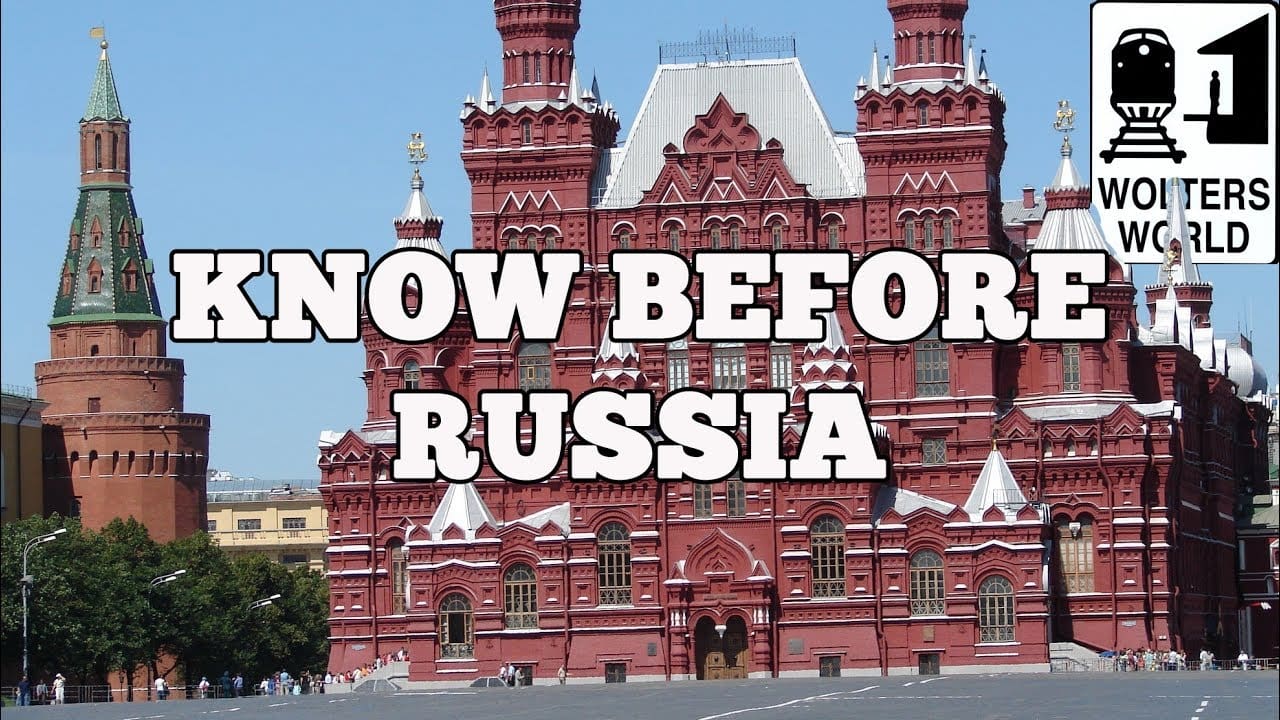
Greetings from Saint Petersburg, Russia! This is a fantastic city; one of the most beautiful cities in the world. Today I’m sharing some tips on things you should know before your Russia vacation. There are many misconceptions about Russia that deter some travelers, but it’s a really wonderful country that you should see.
Russian Visa
You will probably have to get a visa to visit Russia. Check with your Russian Consulate, Embassy or a travel agent. The Russian visa application can take a bit of time – from a few days if you use an agency, or up to a month if you do it on your own. You have to line up invitations and hotel reservations ahead of time, so make sure you start the Russia visa application form as soon as possible in advance of your Russia vacation.
One way to visit Russia without a visa is to visit Saint Petersburg on a cruise ship or a ferry from Helsinki. “Cruise and ferry passengers may stay in Russia for 72 hours without visa if they arrive in Saint-Petersburg on board a vessel as part of a tour group.”
Tip: Using a visa service will save you time and stress!
Language in Russia
You most likely won’t understand the Russian language, or even recognize the letters because they use the Cyrillic alphabet. I recommend at least learning what some of the letters sound like, as pronunciations are phonetic, so it can help. English is not widely spoken in Russia, even in heavily touristed areas like Saint Petersburg, so knowing a couple of Russian phrases is key.
Here are a few Russian phrases that will help you get by:
Hello = Privyet
Thank You = Spasibo
Where is = gde
Yes / No = da / nyet
Please = pozhaluysta
The Don’ts of Visiting Russia
Money in Russia
Yes, Russia is expensive to visit. Starting with the Russian visa application, plus hotels and restaurants, Russia can get pretty pricy. Often, museums will have a higher ticket price for foreigners than for locals. Talk to the locals; they can give you recommendations for authentic and cheap local restaurants.
If you are bringing money to Russia to exchange, whether it’s dollars or Euros, make sure you have crisp, new bills. If your bills are wrinkled or torn, the exchange houses won’t accept them. You can use ATM’s in the larger cities, and they are usually located inside of banks. However, outside of the big cities, ATM’s are harder to find, so you’ll need cash to exchange.
Transportation in Russia
Public transportation in Russia is affordable and very effective. In the cities such as Moscow and Saint Petersburg, the metro and bus systems cover the city, so you’ll have no trouble getting around. However, the distances in Russia make for very long trips unless you fly. The Trans-Siberian Railway can take a couple of weeks if you want to get off the train and explore a bit. The key is to have flexibility and good planning.
Tip: If you want to take taxis in Russia, make sure you use a registered taxi. This is one area where tourists tend to get scammed.
Safety in Russia
Yes, there are known tourists scams that happen in Russia, which can be annoying. We did not have any issues with safety or scams on this trip. You just need to pay attention and be aware of the tricks before you set out. In some of the larger Russian cities, you might encounter pickpockets at some tourist spots. Your guides can tell you any areas to avoid, or specific times to avoid certain areas.
The bigger safety issue in Russia is walking around in traffic. Russian drivers don’t always stop for the crosswalks, so always pay attention and make eye contact with drivers before stepping out, even if you think you have the right of way.
When you are out exploring, I recommend avoiding any kind of public protests and just not getting involved or going anywhere near them. LGBTQ travelers to Russia need to exercise more caution, especially when it comes to public displays of affection. Even in the larger cities, just be careful, especially late at night.
Tip: When you are taking pictures of your vacation in Russia, do not take pictures of any police, military or government officials.
Russian Customs and Culture
One of the biggest misconceptions about traveling to Russia is the people. The reputation is that Russians are mean, cold, unfriendly people. This can be true in the service industry, but if you get to know the Russian people, they are very welcoming.
Russian culture is conservative and even somber, so you don’t generally see any public displays of affection. If you are visiting any Orthodox churches in Russia, and you should, make sure you adhere to Russian customs. This generally means dressing conservatively and respectfully. For men, that means removing your hat. For women, that might mean covering your hair with a scarf, and you should always cover your shoulders and knees. Many times, men are also required to cover shoulders and knees.
Tip: Always pack a versatile sarong/scarf that you use to cover up with in case you decide to visit a church.
Best Time to Visit Russia
Russia isn’t always cold, but in the winter, it can be severely cold. I think the best time to visit Russia is between June and August. You’ll have 20 hours of sunlight and you can enjoy the white nights of Saint Petersburg. Winter in Russia is dark and cold, so I recommend Russia in summer.
10 Things That SHOCK Tourists When They Visit Russia
More Russia Travel Tips
A few more things you need to know before you visit Russia:
Electrical outlets are the same as the rest of Europe, with two round plugs. You just need an adapter for your U.S. electronics.
Tipping in Russia is not expected, so don’t worry about tipping your servers when eating out.
Places to See in Russia
There are many places to see in Russia, and these are just a few of the highlights:
Saint Petersburg – the Hermitage and the Winter Palace
Moscow – the Kremlin, Lenin’s tomb, Saint Basil’s cathedral
There are Kremlins in a lot of places – it actually refers to the citadel, so there’s more than just the one in Moscow. If you have time, spend time away from the larger cities and see the countryside of Russia.
Don’t let your pre-conceived notions of Russia keep you from visiting! Russia is a gorgeous country, with many wonderful places to see, things to do, and people to meet. For more Russia travel tips, check out our other videos:
Things You Should Know Before Your Finland Vacation
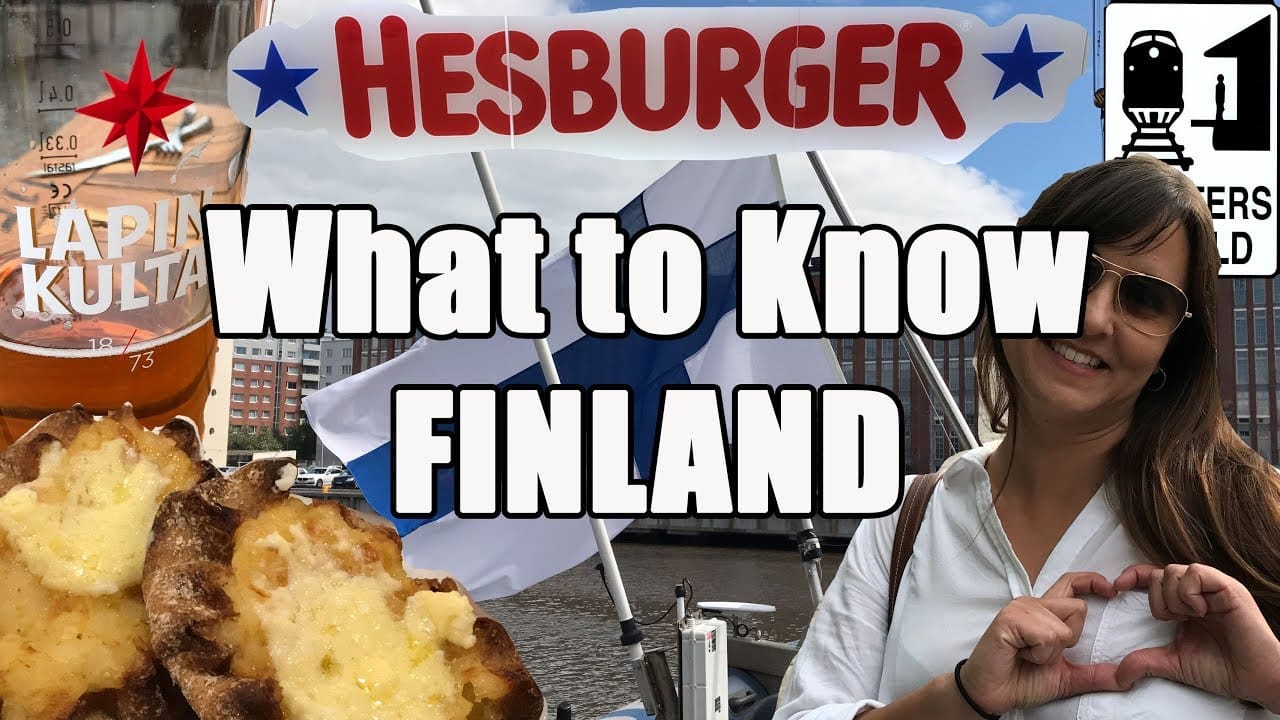
Greetings from Helsinki, Finland! I used to live in Finland, and I want you to have a really great time when you come here. When people think of Finland, they think of Nokia and saunas, and maybe they know about really great race car drivers, but there’s so much more to Finland. Finland has beautiful lakes, modern architecture and it’s a very safe country. So, today I’m sharing some Finland travel tips and things you should know before you come to Finland.
Language in Finland
There are three official languages in Finland. Finnish and Swedish are both official languages in Finland. The third language in Finland is Sami, spoken in Lapland by less than 0.5% of the population. But don’t worry, people in Finland speak English very well, so you won’t have a language problem in Finland. That said, learning a few Finnish words will really open up the people to you, as they can be a bit reserved. Here are some key Finnish words to know:
Kiitos = Thank You
Minä haluan = I want
Anteeksi = Sorry
Olut = Beer
Moi = Hi
Moi Moi = Bye
In some areas, you’ll see signs in both Finnish and Swedish and towns may even had a different name in Swedish. For example, Turku is Åbo in Swedish because it was part of Sweden at one time.
Money in Finland
In Finland, the currency is the Euro, which comes in several bills from 500 Euros to 5 Euros. Then there are the Euro coins, which come in 2 and 1 Euro, plus 50 cents, 20 cents, 10 cents and 5 cents. In Finland, they don’t use the two-cent or one-cent Euro pieces, so if your bill is 98-cents, it will just be rounded up to one Euro. You can also use your credit card all over Finland, just make sure you have a PIN as some machines require you to enter a PIN. You can even pay with your phone at some places in Finland.
10 Things That SHOCK Tourist in Finland
Safety in Finland
Finland ranks as one of the safest countries in the world. The biggest dangers my kids have experienced are skinned knees from falling on the cobblestones, and bug bites! (Make sure you have some good bug spray in Finland because the bugs can be pretty bad, especially near lakes.) if you are visiting Finland in winter, the pavement can ice over, so be careful walking around the city streets.
Best Time to Visit Finland
We’re here in June and it’s a gorgeous time to visit Finland. June, July and August are all great times to visit Finland. Summer in Finland means sunlight all day and all night, so that means winter in Finland is pretty dark. It can be pitch black outside at 10 a.m. if you visit Finland in the winter. However, winter in Finland also mean you can see the Aurora Borealis, or Northern Lights. Music festivals are all over Finland in the summer, so look out for those when choosing your travel dates, whether you want to attend them or avoid them!
Getting Around Finland
Public transportation in Finland is great. Trains and buses go all over the country. In the cities, public transport is also easy to use, and covers most areas of the cities. You can also use ferries in Finland to get to some of the island areas. Trains and buses make for easy day trips all over Finland. You can also buy day passes for transportation, so that you can easily hop on or hop off the trams and trains all day.
As far as getting to Finland, FinnAir has connections from all over, but ferries are a popular way to get to Finland. There are ferries to Finland from Sweden, Estonia and Russia, and these are a common way for tourists to travel.
Insider Tip: Buying alcohol on the ferry is cheaper than at the government-run alcohol stores!
Places to Visit in Finland
Finland is mainly a nature paradise destination. You might choose to come and stay at a summer house on a lake, or you might go stay on an island and enjoy the saunas. Saunas are a quintessential part of Finnish culture, so you definitely should experience a Finnish sauna while in Finland.
Some of the best places to visit in Finland include:
Helsinki is a great destination, with museums, churches architecture and live music.
Finland’s Lake District, including Savonlinna and Tampere, is a great place to rent a house and relax in nature
Turku is the old capital of Finland, where I went to school, so it’s my favorite town in Finland. Don’t miss the castle and the cathedral in Turku, and take the ferries out to the archipelago.
Visit Rovaniemi and Levi in the North
Porvoo in the South Archipelago
Aland Islands
What to See in Turku, Finland
Food in Finland
The food in Finland isn’t the most exciting, but there are some special Finnish foods you should try. Mushrooms and mushroom hunting are very popular in Finland, so I recommend trying anything that comes with a mushroom sauce. Reindeer is another food you will try in Finland, along with many varieties of fish and excellent dark breads. Finland has great candy, so be sure to try Salmiakki. Finland has some local fast food chains, which are a good option if you are trying to save money. Hesburger is like a Finnish McDonald’s but so much better! When you do go out to eat, tipping in Finland is not expected.
Prices in Finland
Finland is an expensive country to visit. Hotels and restaurants are quite pricy; I feel it’s about 30% more than prices in the U.S. For four crepes and a couple of sodas, it cost 40 Euros. Once you get outside of Helsinki, prices are a bit less expensive.
More Finland Travel Tips
A few more things you need to know before you visit Finland:
Electrical outlets are the same as the rest of Europe, with two round plugs. You just need an adapter for your U.S. electronics.
Finland is one hour ahead of Germany and two hours ahead of the UK.
Finland is very tech-savvy. WiFi is great in Finland, so you won’t have a problem staying connected during your Finland vacation.
Additional Finland Travel Resources
Check out some of our other videos about traveling to Finland!
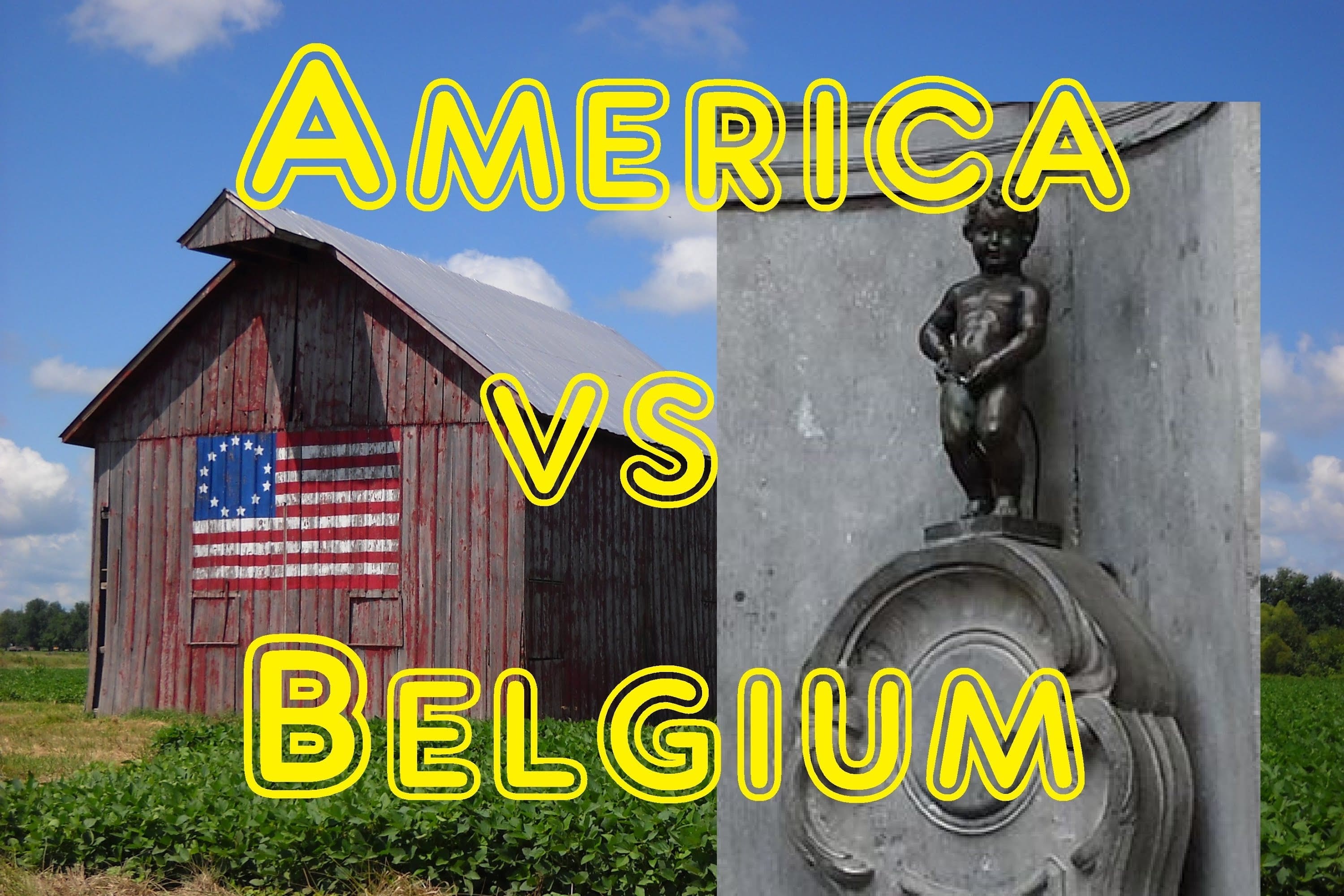
Greetings from Gent, Belgium! Ghent is one of many beautiful cities in Belgium, with fantastic architecture, great beer and very relaxing. Today we’re sharing some of the big differences between Belgium and the US, so you can be better prepared for your Belgium vacation! From Belgium currency, tipping in Belgium, and the Belgium train system, we’ve got all your Belgium travel tips!
Language in Belgium
There are actually several languages spoken in Belgium, but Belgian isn’t one of them! They speak Flemish, or Dutch, in Flanders of north Belgium. In Wallonia, or the southern part of Belgium, French is the official language. If you don’t speak Dutch or French, you’ll get by OK as many people in Belgium speak English very well.
Belgium Currency
In Belgium, the currency is the Euro, which comes in several bills from 500 Euros to 5 Euros. Unlike the US, the Euro coins actually have value. The 2 Euro coin is worth more than $2, so keep track of them.
If you need to withdraw money in Belgium, there are ATM’s all over, so you won’t have trouble finding one. You can also exchange dollars for Euros at an exchange house, but the fees are higher. Your best deal for getting Euros is at a bank with your debit card.
Tip: Don’t forget to let your bank know that you’ll be traveling so they approve any foreign withdrawals!
Tipping in Belgium
Service in Belgium is not very good. Servers are paid a decent wage here, unlike in America, so they aren’t working for tips. The plus-side of this is that tipping in Belgium is not expected. I’ve heard lots of stories of order mixups in Belgium, so just lower your expectations a bit and you’ll be fine.
Electricity in Belgium
The electrical plugs in Belgium are the same as elsewhere in Europe, with two round plugs. All you need is an adapter to fit your U.S. plugs into the wall. You don’t need a converter to charge your electronics in Belgium, as most laptops and phones have a built-in voltage converter.
Transportation in Belgium
You can reach just about any town in Belgium within 90 minutes of train travel. The Belgium train system is really amazing, with buses and trams also available in the cities. Belgium train tickets are affordable and easy to purchase, so you can easily make day trips from Brussels or any city where you are staying.
What to Eat in Belgium
Everyone wants to know what to eat in Belgium. Food in Belgium is fantastic! Mussels and fries, or frites, are two of the most popular foods in Belgium. Belgium fries are double-fried, which makes them irresistible! There are also some good beef dishes in Belgium. The most Belgian “cuisine” you can have here is the beer. Belgium is famous for its beer. Even if you’re not a big beer drinker, you should definitely try some Belgian beer. Beer is an important part of Belgian culture that every traveler should experience.
Additional Belgium Travel Resources
Check out some of our other videos to help plan your Belgium vacation!
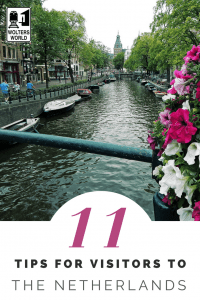
Greetings from Amsterdam! The Netherlands is a really fun place to visit, so today we’re sharing some things you should know before you come to the Netherlands. If you are thinking of Holland, North Holland and South Holland are just two of twelve provinces in the Netherlands. That’s your first tip! We have many more Netherlands travel tips for those wanting to explore the country outside of the red light district.
Language Spoken in the Netherlands
The spoken in the Netherlands is Dutch, but the Dutch generally speak English very, very well. You might be surprised at how well English is spoken, to the extent they will crack jokes and throw sarcasm at you. Dutch people can be frank. They are direct and like to get to the point without wasting time. Don’t mistake Dutch efficiency for rudeness, they just don’t bother with a lot of small talk.
Dutch Currency
As part of the EU, Dutch currency is the Euro. The Euro comes in several bills (500, 200, 100, 50, 10, 5) and the coins here are actually valuable. The 2 Euro coin is worth more than $2, so keep track of them. We try to avoid anything larger than a 50 Euro bill as it can be hard to make change. There are several ATM’s around the country, so it’s easy to get cash out. The machines will offer many languages, so don’t worry about that.
Prices in the Netherlands are comparable to other cities in Europe, and just slightly more expensive than the U.S. It’s not “Scandinavia pricy” but it’s not a cheap destination.
Tip: It’s always good to have coins on hand for snacks and treats as you walk around town.
Getting Around the Netherlands
You definitely should explore the Netherlands beyond Amsterdam. There are many cool places like Haarlem, Utrecht and Maastricht. You’re probably wondering how you will get around the Netherlands. The Netherlands train network is efficient, fast and gets you anywhere. It’s a relatively small country, so distances are pretty small. A lot of places can be reached in a day trip from Amsterdam. Renting a bike is a really fun way to get around the Netherlands. In addition to being a small country, the Netherlands is very flat, so biking is easy!
Tip: Don’t forget to tap your train card in and out when you go to your platform
The Don’t of Visiting The Netherlands
Safety in the Netherlands
In general, the Netherlands is pretty safe. If you encounter any issues, it will likely be in Amsterdam. In my experience, I’ve seen the most aggressive beggars here in Amsterdam. They don’t just walk away, so I recommend avoiding them as best you can, and just keep walking if you encounter any.
In terms of danger, the biggest concern for tourists are the bike paths. Bike paths are painted red, so just think “Red is Dead!” There are a lot of bikes in Amsterdam, so you really have to pay attention and always look in every direction before stepping out.
The other safety concern in Amsterdam are the narrow stairways. This is mostly seen downtown in tall skinny buildings, especially old homes that have been converted to a hotel. The stairs can be very steep and you need to be very careful, especially with children or older folks. The steep stairs in Amsterdam is a great reason to pack lightly for your vacation.
Tip: If you have knee problems, or will be packing heavy suitcases, check ahead with your hotel to see if they have an elevator.
Drug Tourism in Amsterdam
If you are coming to the Netherlands for drugs, you need to be careful. If you haven’t tried drugs and want to experience this part of the Netherlands, be up front when you go to the coffee shops. They can help choose something for you based on your previous experience. Don’t get in over your head, or ruin your vacation by consuming too much.
Where to Stay in the Netherlands
There are tons of smaller hotels in the Netherlands. You will find the big hotel chains, but most likely you’ll stay in a smaller, private hotel. I recommend reading the reviews very carefully. In the Netherlands, you have a lot of tall, thin buildings, so the rooms are often very small. When we travel as a family to the Netherlands, we often just rent an apartment. If you’re visiting beach areas, you can rent a beach house or a condo. These options usually end up being cheaper than a hotel as well, especially if you are traveling with kids or other family members. A double room will only hold two people, so you’ll often need to get multiple hotel rooms.
Tip: Consider staying outside of Amsterdam for cheaper accommodation.
5 Things You Will Love & Hate about The Netherlands
Dutch Food in the Netherlands
The Netherlands are an international melting pot, so you’ll find a lot of great international restaurants in the Netherlands. Indonesian food is one of the popular cuisines you’ll find in the Netherlands. If you are looking for traditional Dutch food, pancakes are something you should try. There’s a lot of good street food in the Netherlands, like french fries (with mayonnaise,) herring, or croquettes. If you see a food hall, check it out because you can try lots of different foods. Dutch food is similar to German food, with a lot of meat and potatoes.
Tip: Eating at food halls and street stalls is a great way to save money in the Netherlands.
Things To Do In The Netherlands
My favorite thing to do in the Netherlands is to walk around and enjoy the Dutch architecture. Of course, there are canals everywhere, and you can take canal tours all over the country. A bike tour is another great thing to do in the Netherlands. In the spring, you can bike through the tulip fields. Mid-April to Mid-May is the best time to visit the Netherlands. It’s so easy to get around the country, too! Go see the historic buildings in Haarlem, or go to the port in Rotterdam. I would even suggest for a solo traveler, or a couple, to stay in Haarlem and just visit Amsterdam for the day. You can save a lot of money that way.
More Netherlands Travel Tips
A few more things you need to know before you visit the Netherlands:
Electrical outlets are the same as the rest of Europe, with two round plugs. You just need an adapter for your U.S. electronics.
Toilets work the same as back home, and you can flush your toilet paper.
You can drink the water here.
Additional Netherlands Travel Resources
Check out some of our other videos about traveling to the Netherlands!
Know Before You Go: Things You Should Know Before You Visit Estonia
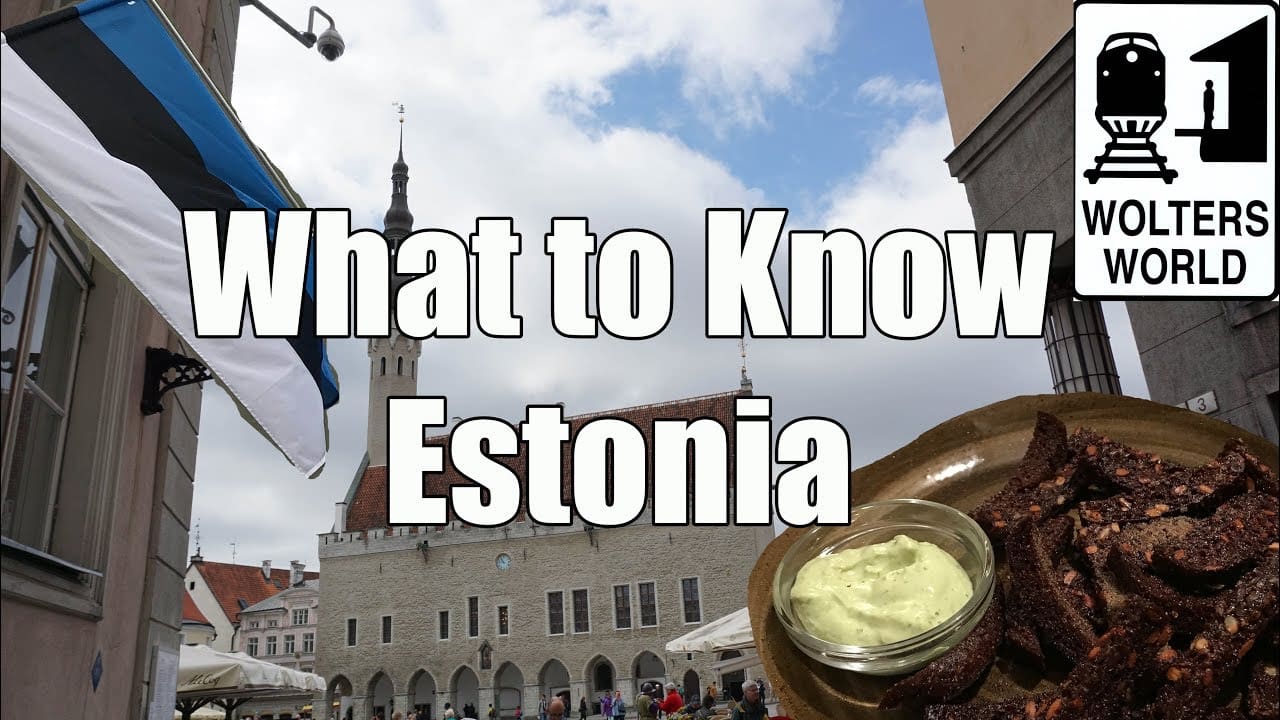
Greetings from Tallinn, Estonia! Today, we’re sharing some tips of things you should know before you visit Estonia. It’s a small country in terms of population, with just over 1.3 million residents, but it’s a great country to visit. There are many things to see in Estonia: beautiful nature, islands to explore and the prettiest city in the Baltics: Tallinn.
Where is Estonia?
The first question most people ask about Estonia is: Where Is Estonia? When you look at a map of Europe, and you see three little countries between Poland and Russia, Estonia is the one in the north along the Baltic sea, above Latvia and Lithuania.
Currency & Technology in Estonia
Estonia is part of the European Union, and therefore uses the Euro. ATM’s are readily available, but most of the time you will pay with cash or pay with your phone. That’s right! Estonia is incredibly tech-savvy, which also means you’ll have WiFi pretty much everywhere you go. Electrical plugs are the same as in Europe, with two round plugs, so bring your adapter!
Language in Estonia
Estonia has a very large Russian population, so Estonian, Russian and English are all spoken here. Most Estonians seem to learn English in school, which is great for tourists because it’s easy to get around without speaking the native language in Estonia.
Getting Around Estonia
Estonia has a pretty decent tourist infrastructure here. The majority of in-country travel is by bus. There are also a few trains that go around to a few of the towns in Estonia.
Prices in Estonia
Compared to other popular parts of Europe, prices in Estonia are very affordable. Tallinn is one of the pricier cities in the Baltics, but the hotel prices are usually only higher on the weekends, when tourists from Finland arrive by ferry.
Safety in Estonia
Estonia is safe in general, even in Tallinn. As with any city in the world, there are places to avoid, so just ask your hotel. While the hotel service isn’t super friendly, they will be able to give you guidance on where to go in Estonia and where not to go. Tallinn is a popular weekend drinking destination, so beware of that.
Estonian Food
I recommend asking the locals where to eat in Estonia. One popular part of Estonian cuisine is the garlic bread, which is a black bread that is fried and served with a green mayonnaise. You’ll also find a lot of soups, a lot of fish, meat and basic, hearty food. The tap water is safe to drink, although it doesn’t always taste great, so we stick to bottled water.
Where to Go in Estonia
There are so many things to do in Tallinn, that it should be the first place you visit in Estonia. Tallinn’s Old Town is a UNESCO World Heritage Site. You’ve got Town Hall Square, St. Mary’s Church, St. Olaf’s Church, plus tons of museums. There’s the Occupation Museum, The Estonian History Museum and the Tallinn City Museum. Outside of Tallinn, there are other places to see in Estonia. Check out the lakes along the Russian border in the East, or the coastline along the Baltic Sea.
Everything You Wanted to Know About Iceland Before You Book Your Trip
Greetings from Iceland! Today I’m sharing with you some of the differences between Iceland and the U.S.
Language in Iceland
Icelandic is the official language spoken in Iceland. There’s little chance you will crack the code on speaking Icelandic on your first visit to Iceland. Luckily, English is spoken everywhere in Iceland, even amongst the children. For fun, I recommend learning just a few Icelandic words:
Thank You = Takk
Bye Bye = Bless Bless
Hi = Hae (sounds like hay)
Currency in Iceland
Sometimes you’ll see prices quoted in Euros, but the currency in Iceland is the Icelandic Krona, or ISK. The bills come in 10,000 ISK, 5,000 ISK, 1,000 ISK and 500 ISK. Coins start at 1 ISK, 5 ISK, 10 ISK, 50 ISK and 100 ISK. The best way to get Iceland Krona for spending is at the ATM. Keep in mind that as you drive around the country, it can get very isolated, so you won’t find an ATM in every village. Get the cash you need when you arrive in Reykjavik. Credit cards are also widely accepted in Iceland.
Prices in Iceland
Prices in Iceland can be expensive. Iceland food prices are about 25% higher than food prices in the U.S. Iceland hotel prices are also about 25% higher. Prices in Iceland are not as bad as other some Scandinavian countries like Norway, but be prepared for some higher prices.
Eating in Iceland
Restaurants typically open around 11:00 for lunch and stay open throughout the day. Iceland restaurants don’t usually close between lunch and dinner. If you are driving the Ring Road, you don’t always see a lot of restaurants. Because of this, and the fact that Iceland food prices can be expensive, it’s a good idea to stock up on snacks and lunches at the grocery store before you begin your Iceland road trip. When you do eat at a restaurant, tipping in Iceland is not customary, but you will still receive excellent service.
Driving in Iceland
Your best option for getting around Iceland is to rent a car. I recommend getting a 4WD rental vehicle in Iceland, which gives you more options for exploring off the beaten path and down some dirt roads. Driving in Iceland can be an adventure. Some of the bridges along the Ring Road are one-lane bridges only, with wider sections for passing, so pay attention to oncoming traffic. There is public transportation in Iceland, but the buses don’t run very often, and you won’t have the flexibility to pull off at any landmarks.
Where to Stay in Iceland
Once you plan your Iceland itinerary, the first decision is where to stay in Iceland. There aren’t many hotels in remote places like the Ring Road. Most Iceland accommodations are guest houses which have 4-5 rooms. Many of the guest houses in Iceland have a kitchen you can use, which is a great way to save money in Iceland. In Reykjavik, there are many hotels to choose from.
Safety in Iceland
Iceland is probably the safest place we’ve ever been. There is very little crime, and you don’t need to worry about having your things stolen. Kids run around in the streets, riding their bikes, or hiking trails and parents don’t need to worry like they do elsewhere.
Iceland Time Zone
Iceland is on Greenwich Mean Time, the same time zone as London or Lisbon. Iceland is five hours ahead of New York, and six hours ahead of Chicago.
Toilets in Iceland
Toilets in Iceland look the same as the US, so no worries about finding a hole in the ground. The flushing mechanism might be different, with a plunger that pulls up, or two buttons to choose from. (Hint: big button for big jobs, little button for little jobs!)
Iceland Power Adapter
Electrical outlets in Iceland are the same as most European countries. The plugs in Iceland have two circle plugs. Make sure you have an adapter to charge your electrical devices in Iceland because you’ll be taking lots of pictures!
Things to See in Iceland
In Iceland, you’re not going to see many historic sights. Iceland is all about nature, so you will see a lot of natural history. Some examples include the lagoon full of icebergs, the Blue Lagoon, and the fjords. The scenery in Iceland will blow you away.
Also: it’s OK to drink the water in Iceland, and perfectly acceptable to drink water with your dinner. This is another easy way to save money in Iceland.
Know Before You Go: Differences Between the US and Sweden
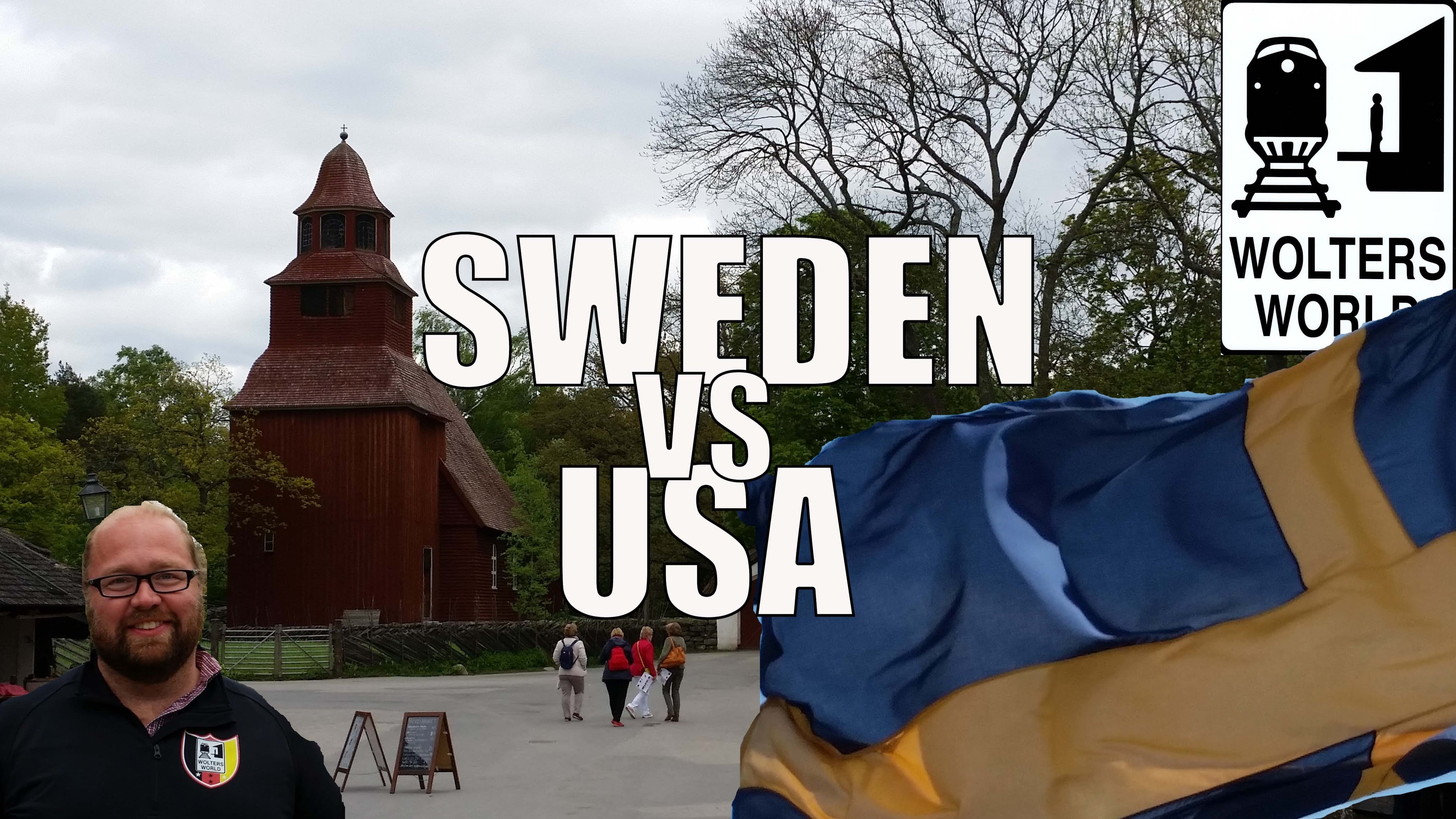
Greetings from Stockholm, Sweden! Today I’m sharing with you some of the differences between Sweden and the U.S. When you visit Sweden from the US, you’ll be more prepared with these Sweden travel tips!
Language in Sweden
The official language of Sweden is Swedish, but they also speak English very well. This is one reason I recommend Sweden for first time international travelers who want to visit a non-English-speaking country but be able to get by with only English. If you want to learn a few Swedish phrases, these are easy:
Hi = Hej
Bye = adjö
Thank You = Tack
Money & Prices in Sweden
In Sweden, they tend to prefer credit cards as payment. To avoid any issues, make sure you have a PIN for your credit card or debit card, and try to bring cards that have the chip in them. When dealing with cash in Sweden, the currency is the Krona, SEK or Kr. In 2018, the Swedish exchange rate is about 9 Kr per US Dollar.
Swedish currency comes in bills and coins. There are 1000Kr bills, but beware of those, and ask for two 500Kr instead as it will be hard to spend. The other bills are 500Kr, 100Kr, 50Kr and 20Kr. Coins come in 10Kr, 5k, 1Kr and .50 Kr.
ATM’s are found throughout the cities, and this is the best exchange rate for withdrawing Swedish currency. There are also exchange houses around, but you won’t get as good of a rate as you would from an ATM. Be sure to call your banks ahead of time to let them know you’ll be using your cards in Sweden!
I find prices in Sweden to be about 20 to 30% more expensive than the U.S. So, it’s fairly expensive, but it’s worth it!
Swedish Restaurants
Plan on spending about $20 – $25 for a meal, without drinks in most Swedish restaurants.
Sweden in general has very good restaurants, especially in Stockholm. There’s a lot of great international cuisine throughout the country, so it’s not always traditional Swedish food at the best restaurants. Traditional food in Sweden includes meatballs and gravy, lots of potatoes, herring served many ways, crispy cracker bread, lingonberries and so much more. Check out our video “Swedish Food: What You Should Eat in Sweden.”
Service in Sweden
Tipping in Sweden is around 5%, but service in Sweden is not that great compared to American standards. You need to be proactive in your needs when it comes to Swedish service. The service isn’t overly friendly or helpful, which isn’t to say that the people aren’t friendly or helpful, you just have to ask for help. Swedish culture is just a little more reserved, but it sometimes gives the reputation of rudeness, which isn’t true.
Try Swedish micro-brews for some good beer. In general, the beer isn’t great in Sweden. If you want something stronger, you have to go to a System Bolaget, which is the government-owned liquor store. These stores close at 1pm on Saturday and are closed on Sunday, so you really need to plan ahead if you want to make cocktails over the weekend. If you prefer to go in Sweden, be sure to dress the part. Many Swedish nightclubs enforce a dress code.
Ask a local for bar, restaurant and beer recommendations in Sweden.
Queuing Up in Sweden
Be prepared for less personal space in Sweden. When you’re waiting in line for something, be right up behind the person in front of you, or you could lose your spot. If you leave too much space in the line, others will assume you’re not waiting in line. We speak from experience on this one, having lost our spot in a breakfast line a few times!
10 Things That SHOCK Tourists about Sweden
Swedish Store Hours
Swedish stores are open on Sundays, which is unusual for Europe. This is a nice change, so you can do some shopping any day of the week.
Electrical Outlets in Sweden
Electrical outlets in Sweden are similar to the rest of Europe, with two round plugs.
Safety in Sweden
Sweden is super safe, with very low crime. There may be occasional pickpockets in big cities or in No Go neighborhoods.
Getting Around Sweden
Sweden has a very good public transportation system. Beware that the trains often run late, and it can be expensive. Sometimes getting public transportation tickets in Sweden can be difficult. It can be frustrating getting hold of a the card you need to load up for access to trains and buses.
Toilets in Sweden
Toilets in Sweden are normal, sit-down toilets. However, flushing can be a bit different. Sometimes, you have to hold the button down to release all of the water needed. Check the bowl before you walk away to ensure you don’t leave any surprises for the next visitor. As you are out and about in Sweden, there aren’t many public toilets. If you do find a public toilet in Sweden, be prepared to pay 10Kr to use it. It’s always good to have a few 5Kr and 10Kr coins in your pocket, should you need to use a public toilet.
Additional Sweden Travel Resources
Sweden is such a cool destination. We’ve got lots more Sweden travel videos to help you get ready for your trip.
Greetings from the land of the Vikings, Norway! Today we’re sharing some of the differences between Norway’s culture and the US, so you are more prepared when you visit, especially when it comes to the prices in Norway.
Language in Norway
Norwegian is spoken in Norway. It’s similar to Swedish and Danish, but it’s still very different. You might understand a few Norwegian words if you say them out loud, but in general you will have a tough time understanding Norwegian. Don’t worry, though, the people in Norway speak English very well.
Currency in Norway
Norway is not in the European Union, so they do not use the Euro. The currency in Norway is the Norwegian Krone, or NOK, or KR is what is shown on price tags and menus. Krone come in 1000kr, 500kr, 200kr, 100kr, and 50kr. The 1000kr note is pretty uncommon, and if someone gives you one, ask for 2 500kr notes instead as they are easier to spend. The coins come in 1kr, 5kr, 10kr and 20kr. You can use your credit card in most places, but make sure you have a PIN for your credit card. Having your credit card PIN will make transactions go more smoothly and help you avoid any issues. ATM’s in Norway are called a mini-bank and they easy to find in the main cities of Norway.
Prices in Norway
Many people wonder: Is Norway expensive? Yes, prices in Norway are very expensive compared to most European countries. A beer at a bar can cost between $10 and $20, in dollars! When you eat in Norway, you’ll understand why take-away and hot dogs are so popular, because it’s really expensive to eat out in Norway. It’s about 30% more expensive to eat in Norway than it is to eat in the U.S. It’s not just the restaurants in Norway, but hotels and transportation are also expensive.
10 Things That SHOCK Tourists About Norway
Eating in Norway
Traditional Norwegian food includes Elk, Reindeer, Salmon and other fish, cinnamon rolls, and Kvikk Lunsj, a Norwegian Kit-Kat. Tipping in Norway is not required, but a small tip of 5-10% is fairly custom. A service charge is usually already added on to your bill. Drinking in Norway is also expensive, and hard liquor is tightly regulated. Beer and wine is easy to purchase, but everything else has to be purchased at a special liquor store.
Norway Shop Hours
Norway shop hours are similar to other European countries. In Norway, shops are usually closed on Sunday, with shorter hours on Saturday. Store hours are usually 10-6 or 10-8. Just plan to do any shopping during the day and don’t wait until the evening. Museums will sometimes offer extended hours in the summer when the most tourists are visiting.
Electrical Outlets in Norway
In Norway, a power adapter is all you’ll need to charge your devices. Electrical plugs in Norway are the same as in mainland Europe, with two round plugs. Your phone, tablet and computer already have a built-in voltage converter.
Norway Transportation
Public transportation in Norway is very good. You can reach almost any destination in Norway using public transportation. Just know that it’s expensive and can take longer that you would expect. The fjords and the terrain of Norway are beautiful, but getting around them adds time to your travels. The same goes for driving; expect it to take a bit longer to drive around Norway.
What to Wear in Norway
If you are wondering what to wear in Norway, be prepared for cool temps. At the end of May, it’s getting into the 40’s at night, or 6 Celcius. During the day, temperatures are in the low 50’s to high 60’s. Make sure you bring layers to wear in Norway, so that you can remove layers as it warms up throughout the day. Norway winter is very cold, so be prepared for that with warm clothes.
Things to Do in Norway
If you visit Norway in the winter, make sure you go skiing and go see the Northern Lights. One of the best things to do in Norway is to go see the fjords, they are gorgeous!
Safety in Norway
Norway is very safe, so safety is not something to worry about on your Norwegian vacation. As with any large city, if you are out late in Oslo or Bergen, keep an eye out, but the worst you’ll likely see are some drunks or beggars. In general, Scandinavia is a very safe region of Europe to visit. I always recommend Scandinavia as a great destination for first-time international travelers, because it’s safe and English is widely spoken.
Additional Norway Travel Planning Resources
I hope this helps give you a good idea of the differences between Norway and the United States, so you can enjoy your Norwegian vacation. Check out our other videos for travel tips on Norway:
Know Before You Go: Differences Between the US and the Czech Republic
Greetings from Prague in the Czech Republic or Czechia! I’m here in front of the Charles Bridge and Castle Hill, plus other fabulous sites here. In the US, we don’t really learn much about the Czech Republic, so I wanted to share some things about Czech Republic culture that you should know before you visit the Czech Republic.
Language in the Czech Republic
The language in the Czech Republic is Czech, which is nothing like German, English or Spanish. Czech isn’t a language that’s taught in U.S. schools, so it’s unlikely you’ll know how to speak or even read the language in the Czech Republic. You can learn a few words online before you come, for example pivo means beer. Most young people in the Czech Republic learn English and often German, so you can probably get by OK, especially in the heavily touristy areas.
Money in the Czech Republic
Czech Republic currency is the Czech Korun. You’ll get approximately 20 Korun to 1 US Dollar, or 27 Korun to 1 Euro. The Czech Republic is generally a little bit cheaper than Germany, but it’s not Eastern Europe, it’s Central Europe, so you’re not going to find Eastern Europe prices in the Czech Republic. Prices are about 20% less than what you would pay in the U.S. For example, a half-liter of beer in the Czech Republic will be about $2, vs $3 to $5 in the U.S. This is the tourist price, though. You can get beer a lot cheaper than that in the Czech Republic.
You’ll see exchange houses all over the place, but I don’t recommend them. I suggest going to a real bank or for the best exchange rate, go directly to an ATM machine. One thing to note about ATM’s, though, is that you will typically get large denomination bills. Because of this, try to take out small withdrawals to get smaller bills. In most places, you can use a credit card, but like everywhere in Europe, cash is king!
Czech Republic Food
Lunch in the Czech Republic is around the same time as in the US, around 12:00 or 1:00. Dinner tends to be a little bit later, around 7:00. Restaurants are busiest between 6:00 and 8:00. Czech cuisine has a lot of pork, dumplings, duck. There’s a lot of great food in the Czech Republic. If you find you don’t like the Czech cuisine, many restaurants will have Italian or American food.
Toilets in the Czech Republic
Toilets in the Czech Republic work the same way as in the U.S. Most toilets you can flush your TP right down the drain, but in some smaller villages you might see a little trash can next to the toilet for your TP as the sewer system might not be able to handle paper. This is becoming less and less common, but it’s something to be aware of.
Tipping in the Czech Republic
Tipping in Prague, and the rest of the Czech Republic is 10%. If you have bad service, a tip isn’t necessary, but generally plan to tip around 10%. In the US, tipping is between 15% and 20%.
Shopping in the Czech Republic
When can you go shopping in the Czech Republic? 9:00 am until 6:00 pm, Monday through Friday, are the general shopping hours in the Czech Republic. In the tourist areas, stores will have longer hours for you to shop.
Electrical Outlets in the Czech Republic
The outlets in the Czech Republic are similar to the rest of Europe, with two circle prongs. Don’t worry if the wall outlet has an extra metal piece, it will still work with your EU adapter.
Additional Resources
I hope these tips prepare you for your first trip to the Czech Republic. For more Czech Republic travel resources check out some of our other videos!
This website uses cookies to improve your experience. We'll assume you're ok with this, but you can opt-out if you wish.AcceptRead More
Privacy & Cookies Policy
Privacy Overview
This website uses cookies to improve your experience while you navigate through the website. Out of these, the cookies that are categorized as necessary are stored on your browser as they are essential for the working of basic functionalities of the website. We also use third-party cookies that help us analyze and understand how you use this website. These cookies will be stored in your browser only with your consent. You also have the option to opt-out of these cookies. But opting out of some of these cookies may affect your browsing experience.
Necessary cookies are absolutely essential for the website to function properly. This category only includes cookies that ensures basic functionalities and security features of the website. These cookies do not store any personal information.
Any cookies that may not be particularly necessary for the website to function and is used specifically to collect user personal data via analytics, ads, other embedded contents are termed as non-necessary cookies. It is mandatory to procure user consent prior to running these cookies on your website.