Hey there, fellow foodie travelers! Today, we’re in El Salvador, talking about food! There are so many cool things to do in El Salvador, and all that sightseeing will definitely help you work up an appetite. If you want to experience El Salvador traditional food, there are some really good meals and drinks in El Salvador that we recommend trying.
Pupusas
Probably the most famous El Salvador food is a pupusa. It’s like the Mexican gordita; two tortillas with a filling in the middle. You can choose which type of tortilla, as well as what you want inside your pupusa. Beans, chicken, and cheese are popular fillings. Ask the locals you meet for their favorite pupuseria.
you will eat so well in El Salvador at a great price.
Beans & Rice
Beans and rice are major staples of El Salvadoran cuisine. They will be served at breakfast, lunch, and dinner. Sometimes, they are even served together. Hopefully, you don’t have an aversion to rice or beans because you will see them a lot. You may need a break from them by the end of your trip.
Plantains are another staple in El Salvadoran cuisine. If you haven’t tried plantains, they are similar to bananas and are very common in Central American countries. We’ve had plantain juice, stuffed plantains, fried plantains, and plantain chips. They’re also used in similar ways that we use potatoes in the United States.
Screen capture pictures don’t catch the tastiness, but they catch the fullness 🙂
Seafood
The seafood in El Salvador is fantastic. Snapper is very popular, as are prawns and shrimp. You also really should try the ceviche; it’s fantastic and super fresh, especially if you are on the coast. (Don’t worry if you don’t like seafood, there is also plenty of chicken and beef!)
Fruit and Fruit Drinks
Fresh fruit is plentiful in El Salvador, and you’ll have fantastic fruit and fruit juices. Liquidos is fruit and milk blended together, and they are delicious! Chances are, there will even be fruits you’ve never heard of, so take a chance and try something new amongst the Salvadoran fruit!
I really like the limonada con hierbas, which is a fresh lemonade with herbs mixed in. Chan is another fruit drink we enjoyed, although it is very sweet. Most of all, we recommend drinking horchata in El Salvador.
Whatever you do, don’t drink the tap water in El Salvador!
Vegetables are also featured heavily in El Salvador cuisine. One of the most common is yuca, and you’ll see it in many different dishes. One of our favorites is yuca frita and chicharrones, which is a very popular snack that’s often something you’ll order with drinks between lunch and dinner.
The boys were enjoying all the treats in El Salvador.
Coffee
Neither of us is a coffee drinker, but we make an exception in El Salvador because the coffee is so good. So, whether you are a coffee drinker or not, make sure you try the coffee in El Salvador!
We thought El Salvador food was pretty good, and it’s so cheap! You won’t believe how much food you get for your money in El Salvador. Also, note that dinner is on the earlier side here. Unlike Europe and larger cities where dinner is eaten very late, dinner in El Salvador is usually around 6 or 7:00. Looking for more tips on travel in Central America? Check out some of these other blog posts!
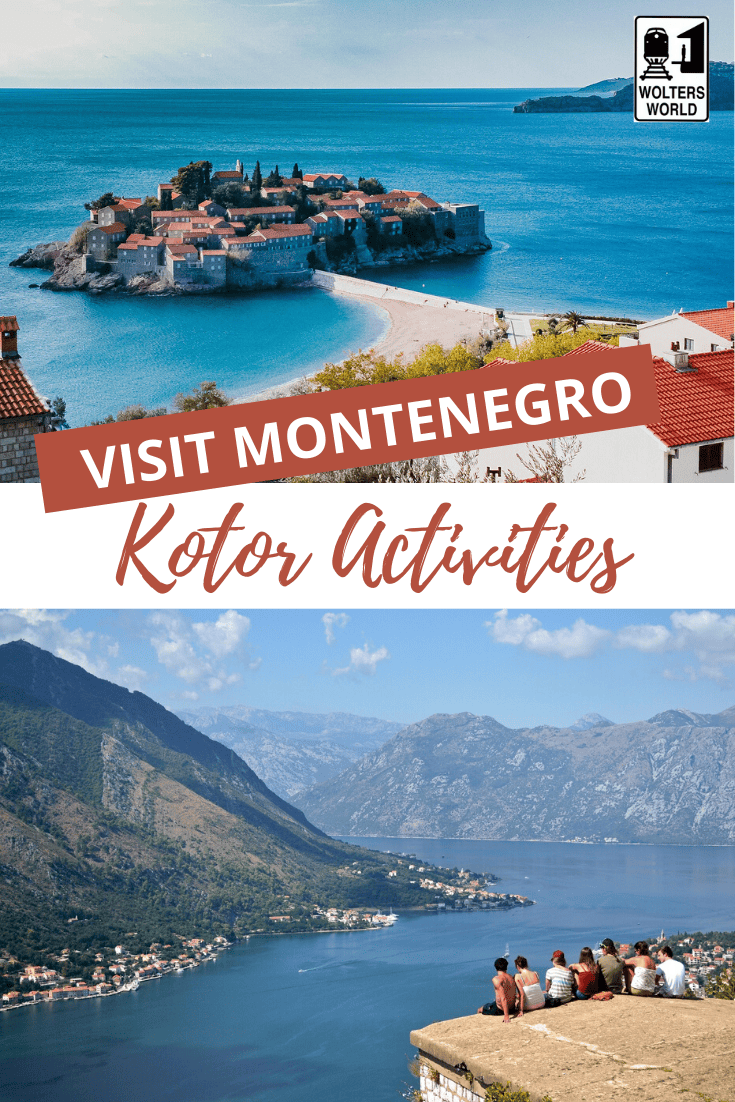
Hey there, fellow travelers! Today, we’re talking about Kotor, Montenegro. The Kotor cruise port has become a popular stop for ships, which unload passengers for two to five hours in the summer months. Whether you visit Kotor on a cruise ship or as part of a larger Montenegro vacation, we want to share with you some things to do in Kotor, Montenegro.
Kotor Old Town
The best thing to do in Kotor is to explore Kotor Old Town area by walking around. It’s a beautiful old town, with several interesting churches, including St. Luke’s Church and St. Nicholas Church. Saint Tryphon’s Cathedral is also really cool, and there is an adjoining museum that is very interesting. There are also a couple of interesting museums, but overall it’s just a nice area to walk around. It’s very laid-back, so you don’t feel rushed to see a bunch of sites, but rather you get to enjoy the atmosphere.
Walk The City Walls
Kotor is a fortified city, so you can walk along the ramparts that wind up the nearby hillsides. The walls loom over the city, providing excellent views of the surrounding areas. Once you’ve climbed to the top of the walls, you can continue on by hiking to the Church of Our Lady of Remedy, a 16th-century church that is only accessible by hiking. Climbing even farther along, you can reach the castle of St. John. If you decide to hike above Kotor and you are visiting on a cruise ship, make sure you turn around with enough time to get back to your boat!
Island Hopping by Boat
Taking a boat tour is one of the many fun things to do in Kotor. You can easily join a boat tour in the harbor and go check out some of the nearby islands in the Bay of Kotor. Our Lady of the Rocks is a man-made island, with a small church. If you arrive by cruise ship, you’ll go right by the islands, but the only way to reach them is by small boat.
Dining in Kotor
There are several small squares around town that are lined with restaurants. The seafood is fantastic, so I recommend finding a quaint restaurant to enjoy a nice, leisurely meal while you are in Kotor. There’s also a distinct Italian influence in the cuisine, so you can get some great pasta dishes in Kotor as well. Make sure you try some local Montenegro wine while you are here!
Is Kotor Safe?
Kotor is a very safe place to visit. The main safety concerns are health-related. It can get very hot in Kotor, so if you decide to hike up to St. Johns castle, you need to ensure you are properly hydrated and that your skin is protected.
The cruise staff did warn us of pickpockets in Kotor, but I didn’t see anything out of the ordinary that gave me concern for my safety.
When you go out to eat in Kotor, you may be wondering if you should tip. It’s customary to tip around 10% of your restaurant bill in Montenegro. Prices are very affordable in Montenegro, so adding 10% won’t break the bank, regardless of how much you eat!
Montenegro Currency
While Montenegro is not part of the Eurozone or the European Union, they do use the Euro. The ATMs provide Euros, which is nice if you need to stock up on Euros after being in Croatia for a bit. If you’re on a cruise ship, the crew would probably prefer to receive tips in Euros rather than the Croatian Kuna.
You may wonder what language do they speak in Montenegro. The official language is Montenegrin, however, a robust tourism industry means you will have no trouble finding English speakers in Montenegro.
Kotor is a fun village to visit in Montenegro. Whether you visit on a day trip from Dubrovnik to Kotor, disembark at the Kotor cruise port, or decide to stay overnight in Kotor, I hope these tips help you find the best things to do in Kotor Montenegro. Looking for more European travel tips? Check out these other blog posts:
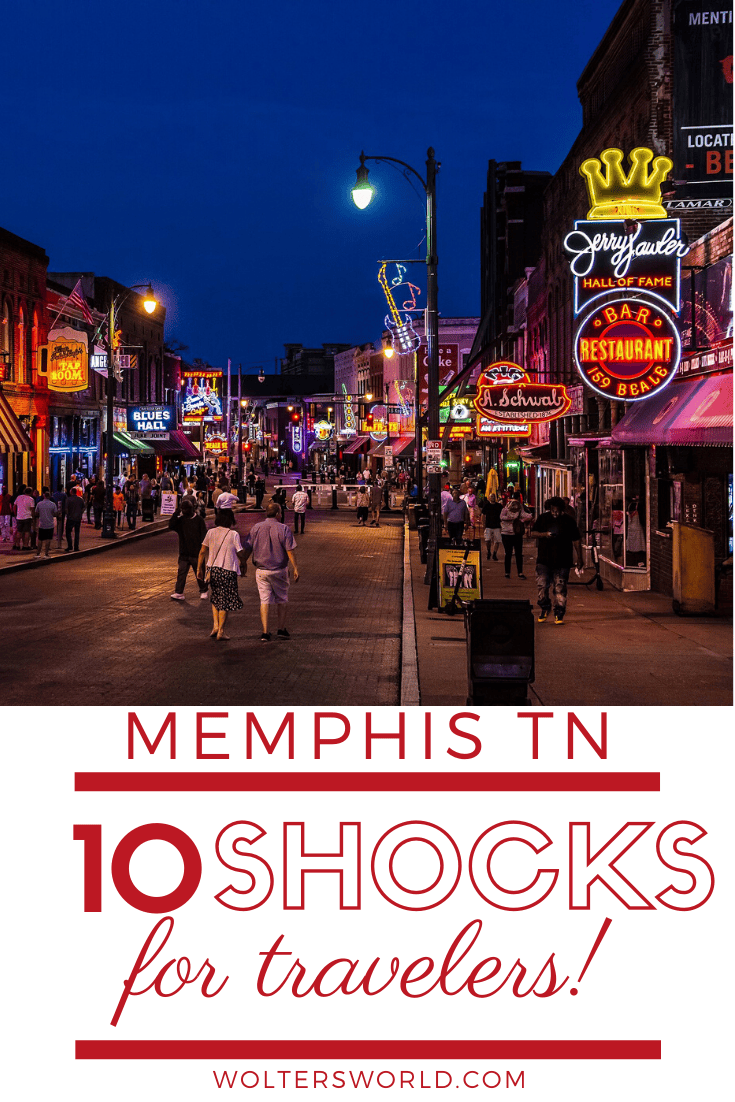
Hey there, fellow travelers! Today, we’re talking about Memphis, Tennessee. We love to help travelers prepare for their vacations, and other than telling you the best things to do in Memphis TN, we also love to share the things that will surprise you about a new destination. So, today, we’re sharing the ten things that will shock you when you visit Memphis, Tennessee.
The Peabody Ducks
Don’t be surprised when the Peabody Ducks turn you into a five-year-old child again. You don’t have to stay at the Peabody Hotel if you want to see the famous Peabody Ducks, but you do want to get a good viewing spot early on. The ducks are marched from their penthouse suite down to the lobby each morning, where they spend the day lounging in a fountain before repeating their march again that evening. It’s pretty funny how even the most serious adults get so excited to see the ducks. They are truly Memphis celebrities.
Memphis is one fun city
Beale Street Memphis
Beale Street is the heart of live music in Memphis. It’s lined with bars, and relaxed liquor laws mean you can get alcoholic drinks to go and walk up and down the street. This is shocking to most people because it’s pretty rare in the United States. There are only a handful of cities where you can have an open container of alcohol outside of a drinking establishment. New Orleans and Savannah, Georgia are two other cities that allow this. You might not be able to bring drinks from one place into another, but you don’t have to rush and finish a drink when you leave a place. This does apply only to certain areas of Beale Street, so stay inside the barriers with your drinks.
Summer Weather in Memphis
There are some fun summer festivals, but the heat and humidity in Memphis in the summer is insane. If you visit Memphis in June, July, or August, prepare to be sweating a lot! The humidity is oppressive, so even once the sun goes down, it barely cools off. The best time to visit Memphis is in spring or fall when the weather is warm but still tolerable.
You can’t visit Memphis without visiting Graceland. You can take several different tours of Graceland, the home built by Elvis Presley. It’s been meticulously maintained in 1970s shag carpet glory. They’ve recently expanded the grounds with one of the newest museums in Memphis, and you can also tour his airplanes. Graceland is just one part of the extensive musical history around Memphis. (The price of entry might also shock you. Tours start at $41 and go up from there, depending on what you want to see at Graceland.)
Yeah, it’s not quite a mortgage payment, but it’s not cheap.
National Civil Rights Museum
One of the most moving experiences you can have in Memphis is to visit the National Civil Rights Museum. The museum is located in the Lorraine Hotel where Martin Luther King Jr. was assassinated. It’s one of the best museums in Memphis and the entire United States. They do an excellent job presenting the Civil Rights movement in terms of American history. It’s incredibly moving and a must-see museum in Memphis. This is your must see Museum in Memphis.
Friendly Locals
We are always pleasantly surprised by how friendly the locals in Memphis are. Memphis presents Southern hospitality at its finest. If you need help, just ask a local. They’ll answer your question and probably ten other questions you didn’t know you had! Of course, you have to ask any local their favorite Memphis BBQ joint, and be prepared to have ten different answers!
Food in Memphis
Of course, you know you’re going to have some good BBQ in Memphis. But it’s still shocking how good ALL of the food is. The side dishes, the desserts, the hot chicken, the local brews, and even the donuts are to DIE for. No matter how long I’m in Memphis, I never get sick of the food!
If you fly into Memphis, you might be shocked to see a giant glass pyramid sitting on the banks of the Mississippi River. Originally built as a basketball arena for the Memphis Grizzlies, the building is now a giant Bass Pro Shops and one of the most popular Memphis attractions. Inside, you can fish, check out the shooting range, or take the elevator up to the observation deck and restaurant on the top floor. There’s even a hotel in the building. It’s not just a Bass Pro Shop; you have to see it to believe it!
Something for everyone in Memphis.
Street Beggars
Memphis is a popular city for tourists, and the climate is pretty warm year-round. This combination leads to a lot of homeless people and a lot of beggars in the street. They really tend to congregate around Beale Street, especially as it gets later in the evening. Don’t worry too much about them, but just know that they’re there, and you will be asked for money several times as you walk around downtown.
Memphis Crime Rate
It’s not a secret that Memphis has a fairly high crime rate compared to other US cities. It’s largely concentrated in a few areas of town, but there are definitely parts of Memphis you should avoid if you are a tourist. The downtown area, especially around Beale Street, is very busy and heavily patrolled. However, common travel sense should prevail, which means you shouldn’t walk around alone at night, or stray far from the busy tourist areas. Don’t leave valuables in plain sight in your vehicle, don’t flash money around.
I have visited Memphis many times and think it’s a great city for all kinds of travelers! Hopefully, these “shocks” will help you prepare for your Memphis vacation. Want more tips for traveling in the South? Check out some of our other blog posts!
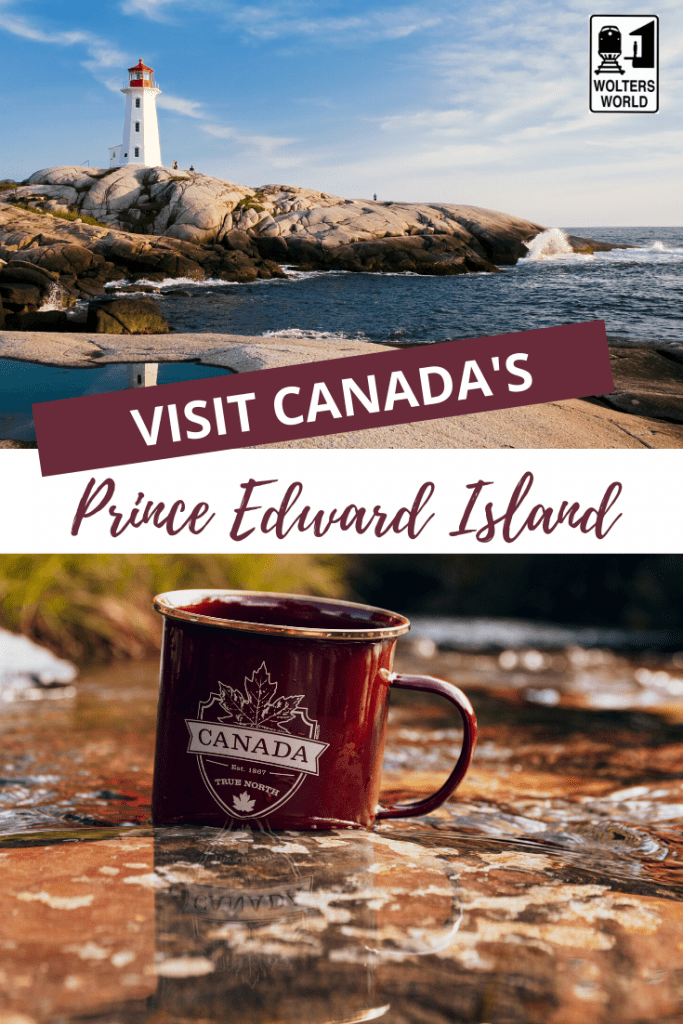
Hey there, fellow travelers! Today, we’re talking about Prince Edward Island in Canada. It’s a great place for a family vacation in the summertime! This Canadian province is one of three maritime provinces, along with New Brunswick and Nova Scotia. Although PEI is Canada’s smallest province, there are still plenty of things to do in PEI. These are some of our recommendations for your Prince Edward Island vacation.
Visit Green Gables
The primary reason we decided to visit PEI is that Jocelyn is a big fan of the novel “Anne of Green Gables.” You can visit the home that inspired Lucy Maud Montgomery to write the book. It’s fun to read the book and watch the mini-series ahead of time. This is probably the most popular tourist attraction on the island, so nearby you’ll see a lot of touristy things, like mini-golf and carnival rides. Avonlea Village is another attraction inspired by the novel, where you can stroll through shops and cafes in an old-time setting.
PEI is our favorite region in Canada. It is gorgeous.
Beaches of Prince Edward Island
Prince Edward Island has some excellent beaches, including Cavendish Beach, which is close to Green Gables. PEI National Park runs along the north part of the island and has several fun beaches to explore. Basin Head Beach was named the best beach in Canada, so that’s another must-see beach on PEI. Surprisingly, the water isn’t as cold as you think it would be!
Charlottetown is the capital city of Prince Edward Island. It’s also the largest city on the island with a population of almost 40,000. There’s actually a lot of interesting history here, which is best experienced on a walking tour. There are also boat tours on the harbor and horse-drawn carriage rides. Don’t miss the ice cream at Cow’s, near the harbor!
Lots of fun to be had in PEI.
Brackley Drive-In
If you’re looking for things to do in PEI at night, there’s a drive-in movie theater in Brackley Beach. It’s not specifically a family-friendly theater, so you do want to double-check what is showing before you promise your kids a night at the movies.
Driving Tour of the Island
The best thing to do in Prince Edward Island is just to explore by car at your own pace. There are loads of small lanes to explore, with hidden beaches and beach towns. It’s a pretty small island, so there’s really no way to get lost. And you can drive the entire island in a day easily, depending on how often you stop. Charlottetown is relatively central, so it makes a great base for your PEI vacation.
Of course, seafood is fantastic on PEI. We had excellent mussels and lobster, plus lots of amazing desserts. There’s some pretty good local beer in PEI, but we all loved the raspberry cordial drink from Green Gables.
Jocelyn met her life long hero Anne Shirley.
When is the Best Time to Visit PEI?
The climate here changes quickly so there’s a fairly short season to visit Prince Edward Island. May through September is the best time to visit PEI. Winter in PEI can be harsh and snowy, and a lot of tourist attractions are only open seasonally. Given that the majority of tourists visit in summer, you do need to book ahead of time before all the PEI hotels are full.
These are just a few of our favorite memories from our Prince Edward Island vacation. The best part of visiting PEI is the opportunity to relax and unwind while enjoying a slower pace of life. Looking for more Canada travel tips? Check out these other blog posts:
Hey there, fellow travelers! Today, we’re in Vis, Croatia! We love to help travelers prepare for their vacations, and other than telling you the best things to do, we love to share the things that will shock you upon arriving in a new destination. Today we’re sharing the top ten travel shocks of Croatian culture.
Croatia Culture Shock #1: The Stone Beaches
The beaches of Croatia look so inviting, but you’ll get the first shock of your Croatia vacation when you step barefoot on to a beach. They are not soft, sandy beaches. Croatia beaches have small stones, rocks and pebbles…and they hurt your feet! Make sure you bring some water shoes.
Croatia Culture Shock #2: Number of Tourists in Dubrovnik
When you visit the historic center of Dubrovnik, you’ll be shocked at how many tourists they can fit into town. The cruise ships arrive in the morning, releasing thousands of passengers into Dubrovnik for the day. If you aren’t visiting Dubrovnik on a cruise, you can enjoy how quiet the town gets in the evening, after the cruise ships depart.
so much to enjoy in Croatia.
Croatia Culture Shock #3: Historic Stone Cities
Croatia has beautiful stone cities, with so much history. Dubrovnik still has the city walls you can walk on, Šibenik has St. James Cathedral, and Split where the historic city was built inside of a Roman palace, and many cities with narrow, winding cobblestone streets. Croatia has seven UNESCO World Heritage Sites, many of them in the historic city centers.
Croatia Culture Shock #4: Architecture in Croatia
It’s really cool to see how various architectural influences show up in Croatia. The Venetians ruled for a time, so there is a lot of Italian influence, and even a Colosseum. In Zagreb, you can see the Hapsburg influence which is reminiscent of Austrian architecture. It’s an interesting way to follow the history of Croatia, through the architecture.
Croatia Culture Shock #5: Intense Heat & Sun in Summer
It can easily reach 100 degrees in Croatia in the summer, and it’s oppressively hot. Visiting Croatia in the shoulder seasons is the way to have good weather in Croatia. You’ll also have fewer tourists to content with, too. There are a ton of mosquitos in the summer, too, so the best time to visit Croatia is spring or fall, for milder temperatures.
Rovinj with the boys on our first visit to Croatia.
Croatia Culture Shock #6: National Pride
The Croatians are so proud of their country, and they take really good care of it. It’s not just national pride, but regional and local pride as well. Most Croatians are very proud of their hometown and they’ll tell you it’s the best city in Croatia. Historic areas and museums of Croatia are really well preserved and well cared for. On that note, do not call this area Yugoslavia; Croatia became independent in 1991, so it hasn’t been “Yugoslavia” for a very long time.
The tourist infrastructure in Croatia is fantastic; not just in the most popular areas. There are tons of buses and ferries to help you travel around Croatia. There are lots of restaurants and hotels in Croatia, and tons of nightclubs, too.
Croatia Culture Shock #8: English is Widely Spoken
With so much tourism in Croatia, there are many English speakers in Croatia. It’s shocking how well many Croatians speak English. It is very easy to travel in Croatia, even if you don’t speak the local language.
Croatia Culture Shock #9: Natural Beauty in Croatia
It’s not just beautiful women! There is so much natural beauty in Croatia, it’s really shocking! The coastline and the islands are magnificent, then there are mountains and waterfalls, and the Lake District. This all combined makes Croatia one of the most beautiful countries in the world.
Croatia Culture Shock #10: Cost of a Croatia Vacation
After reading and seeing for yourself how awesome Croatia is, with UNESCO World Heritage Sites, beaches, islands, mountains, waterfalls and history, you will be shocked to find out how affordable a Croatia vacation can be. This is what makes Croatia great; it’s so much more affordable than other places in Europe, so many Europeans vacation here in the summer.
look at all those burned tourists. Use sunblock!
We hope these ten shocks of Croatian culture make you want to visit Croatia, and lessen the shocks you have upon arrival. Have you taken a Croatia vacation? We’d love to hear what shocked you; just leave a comment below! For more Wolters World travel tips, check out these blog posts and videos:
Hey there, fellow travelers! Today, we’re talking about travel to Iceland. If you really want to travel around Iceland and see the countryside, you’re going to have to rent a car. Driving in Iceland will give you total freedom to stop when you want and explore at your own leisure, but there are some definite drawbacks as well. That’s why we’re sharing the five things you’ll love, and the five things you’ll hate, about driving in Iceland.
Love #1: Beauty of Iceland
The reason you are visiting Iceland is to see the majestic landscapes. As you are driving around Iceland, you won’t be disappointed. Through your windshield, you’ll see glaciers, icebergs, mountains, and fjords. The best thing about Iceland driving is that you can take any backroad you want to, and go searching for hot springs on a whim.
The roads in Iceland range from dirt paths to narrow paved roads. There are one-lane bridges, which can really test your driving skills. Many roads do not have a shoulder or a guardrail, and you might be looking at a precipitous drop-off. Or, fog may be obscuring your view entirely. The wind is another issue when driving in Iceland; it can whip off the ocean suddenly and catch you off guard. On top of all this, you also have to look out for sheep in the road!
It is so gorgeous you will want to stop all the time for pictures.
In a lot of our “love & hate” posts, we mention local drivers as a hate, but not in Iceland. Icelanders are a very rule-following society, so they really do follow the rules of the road. They aren’t going to zoom past you or muster up any road rage at you. The drivers to look out for are the other tourists. Also, if a local warns you about a road, listen to them!
Hate #2: Steep Mountain Passes
Iceland is not a flat country. In fact, a lot of the roads you will drive on are winding mountain roads with lots of switchbacks. Some of them are even closed in the winter, but you could run into freezing rain or snow almost any time of year. (Remember, this is also on narrow roads with no guardrails!)
Love #3: Convenient Pull-Outs
The roads in Iceland have a lot of pull-outs where the popular sights are. You don’t have to block traffic and park in the middle of the road to take your pictures. You can easily pull off the road and get out to enjoy the views along the way. They are very well-marked as well, so you know when they are coming up.
Hate #3: Cyclists and Hitchhikers
In addition to watching out for sheep on the road, you also have to be mindful of so many cyclists. They are often in the road and don’t always ride single-file, so it can be hard to pass them, especially on some of the more narrow roads in Iceland. Hitchhikers are also a common sight on the roads in Iceland. They aren’t typically dangerous; just something else to watch out for as you drive around Iceland.
Yeah, Jocelyn wasn’t super happy on the switchbacks.
Love #4: Convenient Sights Near the Road
It’s almost like the main road in Iceland was built specifically to bring you to the best attractions. The N1, or the Ring Road, goes right by a ton of the major sights that you’d want to see. Lagoons, glaciers, waterfalls, and so much more are really easy to reach from the highway.
Hate #4: Driving Manual Transmission
If you’re coming to Iceland from the US, you probably expect to have an automatic transmission when you rent a car. However, in Iceland, most of the rental cars are still manual transmission. If you don’t know how to drive a stick shift vehicle, then you can expect to pay a lot more for your rental car. Make sure you read the fine print when you reserve your car so you get something you are able to drive!
Love #5: Lack of Traffic
Even though Iceland tourism is growing every year, traffic is still pretty light. So, if you’re a little nervous about driving in Iceland for the first time, there’s usually nobody to rush you or drive you off the road. You can really take your time and drive at your own pace without worrying about anyone else rushing you on your Iceland road trip.
Hate #5: Lack of Services
As you travel around the countryside of Iceland, you’ll notice that the gas stations and restaurants are rather sparse. Iceland only has about 350,000 residents and about half of them live in Reykjavik. Once you leave the capital city, there’s not much out there. It’s not necessarily a bad thing, but you should make a habit of topping off your tank anytime you see a station. And if you’re visiting Iceland with kids, make sure you keep some snacks in the car!
Iceland really is a magical destination, and well worth exploring at your own pace with a rental car. Don’t let the “hates” of Iceland driving intimidate you, as there’s really nothing to fear about an Iceland road trip. Take your time, enjoy the sights, and pull over often to take photos! Want more of our family travel tips? Check out some of these other blog posts:
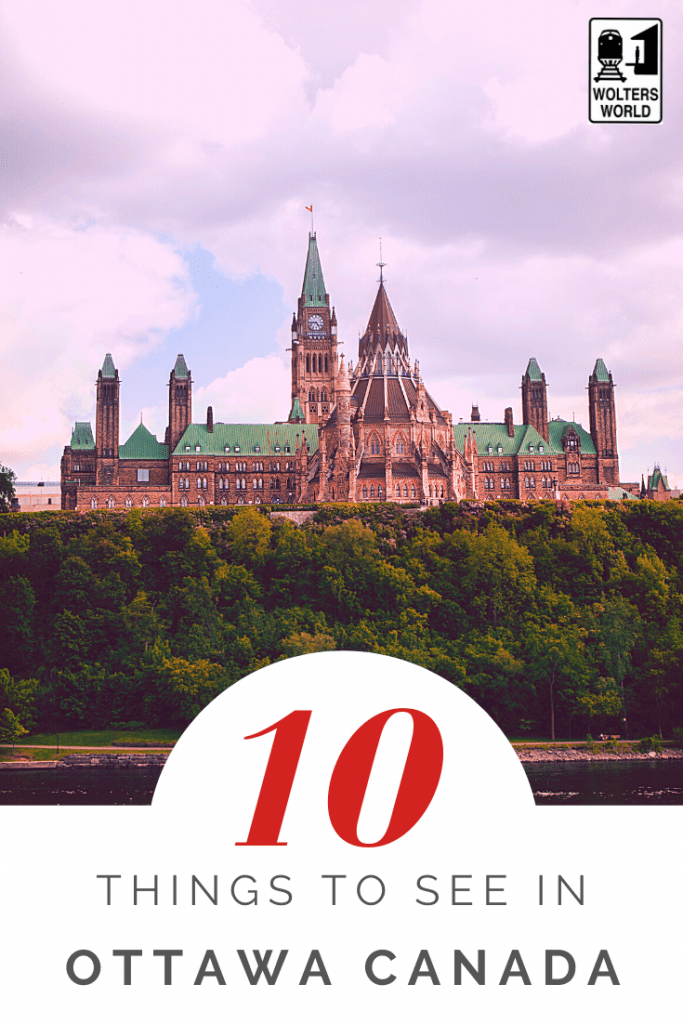
Hey there, fellow travelers! Today, we’re talking about Ottawa, Canada. It’s the capital city of Canada, and with a population of just under one million residents, it’s really a great city to visit. We think you will be pleasantly surprised at all the things to see when you visit Ottawa. These are our top ten things to do in Ottawa, Canada.
Byward Market
One of our favorite places to go in Ottawa is the Byward Market. There’s the traditional market where you can get fresh fruits and vegetables, but there’s also some excellent restaurants and bars in the area, and it’s a great place to shop. It’s not just about the market, it’s just a fun area to walk around and explore. It’s also a great place to find cheap eats, which can be challenging elsewhere in Ottawa.
Lots of fun things to do in Ottawa
Visit Parliament Hill
When you’re in the capital city, you may as well visit the home of Canada’s Parliament. Parliament Hill overlooks the Ottawa River and is in a beautiful Gothic building. They offer free guided tours of the House of Commons and the Senate, although you do need to reserve tickets ahead of time online.
Canadian Museum of History
One of the best Ottawa museums is the Canadian Museum of History, formerly known as the Canadian Museum of Civilization. It’s a great place to learn about the human history of Canada. In addition to compelling exhibitions that include a Children’s Museum and the First People’s Hall, the architecture and the riverside location also make this a worthy stop when you visit Ottawa.
If you prefer art museums, then check out the National Gallery of Canada. It’s one of the largest art museums in North America and houses the largest collection of Canadian art in the world. Canadian art isn’t quite world-famous, so it’s actually really cool to see some lesser-known artists. From Impressionist to Indigenous art, you can easily spend half a day browsing the collection. There’s also a cafeteria, a tapas bar, and a coffee shop as well as a really nice gift shop if you need a souvenir to bring home.
hanging out at the parliament.
Gatineau Park
On the Quebec side of the river, Gatineau Park is a great place to escape the hustle and traffic of the city. It’s a huge park just outside of the city and has a ton of fun activities to offer. There are hiking, biking, and walking trails. Lakes and waterfalls throughout the park and in the winter, there are ski trails through the woods. You can even take the bus to the park if you don’t want to drive. This is where you’ll find most of the locals on any nice summer weekend in Ottawa.
Canadian War Museum
You don’t actually hear much about Canada’s role in the major wars, but they actually played a really big part in many of the wars of our history, including WWI and WWII. The Canadian War Museum has a great collection of artillery and equipment, but also has a nice representation of the history and the people behind the stories, including the families back home during the wars. There’s also an impressive War Memorial near the Rideau Canal.
Rideau Canal
The Rideau Canal runs from the Ottawa River through the city, and it’s another great place for urban recreation. There’s a pathway that follows the canal through the city, and you can rent bikes at a few places to ride along the canal. You can also see the locks in action. In winter, the canal freezes over, and locals frequently skate on the frozen canal. There’s a ton of beautiful architecture and scenery along the canal, so make sure you save time for a stroll.
Experience Ottawa Multiculturalism
Aside from experiencing Canadian culture in Ottawa, you can explore several different neighborhoods of different ethnicities. Ottawa has a great Chinatown and a Little Italy neighborhood, where you can experience the multiculturalism that Canada is known for. Rather than a melting pot of cultures, Canada celebrates and embraces different cultures, and encourages their uniqueness.
If you’re in Prague, you eat a Trdelnik. If you’re in Italy, you have a gelato. In Canada, you eat Beaver Tail. Don’t worry, it’s not actually any part of the beaver! It’s a sweet treat you can buy at street stands almost anywhere in Canada. It’s like the Canadian version of an elephant ear.
These are just our ten favorite Ottawa experiences. There are many more things to see in Ottawa, including the Museum of Nature, which is perfect for kids. At only two hours from Montreal, Ottawa makes the perfect weekend trip for those looking to experience the capital of Canada. Looking for more Canada travel tips? Check out these other blog posts:
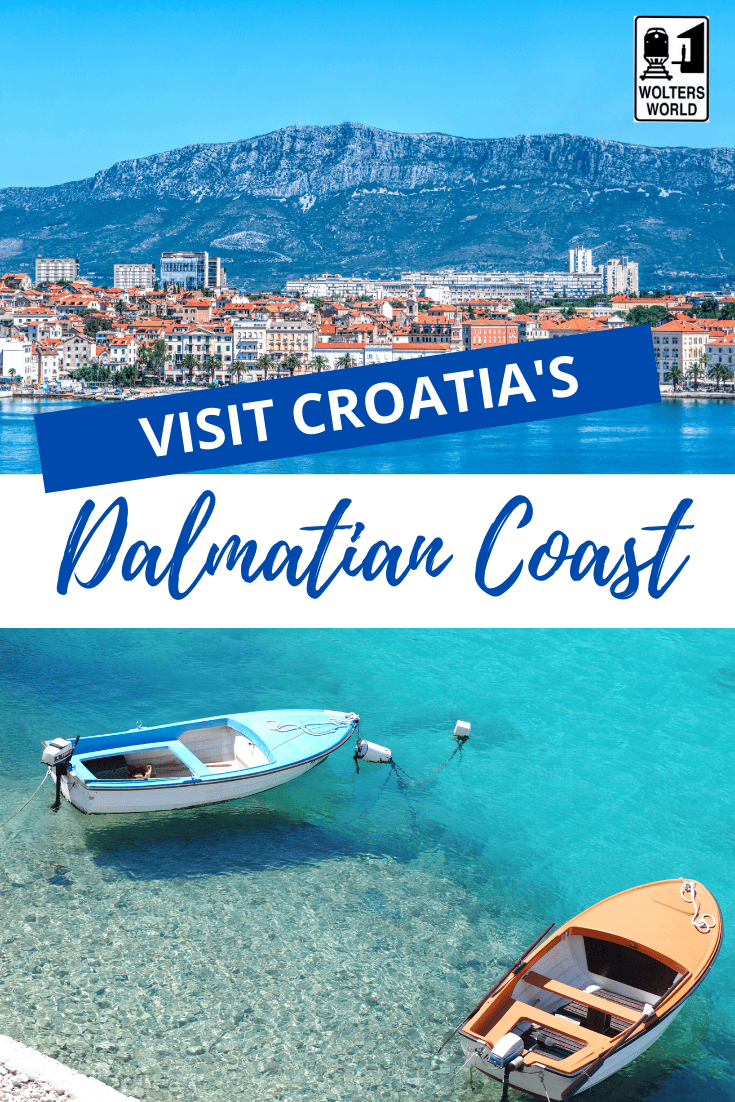
Hey there, fellow travelers! Today, we’re talking about the Dalmatian Coast Croatia. With destinations like Split, Trogir, Korčula, and more, there are a ton of cool things to see and do along the Dalmatian Coast. Split, Croatia is a great central location along the Croatia Dalmatian Coast. Split is the perfect home base for most of these destinations, and you can easily take day trips from there by ferry, bus, or taxi.
Saint Domnius Cathedral & Diocletian’s Palace
One of the most popular attractions in Split is Diocletian’s Palace and the Saint Domnius Cathedral. There is a lot of history here that’s tied to the Roman Empire, and the Palace is a great place to learn about it. An entire city was built within the walls of the palace. Today, there are tons of small little alleyways to explore in what was once the palace.
The interior square of the palace complex is one of my favorite places in Split. It sits at the base of the bell tower, surrounded by Roman columns. It’s a great place to start your exploration of the city. You’ll soon see why Diocletian’s Palace is designated as a UNESCO World Heritage Site.
Split Museums
The locals have a lot of pride in their history and their city. As a result, there are a lot of smaller, niche museums to visit. There’s the City Museum, an Ethnographic Museum, as well as several art galleries. Ivan Meštrović is one of the most famous Croatian artists; the sculptor is from Croatia, and several of his statues can be seen around Split. There’s now even a Game of Thrones museum for fans of the series.
Yes the water is that gorgeous.
Split Nightlife
Like many Mediterranean beach towns, Split has a lot going on at night as well. There are tons of restaurants and bars along the Riva, which is the beachfront promenade of Split. Many other villages along the Dalmatian Coast can be sleepy, so if you’re looking for things to do after the sun goes down, Split is an excellent choice.
Getting Around Split
Split is relatively small, so it’s easy to get around. It is a stop for many Mediterranean cruise ships, so the harbor is also where the bus station and the train station are located. You can easily take a bus to or from the airport to get into the city. From the harbor, it’s very easy to grab a ferry to explore some of the Dalmatian Coast islands.
Some views around the Dalmatin Coast.
Dalmatian Coast Beaches
Croatia is quickly becoming a beach destination, with beautiful beaches all along the coast as well as on nearby Dalmatian Islands. These aren’t soft, sandy beaches, so make sure you bring your water shoes to save your feet! There are beaches up and down the coast, so take a few days to find your favorite.
The food here is good, and there are a few local things you should try. We always ask the waiter what the local specialty is, as it can change from town to town, and we always want to eat what the locals are eating. Of course, pizza and gelato are pretty good in Croatia, too!
Black Risotto made from squid ink
Homemade Gnocchi
Soparnik, a savory Croatian pie with Swiss Chard inside
For a short day trip from Split, head to the yachting town of Trogir. It’s a small town, and most cruise ships will stop here for a couple of hours to let travelers wander the streets for a bit. There are a few fun things to see if you decide to visit Trogir. There are a couple of small fortresses or castle ruins scattered around the area, including Kamerlengo Castle. Further into town, make sure you visit the cathedral to see the intricate stone carvings, as well as the bell tower, which is a cool example of many different periods of architecture.
Hiring a tour guide in Trogir is recommended, as they can really add to your visit and explain a lot of the historical significance in the architecture. From Split, it’s easy to reach Trogir by bus or taxi in just 40 minutes.
Korčula Croatia
Another beautiful destination along the Dalmatian Coast is Korčula. Not only is this one of the beautiful Dalmatian Islands, but it’s also the home of Marco Polo. In the summer, you can visit the Marco Polo house, as well as the Marco Polo Museum. The St. Mark’s Cathedral in town has some spectacular art on display, so that’s well worth a visit. The City Museum is a former home and is a good place to understand the history of the island and how life has changed for residents. The Icon Museum was one of my favorite things to see in Korčula.
There’s a great area along the city wall and the waterfront that has several restaurants. One of the best things to do in Korčula is to rent a boat or take a boat trip to see the beaches. Of course, if you are visiting on a day trip from Split, you will be on a ferry for about four hours, which leaves you just enough time to walk around town before returning to Split for the evening.
Šibenik
Another amazing spot along the Dalmatian Coast is the town of Šibenik, which is about an hour northwest of Split. One of the most famous attractions near Šibenik are the waterfalls along the Krka River. Like many small towns along the Dalmatian coast, the best thing to do is just to wander the narrow cobblestone streets and explore at your own pace. The waterfront is also lined with cafes and restaurants, so you can enjoy a wonderful view of the sea while you relax with a glass of Croatian beer.
Other things to see in Šibenik include these spots:
St. James Cathedral, which is a UNESCO World Heritage Site
Šibenik City Museum – one of the best small-town city museums I’ve been to
St. Michael’s Fortress – summer concerts are really popular here
Gardens at St. Lawrence Monastery
Lots of children’s activities, including a small aquarium
Krka Waterfalls are the main thing to see near Šibenik, so you should absolutely make time to go see them. There are boardwalks around the falls, so you can walk around to see them from different angles. You’ll be in the sun, so don’t forget a hat and sunscreen! The falls are about 25 minutes from town, so you can drive, take a bus, or sign up for a tour from Šibenik.
Most travelers pass right through Šibenik en route to the waterfalls, so it’s really a nice town to explore, and much more affordable than some of the other areas along the Dalmatian Coast.
These are just some of my favorite spots along the Dalmatian Coast. There are lots of cool places to explore in Croatia, as well as nearby Montenegro and Slovenia. While less popular than nearby Italy, Croatia tourism is growing every year, so we suggest going sooner rather than later! Want more travel tips for Croatia and the Mediterranean? Check out some of our other blog posts:
Hey there, fellow travelers! Today, we’re dishing out tips about traveling during high season. Of course, we love traveling off-peak and in the shoulder season, but sometimes summer and school holidays are the only times we can get away. So, we’re sharing our best budget travel tips for dealing with high season travel, whether you’re going to Europe in summer or Mexico for spring break.
Plan Ahead
Last minute deals are great, but they are a bit of a unicorn during the peak season. Depending on where you are traveling to, all of the accommodation may book up months in advance, leaving you with very few options. Flights are usually scheduled up to a year in advance, so you can keep an eye on flights and buy when the price is within your budget.
We also recommend booking as much as you can before you arrive. For example, if you are visiting Europe in summer, you will need to pre-book your tickets for popular attractions like the Louvre or the Colosseum. Make sure to reserve skip-the-line tickets whenever they are available. This may reduce your flexibility, but you’ll save so much time over waiting in line for some of these attractions.
You don’t have to spend the big bucks if you plan ahead.
Compare Different Websites
We’re pretty loyal to Delta, but that doesn’t mean we don’t check prices on several websites before purchasing. Many people use Kayak or Skyscanner, and the Hopper app will predict if prices are going to drop or increase. When you do your trip research, make sure you use “incognito” mode. Some websites use cookies to show you different prices based on your search history.
Consider Alternate Locations Near Your Destination
Many international destinations have fantastic public transportation systems to help you get around. So you can save a lot of money on accommodation by staying outside of the city you are visiting. For example, when visiting Amsterdam, I like to stay in Haarlem. It’s a quick train ride to Amsterdam, but much less crowded and much more affordable. You can easily explore Amsterdam as much as you want, and have the experience of another Dutch city that’s not so touristy.
Likewise, choosing less popular spots nearby allows you to avoid some of the crowds during high season. Rather than spending a week in Paris, maybe you go to the Loire Valley or Normandy. You still get to experience French culture, cuisine, and history. But you won’t have the crowds and the high prices of Paris. Many times, the smaller “out of the way” towns are some of our favorites of all of our travels.
Don’t forget to visit early to beat the lines.
Find Accommodation With a Kitchen
If you visit a smaller town during peak season, you might have trouble even getting a table at a restaurant! Service will be lacking and prices will be inflated, so we like to rent an apartment where we can do some cooking at home in addition to eating out. This also happens to be one of our top family travel tips, as eating out with kids three times a day can be tiring, especially in places like Spain where dinner is served very late.
Pay Attention to Amenities When Booking Accommodation
With inflated accommodation pricing, you want to be sure you’re not paying for anything that you’re not going to use. For example, we visited Crete for the beautiful beaches; there is no reason to pay more for a hotel with a swimming pool. By really zoning in on the amenities you need, you can save money on accommodation. Be realistic about how much you will use the gym or the spa while you’re on vacation.
Start Your Days Early
If you are visiting a city like Paris or Rome during the high season, the best thing you can do is to start your days early. Jet lag can usually actually help with this. Get up and hit the museums and attractions as early as you can, as the crowds will build throughout the day. Generally, things get going much later in these cities due to late nights and 9 pm dinners, so you can usually beat the crowds by heading out around 9 or 10 am. This applies to amusement parks like Disney World, too. People like to sleep in on vacation, so you can get a jump start on the day if you’re willing to get up earlier.
High season doesn’t mean you have to bust your budget.
Pick Cheaper Destinations for High Season Travel
Since we know peak season travel means higher prices, you can help your travel budget by choosing cheaper destinations. Spain, Portugal, and Greece will be much more affordable than France, Germany or Switzerland.
You can also save a lot of money by choosing other airports to fly into. When we last visited Greece, we actually found a great flight into Sweden, so we started our trip there. We got to visit some Baltic countries before heading to Greece, and we saved a lot of money on our flights. Just don’t forget to factor in all of your transportation costs, including train tickets, when you are comparing different destination cities.
We use all of these strategies and tips to save money when we travel during the high season. People always ask how we can afford to travel, and this is how. We save money where we can, and splurge on what matters. Money saved on a peak season trip may enable us to add another trip to our calendar in the off-season. Looking for more family travel and budget travel tips? Check out these other blog posts:
Hey there, fellow travelers! Today, we’re traveling to the Central American country of Nicaragua. A lot of people do not have the most positive perspective on Nicaragua, but it’s really a cool place. The Iran-Contra affair was over 30 years ago, so it’s time to gain a new perspective on Nicaragua as a travel destination. There are a ton of cool places to visit in Nicaragua, so let’s share our tips so you can start planning your own Nicaragua vacation.
Places to Visit in Nicaragua
There are many cool places to visit in Nicaragua. Aside from the Corn Islands to the east, we recommend sticking to the western and southern parts of Nicaragua. The capital city, Managua, was destroyed in an earthquake in the 70s and has not really been rebuilt to be of much interest.
Lake Nicaragua is a huge lake in the southern part of the country. There are volcanoes in the lake, as well as an island you can visit.
San Juan del Sur has some of the best Nicaragua beaches for surfing. It’s the Nicaragua surf capital!
For a more urban experience, Granada is one of the most popular destinations in Nicaragua. It’s a beautiful colonial city, with volcanoes nearby.
Near Granada, you have Las Isletas de Granada, a group of 365 islands full of wildlife and adventure opportunities.
Tourism is relatively new in Nicaragua, so it helps if you can speak some Spanish. You won’t find as many English speakers as Costa Rica and Belize, so knowing a little bit of Spanish will be helpful. Even if it’s just “hello, please, thank you, goodbye” the locals will be so appreciative of your attempt to communicate with them.
We loved Nicaragua & you will too.
Prices in Nicaragua
Nicaragua is a very affordable destination. You can expect to pay between $25 to $30 per night for decent accommodation. Of course, you can spend more or less depending on your budget.
Eating out in Nicaragua is super cheap. We ate breakfast at the market for $2 apiece. At a restaurant, you might spend $4 or $5, which is still a great deal.
Transportation in Nicaragua is also super affordable, so all around this is a cheap vacation once you arrive.
Nicaragua Currency
The local currency in Nicaragua is Cordobas, but you can also pay in US dollars if you need to. Cash is still mostly preferred, so it’s good to have some on hand. Make sure you have smaller bills since the prices are so low. Some places in the larger cities will accept credit cards, but it’s safe to just have cash just in case. Finding an ATM can be challenging, so make sure you bring some cash from home!
Is Nicaragua Safe?
Obviously, you want to keep your usual travel sense about you, especially in the larger cities. However, we found Nicaragua to be very safe and comfortable. Use the hotel safe, split your cash into different spots, and don’t flash expensive jewelry or electronics. These travel safety tips apply to any destination, not just Nicaragua.
If you take buses around the country, keep an eye on your belongings. This also applies to the beach; make sure one person in your party can stay with your belongings while you are out surfing or swimming.
The biggest danger in Nicaragua might be the sun and the heat. I used 70 SPF on my face and still got a sunburn. The sun is incredibly strong in Nicaragua. Make sure you have sunscreen and bug spray because the mosquitos can be annoying.
Plan to tip around 10% when you eat out in Nicaragua. Since prices are so low, it’s easy to be generous with the tipping, and it will be much appreciated. We leave a few bucks a day for the cleaning staff at the hotel as well. 10% is also the general guideline for any drivers or tour guides that you would want to tip.
At the boarder between Nicaragua and Costa Rica.
Shopping in Nicaragua
Don’t expect to find a lot of souvenir shops in Nicaragua. Since tourism hasn’t really taken off yet, the souvenir industry hasn’t moved in quite yet. You’ll find the usual t-shirts and cigars, but don’t plan on a lot of shopping during your trip. The shops they do have tend to close early, so make sure you do your shopping early in the day, rather than waiting until evening. A lot of places are closed on Sunday, so plan ahead!
Getting Around Nicaragua
There are a few ways to travel around Nicaragua. The most popular is probably the “chicken bus.” These are old school buses that now serve as public transportation. You’re just as likely to have a chicken or a goat sitting next to you as you would another passenger. The buses transport cargo, livestock, and people! This is the cheapest way to get around Nicaragua. You’re looking at less than a dollar for an hour-long ride. If you plan to get around using these buses, make sure you pack lightly!
If you want to splurge a bit, you can also opt for an express bus, which has fewer stops and is usually more comfortable. It’s also pretty cheap to hire a private driver through your hotel.
Time is usually the determining factor in which method of transportation you choose. Chicken buses take the longest, but you can flag them down almost anywhere, and it’s by far the cheapest option.
Taxis in Nicaragua are shared, meaning someone else might hop in with you. You don’t pay for the whole taxi; you pay for your seat in the taxi. If you want the whole taxi to yourself, just let the driver know you want to pay for the whole car.
Staying Connected in Nicaragua
With AT&T cellular service, we had mobile and 4G service in many places around Nicaragua. There are also internet cafes around if you need to hop online. If you prefer, you can buy a new SIM card for Nicaragua. It’s easy to buy one at the border crossings or at the airport.
Exploring around Nicaragua.
Water in Nicaragua
Do not drink the tap water in Nicaragua. Hotels will have big jugs of filtered water for you to drink and also to use to brush your teeth. The same goes for ice or raw fruit and vegetables; use caution and your best judgment. It’s always better to be safe than sorry. We did not have any issues, but we were cautious.
Remember, you don’t flush anything down the toilet, including toilet paper. There will be a basket next to the toilet where you can throw your TP and anything else. The plumbing is too old to handle paper, and this is pretty common in Latin American countries.
Electricity in Nicaragua
Electrical outlets in Nicaragua are the same as in the United States so if you’re coming from the US, you won’t need any converters or adapters.
Food in Nicaragua
Like many Central American countries, beans and rice are a staple in Nicaragua. It’s served at pretty much every meal. Expect rice and beans and eggs for breakfast, and rice & beans with chicken or beef for lunch and dinner. There’s a ton of fresh fruit and fresh fruit juices. The street food in Nicaragua is really good. We loved quesillos and nacatamales the most!
Tona and Victoria are the two local beers I recommend trying while you are in Nicaragua. Tona is really smooth, while Victoria is just slightly bitter. Rum is also a local specialty, so try the Flor de Cana rum in Nicaragua.
Nicaragua is a great budget-friendly alternative to nearby Costa Rica, which has higher prices as it’s a more popular destination. We felt very safe there, and would highly recommend Nicaragua as a family adventure destination! Want more tips on travel in Central America? Check out these other blog posts!
This website uses cookies to improve your experience. We'll assume you're ok with this, but you can opt-out if you wish.AcceptRead More
Privacy & Cookies Policy
Privacy Overview
This website uses cookies to improve your experience while you navigate through the website. Out of these, the cookies that are categorized as necessary are stored on your browser as they are essential for the working of basic functionalities of the website. We also use third-party cookies that help us analyze and understand how you use this website. These cookies will be stored in your browser only with your consent. You also have the option to opt-out of these cookies. But opting out of some of these cookies may affect your browsing experience.
Necessary cookies are absolutely essential for the website to function properly. This category only includes cookies that ensures basic functionalities and security features of the website. These cookies do not store any personal information.
Any cookies that may not be particularly necessary for the website to function and is used specifically to collect user personal data via analytics, ads, other embedded contents are termed as non-necessary cookies. It is mandatory to procure user consent prior to running these cookies on your website.