Hey there, fellow travelers! Today, we’re talking about mistakes that people often make when they visit Amsterdam. While many travel blogs will tell you the best things to do in Netherlands, we want to be sure you know about the things you should NOT do when you travel to Amsterdam. We brought in some local help for this post, with our friend from Dutchified.
Mistaking a Coffee Shop for a Cafe
Amsterdam has long been a destination for partying and drug-taking since drugs are legal in Amsterdam. However, the terminology of where you can buy cannabis in Amsterdam is confusing. A coffee shop in Amsterdam is a place where you can purchase and consume cannabis. A cafe is what you might expect a coffee shop to be elsewhere. It’s a place to purchase coffee and baked goods. It’s not where you go to buy cannabis.
Buying Drugs on the Street
The whole point of having legalized drugs in Amsterdam is to have them regulated so you know what you’re getting. If you bypass the coffee shops and opt to buy drugs on the street, there’s no telling what’s mixed into them.
Underestimating the Strength of Drugs in Amsterdam
While marijuana is legal in more states in the US these days and travelers may be used to purchasing it legally, the potency of these drugs can vary quite a bit. If you choose to partake in the drug scene in Amsterdam, start off slow and give yourself time to adjust. Do not assume anything in Amsterdam is the same strength as what you’ve experienced at home. Again, part of legalization is having access to knowledgable vendors who can help you make a choice that is right for you.
Only Visiting the Red Light District
Amsterdam has long been branded as an “Adult Disneyland” with legal drugs and prostitution. However, that’s pretty much confined to the Red Light District of Amsterdam. There are so many other great things to see in Amsterdam, and it’s a shame that many travelers never leave the Red Light District. There’s a Museum District, markets, canals, and amazing architecture. When it comes to Amsterdam sightseeing, there are some really great museums, from major art museums to small niche museums. Don’t miss out on them!
If and when you DO visit the Red Light District, be respectful of the workers there. Do not photograph the women in the windows; they are just doing their job and taking their photos is very disrespectful.
Missing Other Parts of the Netherlands
Besides missing out on great Amsterdam neighborhoods, there are also great day trips from Amsterdam that allow you to experience Dutch culture outside of the big city. I’ve stayed in Utrecht and Haarlem, both of which are a quick train ride away from Amsterdam. Not only will you save a ton of money on accommodation, but you will also see a different side of the Netherlands, one that is less touristy. The Netherlands is actually quite small, so you can get around the entire country very quickly.
With a reputation as a party city, Europeans from all over converge on Amsterdam nearly every weekend. There are very rarely any good deals to be had in Amsterdam over the weekend. We recommend visiting Amsterdam during the week or staying outside the city.
Lots of hugging of friends in Amsterdam.
Overpacking
This is a common problem Americans have when coming to Europe. In Amsterdam, all of the buildings are tall, narrow, and historic. That means very narrow staircases, not elevators. If you are renting a flat in Amsterdam, be prepared for steep stairs to reach your accommodation. The lighter your suitcase, the happier you will be.
You HAVE to pre-book tickets if you want to visit the Anne Frank house in Amsterdam. Without a pre-booked ticket, you could wait hours in line only to never get in. This is an important part of Amsterdam’s history that you don’t want to miss out on: pre-book your ticket before you go!
Expecting Dutch Culture
Amsterdam is really an international city. You wouldn’t visit New York and expect to experience the full breadth of American culture. Yes, you will find Dutch food in Amsterdam, but you’ll also find Japanese food, Italian food, and many other international cuisines. To really experience a culture, you have to get out into the smaller towns and villages. Don’t try to just eat Dutch food, as you’ll be pretty limited in what you eat. Jocelyn’s favorite restaurant in Amsterdam is solely based on avocados. There are great Indonesian and Thai restaurants in Amsterdam.
When it comes to food in Amsterdam, street food is really where it’s at. Bitterballen are a popular street food snack in Amsterdam. They come piping hot out of vending machines.
Don’t miss out on the grub! The bitterballen are my favorite.
Avoiding Public Transportation
Amsterdam is quite small and traffic is often congested, so while you may be tempted to take an Uber or a taxi, it’s much quicker to use the public transportation. Actually, most places you will visit in Amsterdam are easily reached on foot or bicycle.
Trams are everywhere, and an easy way to get around. However, there’s a certain “tram etiquette” you should know about. Not all doors are meant for entry and exit. The front doors are the entrances, while the rear doors are for exiting. This helps alleviate congestion at the tram stops.
Bicycle Mistakes of Amsterdam
Biking is a major form of transportation in Amsterdam. The bike lanes here are like freeways, and you cannot just step into them. That said, renting a bike in Amsterdam is a quintessential experience you should have. You just need to know the rules of the road, don’t take up a whole lane, and don’t ride in the wrong direction. Be sure not to ride in the tram lanes, as your bike tire can easily get stuck and cause an accident.
Amsterdam is a fun city full of culture and excitement. By avoiding these common tourists’ mistakes, you’ll have a great time when you visit Amsterdam and the Netherlands. Want more tips on travel in the Netherlands? Check out some of our other blog posts:
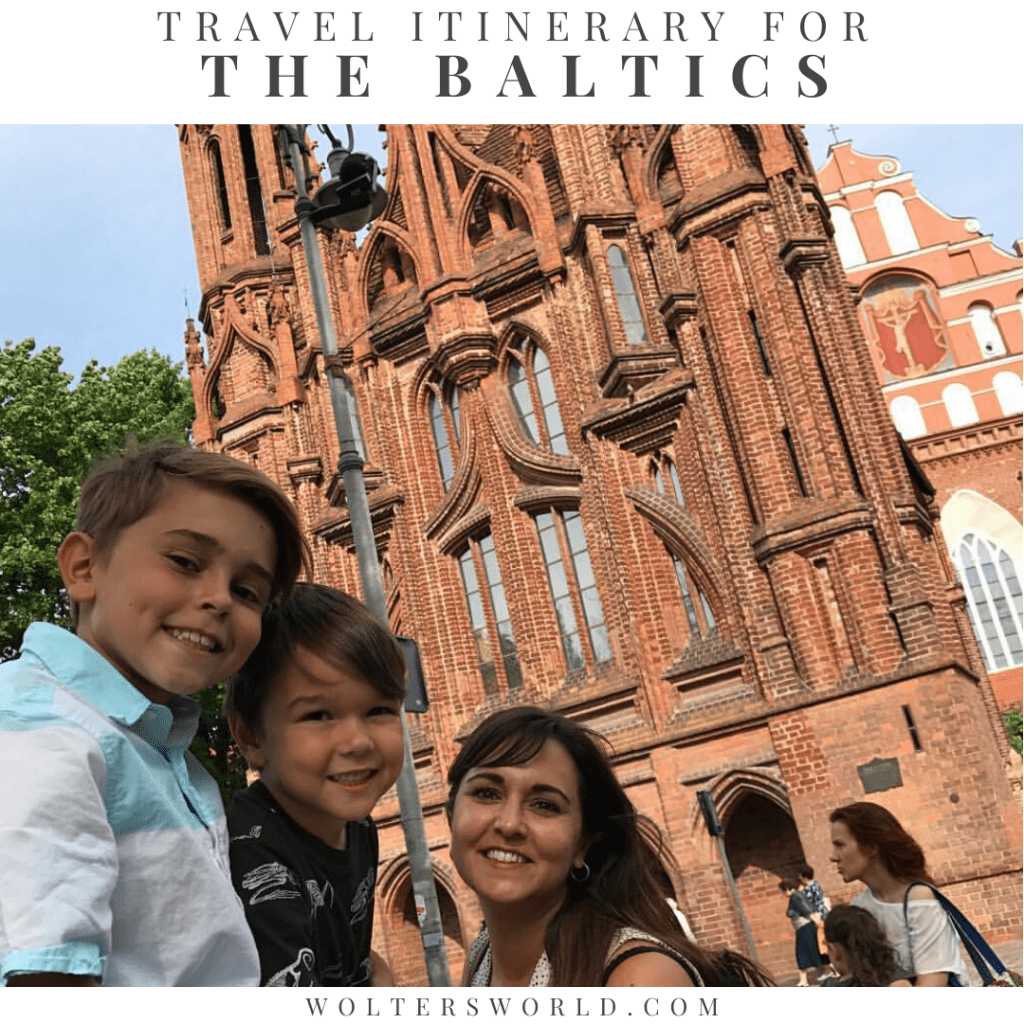
Hey there, fellow travelers! Today, we’re talking about how to build a travel itinerary to the Baltics region, which includes Latvia Lithuania, and Estonia. Sometimes the most difficult part of travel is deciding where to go and building out a travel itinerary. There are so many cool places to visit in the Baltics that it can be hard to narrow them down. This tour includes the Baltic capitals of each country, but don’t be afraid to venture out to smaller towns as there are many things to see in the Baltic region.
Tallinn, Estonia
Tallinn is a great place to start your Baltics itinerary. It’s one of the largest cities in the Baltic states, it has a good-sized airport, and is also one of the most visited cities in the region. There’s a ferry from Helsinki that arrives several times a day, and the ride only takes two hours. So, if you are spending several days in Tallinn, you can also make a day trip to Finland! There’s also an overnight ferry from Stockholm and a bus from St. Petersburg. In short, there are many ways to arrive in Tallinn.
Once you reach Tallinn, some of my recommendations for things to do include:
Tallinn Old Town is a UNESCO World Heritage Site. Walking around Old Town is really my favorite thing to do in Tallinn.
Visit the Alexander Nevsky Cathedral, a beautiful Russian Orthodox Cathedral on a hill in Old Town.
Tallinn’s Town Hall Square is one of the prettiest squares in Europe and a great place to start your day of exploration in Tallinn.
Check out several Tallinn museums, including the Estonian History Museum, the Tallinn City Museum, and The Museum of Occupations.
Tip: Try to avoid visiting Tallinn on the weekends; they get a lot of weekend tourists from nearby countries, and it drives the prices way up!
Get ready for some nature on your travels.
Riga, Latvia
A four-hour bus ride from Tallinn will bring you to Riga, the capital of Latvia. Riga is known regionally as a party city. A lot of Europeans grab a quick flight here on the weekends to enjoy the affordable food and drink. Bars and restaurants are a major attraction in Riga. However, some other things to do in Riga include:
Riga’s Old Town, which is also a UNESCO World Heritage Site, is full of amazing Art Nouveau buildings.
Visit the Occupation of Latvia Museum, where you can learn about Nazi and Soviet occupations of Latvia.
There are several parks and canals in Riga, and a summer boat ride is a great way to spend an afternoon here.
Go to LIDO for some tasty Latvian food
Visit The Ethnographic Open-Air Museum of Latvia just outside of town.
Another four-hour bus ride takes you from Riga to Vilnius, the capital of Lithuania. I used to work in Lithuania, and have many fond memories of Vilnius. Of the three cities in our Baltics itinerary, Vilnius is the most affordable for accommodation and dining. My recommendations for your visit to Vilnius are:
Vilnius Old Town, which is also a UNESCO World Heritage Site. There are several cool churches and squares to explore as you walk around Old Town.
The Palace of the Grand Dukes of Lithuania has a lot of cool historic information
Climb Gediminas Hill and the castle tower for views out over Vilnius
Take a day trip to Trakai, to see the castle, and enjoy some outdoor recreation on the lake.
While I do recommend spending as much time in each of these cities as you can, realistically most of us have limited vacation time. This Baltics itinerary is meant to help you enjoy a 10-day trip to the region, getting to know the three capital cities. Looking for more tips on travel in Eastern Europe? Check out these other blog posts:
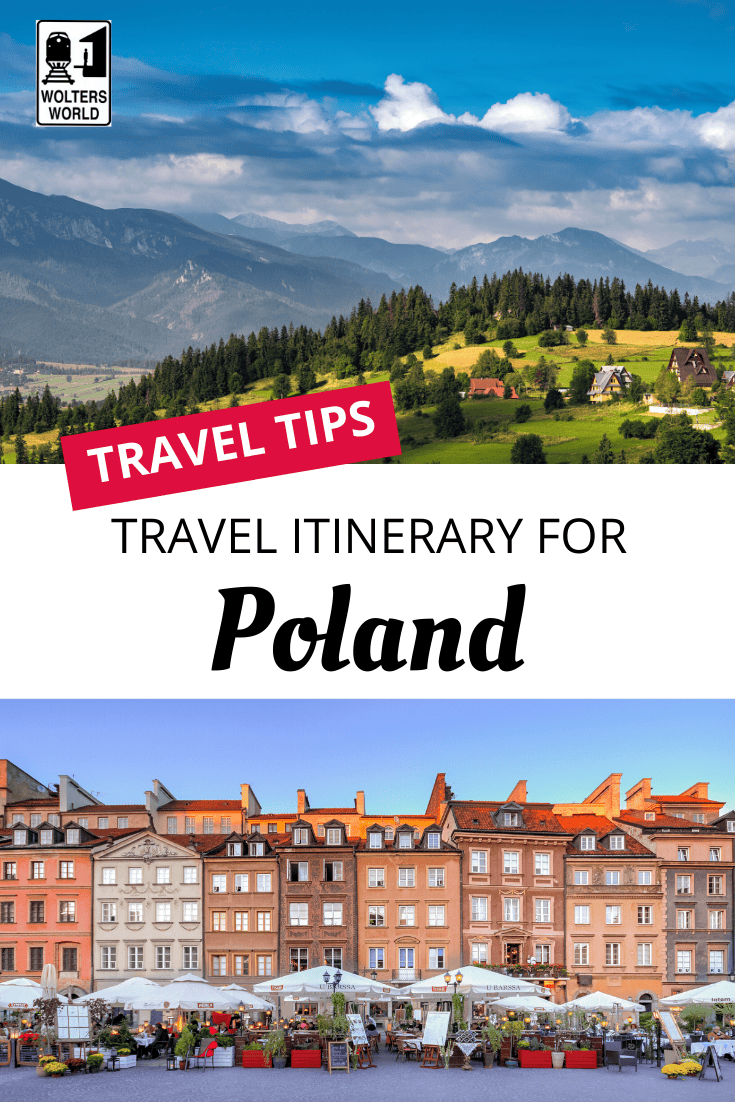
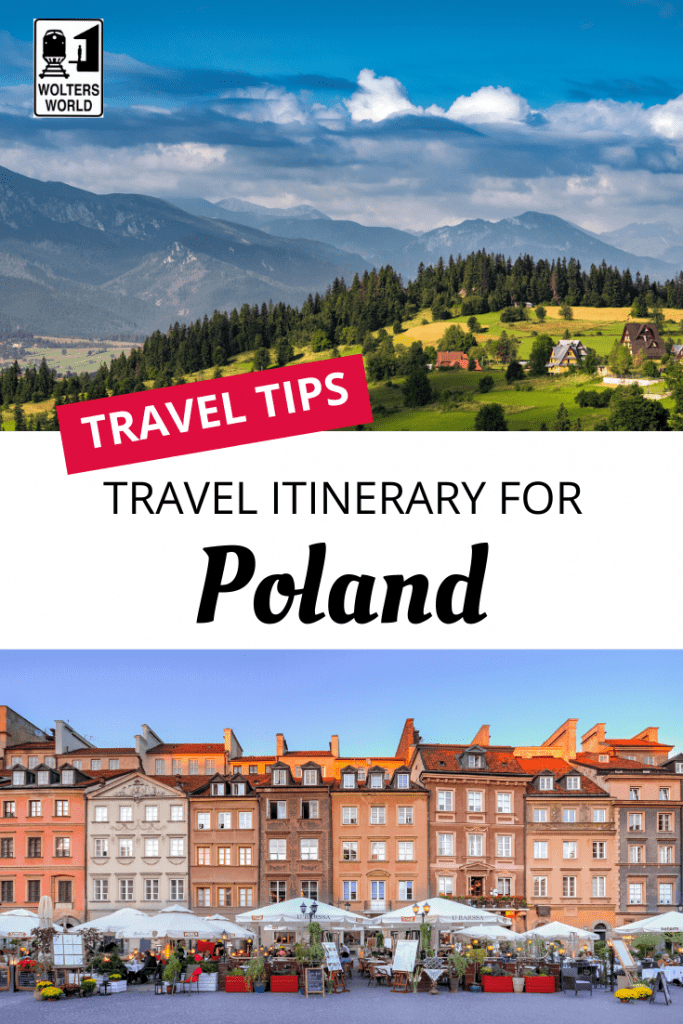
Hey there, fellow travelers! Today, we’re talking about Poland, an underrated travel destination in Central Europe. I love recommending a Poland trip to our friends and followers. I’ve made many trips to Poland, so I want to share the best cities to visit in Poland. This list of the best places to visit in Poland will help you start planning your Poland trip.
Gdansk
Start your Poland itinerary in the north of Poland, in Gdansk. Gdansk is a major shipping port on the Baltic Sea. It also happens to be where World War II started. The Old Town is incredible, with monuments and churches. The harbor is also a popular thing to see in Gdansk, with harbor tours readily available. If you are looking for a good souvenir to bring home, Gdansk is a big part of the amber trade, so you will see a lot of amber for sale in Gdansk.
Baltic Beaches
Staying along the Baltic coastline of Poland, take a few days to explore the tiny resort towns of the Polish seaside. Swinoujscie and Sopot are two of the better-known Polish beach towns, but there are dozens of small beach towns known mostly only to locals and Germans who flock here in the summertime.
Masurian Lake District
Many people know of the UK’s Lake District, but did you know that Poland also has a Lake District? The Masurian Lake District in northeast Poland has more than 2,000 lakes. If you are looking for an affordable, relaxing family summer vacation, rent a lake home in this district. Be sure to stop at Malbork Castle on your way down from Gdansk!
Wroclaw
Traveling towards the southwest of Poland, not far from the border of the Czech Republic, Wroclaw has one of the prettiest town squares in Poland. Wroclaw is much less touristy than some other cities in Poland, so it gives you an authentic feel for Polish culture. The town is full of interesting historic and cultural sites.
Warsaw
The capital city of Poland, Warsaw is another fun city to explore. The National Museum has one of the best collections of art in Eastern Europe. Check out the uprising museum and the old town square, which has been completely rebuilt after WWII.
In the southeast of Poland, Lublin is a cute little town with a historic center. Like Wroclaw, not many tourists visit Lublin, so you really get a sense of Polish culture and history here, without all the trappings of more popular tourist towns.
Krakow
I think Krakow is the prettiest city in Poland. Krakow receives about 10 million visitors per year, so the tourist infrastructure is well-developed. Some of the best things to see in Krakow include the town square, St. Mary’s church (which is on the largest square in Europe,) and Wawel Castle, the first UNESCO World Heritage Site in the world. Krakow is also a good base for a day trip to the nearby Auschwitz-Birkenau concentration camps.
Two hours south of Krakow is the alpine paradise of the Tatra Mountains, the highest mountain range in the Carpathian Mountains. This region is an outdoor adventure paradise in both summer and winter. The ski resorts are incredible, and a fraction of the price of skiing in Switzerland or Germany.
Getting Around Poland
Travel within Poland is primarily by bus or train, and it’s not the fastest system. However, it’s very affordable! Just be realistic with your travel times and how much time you allocate between cities.
There are many more places to visit in Poland; this is just my quick list of the best places to visit in Poland. With enough time, I encourage you to travel all over this great country and enjoy the scenery, culture, and food! Looking for more tips on Central Europe travel? Check out these other blog posts:
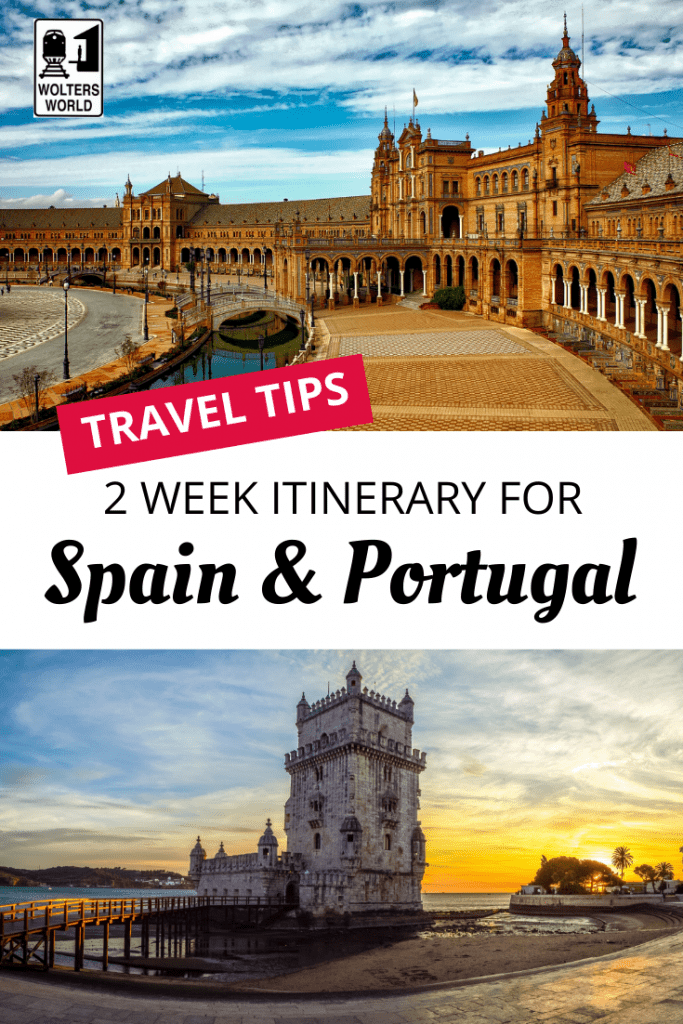
Hey there, fellow travelers! Today, we’re talking about how to build a travel itinerary to the Iberian countries of Spain and Portugal. Sometimes the most difficult part of travel is deciding where to go and building out a travel itinerary. There are so many cool places to visit in Spain and Portugal that it can be hard to narrow them down. Since most Americans get a two-week vacation at the most, we’re going to share our recommendations for a two-week Portugal and Spain trip.
Spain and Portugal Vacation Overview
The best option for this Spain and Portugal itinerary is to buy a multi-city ticket so you can make the most of your travel time. Before we get into the details, here’s an outline of this Spain and Portugal trip planner. We recommend spending 2-3 days in each of these locations, adding more day trips as you see fit.
Fly to Barcelona
Train to Madrid
Train to Seville
Bus to the Algarve
Train from the Algarve to Lisbon
Train from Lisbon to Porto
Fly home from Porto
Your budget will like this trip too.
Barcelona, Spain
Barcelona is a great place to start your Spain and Portugal itinerary. Experience the Catalan culture of Barcelona and see some of the highlights of the city:
Explore the Gothic neighborhood of Barcelona
Visit the Sagrada Familia
Go to Park Güell to see more of Gaudi’s work
Hit the Barcelona beaches and beach bars (and clubs if you can stay up late enough!)
Visit Barcelona Museums, including Museum Nacional Catalunya, and the Picasso Museum
From Barcelona, you can reach Madrid by train in under three hours. Spain’s capital city has some of the best museums in the world. Some of the best things to see in Madrid include:
The Prado Museum, one of my favorite museums in the world
There are also some good day trips from Madrid if you have some extra time:
Segovia is a World Heritage City, just 30 minutes from Madrid by train. It’s best known for the castle and the Roman aqueduct.
Toledo was the capital of Spain before it moved to Madrid. Just one hour from Madrid by train, Toledo is still the home of the Catholic Church in Spain and has some pretty amazing architecture.
just hanging around Iberia
Seville, Spain
From Madrid, make your way south to the city of Seville. The train from Madrid to Seville is about 2 ½ hours and you’ll find yourself in a stereotypical Spanish village. Enjoy paella and flamenco, attend a bullfight, or visit the cathedral and gardens. An easy day trip from Seville is to visit Cordoba for the afternoon. There, you’ll see the Mezquita-Catedral, which is a church built inside of a 7th-century mosque.
From Seville, take a bus to the Algarve region of Portugal in under three hours. The Algarve is the beach resort region of Portugal, and you’ll be pleased to find prices in Portugal much cheaper than in Spain, which is already very affordable. Spend as much time as you’d like to explore the various beaches of the Algarve before continuing your Portugal and Spain trip in Lisbon.
Lisbon, Portugal
I lived in Lisbon for five years, so it’s near and dear to my heart. There are so many cool things to do in Portugal’s capital city. Some of my favorite things to do in Lisbon include:
Experience the amazing nightlife in the Barrio Alto
Visit the castle on the hill for amazing views of Lisbon
Visit the Jerónimos Monastery
Tour Belém Tower, a 16th-century fortress that marks the entrance to the city
Try the custard tart at Pasteis de Belém
Visit the Gulbenkian Museum, a once-private collection of art and antiques
Visit the local beaches near Lisbon
Take the city train out to Sintra to see the palace
Lastly, you will wrap up your itinerary in Porto, Portugal. Porto has much more of an “old-world” feeling to it, and it’s a great city to explore. Porto is most famous for port wine, and visiting the wine caves to sample port wine is one of the most popular things to do in Porto. Other things to see in Porto include:
Explore the food and drink of the Ribeira district
Visit the Porto Cathedral, one of the oldest monuments in the city
Go inside the São Bento train station to see the Azulejos blue tiles
Eat a francesinha, which is like a “drowned sandwich” and they are so good!
From Porto, you can fly back home to end your Spain and Portugal vacation.
While I do recommend spending as much time in each of these cities as you can, realistically most of us have limited vacation time. This Spain and Portugal itinerary is meant to help you make the most of your time on your first trip to the Iberian Peninsula while giving you the chance to experience two unique countries and cultures. Looking for more tips on travel in Europe? Check out these other blog posts:
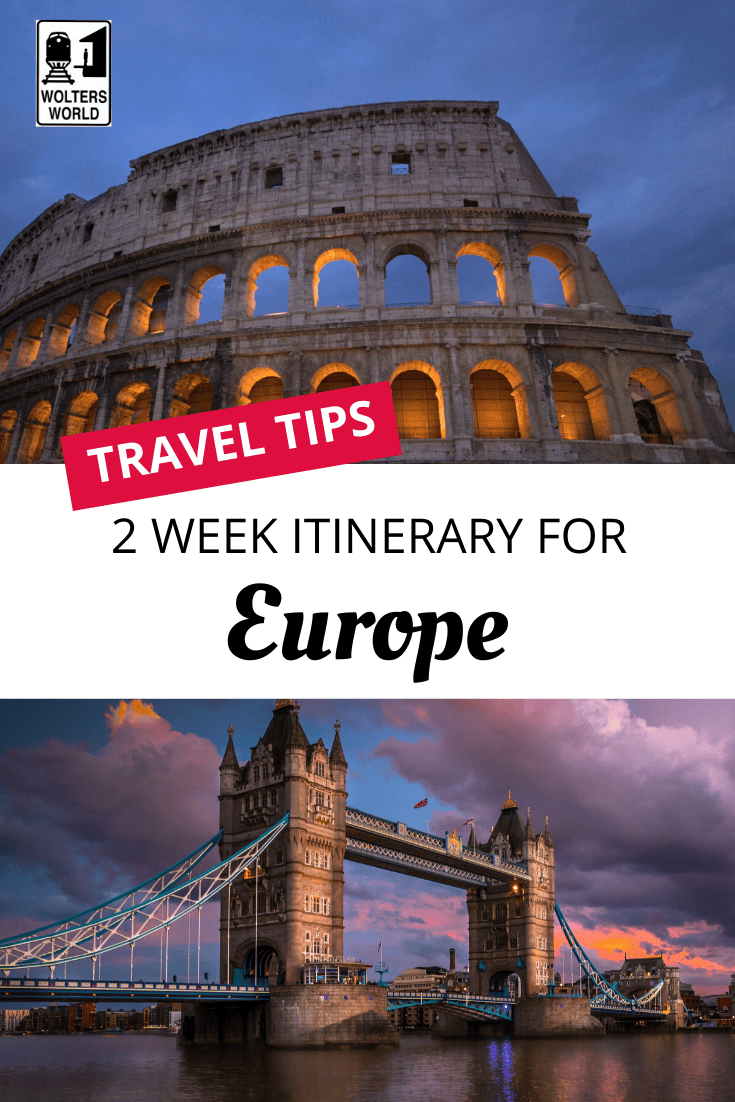
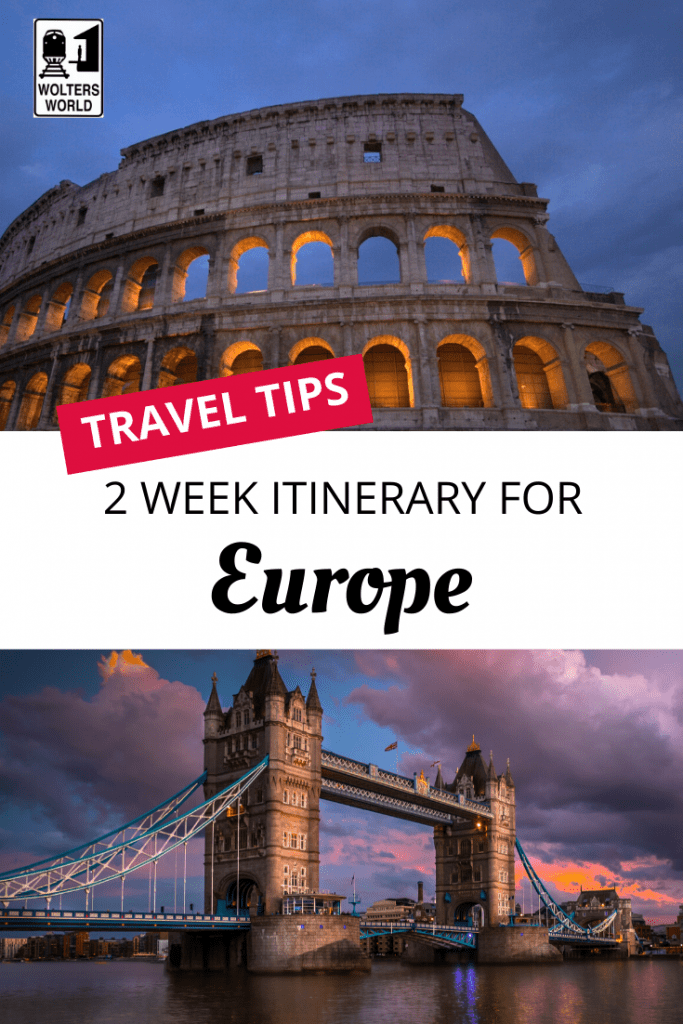
Hey there, fellow travelers! Today, we’re talking about how to build a travel itinerary to some of the best cities in Europe to visit. Sometimes the most difficult part of travel is deciding where to go and building out a travel itinerary. There are so many cool places to visit in Europe that it can be hard to narrow them down. Since most Americans get a two-week vacation at the most, we’re going to share our recommendations for two weeks in Europe. If you are traveling to Europe for the first time, this is the perfect Europe trip planner for you.
Europe Itinerary Overview
The best option for this European itinerary is to buy a multi-city ticket so you can make the most of your travel time. Before we get into the details, here’s an outline of this Europe trip planner.
Fly to London
Train to Paris
Fly to Prague
Fly to Rome
Fly home from Rome
Did you say you wanted to see iconic Europe?
Three Days in London
London is a great place to begin your first trip to Europe. There are frequent flights from many cities in the US, often for a good price. If you’ve never traveled abroad before, then arriving in an English-speaking country is a good first step.
Some of our favorite things to do in London include:
See Big Ben and the Parliament
Visit the (free!) British Museum
Visit the Tate Art Gallery
See a Shakespeare production at the Globe Theater
Visit Westminster Abbey
See the Crown Jewels at the Tower of London
Experience London pub culture and eat some pub grub
Watch the changing of the guard at Buckingham Palace
If you want to see more of England, there are some easy day trips from London. Hampton Court is the palace of King Henry VIII. The University town of Cambridge is also a fun day trip from London.
From London, the train to Paris takes less than three hours. You’ll want to spend at least three days in Paris in order to see the major highlights. Contrary to popular belief, you can see Paris without spending a ton of money. We love to buy food on the street or at the market, and just hang out in the local parks, people watching.
A few of our favorite things to do in Paris include:
If you only visit one museum in Paris, visit the Louvre. It’s a huge museum, and it can take at least half a day to see the highlights.
See the famous Impressionist paintings at Musee d’Orsay.
Take a stroll down the Champs Elysee.
Visit the Arc de Triomphe. (Enter underground; don’t try to cross the roundabout!)
Visit the Eiffel Tower. If you are claustrophobic, don’t try going to the top, the elevators are packed! You can just as easily enjoy the tower from the park below; there’s even a playground for kids to run around in.
Explore other neighborhoods of Paris; Montmartre is one of our favorites and we usually stay there. The Latin Quarter is also fun and full of students.
Take a boat tour of the River Seine; evening tours are really neat as you can see everything lit up.
Enjoy Parisian cuisine and wine. Of the four cities in this Europe itinerary, Paris has the best food, so enjoy it!
There are also many great day trips from Paris. The cathedral at Chartres, Monet’s Giverny, the Palace of Versailles, and the Loire Valley are all excellent day trips from Paris.
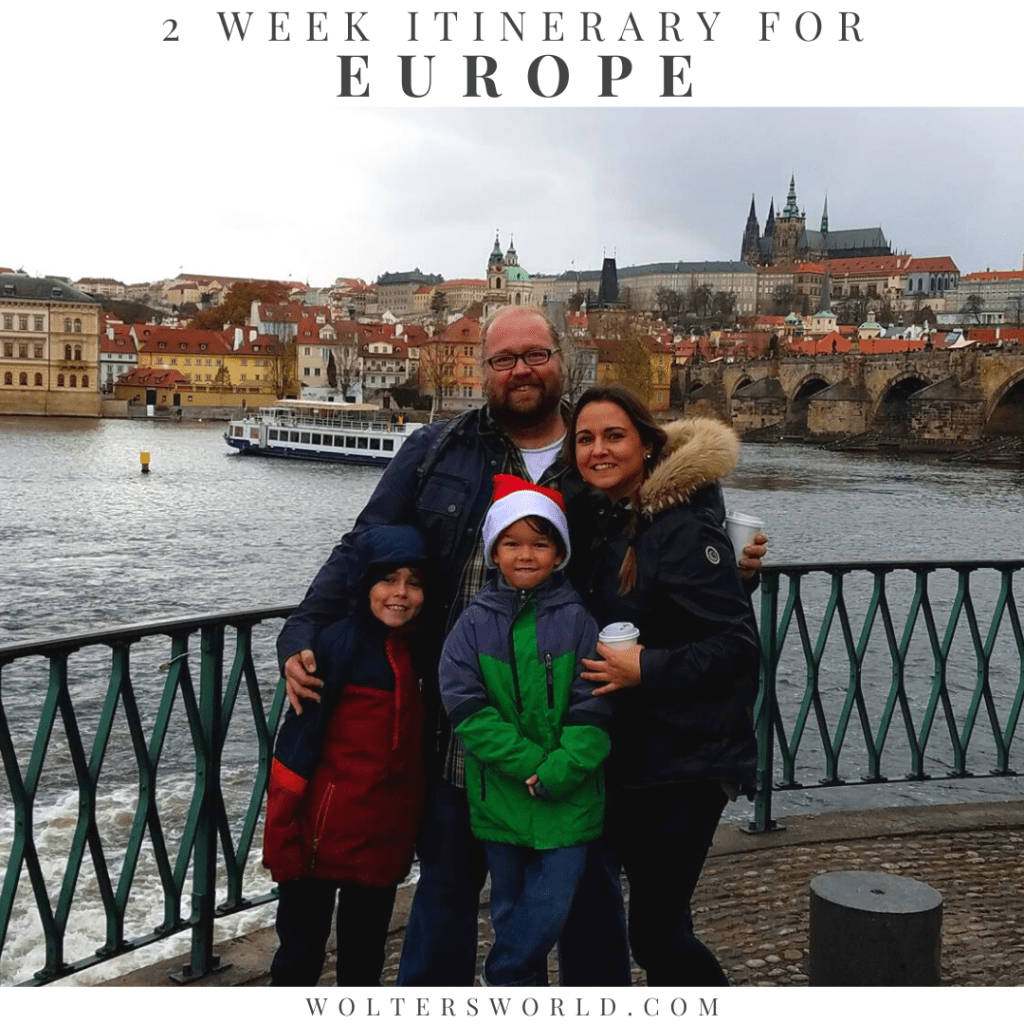
From Paris, it’s easy to catch an inexpensive flight to Prague. You’ll arrive in less than two hours to one of my top three favorite cities in the world. Prague was spared from World War II more than other countries, so the historic architecture is truly fascinating.
Some of my favorite things to see in Prague include:
Old Town Square
Astronomical Clock
Charles Bridge
Jewish Quarter and the Jewish Cemetery
Prague Castle and St. Vitus Cathedral
Sampling Czech cuisines, like duck, dumplings, and beer
From Prague, we head south to Rome. The flight is just under two hours, and you’ll likely find good fares with a low-cost carrier. Rome is the perfect city to wrap up your first trip to Europe. With many iconic Roman historic sites, a trip to Rome is a must! Just make sure you pre-book tickets for the most popular attractions, or you’ll spend the better part of your time in Rome just waiting in lines.
Some of the best things to do in Rome include:
The Colosseum
The Vatican Museums and the Sistine Chapel
Villa Borghese Art Collection
Flip a coin into Trevi Fountain
Climb the Spanish Steps
Explore the smaller streets and squares just off the tourist plazas to get a sense of the “real Rome”
While I do recommend spending as much time in each of these cities as you can, realistically most of us have limited vacation time. This Europe itinerary is meant to help you make the most of your time on your first trip to Europe while giving you the chance to experience four unique countries and cultures. Looking for more tips on travel in Europe? Check out these other blog posts:
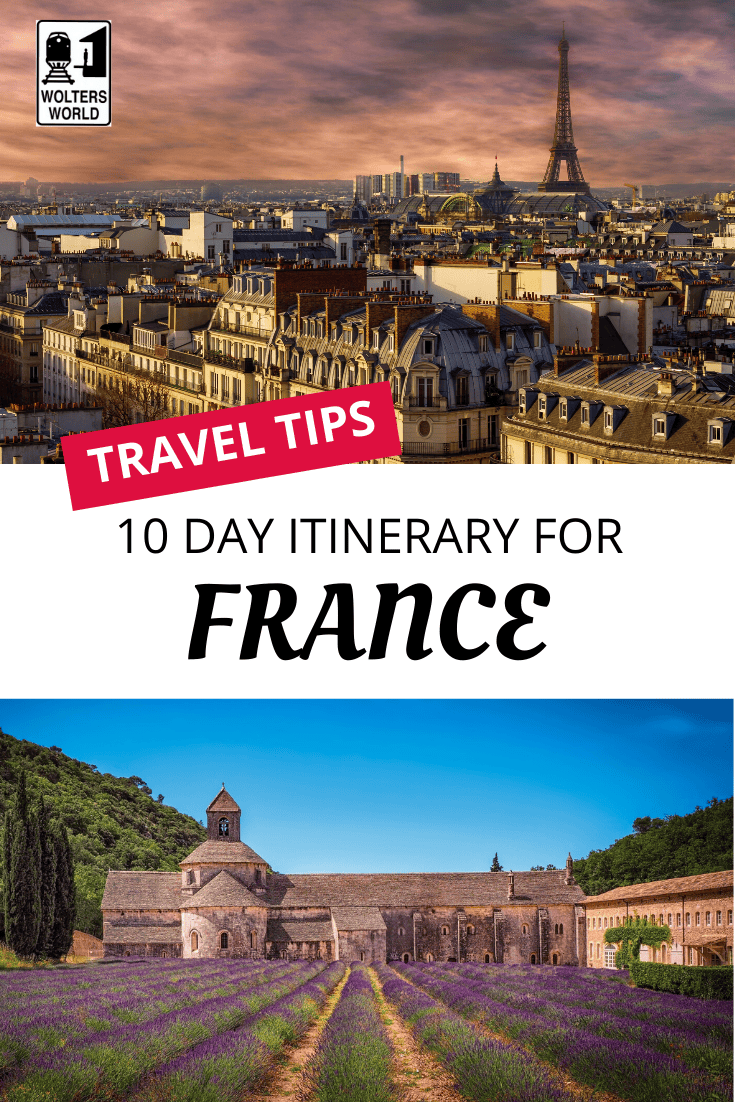
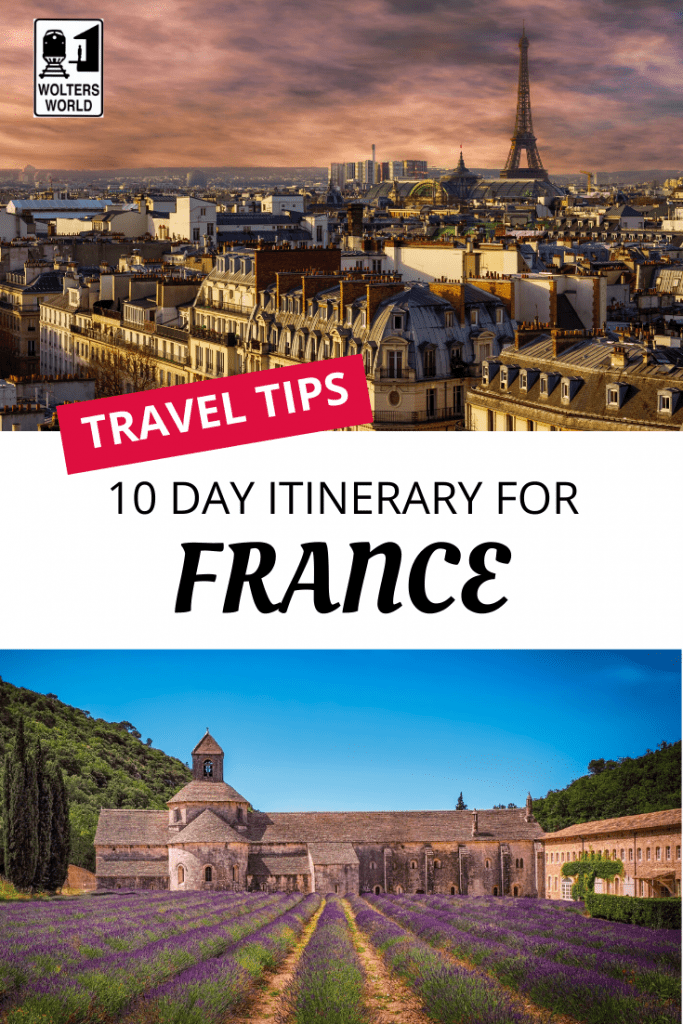
Hey there, fellow travelers! Today, we’re talking about all of the amazing places to visit in France. Paris is one of the most visited cities in the world, but there’s a ton of other places to go in France. There are so many variations of France travel itineraries that it can be hard to narrow down. So today we’re sharing our favorite French destinations to help you plan 10 days in France.
Three Days in Paris
You will likely start your France itinerary in Paris, as it’s where most international flights arrive. We recommend spending three days in Paris, exploring the major sights of the City of Lights. A few of our favorite things to do in Paris include:
Visit the Louvre, but have a plan ahead of time for the items you want to see. Otherwise, this can take up a whole day of your trip!
See the famous Impressionist paintings at Musee d’Orsay.
Take a stroll down the Champs Elysee.
Visit the Arc de Triomphe. (Enter underground; don’t try to cross the roundabout!)
Visit the Eiffel Tower. If you are claustrophobic, don’t try going to the top, the elevators are packed! You can just as easily enjoy the tower from the park below; there’s even a playground for kids to run around in.
Explore other neighborhoods of Paris; Montmartre is one of our favorites and we usually stay there.
Take a boat tour of the River Seine; evening tours are really neat as you can see everything lit up.
Enjoy Parisian cuisine and wine. Don’t forget all of the sweet desserts, too! (Remember, taxes and service is already included in the menu price!)
There is so much to see in France, pick a region & fall in love.
Day Trips from Paris
You can stay in Paris and still enjoy some excellent day trips out of the city. Disneyland Paris and Versailles are two of the more popular day trips from Paris.
Three Days in Normandy
Normandy is a beautiful spot in Northern France, best known for the D-Day beaches. Americans especially will want to visit this important historic site from World War II. I recommend taking the train from Paris to one of the towns in Normandy, and renting a car from there to explore the countryside.
Rouen is a great home base in Normandy, as it’s a larger town with good public transportation connections. Bayeux is another good spot to stay in Normandy, as it has some great museums and easy access to the D-Day beaches.
Got to love a rain soaked visit to Versailles.
Some of the best things to see in Normandy include:
The D-Day Beaches: Omaha Beach, the American cemetery at Omaha, Utah Beach, and the Paratrooper Museum.
The Battle of Normandy Museum in Bayeux, as well as the Bayeux tapestry
Rouen and the cathedral that was painted by Monet several times
Sample the local apple cider and fresh seafood.
Visit Mont St. Michel, the famous abbey on an island and one of the most famous pilgrimage sites for over 1200 years.
If you are visiting France with kids, Normandy has some really great carnivals.
From Normandy, either drive or take the train to the Loire Valley. This is the former playground of French royalty. The valley is dotted with dozens of ornate castles and estates. Amboise is a good home base for your stay in the Loire Valley. We recommend only seeing one or two chateaux per day. Otherwise, they all start to blend together.
In addition to visiting the chateaux of the Loire Valley, there are many cool things to do in the region.
It’s one of the best wine-making regions of France, so a wine-tasting tour is a great idea.
Duck is a local specialty, so make sure you try some while visiting
Tour the chateaux by bicycle or hot air balloon! There are specialty tours of all kinds in the Loire Valley
From here, it’s only about 90 minutes by train to get back to Paris for your flight home. If you have more time to spend in France, then we recommend heading south to Provence and/or the Cote d’Azur for a few more days.
Avignon, where the Papal Palaces were
Arles, with the Roman ruins
Nimes, with more Roman history
Visit the French Riviera beaches of Nice, Cannes or even Monte Carlo
many years of visiting France
We love exploring all of the regions of France, including Paris. We have visited many times with our kids, and we look forward to visiting many more times in the future. Narrowing down a France itinerary to ten days is difficult, as there are just so many cool things to see in France.
Looking for more tips on travel in France? Check out these other blog posts:
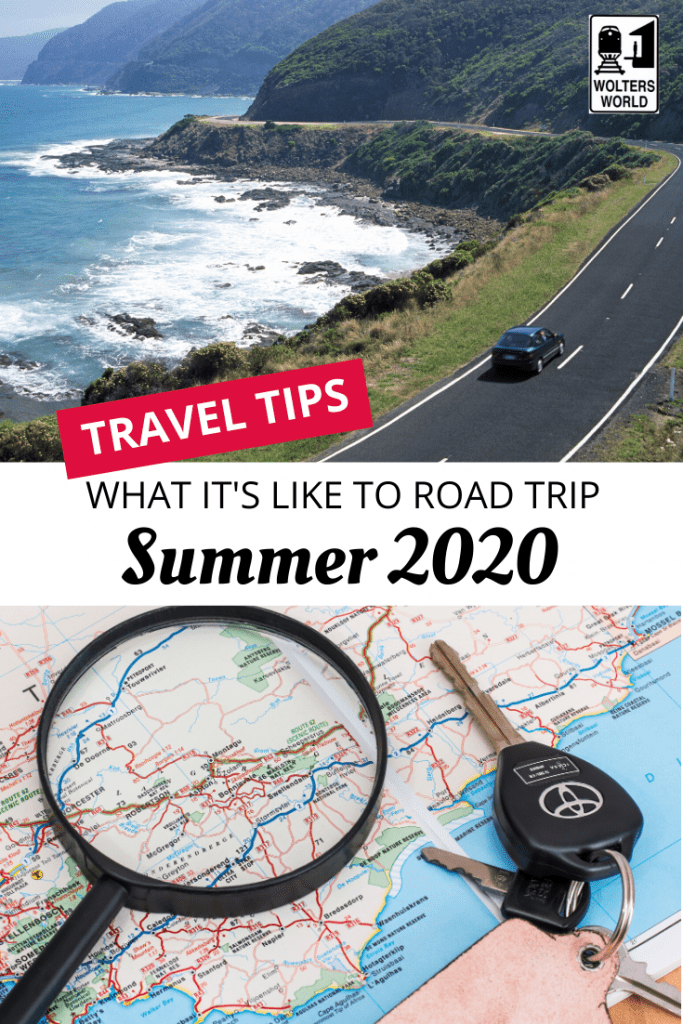
Hey there, fellow travelers! This summer, we’re setting off on a family road trip to explore the Southeast United States. Given how much summer 2020 travel has changed, we wanted to share with you what it’s like to take a family road trip in 2020, and share with you some long-distance driving tips for these changing times.
Expect Less Traffic
One unexpected benefit of summer 2020 travel is the reduction in passenger car traffic. We see a lot of trucks on the road, but far fewer passenger cars. Even in some of the larger cities, traffic is much better than in previous years because more people are working from home.
Road Trip Potty Breaks
One thing to consider is that many restaurants and fast-food places are only open for drive-through customers. So, if you’re used to stopping at McDonald’s to use the restroom, that might not be a viable option. Make sure you are using the bathrooms at rest stops and gas stations, and don’t count on being able to go into any restaurants.
Don’t expect everyone to be wearing masks. We had ours at all times to wear in public places, but not everyone is going to be wearing a mask. Rules and regulations vary from state to state and county to county. You will have to decide ahead of time what you are comfortable with. If you aren’t quite ready for eating in restaurants, then make sure you pack enough snacks to get by or plan on eating fast food in the car.
You may want to do a bit of research ahead of time on the toll roads you’ll be driving on. Many states closed their toll booths to eliminate personal contact, so you need to figure out how you’ll pay tolls. In Georgia, you can’t drive in the Express Lane without their Peach Pass. Other states like Illinois and Indiana use EZ-Pass that is not specific to just one state. If you plan to pay online after the fact, you may want a small notepad to keep track of the tolls you passed through as you’ll be asked to enter the date/time online.
Overnight Stops at Hotels
On our latest road trip, we broke the drive up into two days so we could stop at some sights along the way. Staying in hotels during a pandemic can be frightening to some people, but we did a lot of research and did our due diligence to ensure we felt safe. We had one parent enter the hotel room first and wipe down all high-touch areas before the rest of the family came in. Hotels have enhanced cleaning procedures now, but we did this for our own peace of mind. It can’t hurt, especially when you are traveling with kids who touch everything.
Here’s what we noticed has changed about staying in hotels during the pandemic:
Reduced contact at check-in. Hotels are encouraging you to book online, check-in online using their app, and even use the app as your mobile key. If you do have to visit the front desk, you’ll see plastic shields in front of the attendant, as well as social distancing markers on the floor. Please respect these as the hotel staff is being exposed to travelers day in and day out just to keep the business running.
Valet parking may be eliminated to reduce contact
Expect reduced amenities, including coffee and water bottles in rooms. You probably won’t see pens and paper pads in the rooms anymore. Many hotels have removed anything that’s not part of the furnishings, in order to eliminate the number of items requiring sanitization between guests.
If you are staying several nights in the same hotel, you will see that housekeeping services have been reduced. Some hotels are only cleaning rooms by request and will require that you vacate the room for the housekeeping staff.
Continental breakfast has been eliminated or reduced to a to-go sack in most hotels. Buffets may be a thing of the past now, so at the most, you can expect a hotel to give you a bag with some yogurt, fruit, and a granola bar.
Room service or on-site dining may be closed or have reduced hours as well.
Hotel gyms and swimming pools may also be closed or have new restrictions.
Essentially, the changes are going to vary from hotel to hotel, even within the same brand. If a particular amenity is important to you, call the hotel ahead of time to find out what’s available!
Of course, you may decide not to travel at all in 2020. For our family, we weighed the risks vs. rewards and are taking extra precautions to ensure our own safety. The most important thing about travel in 2020 is to be flexible and be willing to invest a bit of time in advance research and planning. COVID-19 may have taken away spontaneous travel, but that doesn’t mean we can’t travel at all!
Looking for more travel advice? Check out these other blog posts:
Hey there, fellow travelers! Recently, our family embarked on a once-in-a-lifetime trip to Africa. We visited Tanzania for a Serengeti safari. While many travel blogs will tell you what to wear on safari, we’re going to tell you what NOT to wear on your African family safari. If you plan to safari with kids, the same rules apply for them! Don’t forget to consult your safari tour company for a full safari packing list.
Don’t Wear Dark Blue or Black Clothing
The first rule of choosing African safari clothes is to not wear dark blue or black. These colors attract the Tsetse flies and getting bit by one of these is not a pleasant experience! Jocelyn was bitten by one of these and it hurt! Proper African safari clothes come in earth tones: brown, khaki, or green.
You can wear what you want, but there are better choices.
Don’t Wear Anything that Exposes a Lot of Skin
This isn’t a modesty rule, but another comfort rule when it comes to bugs and sun. Short shorts and tank tops leave a lot of skin exposed to bug bites and sunburn. It’s important to choose lightweight long-sleeved shirts and long pants so you lessen your chances of getting bit or burned. A lot of the safari clothing will have roll-up sleeves and pants that roll up or zip off into shorts. These “convertible” clothes are a great versatile option to wear on safari.
Don’t Wear Baseball Caps
Your safari packing list will include a hat. While a baseball cap will protect your face, a wide-brimmed hat is a much better option for safari. With a wide-brimmed hat, you’ll protect your face and your ears and neck as well. When choosing a hat, consider the same advice we’ve given you for clothing: lightweight and light-colored.
Judging each other’s outfits
Don’t Wear Jeans or Heavy Cotton Clothing
As we mentioned above, a lot of safari-type clothes are made of lightweight material. This is important for many reasons. First, you can keep your skin covered without overheating. The fabric is light, and it also dries quickly. If you’re doing laundry and washing things in your sink, you want a fabric that will dry quickly. This also means you can pack less, as you can rotate through 2-3 outfits instead of packing new clothes for every single day.
It does cool down a bit in the evenings, so you’ll want to bring pajamas with long pants to sleep in. Also, remember you may have to leave your tent in the night to use the restroom, so you don’t want to be out walking around in your satin nighty! Stay warm and stay covered!
having fun in Tanzania
Don’t Wear Safari Clothes in Town
Before and after your safari, you may spend time in Arusha or Kilimanjaro. You don’t have to wear your safari clothes when you’re in town. In fact, you’ll stick out as a tourist if you do. You’ll probably stick out anyways, but feel free to throw a t-shirt and pair of jeans into your luggage so you have something else to wear when you’re not on safari.
Our Serengeti safari with kids and parents was definitely a family trip to remember. Knowing what to pack and what not to wear was super helpful, both for comfort and for safety. We hope our tips on African safari clothes helps you know what NOT to wear on an African family safari.
Looking for more tips from our family trip to Africa? Check out some of these other blogs posts:
Hey there, fellow travelers! Recently, our family embarked on a once-in-a-lifetime trip to Africa. We visited Tanzania for a Serengeti safari. We want to share our travel tips based on our own travel experiences, and let you in on the things you should know before your African family safari!
How Do I Get to the Serengeti?
Probably the first question many people have is how to get to your Tanzania safari. Typically, you will fly into Kilimanjaro International Airport in northern Tanzania. From there, you can charter a flight directly into the Serengeti. A more common and budget-friendly alternative is to start your safari in Kilimanjaro. The tour agency will pick you up from there before making your way to your Serengeti safari by Jeep.
Do I Need a Visa to Visit Tanzania?
For US citizens, you can obtain a visa upon arrival in Tanzania for $100. A similar policy applies to British and Canadian travelers. There are some countries that do not require a visa to visit Tanzania, so check ahead with your tour operator, as they will be well-versed in the visa process and any other paperwork you might need.
Tip: Make sure you have crisp, new bills to pay for your visa. They won’t accept wrinkled or well-worn cash.
Do I Need Vaccines to Visit Tanzania?
This is a medical question best discussed with your doctor or travel medical clinic. We were asked to show our vaccine records for yellow fever when we arrived in Tanzania. The CDC Travel Health website is a good place to start; print off their recommendations and bring them to your doctor to discuss. Note that not all doctors stock travel vaccines, so it’s a good idea to call ahead to find out prior to your appointment. There are special travel health clinics that specialize in travel vaccinations.
Oh you will see so many amazing animals.
How Do I Choose a Tour Company?
If you’re planning to take an African safari, make sure you do all the research before booking. There are dozens and dozens of tour companies offering safaris. You don’t have to spend more than you can afford, and you don’t have to rough it if you don’t want to. There really is a safari option for everyone.
Many outfitters will actually tailor a trip specifically for you, so don’t be afraid to schedule a consultation with someone at the tour operator to discuss your parties’ goals and needs.
Once you’ve settled on a safari guide and company, they will send you a contract. Make sure you read through all of the fine print, as well as any reviews for the company you choose. Some of the more budget-friendly safari options may outsource you to another company on the ground or pool you with other travelers to fill up seats.
How Do I Choose the Best Safari?
When you research safari companies, most of them will take you on the same drives to see the same animals. So, the variations on price are based mostly on accommodation choices. Safari camps range from budget options to luxury options. Food is usually included in the price. You’ll have breakfast and dinner at the lodge, and usually, a picnic lunch is provided while you are out on safari. Even the picnic lunches can be quite good; it’s not just sandwiches and chips like you might expect! (Beverages are not included in the price; you will pay extra for soda, wine, and beer.)
Luxury safari accommodations will include a tent that feels more like a hotel room. You’ll have king-sized beds, as well as a bathroom with a shower inside of your tent. Food and drink selections will be top-notch.
Mid-range accommodations will include a comfortable tent, but you may have to walk to a shared bathroom and shower.
Budget safaris will include a basic tent, perhaps with cots to sleep on and a shared bathroom. Food options will be good, but not as elaborate.
Regardless of which option you choose, make sure you listen to your guides. There will be instructions for using the bathroom at night. You CANNOT wander around alone at night; there are literally animals all around you.
How Will I Get Around in Tanzania?
Your safari Jeep will be your home away from home. They will pick you up every morning and drop you off every night, and you’ll spend the entire day out of the Jeep. You won’t need your own vehicle at all during the safari. Your driver/guide will take care of everything for you, including pointing out all of the animals along the way.
You do NOT get out of the Jeep at any point during the safari days. Most Jeeps have a viewing platform up top or in the back that allows you to safely observe the animals without exiting the Jeep.
The roads on safari are not paved and they can be very bumpy. They like to joke that it’s the “African massage.”
Ngorogoro Crater in Tanzania
How Do I Go To The Bathroom?
At camp, your bathroom options will vary with the level of package you chose. From a basic outhouse to an en-suite luxury bathroom. When you enter the various safari parks, there’s usually a visitor’s center with restrooms. However, while you’re out on safari, there are no bathrooms. You will have to go right next to the Jeep as there is no wandering off to find a tree or bush to hide behind. It’s best to go before and after the safari if you can.
What Are “The Big Five” and How Do I See Them?
When planning a safari, you’ll hear a lot about the “big five.” Originally, these were the five most elusive animals to hunt back in the day. These five species are singled out because they are the hardest to find. But the truth is, there are way more than just five animals to see on safari. You’re going to see zebras, gazelles, giraffes, cheetahs, hyenas, and impalas, just to name a few others.
Some of the “Big Five” are more common than others, and your guides will do their best to ensure you see them all. Here are our tips for seeing the Big Five on safari.
Elephants are one of the Big Five that you are almost guaranteed to spot during your safari. For one, they are so big, you can’t miss them! Originally, elephants were hunted for the ivory in their tusks, which is why they are on the list.
Cape Buffalo is another of the more common animals in the Big Five. You’re pretty likely to see them wandering around amongst the wildebeests and zebras. Cape Buffalo are on the list because they were hunted for their meat.
When you think of African animals, you probably picture lions on the Serengeti. There are a lot of lions in the game parks, and you’ll probably see more lionesses than lions. If your timing is right, you might even see them with lion cubs.
Leopards are another of the Big Five, but a more elusive animal than the others. Not only are they smaller in number, but they also hide very well. Consider yourself very lucky if you get to spot a leopard in Tanzania.
The rarest of the Big Five is the Black Rhino. They are endangered, so there aren’t many to begin with. They are more common in the Ngorongoro Crater than in the Serengeti, so if you want to increase your odds of seeing a black rhino, you can plan a day trip there.
How Safe is a Safari in Tanzania?
Your tour guide’s number one goal is to keep you safe and to keep the wild animals safe. They will give you explicit instructions to keep you safe and if you follow them, you won’t have any issues.
That said, the biggest safety concerns for us were bugs and the sun. Safari clothes are designed specifically to protect you from both. The sun is very strong, so you want to cover up as much skin as you can, hence the long-sleeved shirts and pants. The light color helps not only to keep you cooler but also keeps the bugs away. Flying insects are particularly attracted to black and dark blue clothing. (Much safari-type clothing is also pre-treated with SPF and/or permethrin to keep bugs off.)
Another safety issue on safari is the water. Do not drink any water in Tanzania unless it is from a sealed bottle. We even recommend brushing your teeth with bottled water.
Can We Safari with Kids?
Yes! Our kids loved our safari experience. You do have to be able to follow explicit instructions in order to remain safe, so check with your tour operator to see if there is a minimum age. Kids over six or seven who can listen and follow instructions will do great! It’s very important they don’t run off on their own, though!
Taking a safari with kids is an amazing experience. Not only do they get to see cool animals, but they will get to experience the Maasai culture as well, and see how other people live. Grandma and grandpa also joined us, so the safari was a really great multi-generational vacation!
A safari in Tanzania is incredible.
What Should I Pack for Safari?
Your tour operator will send a specific packing list prior to your departure. The best place to shop is at your local sporting goods store. Places like REI and Cabela’s have great options for all ages and sizes. Remember, you want to pack as light as possible! Everything needs to fit into the Jeep, and your safari operator will likely give you a weight limit to adhere to.
Light-colored clothing is key! African safari clothes are khaki or olive for a reason. You want lightweight, long-sleeves, and long pants. These protect you from bugs and the sun.
Comfortable shoes. Hiking boots are not needed, as you’ll be spending most of your time riding in a Jeep.
Flip flops for the showers
Bug Spray and/or bug bands
Sunblock
A bandanna or scarf for your face will be really helpful when the dust kicks up.
Likewise, a bag to keep dust out of your camera is also very useful
A “real” camera with a telephoto lens. Your cell phone camera won’t do the trip justice.
Extra camera batteries! I went through three batteries per day. I had six in total so half of them could charge all day.
Power banks are always a good backup to have along to re-charge your phone or camera.
A checklist of animals you might expect to see. It’s fun to check them off as you see them, especially if you are on safari with kids.
Motion sickness pills, if you are prone to getting car-sick. The roads are bumpy!
When Is The Best Time for a Safari?
March through May is the rainy season in Tanzania. June through October is the dry season when the majority of tourists come on safari. The great migrations happen in July and August, so that is a good time to safari.
How Does Tipping Work on Safari?
Tipping is a major source of income for those who work in the touristy industry in Tanzania. And there are no ATMs on the Serengeti, so you want to be prepared with plenty of cash for tipping. It’s OK to tip in US Dollars.
Typically, you will have a guide/driver, who can really make or break your trip. If they do a good job, you will want to tip them well. General guidelines are to tip $10 per person per day, with a minimum of $20 per Jeep. This is done at the end of your trip, not every day.
At the lodges, you’ll encounter a lot of staff who help make your staff more comfortable. There’s housekeeping, dining, and front desk staff. Rather than trying to figure out how much to tip each person, lodges actually have a tip box. At the end of your stay, you can put your tip in the tip box and it gets distributed amongst the staff. The average tip for lodging is $10/day. This would be for a mid-range lodge; tip more for luxury lodges and less for budget lodges.
For your airport transfer, you can plan to tip around $5-$10 for the driver. This is if your transfer is pre-arranged by your lodge. If you take a taxi in Tanzania, you’ll be negotiating your fare, so an additional tip is not expected.
While most safari packages include your meals, you may want to explore some local restaurants. In that case, you can round up your bill or tip about 10%. The locals do not tip, but as a tourist, it’s a nice thing to do and the prices are already pretty low so an additional 10% won’t break your travel budget.
Just a few other things that are good to know before you arrive in Tanzania:
Swahili is the most common language in Tanzania, but anyone you are traveling with on safari will speak English. (There are tour operators that specialize in every language, though!)
There are no ATMs on the Serengeti. Bring plenty of cash! US Dollars are fine for tipping. (Some camps will take credit cards for your drink bill at the end of your trip.)
Electrical outlets are the same as the UK, with three prongs. There won’t be a lot of outlets, so make sure you have an adapter with additional USB ports.
You can get cellular service for phone calls, but don’t expect data service or WiFi to be widely available.
Our Serengeti safari with kids and parents was definitely a family trip to remember. We had so many special experiences, from getting to know the locals and their culture, to seeing so many cool animals in their natural habitat. If you feel your kids are old enough to handle the strict rules to remain safe, we absolutely recommend an African family safari.
Looking for more tips from our family trip to Africa? Check out some of these other blogs posts:
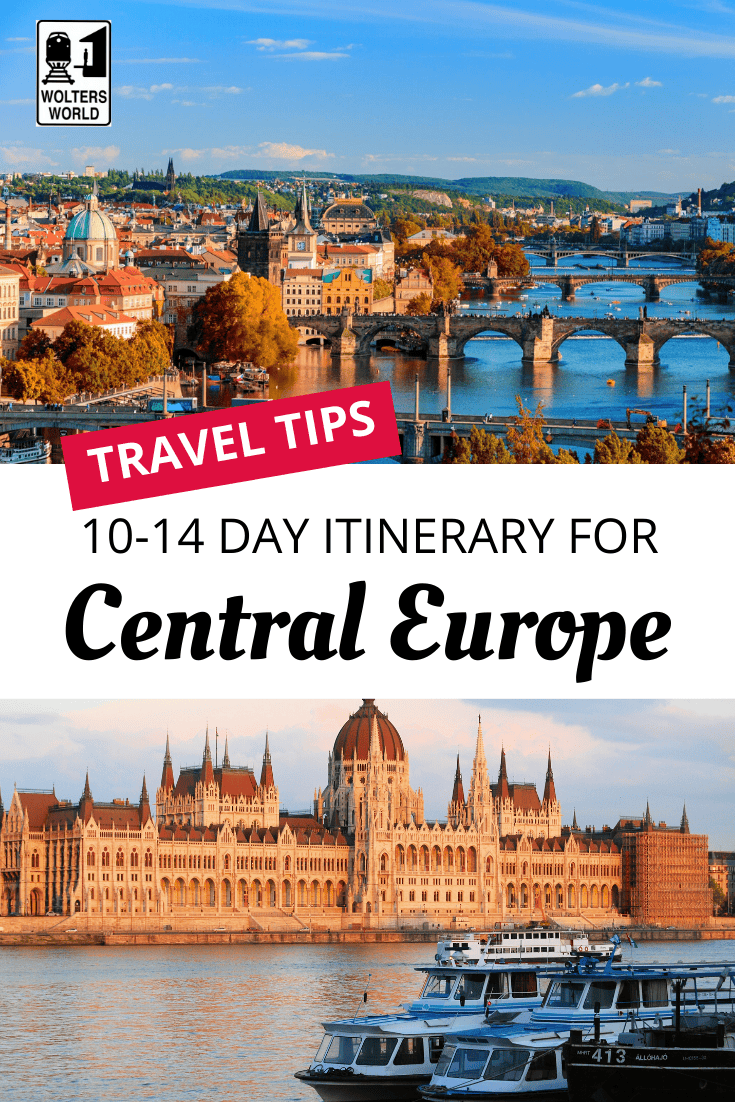
Hey there, fellow travelers! Today, we’re talking about the countries of Central Europe. Sometimes the most difficult part of travel is deciding where to go and building out a travel itinerary. There are so many cool places to visit in Europe that it can be hard to narrow them down. Today we’re going to share our recommendations for a 10 to 14-day itinerary through central Europe.
Budapest, Hungary
We recommend starting in Budapest, Hungary. It’s one of the best cities in Europe to visit, so it’s a great place to start your Central Europe itinerary. There are so many cool things to see in Budapest. A few of our favorites include:
Less than three hours by train from Budapest, our next stop is Vienna. In terms of culture, Vienna is one of the top places to visit in Europe. It was once the capital of the Holy Roman Empire, as well as the Habsburg Dynasty. Some of our favorite things to do in Vienna include:
St. Stephen’s Cathedral
Walking the pedestrian street along Graben
Visiting the Vienna State Opera, Wiener Staatsoper
Visit some of Vienna’s palaces, including Schönbrunn Palace and Belvedere Palace
Experience Vienna’s famous cafe culture, with a cup of coffee and a slice of sacher torte.
Slovakia’s capital city is worth a visit and is an easy day trip from Vienna. It’s only about an hour by bus from Vienna and is like a miniature Vienna. However, Bratislava is a really interesting juxtaposition of old Europe and mid-century Communism. One one side of the Danube, you have Old Town and the Bratislava Castle As you cross the “UFO bridge” you’ll see Communist-era gray block buildings.
From Vienna, make your way to Prague. It will take about four hours by train to get from Vienna to Prague. Prague is really the jewel of this Central Europe itinerary as it’s one of my best cities in Europe to visit. In fact, Prague is one of my top three cities in the world. Some of my favorite things to see in Prague include:
Old Town Square
Astronomical Clock
Charles Bridge
Jewish Quarter and the Jewish Cemetery
Prague Castle and St. Vitus Cathedral
Sampling Czech cuisines, like duck and beer
If you are planning a ten-day tour of Central Europe, these three destinations (plus a Bratislava day trip) will round out your Central Europe itinerary. If you have an extra four days, I recommend adding Salzburg, Austria, and Munich, Germany to your Central Europe itinerary.
From Vienna to Salzburg, it’s about three hours by train. It’s the home of the “Sound of Music” movie. The town has been very well-preserved, and even the more modern places like McDonald’s have been built to fit the 18th century aesthetic. This is also the home of Mozart, so there are many Mozart attractions to see in Salzburg. Some other things to see in Salzburg include:
The Hohensalzburg Fortress on the hill
Christmas markets if you visit Salzburg in the winter
Sound of Music Tour to hit all the movie highlights
Munich is another amazing city in Central Europe, and it’s only 90 minutes by train from Salzburg. Known best for Oktoberfest, Munich is fun year-round. Some of my favorite things to do in Munich include:
Visit the Hofbrauhaus for a liter stein of beer
Munich has three really great art museums, each of which is worth visiting
Nymphenburg Palace
Residenz
Visit car museums
Munich also has some great day trip opportunities, including Neuschwanstein Castle.
I hope this is helpful as you start to plan out your Central Europe itinerary. There are endless destinations to visit in Central Europe, but these are some of the highlights from my years living in Europe and traveling there with my family. Looking for more tips on travel in Europe? Check out these other blog posts:
This website uses cookies to improve your experience. We'll assume you're ok with this, but you can opt-out if you wish.AcceptRead More
Privacy & Cookies Policy
Privacy Overview
This website uses cookies to improve your experience while you navigate through the website. Out of these, the cookies that are categorized as necessary are stored on your browser as they are essential for the working of basic functionalities of the website. We also use third-party cookies that help us analyze and understand how you use this website. These cookies will be stored in your browser only with your consent. You also have the option to opt-out of these cookies. But opting out of some of these cookies may affect your browsing experience.
Necessary cookies are absolutely essential for the website to function properly. This category only includes cookies that ensures basic functionalities and security features of the website. These cookies do not store any personal information.
Any cookies that may not be particularly necessary for the website to function and is used specifically to collect user personal data via analytics, ads, other embedded contents are termed as non-necessary cookies. It is mandatory to procure user consent prior to running these cookies on your website.