What NOT to Do on a Trip to Shakespeare’s Stratford Upon Avon
Hey there, fellow travelers! Today, we’re sharing some of the don’ts of visiting Stratford Upon Avon, the birthplace of Shakespeare. While many travel blogs will tell you the best things to do on a trip to Stratford upon Avon, we also want to share what you should NOT do!
Don’t Be Anti-Shakespeare
While you may not have enjoyed Shakespeare back in high school or college when it was forced upon you, there’s no reason to hate on him now! After all, you’re visiting Shakespeare’s Stratford Upon Avon, so it’s best to keep an open mind. In fact, you might even come to appreciate the Bard of Avon.
There’s even a fountain called the American Fountain that is dedicated to Shakespeare. The money was donated by an American during Queen Victoria’s Jubilee, hence the nickname.
Don’t Miss Shakespeare’s Birthplace
This is one of the top tourist attractions for good reason! It’s a well-done museum with lots of period pieces to give you an idea of what it was like to live here when Shakespeare was growing up. Flash photography and videos are not allowed, but you can take photos. Don’t be afraid to talk to the staff as well, as they are very knowledgeable and happy to answer your questions.
Don’t forget to pre-book your tickets, especially in summer! There are several options depending on how many sites you want to visit.
Don’t Forget the Other Attractions in Town!
Shakespeare’s Birthplace isn’t the only attraction in town. Make sure you don’t miss these attractions as well:
Shakespeare’s New Place is where he lived later in life and eventually died. While the home has been torn down, there is a beautiful garden and commissioned art.
Anne Hathaway’s Cottage is just outside of town. See where Shakespeare’s wife grew up, but don’t let the term cottage fool you. It’s quite large.
You might expect to find Shakespeare buried in the Poet’s Corner of Westminster Abbey, but he’s actually buried at the Holy Trinity Church in Stratford.
The Royal Shakespeare Company holds regular performances and special holiday activities. If you can catch a show, don’t miss it! It’s more than just Shakespeare, though. They feature work by many playwrights and artists.
The Stratford Big Wheel is a fun way to get a bird’s eye view of the village. Thankfully, the carriages are mostly enclosed so you won’t feel too much wind or rain.
Tudor World is definitely a tourist trap, but it can be fun if you’ve got kids traveling with you. Actors dress up in Tudor period garb, and while it’s from the same era as Shakespeare, it’s not just about him.
The Mechanical Art Design Museum is super fun if you’re with kids. It’s like a museum of old-school futuristic mechanical designs.
Don’t Forget to Venture Off Henley Street
Wander down some side streets and take in the architecture that spans at least 4 centuries. But there’s more to see beyond the downtown area. There’s the boat basin, and on the other side of the river, you can visit a butterfly farm.
The Rother Street Market is a fun place to visit on Friday and Saturday, and Sheep Street is a good spot to find a lot of restaurants.
Stratford Upon Avon also makes a great home base for exploring the nearby Cotswolds.
Don’t Expect Solitude
Stratford is a very popular tourist destination, so you can expect to be surrounded by other tourists most of the time. It’s also very popular with school trips and field trips.
Don’t Be Afraid to Rent a Car
The easiest way to reach Stratford Upon Avon is by car. It’s about two hours from Heathrow and less than 30 minutes from Birmingham. Surprisingly, parking isn’t even an issue; you’ll find plenty. You just have to be comfortable driving on the left.
There’s a thriving pub and restaurant scene in Stratford. With so many visitors, there are lots of types of restaurants and all kinds of cuisines. The Old Thatch Tavern is touristy, but also a really great pub experience.
For some restaurants, you will need advance reservations, so be sure to do some research first and choose some restaurants you’d like to visit.
Stratford Upon Avon is one of a few places that is both very touristy and very educational. Between historic sites and souvenir shops and sweets shops, there’s something for everyone. Just don’t expect those shops to be open late…this is England, after all! Whether you visit for a day trip or stay overnight, Stratford is easily experienced in 1-2 days, making it a perfect layover stop on your UK road trip.
Want more tips for traveling in the United Kingdom? Check out these blog posts:
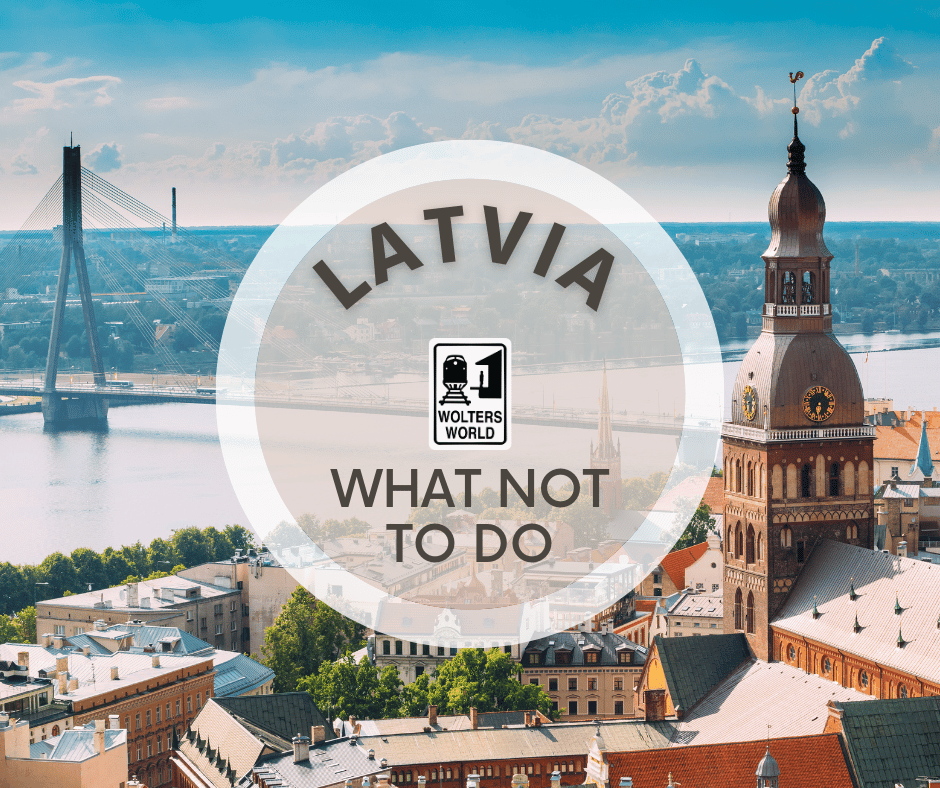
Hey there, fellow travelers! Today, we’re sharing some of the don’ts of visiting Latvia. While many travel blogs will tell you the best things to do on a trip to Latvia, we also want to share what you should NOT do on your Latvia vacation!
Don’t Expect a Lot of Tourists
Latvia is not a huge tourist destination, believe it or not. So you won’t be dealing with crowds too much, especially if you leave the larger cities. You’ll also have a chance to meet more locals this way, and they’ll be intrigued by you, rather than annoyed like some destinations that are overrun with tourists.
However, there is one exception to this—weekends in Riga. It’s very popular for European bachelor and bachelorette parties because it’s very affordable and easy to reach from many European cities.
Don’t Doubt Latvian Pride
Whether it’s their sports teams or their culture and food, Latvians love their country. They love to celebrate their culture and host tons of festivals every summer to celebrate. When choosing a region to place them in, they prefer Baltic Europe or Northern Europe, rather than Eastern European.
One of the best places to learn about Latvian culture is the Museum of the Occupation of Latvia in Riga. It really makes you appreciate the people and what they went through under different regimes. You’ll quickly realize that it would be in poor taste to joke around about the USSR as many families have ties to this time and it’s not anything to make light of.
They are also really proud of the natural beauty of their country, so don’t mess it up! Take the chance to enjoy the parks, beaches, and scenery, and always leave it better than you found it.
Don’t Miss Out on the Best Foods in Latvia
I’ve had many, many meals in Latvia and there are some foods you have to try on your trip. Latvian food is very natural, so you don’t find a lot of preservatives or dyes, just natural, delicious food. Lido is a chain of cafeteria-style restaurants, and it’s a great place to sample several traditional Latvian dishes in one spot.
Šašļiks is type of skewered meat, often made with pork or chicken and marinated a number of different ways. This is a common dish to make at home on the barbeque, but you can also get it at restaurants.
Karbonāde is the Latvian version of a schnitzel, often served with mushroom gravy.
Smoked fish is also very popular, so that’s worth trying, as well as smoked cheese. Herring is one of the fish varieties seen most often, and you’ll find it pickled or smoked, served alone or in soups.
Black beans and bacon is a popular side dish in Latvia. It looks weird, but it’s delicious!
Cold Borscht is one of the most unique dishes in Latvia, and it has become one of Mark’s favorites, even though it took him years to try it. It’s pink, so it kind of looks like Pepto Bismol, but it tastes so much better. In the winter, you can have a hot version as well.
Potato pancakes in Latvia are delicious! It’s almost like a giant hash brown patty, and I recommend getting it with salmon and sour cream. Yum!
Dairy features heavily in Latvian cuisine. Cheese and sour cream seem to be in every dish, so pack your Lactaid! If you want to try a local cheese, get Jevas Siers, which is sold everywhere.
Fried Garlic Bread is a very popular appetizer. It looks like burned french fries because it’s made with dark rye bread, but it’s super delicious. Some would say life-changing. You can also just buy the brown bread and do whatever you want with it; it’s so good!
Piradzini are little crescent-shaped dough pockets. They are often filled with meat or sauerkraut and sold at markets like the Central Market.
Pelmeni are dumplings stuffed with meat or cheese. Of course, they are served with sour cream like everything else in Latvia!
If you visit Latvia in the summer, which you should, the berries are fresh and delicious. Don’t pass them up if you see a farmer’s market.
When you visit the Central Market in Riga, don’t pass up the sweets and desserts! Rye bread pudding is one of the most popular desserts in Latvia, so make sure you try some!
There are good drinks in Latvia, too! The country is best known for balsam. The black currant is one of the better tasting balsams. Some of them are very earthy, so a fruity flavor helps balance out the tree taste. If you mix your balsam with ginger beer and lime, it makes a pretty good cocktail.
Latvian beer (Alus) is actually pretty good, too. Kvass is something you’ll find on tap as well. It’s almost like near beer, with a very low alcohol content. If you like the idea of drinking bread, try Kvass!
Eating out in Latvia is super affordable, so you can try lots of dishes without spending a ton of money!
It’s right by the bus station and is filled with all kinds of vendors. From candy to sausage to souvenirs, it’s a quintessential old-school European public market. If you’re trying to learn Latvian, it’s also a good place to practice or just listen to conversations in passing.
Don’t Forget to Pack Good Shoes
If you’re spending much time in Old Town Riga, you’ll need some good, sturdy shoes. The streets are cobblestone and they’re also very uneven. Twisting an ankle is almost inevitable, especially if your shoes don’t have any grip. There are also grates on some sidewalks, so high heels aren’t a great idea.
Latvia has beautiful churches and there are two churches in Riga to see. St. Peter’s Church offers amazing views from the tower, but it can be very cold and windy, so bundle up! Riga Cathedral is also worth checking out.
Latvia travel advice
Don’t Miss Out on Architecture in Riga
Old Town Riga is a UNESCO World Heritage Site, in part due to the fantastic architecture. You’ll see a lot of Art Deco styles, as well as Gothic, Renaissance, Baroque, and more. There’s a whole museum dedicated to art nouveau in Riga. If you can book a walking tour around the city, your guide will likely point out a lot of cool buildings.
Don’t Forget to Explore Beyond Old Town Riga
The majority of attractions are found in Old Town Riga, but to really get a sense of Latvia, you have to explore beyond Old Town. Riga has beautiful parks to explore, and you can even take a boat tour through the park.
Don’t Forget to Buy Amber
If you’re into souvenirs, then you’ll want to buy amber when you’re in Latvia. You’ll see shops selling it everywhere, and you can even find it washed up on the beaches. It makes a great souvenir, especially if you have someone who loves jewelry on your gift list.
Don’t Forget to Learn a Few Latvian Words
Because there are so few tourists, Latvians love it when you can speak a little bit of their language. A few words can go a long way!
Paldies = Thank You
Sveiki = Hello
Ata = Goodbye
Don’t Skip Public Transportation
You can rent a car and drive around Latvia pretty easily, but you can also just use public transportation. There aren’t as many trains in Latvia, especially for tourist use, so buses are the way to go. If there is an express bus, take that one, as they are usually more comfortable. In Riga specifically, the trams are a great way to explore other neighborhoods.
They are expanding the trains, so it’s worth researching again in the future as more options become available.
If you prefer rideshare apps, the one in Latvia is called Bolt. You can take them anywhere, and you can even rent a car through them for a short time.
Don’t Visit Latvia in the Winter
Between October and March, Latvia is cold, dark and windy. If you must come in the winter, bring lots of warm layers because you’ll need them. Locals also tend to withdraw during winter, so you won’t have as much opportunity to meet locals. Don’t think they’re unfriendly; once the sun comes out for the summer, they’re some of the friendliest locals you’ll meet!
If you do happen to visit Latvia in winter, plenty of things stay open, so you can still visit museums and markets. You can even enjoy the great outdoors, as long as you pack appropriately.
Latvia is the perfect travel destination for families looking for history, culture, and nature on a budget. The lack of tourists makes it easy to meet locals and have a unique Latvian experience. Want more tips for traveling in the Baltic region? Check out these blog posts:
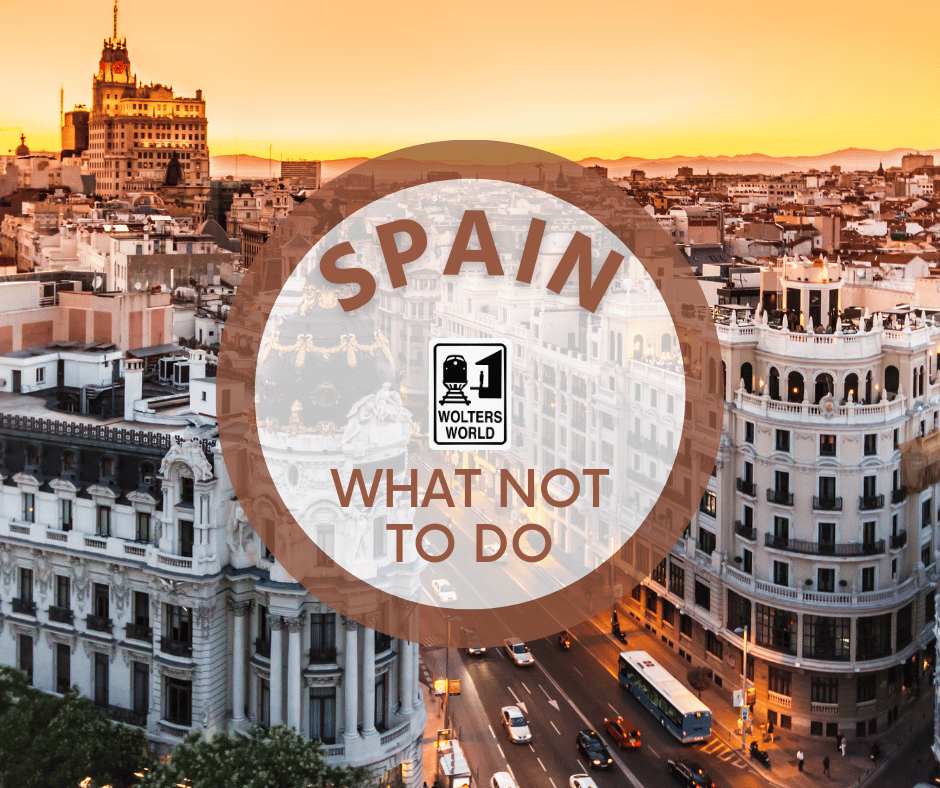
Hey there, fellow travelers! Today, we’re sharing some of the don’ts of visiting Spain. While many travel blogs will tell you the best things to do on a trip to Spain, we also want to share what you should NOT do on your vacation in Spain!
Don’t Worry About Breaking the Bank
Spain is a very affordable destination for Americans and most Europeans. We have always found the prices for lodging, food, and transportation to be very reasonable. It feels like it’s also affordable for locals, which is becoming a big issue in some other destinations like Lisbon. Spain is the perfect medium: not too cheap that you feel guilty and not so expensive that you feel poor.
Don’t Forget to Brush Up on Your Spanish
Outside of the main tourist areas, don’t expect to hear a lot of English spoken. It’s very helpful to know a little bit of Spanish when you visit Spain. Yes, Spanish in Spain is a bit different from the Spanish spoken in Mexico, but you’ll get by no matter where you learned your Spanish. The locals also really appreciate the effort.
Don’t Expect Hot Sunny Weather Everywhere
Spain is known for being hot and sunny, with beautiful beaches. But what a lot of people don’t know is that the weather in Spain can vary quite a bit from season to season. Madrid can get snow in the winter! You might actually need a winter coat if you visit some parts of Spain in the winter. It’s a great time to avoid the crowds of summer but be prepared with warm clothes.
Don’t Just Visit the Cities of Spain
Madrid and Barcelona are great and well worth the visit, but there are so many other places to explore in Spain. Take some day trips, or stay in a smaller town and visit the larger cities as a day trip. Spain has so many cool destinations; you will absolutely need to visit multiple times to even see all the highlights.
You can have a fabulous vacation just enjoying the beaches and tapas of Spain. But make sure you leave room in your itinerary for some historic sites in Spain. There are Roman ruins and temples, cathedrals, Moorish sites, mosques, and pilgrimage sites along the Camino de Santiago.
They live at a slower pace in Spain. Just because the service is slow doesn’t mean it’s not good service. They’re very friendly, so you might chat for a bit before they take your order. So plan ahead and make sure you have plenty of time when dining out. Otherwise, you can mention to your server that you’re in a rush.
Don’t Forget to Pre-Book Sites
Some of the most popular tourist sites in Spain can get very crowded. You really should book your tickets well in advance so you can guarantee your admission. For example, the Alhambra books up two to three weeks in advance. The Sagrada Familia also requires reservations in advance.
If you’re planning day trips, make sure you also pre-book your train tickets. You’ll save money and be guaranteed to get the seat you want.
Don’t Get Small Amounts from the ATM
ATM fees are quite high in Spain, so get all that you need in one transaction so that you don’t have to pay the fees multiple times. And as always, never let the ATM convert your currency. Your bank back home will give you a much better rate.
Also, if you have the option, use ATMs that are indoors, not in a busy place outdoors. This is an easy place to get separated from your new cash.
Don’t Insult the Food or Wine
Spaniards are pretty chill, but if you insult Spanish food or wine, they will take it personally. Even if you’re at a restaurant and they didn’t make the food themselves. If you don’t want something, just pretend you’re full. That’s the only “no” they will understand and honor.
Don’t Worry About Tipping in Spain
Tipping your server in Spain is not expected. If you pay with your credit card, there’s no line to write in a tip. We always leave a little change on the table, maybe 5% of the bill, but it’s not customary to tip in Spain.
The Do’s and Don’ts of a Spanish Vacation
Don’t Expect a Big Breakfast
Breakfast isn’t a big meal in Spain. It can even be hard to find places that serve breakfast. If we’re in a hotel instead of an apartment, it’s useful to make sure your hotel serves breakfast so you can fuel up for the day.
Don’t Expect Dinner Before 8 PM
Spain has a very late-night culture. They often don’t eat dinner until well after 8:00 at night, even in families with little kids. A lot of restaurants will close their kitchen between 3 pm and 8 pm. You will be able to get tapas or small bites but plan a big lunch so you are hungry for dinner when the Spaniards eat.
Don’t Fall for Tourist Paella
Paella is something that almost everyone wants to eat when visiting Spain. So you’ll see it everywhere! But you want to get the good paella, not the mass-produced version at the touristy restaurants. Paella takes a long time to make, so an authentic place will have one or two versions each day. The places with a menu board offering a dozen varieties of paella probably have some pre-made portions that they are just going to heat up.
Don’t Think Tapas is Always Free
Tapas are the small plates you get when ordering drinks at a Spanish bar. Often, they are free, but not always. The free tapas are usually simple dishes like mixed nuts or dried fruit. Plan to pay a little bit for your tapas, especially if you are planning to fill up while you drink.
Don’t Just Drink Sangria
Sangria is a traditional Spanish drink that is very popular among visitors to Spain. But don’t limit yourself to only Sangria. Locals will drink it occasionally, but there are so many other options. Not to mention, any discount sangria is probably made with way too much sugar and cheap wine. Avoid the headaches in the morning by avoiding discount sangria at a tourist spot.
A few things you might want to try include:
Local beers are widely available; ask your waiter or bartender what’s good. Cruzcampo is a popular one in Andalusia. Beer is often served in very small servings; that is so it doesn’t get warm.
Tinto de Verano is like a mix of Sprite and red wine.
Rebujito is a popular cocktail around Seville, made with sweet wine and 7Up.
Cava is a delicious sparkling wine
One thing you should not drink in Spain is the cup of chocolate that comes with your churros. It’s for dipping, not drinking! It’s very thick and served super hot, so don’t let your kids drink it, or at least wait until it cools down.
Don’t Forget to Ask for Menu del Dia
A lot of restaurants in Spain have a special lunch menu at really great prices. With dinner being so late in Spain, it’s a good idea to have a big lunch for your main meal of the day. If you like what’s on the special, you’ll save a lot of money doing this.
Don’t Plan to Shop on Sundays
In Spain, a lot of businesses still close on Sunday. If you have shopping you need to do, make sure you take care of it before Sunday or you might be out of luck, aside from convenience stores.
Some stores have siesta between 2 and 4. That’s a good time to rest at your hotel.
Don’t Fall For These Scams in Spain
Unfortunately, as with many tourist destinations, there are a lot of scams aimed at tourists in Spain. Oftentimes, it’s not even the locals scamming you because they want the tourists to keep coming back. With a few precautions, you can avoid most of these tourist scams in Spain.
When you are ordering Jamon Iberico, make sure you pay attention to the price. Sometimes, it’s priced by weight, and other times it is priced by the planet. It’s not so much a scam, but just something to look out for.
Know the difference between tapas and raciones. Raciones are a larger and more expensive serving size compared to tapas which are usually quite small. Make sure you order the one you want and pay attention to the price difference.
Any restaurant near a major tourist site will be a scam in both price and quality of food. Walk a few blocks away from the site and you’ll find tastier food at a better price.
Pickpockets are plentiful, especially in the bigger cities. Any place with lots of tourists in a crowded area is a target for pickpockets. Barcelona is often referred to as the pickpocket capital of the world, so keep your belongings close!
Likewise, don’t leave your phone or your wallet on the table at a restaurant. It’s too easy to walk by and swipe. Keep your belongings secure where they aren’t easily reached by anyone passing by.
The distraction scam is something we’ve mentioned many times. Somebody might point out some bird poop or mustard on your jacket and offer to help clean it up. The point is to distract you so their partner can steal from you.
We’ve also heard of vacation rental scams where a fake apartment is posted for rent. If you stick to reputable sites like Airbnb, Booking, VRBO, etc, you don’t have to worry so much. And timeshare sales are just as scammy in Spain as they are everywhere else in the world. Do your research.
“Free gifts” are another common scam in Spain. If someone tries to give you something, even if it’s just a little sprig of herbs or flowers, do not accept it. They’ll say it’s free, but then they will expect some money in return. Just say “no gracias” and move on. If you have kids with you, they may try to hand things directly to your kids, so make sure they know ahead of time not to accept gifts from strangers.
Fake designer bags are plentiful in the cities. You might be ok with a knockoff; just don’t ever believe you’re getting the real deal from a blanket on the sidewalk.
Shell games and other street games that you are invited to participate in are usually scams. They might let your kids win, but you’re destined to lose your money.
Even the beggars you see on the street might be part of a larger organized group. There are social systems in place to help them, and the Spanish government recommends that you do not give money to beggars.
We’ve also seen beggars posing as stranded tourists. You can give them all your money to “get back home” and you’ll see them in the same place the next year. Even Mark has been taken by this scam in Seville!
Petitions are another scam; unless you are from Spain, your signature doesn’t count. This likely falls under the distraction scams. Just keep walking, no matter how much they pull at your heartstrings to support their cause.
Don’t Let the Lines Confuse You
Spaniards aren’t the most organized when it comes to queuing up. There may not even be a line, but those waiting know where they are in order. They just know who they are behind and keep an eye on that person. So don’t cut the line, and don’t be afraid to ask where the line ends.
Don’t think that Spain isn’t for everybody. There really are so many different things to do in Spain, that almost any type of traveler will love it. From beautiful beaches to historic cities and everything in between, it’s impossible not to fall in love with Spain. And remember, in Spain, it’s “Hasta Luego” not “Adios” when you leave!
Want more tips for traveling in Spain? Check out these blog posts:
Planning a trip to Paris but overwhelmed by all the options? Let us take the guesswork out of your journey with our expertly crafted 3-Day Paris Guide Book—designed to help you make the most of every moment in the City of Light.
This guide isn’t just a list of tourist spots. It’s your step-by-step itinerary for three unforgettable days in Paris, curated by seasoned travelers who know the city inside and out. Inside, you’ll find:
The top must-see sights for first-time visitors, organized to maximize your time
Direct links to buy tickets for museums, landmarks, and experiences—so you skip the lines, not the memories
Metro stop details for every destination, making getting around the city fast and easy
Local tips and insider advice, including the neighborhoods we love most and the spots Parisians actually go
Suggested walking routes that bring the magic of Paris to life, from hidden gems to postcard-perfect views
Whether you’re traveling solo, with a partner, or with family, this guidebook will help you hit the highlights without feeling rushed or overwhelmed.
If you’re ready to experience the best of Paris in just three days—with less stress and more joy—this guide is the perfect place to start.
Grab your copy now and travel smarter, not harder. Paris is waiting! E-book & physical guide books available.
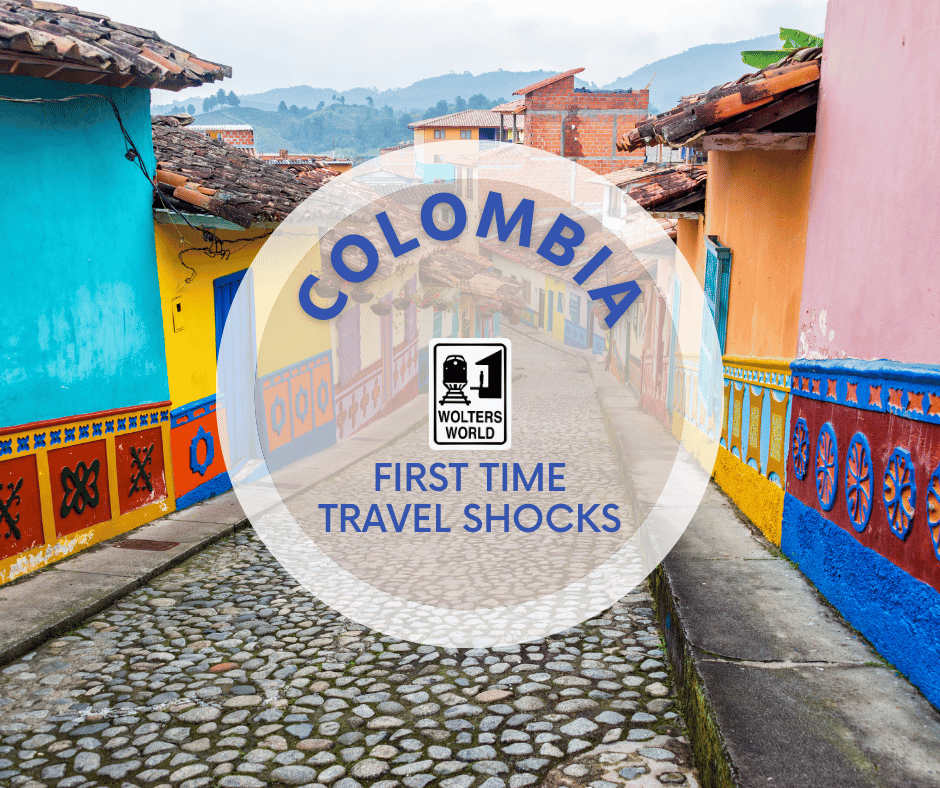
Hey there, fellow travelers! If you’re thinking about visiting Colombia, be prepared for some surprises. This incredible South American nation is full of charm, beauty, and diversity, but many travelers have misconceptions about it. From its reputation to its cuisine, Colombia will leave you both impressed and amazed. Here’s a breakdown of what to expect on your first visit—prepare to be shocked!
There are so many wonderful things to surprise you in Colombia.
Safety in Colombia
When many people think of Colombia, they immediately recall its past—cocaine cartels, Pablo Escobar, and violence. But it’s not the 1980s or ’90s anymore. Today, Colombia is much safer and offers a welcoming environment for tourists. This is often a pleasant shock for travelers who are used to hearing about Colombia’s darker past. You can explore cities like Bogotá, Medellín, and Cartagena safely, as long as you use common sense, just like in any other major city.
Biodiversity and Cultural Diversity
Colombia is one of the most biodiverse countries in the world! Whether you’re looking for deserts, rainforests, beaches, or mountains, Colombia has it all. From snorkeling in the Caribbean waters to hiking in the Amazon, the natural beauty here is endless.
What’s also shocking is the cultural diversity between regions. Visiting Bogotá feels completely different from being in Cartagena or Medellín. Each city has its own vibe, traditions, and even accents. It’s like traveling to multiple countries all within one trip!
Colonial Architecture
One of the most charming aspects of Colombia is its stunning colonial architecture. Cities like Cartagena are filled with gorgeous buildings featuring iron-wrought balconies, historic churches, and vibrant plazas. Villa de Leyva is a perfect example of this with its picturesque square and well-preserved colonial charm. Even in the larger cities, you’ll find colonial influences integrated with modern skyscrapers, creating a unique and beautiful contrast.
The Chiva Party Buses
For a fun and quirky experience, hop on a Chiva party bus in Cartagena. These open-air buses come complete with a DJ, dancing, and drinks. They’re a rolling party on wheels, often stopping at various clubs so you can jump off, grab a drink, and then continue dancing all night. It’s definitely something you won’t forget!
Street Vendors Everywhere
Colombia is packed with street vendors. Whether you’re in a bustling city or relaxing on the beach, you’ll encounter vendors selling everything from food and drinks to hats and souvenirs. In Cartagena, don’t be surprised if you’re offered a carriage ride six times in one evening or if someone insists on giving you a “free” massage (spoiler: it’s not really free!). While the constant offers can be overwhelming, the snacks, like empanadas and fresh fruit, are often worth trying.
Eating & Drinking in Colombia is Fun!
Colombian Cuisine
Prepare to be blown away by the food in Colombia. One of the biggest surprises is that Colombians love soup for breakfast! Dishes like changua (a traditional soup made with eggs, milk, and bread) or caldo (a hearty beef broth) are common breakfast options.
Another shock? The sheer amount of cheese in everything. Cheese in soups, cheese in breads, and even cheese in hot chocolate. Yes, Colombians melt white cheese into their hot chocolate, and it’s surprisingly delicious—a unique blend of savory and sweet.
Colombian food is full of surprises, from the incredible amount of fresh fruit (lulo juice is a must-try) to the number of potato varieties you’ll encounter in just one meal. Seafood along the coast is phenomenal—don’t miss out on dishes like ceviche or fried fish with coconut rice.
Street Art Galore
Colombia’s cities are vibrant with incredible street art, especially in Bogotá and Medellín. It’s not just graffiti, but actual street art with stunning murals that give character to the cities. Many travelers are shocked by the artistic talent on display throughout the country.
Avocado Heaven
You can’t escape avocado in Colombia—and why would you want to? Avocado accompanies just about every meal, from breakfast to dinner. Whether it’s grilled at a family barbecue or served alongside your arepa, Colombia’s love for avocados is something you’ll quickly get used to.
Surprising Coffee
Despite being one of the world’s largest coffee producers, many tourists are surprised to find that Colombia’s everyday coffee, called tinto, isn’t as rich as they expect. The best coffee beans are often exported, so you’ll need to visit specialty cafes to get that amazing coffee experience you’re looking for. But don’t worry—good coffee can still be found if you know where to look!
Colombia is amazing
So, if you’re planning a trip to Colombia, prepare to be shocked in the best possible way. From the safety and hospitality to the diverse landscapes, architecture, and delicious food, Colombia is a destination that will keep you on your toes. Have you been to Colombia? What surprised you the most? Let us know in the comments! Safe travels, everyone!
You will be shocked at how well you eat in Colombia. As one of our followers said, “Their cuisine is criminally underrated.” The food is fantastic, although there are some quirks to Colombian cuisine that may also surprise you. Like soup for breakfast! And the amount of cheese in or on everything! They even put cheese in their hot chocolate! (It’s the best mix of sweet and savory!)
When you visit Colombia, these are some of the foods you should try or expect to see often. Of course, the food will also vary by region, so no matter where you are in Colombia, there will be new and delicious foods to try. Naturally, you will have delicious seafood along the coast, while the mountains and inland areas will have more meat-based dishes. Try them all!
The amount of delicious and exotic fruit in Colombia is shocking. You’ll enjoy juices from fruits you’ve never heard of! Lulo juice is a must-try. It looks like an orange, but the juice is green. If you love fruit, you’ll be in heaven in Colombia!
It’s also shocking how many varieties of potato you can eat in one meal. Almost every entree comes with potatoes or already has potatoes in it. You might be served potatoes and French Fries in one meal!
If you are near Cartagena along the coast, the seafood is fantastic, including the ceviche. A huge fried fish with a side of coconut rice is one of the best meals you will have. You will dream about the coconut rice when you get home! If you are in the mountains, you should also try the trout.
Arepas are like a thick corn tortilla, often served with cheese inside, which is Arepa de Queso. Some are thinner and melted together, while others are thick and sliced in the middle for a sandwich, similar to pita bread.
If you love avocados, you’ll love Colombian cuisine as they are served as a side with almost every meal. You might even have grilled avocados if you are invited to a barbeque at someone’s house.
Colombians love soup (Caldo), even for breakfast! A few soups you might see in Colombia include:
Ajiaco is a chicken and potato soup that is especially popular in Bogota
Sancocho is another potato soup, usually served with meat but in Cartagena you can often get it with fish.
Cazuela de Mariscos is a thicker stew made with seafood. It’s one of Mark’s favorite things to eat in Colombia.
Changua is a very popular breakfast soup with eggs and toast.
Eating & Drinking in Colombia is Fun!
Tamales are popular as well, especially at breakfast. The tamales in Colombia are much bigger than the traditional Mexican tamales, which are called Envuelto.
Patacones are like a potato chip made from plantains. Sometimes it comes in a larger form as a main dish and other times, the smaller ones are served plain as a side dish.
Fritanga is a great thing to order when sharing with a group. It’s just a bunch of meats grilled together. You can order smaller portions, and it’s often sold on the street where you can try a sample. Some of them do include some more exotic meat, like intestines.
Empanadas are popular in Colombia and most of South America. There are sweet and savory versions, and we love them all.
Colombian buñuelos are different from Mexican buñuelos. In Colombia, they are like little round cheese donuts. It’s a fun snack to buy from a street vendor.
Obleas was one of our favorite street foods in Colombia. It’s a couple of round wafers with caramel or fruit in the middle. It looks like a big stroopwafel if you’ve had those.
Chocolate in Colombia is delicious, including the hot chocolate. If you’re looking for a gift to take home with you, chocolate is an excellent choice.
Service is a bit slow in Colombia, so it does take a while to get your food and drinks, but it’s totally worth the wait! If the bill shows “propina” that means the tip is already included, which is pretty common in Colombia.
Colombian Beverages
We loved the food in Colombia and the drinks were also shockingly delicious! From cocktails to fruit juices, these are some of the drinks to try when you visit Colombia. (When it’s time to drink water, the tap water in the larger cities is fine to drink.)
We already mentioned the amazing variety of fruit in Colombia, and the juices made from that fruit. But it bears mentioning again, because the diversity of juices was our favorite surprise in Colombia. Lulo and Lulada from the Lulo fruit were two of our favorite juices. Limonada, or limeade, is another favorite juice in Colombia. Add some coconut and you have limonada con coco, which is simply delicious.
The coffee in Colombia (tinto) was shockingly underwhelming, given that coffee beans are grown here! Beans are exported and processed elsewhere, so the variations of coffee that we love tend to happen after the beans leave Colombia.
Chocolate con Queso is the hot chocolate with cheese that we mentioned previously. The hot chocolate alone is really good, but you should try the cheese. It sounds weird, but it’s so good.
Cholao is a bunch of chopped up fruit, like a fruit cocktail, with condensed milk added. Liam had one with ice cream, too. It’s very sweet, so it’s kind of a dessert/drink. Avena Colombiana is another sweet non-alcoholic drink to try for dessert. It’s kind of an oatmeal shake, and it’s sweetened with cinnamon, sugar, and cloves.
You can get the big soda brands here, but you should also try the Colombian sodas. Colombiana and Postobon are two popular types of soda you’ll see in Colombia. Colombiana is a more herbal flavor that’s good in a cocktail, while Postobon comes in many fruity flavors.
Aguardiente is the local spirit of Colombia. If you are offered a shot, you can’t turn it down. It’s pretty strong, but it’s pretty good when you mix it. If you order a Refajo, it’s a mix of Colombiana soda, beer, and aguardiente. It’s a good drink to share because it’s a lot to drink! At Christmas, they mix aguardiente with hot water and sugarcane to make Canelazo.
Sabajon is another Christmas drink that’s like a Colombian eggnog. It’s very rich and sweet, but worth trying if you visit over the holidays.
Of course, being in the Caribbean, rum is also very popular here, and you’ll find some local brands to try if you want. Panela is the sugarcane that grows here, and they make a lot of drinks with the sugarcane besides rum. Agua de Panela is basically sugarcane water, and it’s served both hot and cold.
I always like to try the local beer as well. Two brands we saw the most frequently are Club Colombia and Aguila. Poker is another brand we tried in Bogota. A very local version of beer is Chicha, which is made from fermented corn. They add a bunch of fruits and it’s super tasty.
Hey there, fellow travelers! Today, we’re sharing some of the don’ts of visiting Portugal. As you may know, the Wolters family lived in Portugal. Our youngest son was born there while Mark was teaching in Lisbon, so it’s a special place we love. While many travel blogs will tell you the best things to do in Portugal, we also want to share what you should NOT do on your trip to Portugal!
Don’t miss out on the incredible sights & smells of Portugal.
Don’t Expect Timeliness
Timeliness is not common in Portugal; they’re a bit more casual with time. If you show up “on time” to a party, you will actually be very early, which is kind of rude. If a party “starts” at 7, don’t go any earlier than 7:30. Keep this in mind if you have dinner plans with any locals during your trip.
Don’t Think You’ll Bust Your Budget
Portugal is a very affordable destination. The prices are very reasonable from your flight to Portugal to hotels and restaurants. Because of this, it’s very popular with Europeans so it’s gotten a bit more expensive than it used to be. However, it’s still one of the most affordable countries in Europe.
Don’t call it cheap, though, especially if you’re talking to locals. It may be affordable to visit, but it’s not cheap to live there, especially as tourism increases.
Don’t Worry About Safety
Aside from the usual safety precautions that you should take anywhere, including at home, you don’t need to worry about safety too much in Portugal. It’s part of what I loved about living in Portugal. It felt very safe to let our kids play outside, which is important!
The biggest safety issue in Portugal just might be walking around town! The drivers can be a bit crazy, so you have to be careful. But you really need to be careful when walking because the tile pavers can be very slippery, especially in the rain! It’s almost a rite of passage to slip and fall on the streets of Lisbon.
International flights will usually arrive in Lisbon, and we highly recommend spending some time there, but make sure you see more than just Lisbon, Porto, and Algarve. There are so many beautiful destinations in Portugal and many of them are small towns that are not as popular with tourists.
For a tropical break in your vacation, there are two sets of islands that are also part of Portugal and well worth visiting. The Azores Islands the Madeira Islands are two beautiful destinations in Portugal if you are looking for some beach time.
Don’t Be Afraid to Rent a Car in Portugal
The best way to explore Portugal is to rent a car and go off on your own. There are some really great small towns in Portugal to explore. Having a rental car makes it so much easier to explore at your own pace.
But we don’t recommend driving in Lisbon; it’s just a hassle. The traffic sucks and the drivers are crazy. It’s super easy to get around Lisbon without a car so pick up your car after your time in Lisbon or drop it off before ending your trip in Lisbon.
Don’t Worry if You Don’t Speak Portuguese
People in Portugal speak English very well, so you will get by just fine if you don’t speak the local language. It’s pretty impressive how well most of them speak English. If you learn a few words before you go (Obrigado, Por Favor) they will appreciate it so much. Portuguese may sound like Spanish, but it’s not. And don’t think Portugal and Spain are the same!
While we can’t teach you Portuguese, there are a few things to know. If you learned Portuguese in Brazil, they will understand you, but they’ll definitely recognize the difference and may tease you about speaking “Brazilian.”
Ão sounds like “ow”
If a word ends with “O” it makes a “U” sound, but elsewhere it sounds like “Oh” This includes the O at the end of Obrigado.
If a words ends with an “M” it makes an “N” sound
That said, if you visit the Algarve, you won’t even hear much Portuguese. The south of Portugal is popular for European retirees. You’ll hear all kinds of international languages like German, Spanish, French, and English. I spoke more German and English than Portuguese in the Algarve.
Don’t Plan on an Early Dinner
Portugal, like Spain, is a late-night culture. They typically don’t even start dinner service until 7 pm or later. In most places, the kitchen will close but you might be able to find a sandwich or cold food. However, 9 pm is a normal dinner time in Portugal. (Places that cater to tourists might have dinner earlier) This goes for the nightlife as well; they start late and stay out into the wee hours of the morning.
Don’t Judge Restaurants by Their Appearance
Some of the best restaurants in Portugal look a bit run-down from the outside. Don’t let this fool you; this is where you get the best authentic Portuguese food. These mom and pop places are part of the experience of dining in Portugal. Just don’t be surprised if a grandma comes out of the kitchen to feed your kids. It’s a very family-friendly culture in Portugal.
That said, don’t think it’s weird when you see a parent spoon-feeding their 10 year old kids. It’s just a thing they do in Portugal.
Views around Portugal
Don’t Think Small Plates Brought to Your Table are Free
When dining out in Portugal, they may bring bread and butter or olive, cheese, and ham to your table. Just because they bring it without you asking, it does not mean it’s free. If you don’t want any of this, be prepared to tell them no before they put it down on the table. Like all the food in Portugal, it’s usually pretty cheap, so we like to sample whatever they bring out. You can also ask to see a menu if you want to know how much they cost.
Don’t Count Carbs in Portugal
Carbs are king in Portugal. Every meal is served with rice or potatoes, and sometimes both! We’ve had many entrees come with French Fries and rice. Fortunately, you can balance out the carbs with plenty of delicious seafood, which often comes with a salad rather than fries.
Sardines are especially popular in the summer, and you’ll see it on a lot of menus. They’re like a regular-size fish here, not the tiny ones you get in a can at home. They do come whole, so you have to peel the skin and look out for bones; your waiter can show you how if you’re not sure. They are really tasty, though, so it’s worth the effort. (If you are budget-conscious, double check the price as sometimes it’s listed by weight so you pay more than what the menu shows.)
Don’t Limit Yourself to Port Wine
Many people think of Port Wine and the Porto caves when they think of Portuguese wine. However, that’s not something they actually drink often. We have found that almost all of the wine in Portugal is really good, even the house wine that flows from a tap! We love that you don’t have to spend a lot of money to get a good wine in Portugal. Of course, you should try the Port Wine, but make sure you also try the green wine. It’s delicious if it’s served ice cold.
Don’t Bring Big Bills
This is a tip we often recommend when traveling because you want to frequent the mom-and-pop shops, and they often don’t have a lot of cash on hand. If you have Euros on hand, that’s great! Otherwise, make sure you exchange money at a bank so you can get some smaller bills for tipping and shopping. If you don’t have small bills in a taxi, you might just be out of luck and pay more than you planned.
Don’t Think You Have to Pay to Hear Fado
Fado is a popular type of music in Portugal, and many tourists want to see a Fado show during their stay. A lot of guided tours of Portugal will include a Fado show. A lot of restaurants and bars have live music so you don’t necessarily have to go to a specific show to hear Fado. Your hotel might be able to direct you to the places with free music.
Don’t Be Surprised by Random Holidays
Portugal has multiple Independence Days and Saints Days. It can feel like there’s always a holiday in Portugal. They love festivals! But that might mean random closures of stores and facilities. If something is super important to you, call ahead and make sure they will be open.
Don’t Be An Annoying Tourist in Portugal
What annoys the Portuguese… there are a few things.
While the Portuguese people are typically super chill, it’s still possible to annoy them from time to time.
Saying anything disparaging about Portugal will be taken personally, especially if it’s about the food. Likewise, if you visit the Monument to the Discoveries, don’t downplay the Discoveries. Magellan was from Portugal but sailed under Spain’s flag.
Assuming Portugal is the same as Spain or speaking Spanish instead of Portuguese.
Staying at an Airbnb in Lisbon. Airbnb has displaced locals and driven rents up, so they are not a fan.
Supporting the tuk tuk’s that clog up the streets. We’re not saying don’t take them, but don’t mention it to the locals
Asking your local friends to take Tram 28. This is super touristy and kind of expensive.
Not sharing your food with friends; even if you order your own dish, dining out in Portugal is a shared experience. It might annoy your Portuguese friends if you don’t share.
Not giving up your seat on the bus to an elderly or pregnant person. Although this applies anywhere in the world, the Portuguese are very accommodating in situations like this, so don’t be a jerk; give up your seat!
Don’t Fall for These Tourist Scams in Portugal
Any popular tourist destination will have people trying to scam visitors; Portugal is no exception, but it’s also not that bad. We’ve seen way worse scams in other countries. In any case, it’s good to be aware so you don’t fall for these during your trip to Portugal.
Drug dealers may approach to offer to sell you sunglasses or something innocuous, but then quickly switch to offering you hashish or cocaine. They will specifically target younger tourists, especially men. Obviously, don’t engage and do not buy anything from them.
Scammers may also pose as distressed tourists who need a few Euros to get back home. I’ve seen the same person doing this trick for years in a row.
Currency conversion can be a scam if you let the business convert the amount for you. If you pay with a credit card and it asks if you want to pay in US Dollars or Euros, choose Euros. Your bank will give you a better conversion rate than a random kiosk or restaurant.
Some very touristy restaurants may claim to have “traditional Portuguese food” but then try to serve you paella or some other Spanish or Brazilian food.
Taxis can try to scam you, but you can avoid that by knowing where you are going and about how long it should take.
Street games are a common scam, whether it’s a card game or a magic trick. They are meant to get a few bucks out of you.
The “designer bags” on the street are not real; it’s not necessarily a scam if you’re ok buying knockoffs, but please know you’re not buying an authentic Prada purse on the street for 20 Euros.
One thing that is not a scam is getting the toll pass when you rent a car. It might seem like they’re trying to upsell you, but it’s actually quite useful. It’s not a scam!
Don’t Make These Common Mistakes in Portugal
Lastly, we have a few more common mistakes that we often see with first-time visitors to Portugal.
When you are served Tremoços with your beer, don’t eat the shell! They will usually give you a second plate, which is for you to toss the shells.
Requesting Starbucks-level coffee from a mom and pop coffee shop. They love their coffee in Portugal, but they don’t do a lot to it. If you want cream and flavors and foam, you might need to go to an actual Starbucks.
The bone chapel in Faro is not the only bone chapel. The big one is in Evora. They’re both cool to visit, but if you only visit the one in Faro, you’re missing out!
Visiting Alentejo in the summer can be a mistake. It’s the hottest and driest place in Portugal. It’s not uncommon to see temperatures over 100 degrees Fahrenheit.
Pouring the last of the wine into your glass is a faux pas in Portugal. Always give the last bit to someone else!
Being a vegan or vegetarian can be difficult in Portugal. In some places, you might have to get by on French Fries, rice or a very basic salad.
Hey there, fellow travelers! Today, we’re sharing some of the don’ts of visiting Cartagena, Colombia. While many travel blogs will tell you the best things to do in Cartagena, we also want to share what you should NOT do on your trip to Cartagena!
Don’t Forget to Brush Up on Your Spanish
English isn’t as widely spoken as you might expect for such a popular travel destination. You definitely want to know a little bit of Spanish just to get by. You don’t have to be fluent but learn a few words. The locals will appreciate you for trying!
Don’t Expect a Quiet Vacation in Cartagena
Cartagena is a lively place; the streets are filled with people and music until the wee hours of the morning. It’s also a major cruise ship port, so on cruise days, it can feel overwhelmed with crowds. If you can, plan your excursions around the cruise ship schedule so you can avoid the crowds.
This means you also need to book your Cartagena hotel well in advance as the best locations fill up quickly!
Don’t Expect a Beach Vacation
While Cartagena does lie on the Caribbean coast, it is not a beach destination. It’s a colonial city known for nightlife. Think New Orleans; it’s on the Gulf, but you don’t go for the beaches! There are plenty of day trips to nearby islands with beautiful beaches, so you can squeeze in a beach day during your trip to Cartagena. (Check for red flag warnings before you go!)
Don’t Miss These Day Trips from Cartagena
If you’re staying in Cartagena for a while, there are plenty of day trips to break up your time in the city.
Rosario Islands have great beaches and they are a popular spot for Scuba Diving and snorkeling.
La Boquilla is a fun excursion where you can canoe and learn traditional fishing methods from locals, and we also got to plant trees in the mangroves.
We took a freedom tour of San Basilio de Palenque, which was founded by African slaves and reputed to be the first freed town in the Americas.
The Totumo Mud Volcano is super popular and only about an hour from Cartagena.
When booking these tours, don’t do it on the street. Have someone at your hotel arrange the tours for you.
Cartagena shots around town
Don’t Expect a Cheap Vacation in Cartagena
Cartagena is the most expensive city in Colombia, so it’s not dirt cheap like you might expect. It’s still affordable compared to Europe or the United States, but it’s definitely expensive compared to most of South America.
Don’t Think You Can Beat the Heat
As one of our tour guides told us: there are two seasons in Cartagena: hot and hotter. Make you you stay hydrated and keep your skin covered from the sun. Make sure your accommodation has air conditioning or you will regret it!
Don’t Forget to Look Up
Old Town Cartagena is beautiful, especially the architecture. Churches, art galleries and museums are all beautiful. If you don’t look up, you’ll miss some beautiful church towers and balconies. We saw some really cool art and even the door knockers are cool!
Don’t Miss the City Walls
The city walls are a part of the city you must take in, so don’t miss out on the chance to walk along the city walls for a birds-eye view below. If you’re inside the walled city, it’s pretty safe and easy to explore.
Don’t Drive
When you visit Cartagena, don’t bother driving. It’s a very walkable city, so it’s not even worth hiring a driver. You can see a lot just by walking around. This is something to consider when booking your Cartagena hotel, as you want to be in or near Old Town.
If you are prone to ankle issues, bring an ankle brace. You’ll be doing a lot of walking on uneven streets.
Don’t Miss Cartagena Nightlife
Cartagena is known for nightlife, so make sure you take a siesta so you can partake in some of the fun evening activities. Whatever you may think you know about Colombia, just know that drugs, including marijuana are illegal, so don’t take any chances.
If you do enjoy the nightlife, keep an eye on your drink, and don’t accept drinks from strangers. Don’t walk home alone late at night, especially if you’ve had a lot to drink.
You’ll see Chiva Rumbera, or Party Buses, around town. During the day, they do cultural things, but at night, it’s a rolling party. They will also take you to nightclubs. It’s definitely a touristy thing to do, but it’s still fun!
Do’s and Don’ts of Cartagena
Don’t Forget to Tip Street Performers
With so many tourists visiting Cartagena, there are also lots of street performers catering to tourists. In almost every case, if you interact with them or take their photo, you should tip them. This is what they do for a living.
You will see ladies dressed up in traditional Colombian clothing with a basket of fruit on their head. You can also buy fruit from them.
We also saw street rappers that would approach tourists and make up a rap song about them. They will probably ask you a few questions and then make up a song for you. They are expecting a tip for this.
On the beaches, someone may approach you with a “free massage” and start rubbing your shoulders. If you want a massage, go for it, but it’s not free. They will expect payment.
If you’re not interested in any of these things, just say “no gracias” and move on. They’re not aggressive, so you don’t need to be rude. They’re just trying to make a living.
Don’t Miss the Museums and Churches
It can be hot in Cartagena, so a great thing to do to escape the hot sun is to visit some of these Cartagena museums.
Cartagena History Museum
Naval Museum
Gold Museum
Caribe Jewelry Museum
Modern Art Museum
The churches and cathedrals are also beautiful and well worth visiting.
You also don’t want to miss San Felipe de Barajas Fort, but make sure you have good shoes, sunscreen and lots of water. There’s no shade on the steep hike up, but the views at the top are worth the effort.
Don’t Neglect Your Safety
Cartagena is a pretty safe city, especially for South Americans, but for Americans as well. However, you do have to watch out for yourself as you would in any other city. Our usual tips apply here, like not wearing flashy jewelry or expensive clothing. Pickpockets are not unheard of, so keep your wits about you.
If someone offers to exchange money for you, don’t fall for it. Only exchange money at an ATM or inside a bank. There are plenty of ATMs around town, even at the airport when you land.
Stay in the tourist areas of town and don’t go wandering out into other neighborhoods. Ask your hotel if there are specific areas nearby to avoid. There are bad parts of Cartagena, it’s just not likely you will end up there by accident.
Boca Grande, which feels like Miami, and Getsemani, are the two neighborhoods that are pretty safe for travelers. We stay in Getsemani, which is a bit quieter than Boca Grande, but still has plenty to do. The area is known for street art and galleries.
Cartagena has a relaxed Caribbean vibe. Things may not always start on time, or if you are meeting locals, they will probably be late. When dining out in Cartagena, expect a relaxed pace. Locals Don’t even start their day until 10 am, and they also take siesta after a big mid-day meal.
Don’t Miss Out on Cartagena Cuisine
Trying new cuisines is one of the greatest things about travel, and Cartagena is no exception. Here are some of the foods you must try when you visit Cartagena. And you don’t have to worry about getting sick from the water, as it’s totally safe to drink. If you don’t know what to order, just opt for the catch of the day. You can’t go wrong with seafood in Cartagena.
Fresh fruit and fruit juice is everywhere and it’s delicious. Limonada, or limeade, with coconut milk is one of our favorite drinks. Lulo fruit also makes a tasty beverage!
Cartagena has excellent seafood, and the most popular is the fried fish. Snapper and tilapia are the two most common types of fish served here. Whether it’s grilled or fried, it’s usually served with coconut rice and patacones. Just look out for bones!
Cazuela de Mariscos is a soup/casserole dish loaded with seafood like clams, shrimp, and octopus in a creamy sauce.
Entrada means starter or appetizer. For this course, we recommend crab croquettes, ceviche or shrimp cocktail. Shrimp cocktail is so popular, you might even see vendors strolling the beach selling shrimp cocktail.
Even in the heat of summer, they love hot soup in Colombia! You’ll see variations of soup at every meal, including breakfast.
Mondongo is tripe soup. I don’t recommend it, but if you want to be adventurous, it’s easy to find.
Sancocho is very popular all over Colombia, usually made with meat and potatoes. In Cartagena, you’ll see it made with fish as well. Again, look out for bones!
Mote de Queso is a super filling soup if you need to fuel up for a long day. It’s made with cheese and yams
If you don’t love seafood, you won’t starve in Cartagena. Try Posta Negra, which is a type of beef stew. There are plenty of beef options to try.
Between meals, you might want a snack. Colombia has tasty snacks, too!
Arepas de Queso are like a thick corn tortilla filled with cheese. Some of them look and taste a lot like a quesadilla. Empanadas are another popular street food.
There’s an arcade not far from the clock tower that sells tons of varieties of local candy.
Since Cartagena is known for nightlife, we also have to mention a few of our favorite beverages besides the delicious fruit juice.
Any of the aforementioned fruit juices make fantastic cocktails!
Mojitos are super fresh and not exclusive to Cuba!
Aguardiente is a local spirit
Don’t Just Jump in a Taxi
At the airport, make sure you use an official taxi service. You’ll get a ticket inside at the booth and take that out to find your driver. They have set prices by zone, so you’re less likely to be ripped off.
If you arrive by bus, be prepared for a long ride into town. It’s about an hour from the city, whereas the airport is only 15 minutes.
For other taxi trips, make sure you negotiate the price before you take off, or you might have a surprise at the end of your ride. It’s best to have your hotel or restaurant get a taxi for you rather than flagging one down on the street.
You will also be offered a carriage ride multiple times, no matter how many times you say no. It’s a really popular tourist thing to do in Cartagena.
Don’t Miss the Sports Scene in Cartagena
Two sports are huge in Cartagena: baseball and dominoes. If you get the chance to attend a baseball game, go for it. Colombians love baseball! You’ll also see a lot of domino games on the streets. Feel free to join in if you know how to play and know a little Spanish!
Cartagena is one of the most visited cities in Colombia, with scenery, history, art, and amazing food! If you enjoy traveling to places with fantastic nightlife, cuisine, and day trips, don’t miss out on Cartagena!
Want more tips for South American travel? Check out these blog posts:
Hey there, fellow travelers! Today, we’re talking about some of our travel experiences in Europe and the impact we’ve seen from overtourism. As you know, Mark has worked and studied in different areas of Europe for the last 30 years, so he’s seen first-hand how some cities have gained more popularity than they can handle. This list contains some of the coolest cities in the world, so we don’t recommend skipping them, but find a way to visit that lessens your impact. And be prepared for crowds!
Lots of tourists all over? Here are the most impacted cities.
Venice, Italy
Venice is famously overcrowded and was one of the first cities to try to put measurements in place to slow the growth of tourism. Venice has a population of around 250,000 people but welcomed nearly 6 million tourists in 2023. They have limited when and where cruise ships can come in, and have instituted visitor taxes, but you will rarely find solitude in Venice.
Amalfi Coast, Italy
Another Italian destination that’s been overrun with tourists is the Amalfi Coast. It’s not just popular with international tourists, but Italians love vacationing on the Amalfi Coast as well! The cities are wedged between the sea and the cliffs, so there’s really no room to spread out. While the Amalfi Coast is beautiful, we recommend visiting Puglia as an alternative.
Barcelona, Spain
Barcelona has become extremely popular, too. Barcelona’s beautiful weather means that this is a popular destination year-round; there’s not really an off-season. The crowds of tourists are one of the reasons why Barcelona is known as the pickpocket capital of the world. To combat over-tourism, Barcelona is starting to promote alternate destinations outside of the city.
Paris, France
Paris is one of the most visited cities in the world and has been for years. The mix of culture, food, history, art, and architecture draws tourists from all over the world. Paris has done a pretty good job mitigating the crowds. The Metro system makes it easy to stay outside of the city and commute in, which helps a bit. But if you are visiting any major Paris attraction, you better have advance tickets and a lot of patience.
Dublin, Ireland
Dublin is packed with tourists in high season. It’s a super popular destination for international travelers, and cheap flights make it a popular weekend getaway for European travelers. If you can, pre book your tickets to popular attractions like the Book of Kells and Kilmainham Gaol, the Dublin jail.
Dubrovnik, Croatia
20 years ago, Croatia was a hidden gem. Tourism in Croatia more than doubled from 2006 to 2019. Between tour buses and cruise ships, Dubrovnik is packed in the summer! If you can stay overnight, it quiets down considerably after the buses and boats depart. It can actually be quite a nice city to enjoy if you wait until all the other tourists leave. Split Croatia is a fantastic alternative to Dubrovnik, with far fewer tourists.
Amsterdam, The Netherlands
Amsterdam was an early victim of over-tourism, thanks in part to its reputation as a party city. They are starting to implement some changes to slow the impact of tourists. For example, the famous I <3Amsterdam sign was relocated to a less crowded neighborhood in order to draw visitors to other parts of the city. They’ve also stopped advertising widely and are being more thoughtful about the tourists they want to attract.
Athens, Greece
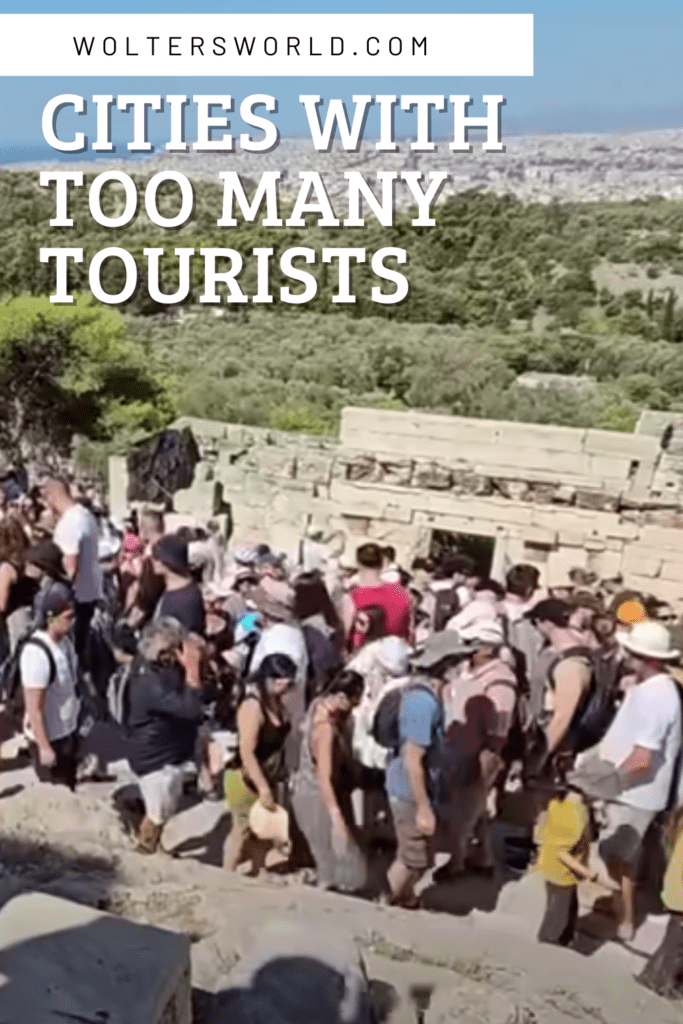
We’ve been visiting Greece for at least 20 years, and Athens has become insanely crowded. It’s gotten so bad that they have to close the Acropolis during the heat of the day in summer because people were passing out while waiting in line. There is no breathing room in Athens!
Another popular Greek destination that has become very crowded is the island of Santorini. The photogenic white buildings with blue roofs crawling up the hillside make Santorini a very popular place to go in Greece. You cannot visit Santorini on a whim; you have to plan your accommodations far in advance because it’s an island with limited facilities.
Lisbon, Portugal
I love Lisbon. I lived there for five years and got my PhD there. My youngest son was born in Lisbon. So I’ve seen first-hand how tourism has improved the economy, but it’s also not been able to keep up with the growth. Locals have been priced out of living downtown, thanks to short-term apartment rentals. If you can, visit Lisbon in the shoulder seasons and avoid summer in Lisbon.
Florence, Italy
Florence has been so overrun by tourists that they are implementing laws that are not friendly to tourists. They have considered laws like outlawing eating ice cream while walking, or impromptu picnics in the park, just to cut back on the tourists. Fortunately, Florence is nice year-round, so if you can avoid summer crowds, you’ll love Florence.
People visit these places because they are gorgeous.
Mykonos, Greece
Mykonos is another Greek island that has been overrun by tourists. Like Santorini, Mykonos has become “Instagram-famous” and just gets incredibly crowded in the summer. It is a seasonal destination, meaning a lot of things close down in the off-season, so that’s not a great option, either. We recommend visiting any of the other Greek islands. There are plenty to choose from.
Hallstatt, Austria
Hallstatt is an adorable village on a lake in the Austrian Alps. It’s super quaint and charming, but it was one of the towns that inspired Frozen. The town has about 800 residents and it gets around 10,000 visitors per day! Salzburg and Innsbruck are equally beautiful but much better prepared to handle throngs of tourists.
Toledo, Spain
Toledo is one of the most popular day trips from Madrid, and it’s the Catholic capital of Spain. It gets super crowded in the daytime. So maybe stay in Toledo and enjoy it before and after the day trip crowds, and then visit Madrid on a day trip from Toledo.
Mallorca, Spain
Mallorca has been a popular destination for decades. When Mark lived in Germany 20 years ago, they called Mallorca the 17th German State, because so many Germans retired there. Summer is the busiest season to visit, but spring and fall are still nice but with fewer tourists.
Iceland
Most of the destinations on this list are cities, but in this case, we’re going to say the entire country of Iceland has been overwhelmed by tourists. The overtourism of the most popular sites is taking a toll on the natural beauty of Iceland. The roads are narrow and not adapted for the volume of international drivers.
Edinburgh, Scotland
Edinburgh is a beautiful city and well worth visiting, but it’s so busy. It’s a fairly large city, so you have tons of locals trying to get around alongside the tourists. Scotland is so easy to get around; make Edinburgh a day trip and spend the rest of your time exploring the rest of the country. Similar to Dublin and Lisbon, short-term apartment rentals have displaced locals who can no longer afford to live in the city center.
Munich doesn’t often come to mind when talking about overtourism. It’s a huge city, so it can absorb a lot of visitors more easily than smaller towns. However, if you’re in the main square in Munich, watching the Glockenspiel, it’s definitely going to be crowded. Explore other parts of the city and other areas of Germany. There are so many great day trips from Munich where you can escape the crowds!
Prague, Czechia
Prague is one of my favorite cities. It’s affordable and easily accessible from all over Europe, so it’s become the go-to spot for bachelor and bachelorette parties. It can be obnoxious on the weekends. But it’s also a place where you can venture just a few blocks off the main square and find a bit more peace. Bratislava is a great alternative to Prague if you want to avoid crowds.
All of these cities are fantastic places to visit and they are popular for a reason, but they do have their problems as well. This is why we also visit places like Ouro Preto, Brazil or Polignano a Mare. We want to show you other places in the world you can visit, where you can feel like a local and not just another tourist. Places need tourists for their economy, but it has to be more spread out, or more conscientious tourists. Visit in the off-season, and plan your day trips during the week.
Want more family travel tips? Check out some of our other blog posts:
Hey there, fellow travelers! Today, we’re talking about some of our travel experiences around the world. We’ve been traveling as a family for nearly 20 years, and have found some countries are friendlier than others. So we’re sharing what we think are the friendliest countries in the world, as well as the least friendly, plus our number one country and three places we won’t travel.
Friendly or not friendly?
Top Nine Friendliest Countries
Of course, we haven’t been everywhere in the world, but we have visited many diverse destinations on many continents. And these nine countries stand out in our travel memories as some of the friendliest countries in the world.
Ireland has the friendliest people from all walks of life. Whether you’re talking to people at the pub or hiring a driver for the week, the Irish are fantastic. They will come right up and start a conversation while I’m filming videos, and it’s great!
Iceland is a small island nation with the happiest locals. Although they’ve been bombarded with tourism over the last 20 years, they have managed to keep their warm and welcoming personalities. They want you to enjoy their country and their culture.
Rwanda really blew us out of the water with friendliness. Our kids had a blast playing soccer with local kids and we loved meeting local tribes. They were so excited to have tourists visiting, especially when they saw we brought our kids.
Mark studied and lived in Brazil so we visit often, and no matter where we go, it’s one of the friendliest countries. Brazilians know how to have a good time, and they want their guests to have a good time, too!
It’s a common joke about the politeness of Canadians, but it’s true. Canada has some of the friendliest people in the world. Sometimes it’s unnerving how friendly they are, and the more cynical travelers might be suspicious. But it’s authentic! Canadians are lovely.
It’s not just the nonnas that are friendly in Italy! I have made so many lifelong friends in Italy. Once you make a friend in Italy, they wrap you into their friend group. If you’re visiting Italy with kids, expect to be enveloped by friendly grandmas who want to feed them! Even when I’ve taught Italian exchange students, they would insist on inviting me out with them.
Another spot where you are immediately welcomed like family is Greece. They are even more laidback than Italians, and they love to kick back and chat. And they will feed you until you explode. Food is love in Greece, and there is plenty of both to share with visitors.
I’ve heard cruise ship passengers complain about aggressive sales tactics in Jamaica, but that’s their job! We found Jamaicans to be incredibly friendly and welcoming. Jamaica is our favorite island in the Caribbean because of its people.
We may be biased, but Americans are also some of the friendliest people you will meet while traveling. Of course, the level of friendliness may vary by region, but overall we are very welcoming to travelers visiting the United States.
Of course, there are many more countries where we have found friendly people, but these countries are always at the top of our list when it comes to friendly locals.
Five Least Friendly Countries
Now, when people ask us about the least friendly countries that we’ve visited, the list is much shorter. We have learned to enjoy our travels no matter the destination, but if you notice that we don’t mention the people of a certain country, that’s a pretty good clue that they weren’t super friendly.
I joke about Brussels being boring, but I do enjoy the beer and some of the smaller cities of Belgium. However, in all my years of taking students abroad, this is the only country where my Asian or African American students were targeted with racism.
I spent a summer teaching in China and found the people to be ok in one-on-one situations. However, once we were in a larger group, all manners are out the window. They will push you aside to get the last piece of food or to get a seat or board the bus.
Interestingly, Denmark is often cited as one of the happiest countries, but they are not super friendly. They are happy to live their lives and not have anything to do with tourists. If you have Danish friends, they can be a blast, but they aren’t going to draw strangers into their circle.
Not all of Argentina is unfriendly, but there’s definitely an air of snobbery in Buenos Aires. Once you leave the capital city, the locals are much friendlier.
Last but not least, the people of Luxembourg will make you feel like they are doing you a favor by allowing you to exist in their country. It’s a wealthy country with beautiful scenery; they don’t care about tourists.
Don’t get me wrong, I would go back to most of these places, but when I’m asked about the least friendly countries, these are the ones that come to mind.
Happy family travels!
Three Places We’ll Never Visit
We’ve traveled to many places that might be considered dangerous. We’ve received some comments and concerns when taking our kids to El Salvador, Rwanda, and Rio de Janeiro. We do our research and follow travel safety tips that keep us from being targets when traveling. However, there are three places we will not go, with or without our kids.
War Zones are a no-go for us. It’s not worth the risk, and we won’t even fly over active war zones, just in case.
Countries with politically unstable situations are also on our “no” list. These places can change over time. Rwanda would have been on this list 30 years ago, but it turned out to be one of our favorite countries.
We also avoid overly dangerous places like North Korea or Somalia. This changes as well, which is why we recently visited Colombia, which would have been on this list in the 80s and 90s.
Again, we do our research and don’t take unnecessary risks with the safety of our family. However, just because a place is rumored to be bad, we don’t make assumptions or rely on reputations that are decades old.
Another question we are often asked is our favorite country. That’s a tough one, but if there were only one country I could visit for the rest of my life, I can’t even answer that one. But if I narrow it down to just European countries, I can confidently say Italy is hands-down the best. France is a close second because both countries have fantastic food, culture, history and locals. But once you learn a bit of Italian, everyone is your best friend in Italy! Additionally, the geography of Italy is so diverse, from mountains to farmland to the Mediterranean coast. We never, ever tire of visiting Italy!
We have met good people in every country we have visited, so that’s not to say there aren’t friendly folks everywhere. But some places are just more welcoming than others.
Want more family travel tips? Check out some of our other blog posts:
This website uses cookies to improve your experience. We'll assume you're ok with this, but you can opt-out if you wish.AcceptRead More
Privacy & Cookies Policy
Privacy Overview
This website uses cookies to improve your experience while you navigate through the website. Out of these, the cookies that are categorized as necessary are stored on your browser as they are essential for the working of basic functionalities of the website. We also use third-party cookies that help us analyze and understand how you use this website. These cookies will be stored in your browser only with your consent. You also have the option to opt-out of these cookies. But opting out of some of these cookies may affect your browsing experience.
Necessary cookies are absolutely essential for the website to function properly. This category only includes cookies that ensures basic functionalities and security features of the website. These cookies do not store any personal information.
Any cookies that may not be particularly necessary for the website to function and is used specifically to collect user personal data via analytics, ads, other embedded contents are termed as non-necessary cookies. It is mandatory to procure user consent prior to running these cookies on your website.