Hey there, fellow travelers! Today, we’re talking about visiting Warsaw, Poland. I used to work in Lithuania, so I have spent a lot of time visiting Warsaw. It’s a great city, but there are some things you will love, and some things you will hate when you visit Warsaw.
Love #1: Warsaw Old Town & Polish Pride
The Old Town area of Warsaw is not as “old” as you might think. It’s all been rebuilt since World War II and they did an excellent job of restoring everything back to the original look. You really get a sense of the pride the people of Poland have for their country and their history when you see how it’s been restored to the original look.
Hate #1: Service in Warsaw
This actually applies to much of Poland. The service is not super friendly in Poland. Polish locals can be super friendly once you get to know them, but not in the service industry. Although the service isn’t stellar, you still are expected to tip around 10% in Warsaw.
Warsaw has some really great museums. The Uprising Museum opened in 2004, on the 60th anniversary of the uprising. The National Museum in Warsaw is one of the largest museums in Poland, as well as one of the oldest art museums in the country. There’s a Chopin Museum, the Copernicus Science Centre, and a lot of interesting smaller museums.
Hate #2: Safety Around Transportation Hubs
Like a lot of European cities, the train station and bus station are not in the best neighborhoods. If you arrive in Warsaw by train, you will quickly notice a lot of beggars, drunks, and pickpockets hanging around the train station.
Love #3: English is Widely Spoken
Polish isn’t a common language spoken outside of Poland, so English is pretty commonly spoken here, too. It’s pretty easy to find signs and menus that are printed in English, so it’s pretty easy to visit Warsaw without speaking Polish. Of course, it’s always helpful to learn a few words of the local language as it will really get the locals to open up to you and be more welcoming.
Warsaw was essentially leveled to the ground during World War II and it’s impressive how they have rebuilt the city in a relatively short amount of time. However, a lot of the architecture is in the typical Communist-style: gray cinder block buildings that don’t offer much in the way of aesthetics. The Old Town was beautifully restored, but not all areas of Warsaw are as architecturally interesting.
Love #4: Public Transportation
You can really get anywhere in Warsaw using public transportation. There are trams, buses, and trains. Your tickets work across the board, and they are easy and affordable to purchase. Just make sure you validate your ticket before boarding, as they do check to see if you’d done that.
Hate #4: Sites Are Spread Out
As Warsaw was rebuilt, the Warsaw tourism sites became spread out across different areas. This isn’t a city where you can walk to all of the attractions from one central location. If you prefer walking vacations, you may not love having to use the public transportation or a car service to get around.
Love #5: Prices in Warsaw
Warsaw is a very affordable city to visit. Warsaw accommodations are very cheap, and you can eat (and drink) very well in Warsaw. If you’re looking for a budget destination in Europe with a lot of history, Warsaw is a great choice.
Hate #5: Pickpockets
There are some pickpockets in Warsaw. It’s not as bad as some other European cities, but it’s something to be aware of. When you are in crowded areas or on the train or the bus, keep an eye on your wallet and your belongings. It’s not a bad idea to keep your wallet in your front pocket just to be safe.
The city of Warsaw really is a fun and interesting city to visit. Don’t let the “hates” of Warsaw deter you from checking it out. Seeing Soviet architecture against modern glass and steel skyscrapers is pretty cool and it’s super affordable! I didn’t even mention all the great Polish food! Want more of our travel tips for central Europe? Check out some of these other blog posts:
Hey there, fellow travelers! Today, we’re talking about the things you need to know before you travel to Greece. Greece is a fantastic family travel destination and we love to vacation in Greece with our kids. Today we’re sharing some of our best Greece travel tips with you.
English is Widely Spoken
Many travelers get nervous about traveling to Greece or any country that doesn’t use at least the same alphabet as English. Greek letters aren’t always easy to decipher unless you were in a sorority at some point! However, it’s nothing to worry about in Greece as you’ll find English speakers anywhere you go. While you don’t need to know any Greek, it always helps to learn a few basics of the local language when traveling. Hello, please, and thank you will go a long way!
Fortunately, Greece uses the Euro so if you’re traveling around Europe, you won’t have to exchange currency when you arrive in Greece. Don’t toss out those coins as they go up to 2 Euros, which is pretty valuable for pocket change!
Greece is even more beautiful than the pictures.
Greece Travel Prices
A Greece trip is a very affordable family travel vacation. Flights, hotels, car rentals, food, and souvenirs are all very reasonable, especially when compared to central or northern European prices. Even in the tourist places, we’re only spending about 60 Euros for dinner for four people. In the smaller towns and villages, we are spending half of that to eat out as a family.
Traditional Greek Dishes
One of the best things about travel to Greece is trying all of the traditional Greek dishes! There are so many amazing Greek dishes, from moussaka to lamb, meatballs to dolmades. There’s also a ton of fresh seafood as you’re right along the coast. Try the octopus and the calamari! You should also try a gyro and compare the difference to those you’ve had back home. Most dishes come family-style, so you’ll get to try a lot of food. Three dishes are usually enough for four to five people.
Remember: gyro is pronounced “yee-ro”, the “g” makes a “y” sound!
There are some good wines and beer in Greece. I always recommend trying the local variety. There are some interesting Greek sodas to try as well. When it comes to water, I recommend drinking bottled water rather than tap water in Greece. Some traditional adult beverages to try in Greece include:
Raki, a byproduct of the wine-making process. It’s made after the first pressing of grapes, and it is very strong! It’s ok to cut it with a little bit of water.
Ouzo is an anise-flavored spirit and can only be produced in Greece and Cyprus.
Metaxa is an amber spirit similar to brandy, which is made from Muscat wines, aged wine distillates, and botanicals from the region.
Cheers from Greece!
Accommodation in Greece
Greece has been a tourism destination for centuries, so there are plenty of accommodation choices for all types of travelers. Just make sure you book early in the high season as the best accommodations can fill up quickly! Remember, a “double” room usually means two twin beds, so make sure the accommodation you choose will accommodate your family!
Car Rental in Greece
If you plan to explore Greece by car, make sure you have an international driver’s license if you are from the United States. If you’re from Europe, you don’t need one, but this caught us by surprise and we want to make sure others are aware! These are easy to obtain; just call your local AAA office.
Getting Around Greece
There are buses and trains that will take you around the interior of Greece. If you are island hopping in Greece, you can take ferries or flights. I prefer to fly as the ferries can be time-consuming and not all that interesting.
Other Things to Know About Greece
There are a few other things to keep in mind when you visit Greece:
Not all toilets can handle toilet paper being flushed, so pay attention if there are signs in the bathroom
Electrical outlets are the European style, with two round prongs
Most places have WiFi, including restaurants and hotels.
Cellular service is also widely available, although a bit slower than you might be used to
Forget anything negative you’ve read about Greece; you will come here and have a great time! The people are fun, the food is great and the weather is fantastic. Looking for more Greece travel tips? Check out these other blog posts:
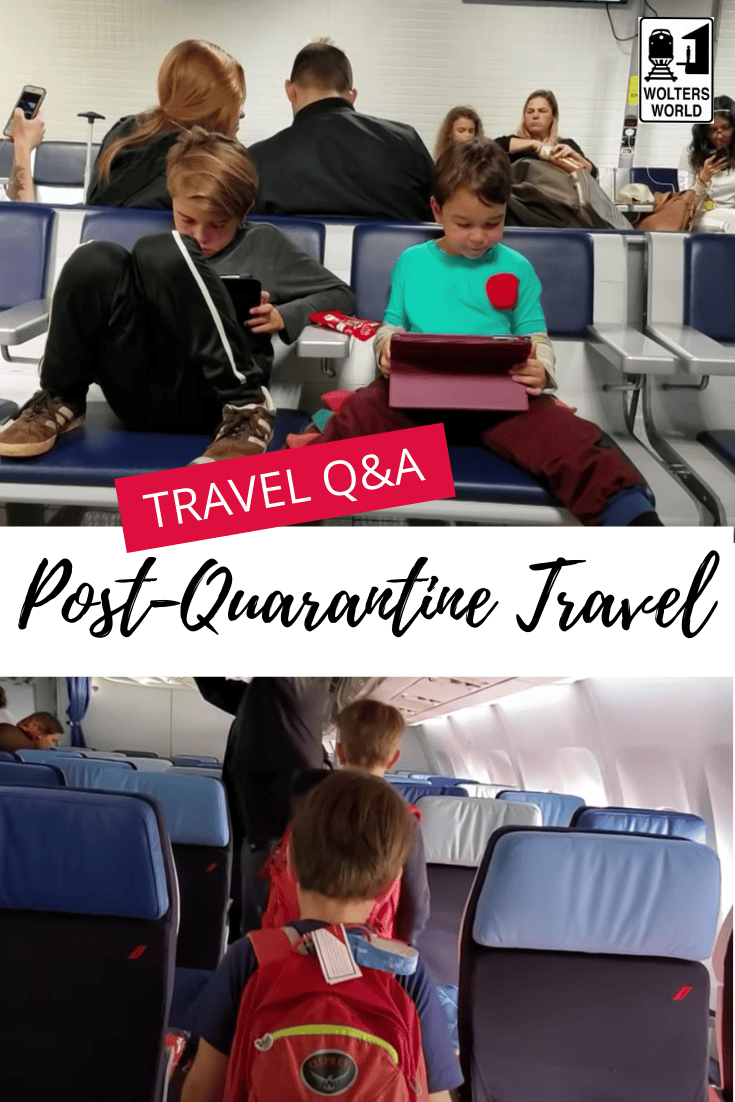
Hey there, fellow travelers! Today, we’re talking about the impact of COVID-19 on the future of travel. With quarantines and travel restrictions, this global pandemic is estimated to have a greater effect on the travel industry than 9/11 or the 2008 recession. It’s going to change the way we travel for a long time to come. As travel experts, we thought we’d answer some of the most frequently asked questions about the future of travel in a post-pandemic world.
When Should I Get to the Airport?
Dads of the world are finally vindicated in their frantic quest to get to the airport early! I’m sorry to say it, but you’re going to need to get to the airport even earlier than before. Everything takes longer in a post-COVID world. Check-ins, security, even getting food from the food court, are all going to take longer.
I highly recommend downloading the app for the airline you are flying with. You will be able to check-in online and use a mobile boarding pass to go through security. Avoiding the check-in counter is probably the number one thing you can do to get to your gate more quickly. You can even track your checked luggage in the app.
How is TSA Adapting for COVID?
Firstly, TSA is reminding everyone to practice good hygiene. Wash your hands before and after you go through security as you’re touching a lot of different things that a thousand other people are also touching. They are also implementing social distancing while you wait in line, so pay attention to floor markers or signs telling you where to wait.
With reduced demand for travel, TSA may reduce staffing at some airports. This means there may be fewer checkpoints open. They will also be implementing enhanced cleaning procedures, so there may be a delay as they disinfect bins and belts in the security area. This is another great reason to arrive early at the airport as the security process will undoubtedly be slower.
As far as what’s allowed through security, the 3-ounce, 1-liter rule still remains for liquids. However, they have added one exception to the rule. As of March 13, 2020, TSA is allowing each passenger to carry a bottle of hand sanitizer that is up to 12 ounces in size. It must be screened separately from other liquids in your carry-on.
One additional exception that TSA is allowing for is expired driver’s licenses. With many DMV facilities closed due to COVID, the TSA recognizes that it may not be possible to renew your driver’s license at this time. If your license expired on March 1, 2020, or later, you will be allowed to continue to use it for up to one year after the expiration. Likewise, the Department of Homeland Security has pushed back the REAL ID deadline to October 2021.
Face masks are a hot topic right now. Some people claim the requirement is infringing on their personal rights, while others claim they vastly reduce the spread of germs. Regardless of your personal stance on masks, the airlines will most likely require you to wear them. Many airports are already requiring masks for passengers in the terminals. While many businesses will provide a disposable mask if you don’t have one, it’s better to find masks for your family that you can wear comfortably for several hours during your flight.
Have a mask or two for your trip, and some hand sanitizer and some wipes.
What About Temperature Checks?
Temperature checks are a quick way to test for possible symptoms of illness. They’re not new; we had to do temperature checks in Kenya and Tanzania last year, long before COVID struck. They are quick and easy, and there’s no physical contact involved. In fact, they can probably be incorporated right into the existing body scanners and you wouldn’t even know the difference.
Can I Still Use the Airport Lounge?
Who doesn’t love the free food, drinks, and WiFi in the airline lounges? Sadly, food buffets were one of the first victims of COVID, as most hotels have already done away with the breakfast buffet. The airport lounges will still be there but expect a lot of changes. They will likely assign your seat and ask you not to move seats so they can monitor the cleaning of each space. Food buffets will most likely be replaced with packaged snacks.
Will My Airplane Be Clean?
If you’ve flown with any airline in the last few years, you’ve surely received email updates from them, detailing their new cleaning procedures. American Airlines unveiled a 30-point cleaning checklist for each aircraft before departure. You’re going to see more cleaning done at the airport and on the planes. This is a GOOD thing! Armrests, seatbelt buckles, and tray tables will all get a fresh focus on sanitation before you take your seat.
What About the Recycled Air?
The cabin air is heavily filtered on airplanes, so it’s probably cleaner than the air in some peoples’ homes. It’s really not a bigger concern than breathing air anywhere else you are going to travel to.
What Should I Bring to Stay Safe?
Of course, even in the face of enhanced cleaning procedures, passengers may want to take matters into their own hands. It’s never a bad idea to travel with your own hand sanitizer and/or wipes. Since we travel with kids, we always have these things, but you can buy a travel packet of Clorox wipes in the travel section at Target or your local drug store. Feel free to wipe down your seatback screen and tray table, even the window if you’ll be pressing your nose up for a good view.
It may be awhile before we can have mask free travel.
How Will Boarding Change?
The way we board a plane will most certainly change post-COVID. In recent years, airlines have changed up the boarding process to allow passengers the chance to upgrade their boarding group for a fee. We may see airlines return to a “back to front” boarding model that alleviates some of the aisle congestion during the boarding process. This eliminates crowding around the gate, as well as reducing how many people you pass by as you board the plane. You’ll also see social distancing markers at the counter and at the gate.
How Will Airplane Seating Change?
In the short term, many airlines are reducing capacity to increase space between passengers. Generally, this means the middle seat will be left open. This is great news for anyone who has endured a long flight sandwiched into that middle seat. However, reduced capacity also means increased scarcity for flights and you may not get those great deals you were hoping for as the airline now only has to sell ⅔ of their seats.
How Will My Packing Be Impacted?
I predict a temporary elimination of carry-on bags. As a family that prefers to travel carry-on only, this will be one of the biggest impacts we see when traveling. With changes in the boarding process, there’s no longer the incentive to upgrade to an earlier boarding group to ensure you get a space in the overhead bin. Stowing carryon luggage is one of the biggest delays during the boarding process, and is usually the reason people are bunched up together in the aisle. Strictly speaking from a boarding efficiency perspective, it makes sense to only use the space under the seat in front of you. However, this will equate to longer wait times at the baggage claim after your flight. This will surely change how you pack and what you pack in your luggage!
What Happens to Flight Prices?
At first, we will see flight prices decrease, as an incentive to encourage people to travel again. But eventually, with fewer seats to sell on each flight, I predict prices will increase to account for the reduction in availability. This also means it will be even harder to get those free upgrades, as there are fewer seats to upgrade to.
What Amenities Can I Expect?
As travel increases, airlines are going to be streamlining everything they can. This includes the in-flight service, magazines, blankets, and pillows. Everything that can be done to reduce contamination and spread of germs will be done. We’re not saying they won’t offer drinks at all, but the big menu of choices may be reduced to a single bottle of water, especially for long flights. Be prepared with your own snacks and water, as well as layers of clothing to ensure you are comfortable. I would also suggest having your own headphones; don’t count on the free ones they usually pass out.
Will Airlines Survive?
The reality is, not all airlines will survive this pandemic. Airlines are seeing up to a 95% reduction in revenue. Other airlines will survive but may have to drastically reduce their service and routes. If you live in a smaller market with a regional airport, you will likely see far fewer flights servicing your area. You may have to pay more for a flight or commute to a larger city nearby. The truth is, nobody knows how long it will take the airlines to recover from this. Some experts say it could take several years.
When Can We Travel Again?
The short, annoying answer that nobody wants to hear is: that depends. There are so many factors that will determine when we can travel again. Destination and country of origin are the two biggest factors. It’s already becoming easier to travel within Europe, or within the United States. However, it remains to be seen when Americans will start traveling to Europe again and vice versa. The European Union has announced there will be a summer travel season within the European Union. They have not announced when the borders will open to non-EU residents.
The rules and regulations are constantly evolving, so it’s really important to do your research. Not only for your destination but also for the travel companies you choose as you’ll want to ensure you are covered by trip insurance and lenient cancellation policies. Some countries will test you upon arrival, while others will impose a quarantine of up to 14 days.
Beyond the individual country rules and regulations, deciding when to travel again is a very personal decision. Some travelers aren’t comfortable traveling until there is a COVID vaccine. Other travelers are ready to hit the road tomorrow!
Should We Cancel our Fall Trip?
Many travelers have scrapped any summer travel plans, or have scaled back to destinations within driving distance. A lot of travelers are now looking to autumn and wondering if those trips should be canceled too. Our advice is to wait and see. In terms of this pandemic, 3 months is a lifetime away and a lot can change. If you cancel now, you’re going to lose money or end up with airline credits. If you wait and the airline cancels your flights, you’re entitled to a full refund.
Of course, nobody has a crystal ball to see what exactly travel will look like in six months or one year from now. The changes we predict will vary greatly by the individual airline, as well as by country or region. But, the airlines and the travel industry need our help to rebound. As soon as we feel it’s safe to travel again, we’ll be out flying the friendly skies, and we hope you will, too!
Looking for more travel advice? Check out these other blog posts:
Hey there, fellow travelers! Today, we’re talking about Amboise, France. This small town in France’s Loire Valley is where Leonardo DaVinci lived the last years of his life. Amboise is a great base for exploring the Loire Valley and the nearby French countryside. So, we wanted to share our tips for the best things to do in Amboise, France.
Amboise Chateau
Like many villages of the Loire Valley, Amboise is centered on a castle, in this case, the Chateau d’Amboise. Sitting on a hill overlooking the Loire River, the Amboise Chateau was at one time the Royal residence of King Charles VIII. You can easily reach the chateau from town and take a tour of the palace. In the summer, they have a sound and light show which is fun, and the gardens are a great place for the kids to run off some energy.
Just outside of the chateau, there’s a small chapel off to the side. This is actually where you can see Leonardo da Vinci’s tomb. He is buried here, as Amboise is where he spend the last three years of his life.
There is Da Vinci’s tomb.
Clos Luce
If you want to see where DaVinci spent the last three years of his life, you can visit Clos Luce, where he lived in Amboise. Not only can you see the room where he slept, but many of his ideas and designs are on display. There are some designs that failed during his lifetime but have been recreated for display today. There’s an entire park featuring his designs. You really get a sense of how brilliant DaVinci was. Clos Luce is surprisingly kid-friendly; our boys loved the outdoor areas.
Cave Homes
As you walk from Chateau d’Amboise to Clos Luce, you’ll see houses built into the rock walls. It’s something you might expect to see in Turkey or Greece, but in the Loire Valley? Yes, there are cave homes right here in Amboise. They are built into the rock wall below the chateau. They are really neat to see but remember these are private residences, so be respectful of their privacy.
You cannot beat a visit to Amboise.
Amboise Center
One of the best things to do in Amboise is just to walk around the Old Town area and explore the small side streets that stem off of Rue Nationale. Strolling down the narrow cobblestone alleys really makes you feel like you are in Old World France, and you can almost imagine what it was like in the days when Kings and Queens ruled the Loire Valley.
Outdoor Adventure in Amboise
The Loire Valley is where the Parisian royals went to relax and get away from the city. So, there are loads of outdoor opportunities in and around Amboise. The chateaux have amazing gardens and playgrounds, and you can take a cycling tour or a kayak tour. Hot air balloons are also a popular way to see the Loire Valley.
Explore the Loire Valley Chateaux
Amboise is a great home base for exploring the rest of the Loire Valley. There are many hotels and accommodation options in Amboise, and you can take a train, bus, or guided tour to surrounding Loire Valley chateaux. The Château de Chenonceau is less than 20 minutes by car, while the Château de Chambord, Loire Valley’s largest chateau, is less than one hour from Amboise.
There are tons of wineries and vineyards in the Loire Valley. There are several near Amboise, and more scattered throughout the valley. You can sign up for a guided tour, hire a private driver, or assign a designated driver in your group to take you to the various Loire Valley wine tasting rooms and vineyards.
The family enjoying life in & around Amboise
ZooParc de Beauval
If you are visiting the Loire Valley with kids, the ZooParc de Beauval outside of Amboise is a fun place to visit. It’s the largest zoo in France and is the perfect break from chateau-overload that can sometimes happen in the Loire Valley.
Amboise is the perfect place to stay when visiting the Loire Valley. Only two hours by train from Paris, and centrally located amongst many cool chateaux and vineyards, we loved Amboise.
Looking for more tips on travel in France? Check out these other blog posts:
Hey there, fellow travelers! Today, we’re answering viewer questions. One that we get a lot is “why doesn’t the Travel Channel show travel shows anymore?” This is kind of a trend across the board with many cable channels. The History Channel has very few actual “history-related” shows, and when is the last time you saw a music video on MTV? For those wondering, we’re breaking down what happened to the Travel Channel shows and where to find the best travel shows today.
It’s About Money!
The sad truth of it is that networks make more money on the sensational reality shows than they do on the Travel Channel shows that gave them their start. The Travel Channel makes more money on paranormal ghost-hunting shows than they do airing the best travel shows about travel.
The Travel Channel has been owned by Discovery Communications since 2018 and therefore has been rebranded to fit the Discovery family of television channels. The Travel Channel was originally founded by a subsidiary of TWA. Yes, Trans World Airlines launched a TV network in 1987. Over the years, programming has changed to drive viewership and audience numbers, which translates into revenue for the network.
Travel topics versus Paranormal topics?
TV networks show what works, so even if you don’t love paranormal shows, that’s what’s been driving revenue for the Travel Channel since 2018. When they started showing these types of shows, the Travel Channel had their best year ever! Sorry to say, these types of shows don’t appear to be going away anytime soon.
Sadly, it’s not really even the Travel Channel anymore. They’ve rebranded to be the TRVL Channel now, perhaps in a slow attempt to move away from travel altogether? The top shows today on the Trvl Channel are:
Ghost Adventures
Dead Files
Haunted Live
Mystery at the Museum
Paranormal: Caught on Camera
As travelers, we miss seeing real travel shows. “Travel goddess” Samantha Brown is still doing travel shows, although mostly for PBS these days. Of course, we all miss the great Anthony Bourdain with his travel and food shows. But I don’t think these types of shows will be rejoining the Travel Channel anytime soon.
All hope is not lost, however! The head of the Travel Channel has been quoted as saying “if you can find it on YouTube, we’re not going to make a show about it.” So, with so many travel vloggers and bloggers out there, there’s no shortage of travel content you can watch. It’s just shifted over to YouTube channels, like ours!
The shows you see on cable television today are based on one factor, and that is revenue for the network. Sadly, that means some of the best and most interesting content is no longer available on TV. But the good news is, you will always be able to find engaging and thoughtful content like ours on YouTube. And you don’t even have to pay a cable bill to view the best travel shows!
Youtubers are making up the slack.
If you have more questions about travel or marketing, let us know! We’d love to have a future post answering your questions! In the meantime, if you are looking for more travel tips, check out some of these blog posts:
Hey there, fellow travelers! Today, we’re talking about Rwanda. We were shocked at how much we loved Rwanda. We were literally brought to tears of joy multiple times during our Rwanda vacation. So, today, we’re sharing the ten things that will shock you when you travel to Rwanda.
Cleanliness of Rwanda
When you fly into Rwanda’s capital city of Kigali, you will be shocked at how clean it is. For a city of nearly one million people, Kigali is super clean, as is the rest of Rwanda. The locals have intense pride for their country and community, and it shows. On the last Saturday of each month, everyone gets together to clean their neighborhoods. You really don’t see any litter or garbage in the streets; it’s a pretty awesome surprise!
Rwanda Roads
The highways are pretty good, so that’s not anything to worry about. What’s most shocking are the people on the side of the roads in Rwanda. Many people walk or ride bikes everywhere, so the sidewalks are sometimes busier than the streets! You’ll see women walking with huge baskets on their heads, and others pushing carts loaded with random equipment. You see people walking their goats and all sorts of things.
Got to be old enough to see the Gorillas
Moto-Taxis
Chances are, you’ll end up getting a ride on a moto-taxi during your Rwanda trip. It’s the quickest and most efficient way to get around, especially in Kigali. Rwanda is super hilly, so even short distances can take a long time. Don’t be scared of the moto-taxi; they’ll give you a helmet. If you prefer a slower pace, you’ll see bicycle taxis as well.
Gorilla trekking is very popular in Rwanda, and it’s shocking how close you can get to these wild animals. It’s a pricy experience, but completely magical. It’s quite a shock at how cool the whole trek can be. The gorillas may even come very close to you, which is a shock in and of itself.
Things to Do in Rwanda
So many people visit Rwanda for the gorilla trekking, but may be surprised to find out how many other things there are to do! There are lakes, national parks, villages, and even safari parks where you can see “the big five.” One of our favorite spots is the Gorilla Guardians Village, a park developed by former poachers that helps to teach the Rwandan culture to visitors.
Feeling Safe in Rwanda
Any trip to an African country is likely going to come with some trepidation about safety. You hear so many negative stories in the news, and Rwanda is largely associated with the genocide of 1994. We were positively shocked at how safe we felt in Rwanda. The people are so friendly and welcoming; we never felt in any danger at all. There is heavy security around, but it’s nothing to worry about.
Surprisingly, eating in Rwanda is super vegetarian-friendly. We aren’t vegetarians but found ourselves going without meat for the majority of our trip. A lot of Rwandan cuisine is vegetable-based, with beans, potatoes, sweet potatoes, even bananas. Vegetarian travelers will have no trouble finding plenty of suitable meals in Rwanda.
Friendly Locals
You might think a country that suffered a horrible genocide one generation ago would not be so friendly, but we were blown away by the locals in Rwanda. People smile and wave as you walk by on the street and everyone at the local businesses greeted us in such a friendly and welcoming way. It’s really important to them that you have a good time during your Rwanda visit.
The Horrors of Genocide
The Rwandan genocide occurred over 100 days in 1994. It’s estimated that 800,000 to 1,000,000 people were killed during that time. There are several genocide memorials around the country, and they paint a shocking picture of what happened. They do not white-wash any of the histories and it can be very graphic and upsetting. However, learning about this horrific event is a necessary part of understanding Rwanda.
Genocide Recovery
While the horrors of genocide are relatively fresh, it’s equally shocking how well Rwanda seems to have recovered. The country has been rebuilt into a fantastic place to live, work, and visit. When you realize what they’ve undergone and overcome, it’s really inspiring. They are no longer Hutu or Tutsi, they are all Rwandan. It gave us hope for our own country and other countries around the world in turmoil.
Rwanda is a fantastic country to visit; we enjoyed our Rwanda vacation immensely and highly recommend Rwanda travel to anyone who has the opportunity. Want more tips for international travel? Check out some of our other blog posts!
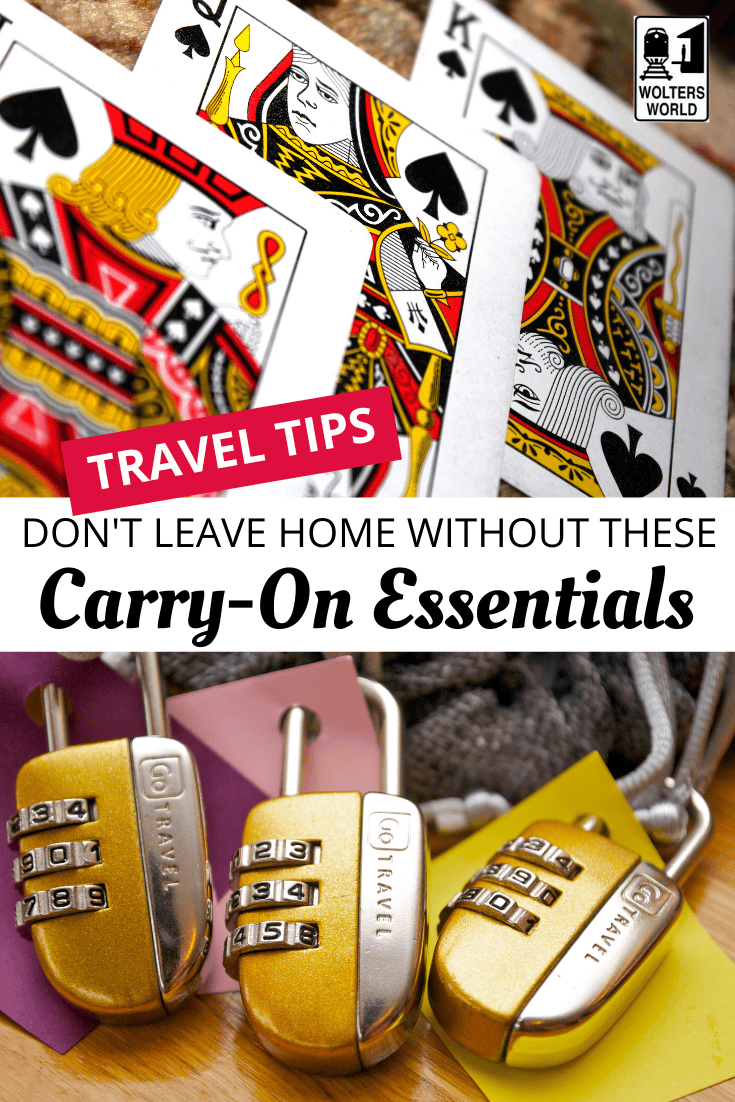
Hey there, fellow travelers! Today, we’re sharing tips for making travel easier. I want to share the six small travel essentials that I throw in my carryon bag for every trip I take. Whether it’s a long international flight or a quick regional trip across the state, I never leave home without these six carry on essentials. They can really have a big impact on your trip!
Power Bank
These days, everything we travel with is electronic. All those photos, videos, and online guidebooks can really drain your battery. A lot of long-haul flights have chargers built into the seats, but not all of them do! You can’t count on being able to charge your devices, so packing a power bank is the best way to ensure you’re not facing a dead battery halfway through your trip. Don’t forget to make sure your power bank is charged, or this long flight essential will be dead weight in your carryon!
A small luggage lock hardly takes up any room but can be a real lifesaver when traveling. Maybe you’re staying in a hostel and need to lock a locker. Or perhaps you arrive at a hotel before check-in and want to leave your luggage at the front desk while you go sightseeing. If you’re in a particularly high-crime, densely populated area, you might even lock the backpack you are carrying on your back. I prefer the combination locks over those with a key, as it’s one less thing you have to keep track of.
Flashlight
I started carrying these when staying in hostels many years ago. Having a flashlight is a nice alternative to turning on all the lights and waking up your bunkmates in the middle of the night. A flashlight can also come in handy when reading at night. Even though we mostly stay in hotels now, it’s still handy to have a flashlight. You never know when the power is going to go out and a flashlight can really save the day!
Bottle Opener
While many bottles in the US and Canada have a twist top, that’s not the case for some of the best beers around the world. A bottle opener is one of those things you never think you’ll need, but you’d be surprised. Whoever brings the bottle opener is the lifesaver of the party!
Deck of Cards
Packing a deck of cards, or a card game is a great way to make new friends while traveling abroad. UNO is a great game for international trips as you don’t have to worry about language barriers; anyone can play. When we travel as a family, a card game is a great way to pass the time on a long train ride or flight.
This one catches a lot of travelers by surprise. You won’t think you need them until you’ve been on a trip where your fingernails got too long and started to irritate you. It’s always nice to keep your fingernails and toenails nice and trimmed while traveling. If you are doing a lot of walking, long toenails can really interfere with your walking ability! Just make sure you buy a simple set that is TSA-approved; some have a small knife included that will surely get confiscated by airport security.
These are just six simple travel essentials that I always throw in my backpack before leaving on a trip. They are all small, cheap, and easy to find and they make my trips more comfortable and more fun! Looking for more tips on family travel and packing essentials? Check out some of our other blog posts:
Hey there, fellow travelers! Today, we’re about the things you need to know before you travel to Rwanda. We talked with Paul, our Rwanda travel guide from Shadows of Africa, to find out the best tips for traveling to Rwanda, from a locals perspective. He agrees with us that Rwanda is so much more than gorilla trekking, although that’s really cool, too! The people of Rwanda are amazing and ready with a warm welcome for all visitors.
How Will I Communicate in Rwanda?
Most Rwandans working in the tourist industry speak English, so you don’t need to worry about learning a new language. Although, learning a few local phrases like hello (muraho), thank you (murakoze) and goodbye (murabeho) are always helpful. Greeting the locals in their own language really presents you as a friend and someone interested in getting to know them and their culture.
Rwanda was once a Belgian colony, but a couple of years ago, they shifted from learning French in schools to learning English. So, more and more Rwandans are learning English as a second language in school.
There are many cool things to do in Rwanda. A few of the best things to do in Rwanda include:
Visit Volcanoes National Park
Go trekking with gorillas (by permit and guided tour only!)
Visit Dian Fossey’s tomb. The American primatologist studied the gorillas in Rwanda and was murdered by poachers in 1985. She is revered by the locals for bringing attention to the plight of the gorillas, helping them to be recognized as an endangered species.
Look for Golden Monkeys, which are only found in the Virunga Conservation Area.
Hiking to several peaks in the park: there are several strenuous all-day hikes in the National Park, including Mount Bisoke, which has a large crater lake at the summit. Mount Karisimbi is the highest peak in Rwanda at 14,787 feet above sea level.
Nyungwe Forest National Park in the southwest part of Rwanda is home to 13 primate species, including chimpanzees.
Lake Kivu forms the western border of Rwanda and the Democratic Republic of the Congo. The lake is a popular resort area for locals and visitors; it’s a great place to go if you want to relax and it’s the perfect spot for down-time between visiting the national parks of Rwanda. Water sports like kayaking and canoeing are also popular at Lake Kivu.
On the eastern border of Rwanda, Akagera National Park is the oldest national park in Africa. If you want to see “the big five” in Rwanda, Akagera National Park is the place to go. The park has a couple of lakes with crocodiles and hippos. Here you can find almost 500 of the 627 bird species known to be in Rwanda.
Gishwati Mukura Forest Reserve is a new national park in Rwanda. Located between Nyungwe National Park and Volcanoes National Park, where chimpanzees live, as well as several types of monkeys and over 200 bird species.
What About Kigali, the Capital of Rwanda?
Yes, absolutely spend at least one night in Kigali. The capital city is located in the center of Rwanda, and it’s one of the cleanest cities in the world. There is a huge community effort to keep the streets and neighborhoods clean. It’s very rare to see litter or garbage in the streets.
At the Kigali Genocide Memorial, pay respects to those who were murdered in the 1994 Rwandan genocide. You also learn how Rwanda recovered so quickly after the genocide. It’s really a striking reminder of the difference between good government and bad government.
We can’t encourage you enough to travel to Rwanda. The people are amazing, and the scenery and wildlife are spectacular. Shadows of Africa was a great resource during our Rwanda vacation, and they offer many tour options for all kinds of travelers. What are you waiting for?
Looking for more international travel tips? Check out these other blog posts:
Hey there, fellow travelers! Today, we’re talking about the things you need to know before you travel to Wales. Wales is a fantastic family travel destination that is often overlooked in favor of the nearby countries of England, Ireland, or Scotland. We love Wales, so we’re sharing some of our best Wales vacation tips with you.
A Wales Vacation is Outdoor-Focused
When you travel to Wales, you should plan to spend a lot of time outdoors. Don’t expect a lot of urban attractions in Wales. Cardiff is a nice city to visit, but overall, you will spend most of your Wales vacation outdoors. Wales has several cool national parks, and so many outdoor areas to explore. Hiking and cycling are both very popular activities in Wales. Some of our favorite outdoor places in Wales include:
Snowdonia National Park (an international Dark Sky Reserve)
Brecon Beacons National Park
Pembrokeshire Coast
Be ready for some hiking & a bit of rain.
Castles & Castles Ruins in Wales
In addition to beautiful outdoor spaces, Wales has a ton of castles and castle ruins. Wales is sometimes called the “castle capital of the world.” At one time, there were an estimated 600 castles in Wales. Today, about 100 of those remain, many of them in ruins. However, many Wales castles have been restored to their original glory.
Wales Weather
If there’s one drawback to visiting Wales, it’s the weather. It rains a lot in Wales. While it doesn’t rain constantly, chances are pretty good that you’ll have at least one rainy day on your Wales vacation. Make sure you bring good waterproof boots and a good rain jacket.
Good luck with the language.
Where to Stay in Wales
With few cities of any size, you’re not going to find many large hotel chains in Wales. Most Wales accommodation is at a bed-and-breakfast, or home rentals through sites like Airbnb. There are also hostels in Wales if you are traveling on a tight budget. We rented a cottage just outside of town, where we had the amenities of home, with a quick drive into town if we needed anything.
Dining Out in Wales
You will likely eat at a pub or two when you are in Wales. When you order your food at the counter, make sure you know your table number, as they’ll need that to deliver your food. Just know that if you’re visiting Wales with kids, they won’t be allowed in the pubs after certain hours. The food in Wales is surprisingly good!
There are some buses and trains to get around Wales, however, the best option is to have your own rental car. Given that Wales is not an “urban exploration” destination, you really want to have the flexibility of being able to go where you want and get out for a hike at your own leisure.
We found the locals in Wales to be very friendly and open. They have a great sense of humor and often quizzed us on why we would choose to visit rainy Wales instead of someplace sunny and warm. The service was also good, so there aren’t really any concerns from that perspective.
Fun times were had by all in Wales.
Wales Travel Basics
Some additional things you should know before you visit Wales:
Wales currency is the British Pound, the same as in England.
Credit cards are widely accepted, especially Visa or MasterCard
Banks and grocery stores are your best spot for finding an ATM
Most stores close by 6 pm, so get your shopping done early
WiFi is widely available in most Wales accommodation and restaurants
Cell coverage can be spotty in the countryside; make sure you have a GPS unit in your car for navigation
Electrical outlets are the same as the rest of the UK, so you’ll need an adapter if you’re coming from the United States or elsewhere in Europe.
We loved our Wales vacation, and encourage fellow travelers and nature lovers to visit Wales, too! Looking for more tips on Wales travel? Check out these other blog posts:
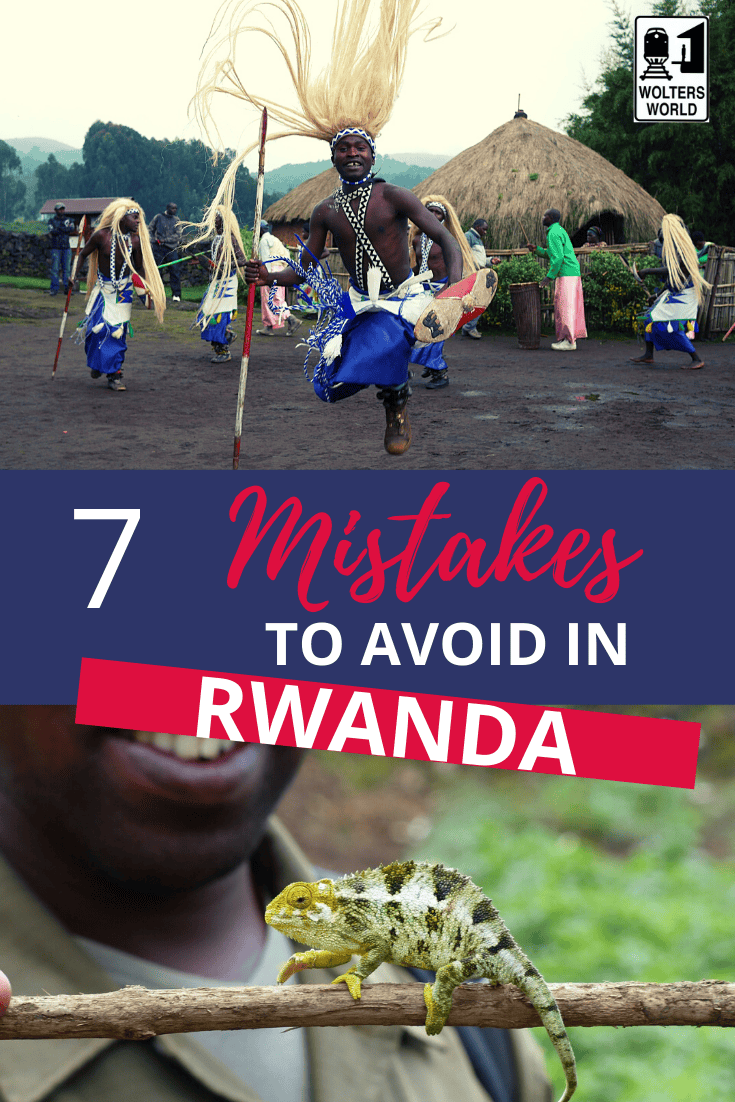
Hey there, fellow travelers! Today, we’re talking about mistakes that people often make when they travel to Rwanda. While many travel blogs will tell you the best things to do in Rwanda, we want to be sure you know about the things you should NOT do when you travel to Rwanda.
Focusing Only on Gorillas & Rwanda Genocide
When visitors travel to Rwanda, it’s usually to see the gorillas. And most of us remember the genocide, so that’s another aspect of Rwanda the visitors focus on. However, there is so much more to Rwanda than just these two facets. Even more important than remembering the horrors of the genocide is to experience the vibrant culture that has come through forgiveness and justice. Meeting the locals was absolutely the highlight of our Rwanda vacation.
Not Talking With Locals
Starting with the staff at your hotel, the locals in Rwanda are very approachable and friendly. They may tend to blend into the background a bit when working, but don’t be afraid to strike up a conversation with your bartender or your server. The people of Rwanda are so friendly and open; it doesn’t take much to get a good conversation going. Think of them as potential friends rather than staff.
If you can only visit one country in Africa we say make it Rwanda. We loved it!
Not Tipping The Guides And Staff
To tip or not to tip is usually one of the biggest questions people have about traveling to a new destination. In heavily touristed areas of Rwanda, tipping has become customary. Some loose guidelines for tipping in Rwanda are as follows:
Hotel housekeeping: $10 per day per room
Tour Guides: $5-$10 per day per person
Trekking porters: $10-$15 per trek
Most hotels in Rwanda have a tip box near the front desk that is a lockbox where you can leave your tip for the entire stay. The hotel will divvy up the tips amongst all of the staff accordingly.
Some of the Rwanda travel lodges are pretty fantastic, but we encourage you to get out of your lodge and explore the surroundings. You can trek with gorillas and return to the lodge without ever experiencing the local culture, which would really be a mistake. Our kids have played soccer with the local kids, while we’ve mingled with the locals and other travelers. Our guide took us into town to do some shopping. Your guide or your lodge would be happy to arrange transport for you to explore the nearby villages and cities.
Jocelyn was in tears every day from the incredible people we met in Rwanda.
Assuming Rwanda is Not Safe
Many people have no association with Rwanda other than the massive genocide of 1994. Rwanda is actually frequently cited as the safest country in Africa, and the capital city of Kigali is likewise very safe. We visited with our parents and children and never felt unsafe at any time during our travel to Rwanda. As we’ve mentioned already, the locals are incredibly warm and welcoming.
Most lodges will prepare international food to satisfy their visitors. While the food we had was excellent, we wanted to try local food instead of American or Indian food. The staff was more than happy to prepare more traditional Rwandan food, but we had to ask for it specifically.
They had us renew our wedding vows & little did we know what that entailed. It was one of the most incredible experiences we have ever had. Visit Rwanda, they are wonderful.
Not Visiting Rwanda
The biggest mistake of all is not visiting Rwanda! Rwanda was on our travel wish list for years. It takes some planning, but it was so totally worth it once we arrived in Rwanda. Our Rwanda vacation exceeded all of our travel expectations!
Rwanda is safe, fun, and beautiful with amazing locals. Don’t make the mistake of not going to Rwanda! We cannot express enough how much we loved our travel to Rwanda! Want more of our international travel tips? Check out some of our other blog posts:
This website uses cookies to improve your experience. We'll assume you're ok with this, but you can opt-out if you wish.AcceptRead More
Privacy & Cookies Policy
Privacy Overview
This website uses cookies to improve your experience while you navigate through the website. Out of these, the cookies that are categorized as necessary are stored on your browser as they are essential for the working of basic functionalities of the website. We also use third-party cookies that help us analyze and understand how you use this website. These cookies will be stored in your browser only with your consent. You also have the option to opt-out of these cookies. But opting out of some of these cookies may affect your browsing experience.
Necessary cookies are absolutely essential for the website to function properly. This category only includes cookies that ensures basic functionalities and security features of the website. These cookies do not store any personal information.
Any cookies that may not be particularly necessary for the website to function and is used specifically to collect user personal data via analytics, ads, other embedded contents are termed as non-necessary cookies. It is mandatory to procure user consent prior to running these cookies on your website.