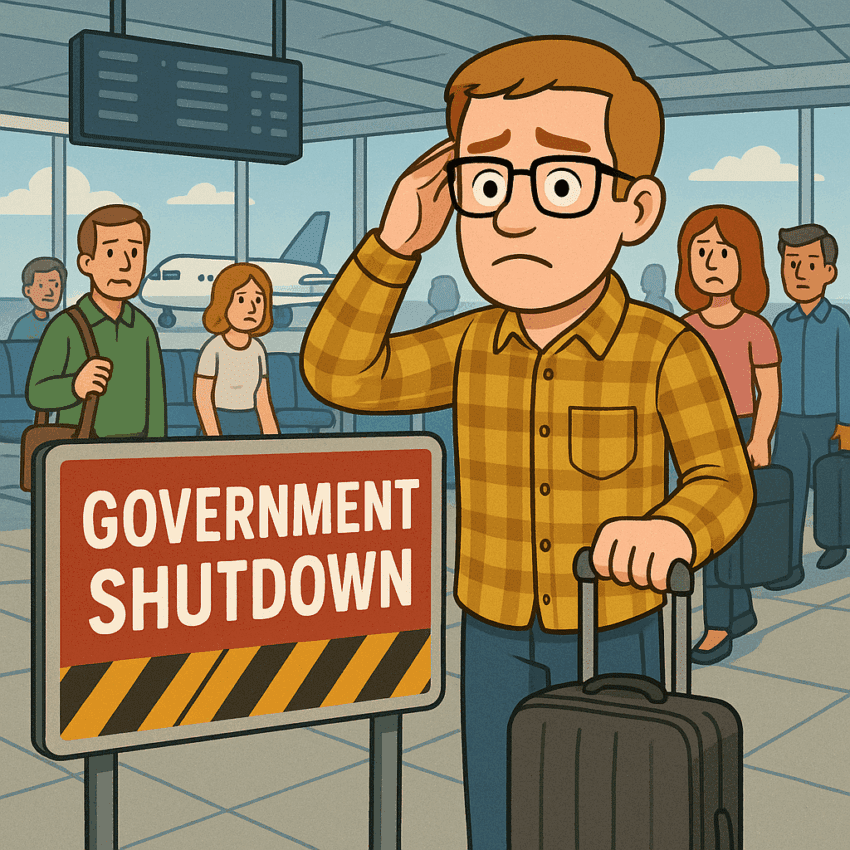
What the Government Shutdown Means for Travelers
Hey there travelers, Mark here from Wolters World — and today we’re tackling something that’s not exactly fun, but really important if you’ve got plans to travel within the U.S. or to the U.S.: the federal government shutdown.
When the U.S. government shuts down, it doesn’t just affect politicians in Washington, D.C. — it impacts airports, national parks, visas, and even your travel timeline. Whether you’re visiting from abroad or exploring your own backyard, here’s how the shutdown can affect your trip and what you can do to prepare.
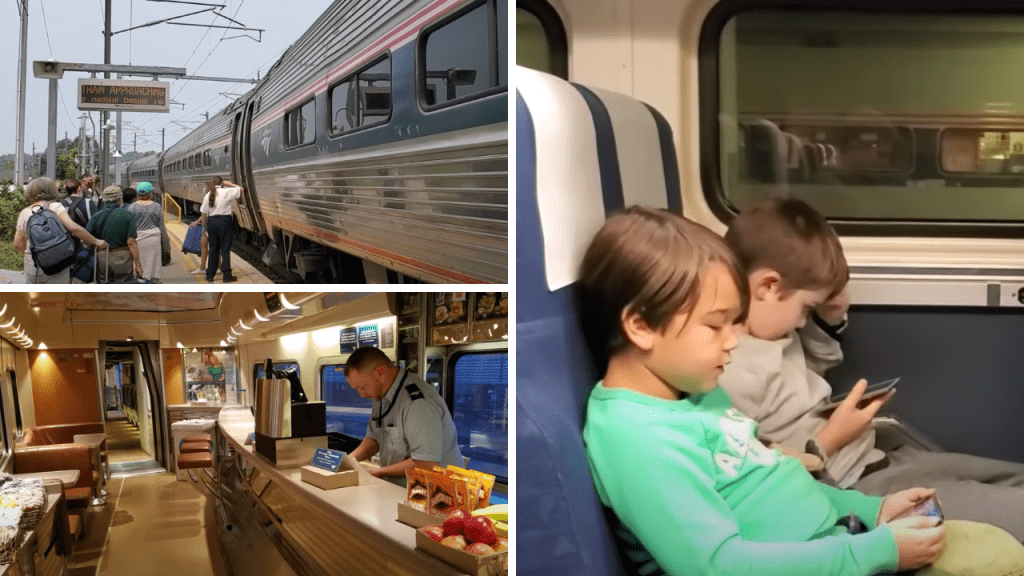
How the Shutdown Is Already Affecting U.S. Travel
1. Airport Security & Flights
The good news: airports are still open, and flights are still operating.
The not-so-good news: TSA and FAA employees are working without pay, and that can mean longer security lines, more call-outs, and potential flight delays. Jocelyn and I have both flown during the shut down both domestically and internationally and we have had no hiccups so far (knock on wood).
If you’re flying soon, arrive at least an hour earlier than usual, especially if you’re flying through major airports like Chicago O’Hare, Atlanta, or LAX. It’s better to grab a coffee at the gate than sprint through security. The lines may be a bit longer and you will probably feel a bit better with the extra time.
2. National Parks and Federal Sites
Planning a trip to Yellowstone, the Grand Canyon, or any of America’s incredible national parks? Check before you go. Some are closed, but many parks stay partially open, but visitor centers, restrooms, and trash collection often close during a shutdown. That means fewer rangers, fewer services, and sometimes messy conditions.
Pro tip: Have a Plan B — nearby state parks or local outdoor areas are usually unaffected and just as beautiful. We took advantage of the state park near Las Vegas when we were there.
3. Economic Impact on the Travel Industry
According to the U.S. Travel Association, the shutdown could cost over $1 billion a week in lost travel spending. That affects airlines, hotels, restaurants, and tourism jobs.
Even if you don’t see it directly, it can mean fewer staff, longer response times, and reduced services at destinations that rely heavily on federal resources. So, be kind to travel industry workers as many of them are feeling the economic impact of the government shutdown.
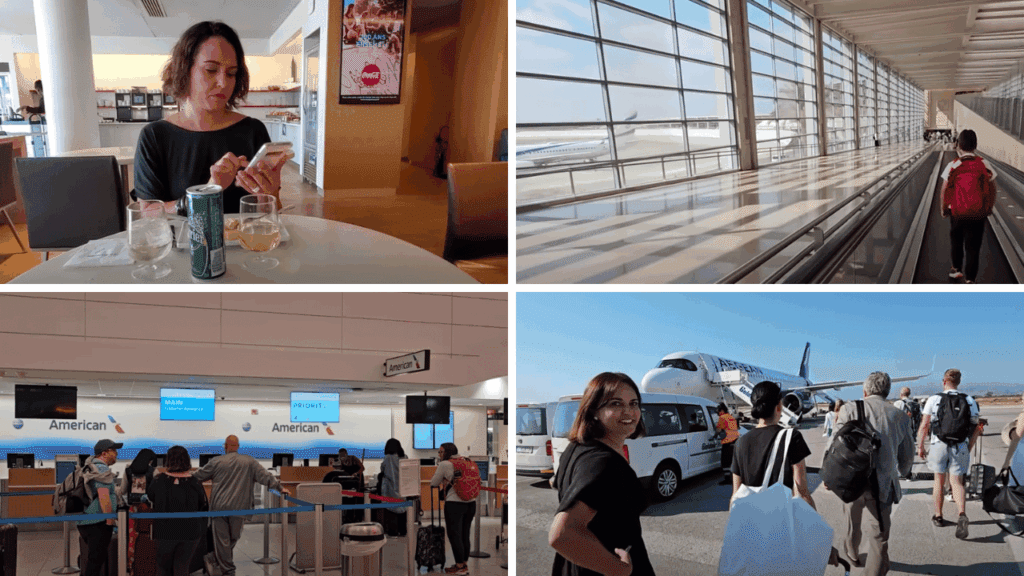
How International Travelers Are Affected
If you’re coming to the U.S. from abroad — don’t panic. You can still come. The flights are still going, the passport checks are still checking.
Here’s what’s still running and what might slow down:
- Passports and visas are mostly still being processed, since they’re funded by application fees.
- However, if the shutdown lasts weeks, some embassies and consulates may reduce staff, which could delay new visa appointments.
- Work visas (like H-1B) that require Department of Labor certification may experience delays or complete pauses.
Bottom line: you can still travel to the U.S., but give yourself extra time for paperwork and don’t cut it close with visa renewals or passport expiration dates. And remember you need more than six months valitidy on your passport to enter the US and many other countries.
What Could Happen If the Shutdown Lasts Longer
If this shutdown drags on, expect these possible issues:
- Longer TSA and customs lines at airports. And that means getting to the airport even earlier.
- Flight delays and cancellations as staffing shortages increase. So fly early in the morning for less chances of cancelations and a better chance to get on a standby flight.
- Fewer air traffic controllers in training, meaning slower recovery after the shutdown ends. Yep, that means even when this is over, we will still feel the lingering effects as travelers.
- Closed Smithsonian museums and federal monuments in D.C. as well as other national parks and sights.
- Backlogs in visa and immigration processing. Expect things to take awhile to get back to usual schedule.
It’s not the end of the world, but if you’re traveling during the shutdown, patience and flexibility are your best friends.
Tips for Travelers During a U.S. Government Shutdown
Here’s what I recommend, the same advice I’d give my family before we travel:
1. Arrive Early for Flights
Give yourself an extra 30–60 minutes at the airport. Security lines can slow down without warning. All those dad travelers can now be vindicated for wanting to get to the airport so early.
2. Stay Informed
Download your airline’s app, sign up for text alerts, and keep an eye on TSA line updates or airport social media accounts. This can be super helpful if you miss a connection as the app can help you just as well as the people at the airport and there is no line when you deal with the app.
3. Have Backup Plans
If a park, museum, or tour is closed, have an alternate destination ready.
State parks, local attractions, and private museums are great alternatives. So, if you are looking to go to a major federal travel destination like Washington, DC or a National Park, you may want to consider other options.
4. Be Flexible with Bookings
Book refundable hotels and flights when possible. That flexibility can save you a lot of stress if plans change. It does cost more, but being able to get all your money back has its advantages.
5. Check Travel Documents
International travelers should confirm their passport and visa validity before departure. If renewals or interviews are needed, schedule them early. This is the most important part. It will take time for the reviews to get back to speed after the shutdown is over.
6. Be Kind to Travel Workers
TSA officers, customs agents, and air traffic controllers are still showing up even without paychecks. A smile, patience, and a “thank you” go a long way. Believe me, they are not happy about the shutdown either.
The Outlook for Travelers
If Congress resolves the shutdown soon, the effects will mostly be minor inconveniences.
If it continues for weeks, expect deeper disruptions to flight schedules, tourism sites, and visa services.
Most of the country hotels, restaurants, state attractions remains open and operating as usual. So, while it might take extra planning and patience, your U.S. trip can still be fantastic.
Final Thoughts: Don’t Panic, Just Prepare
We travelers are a resilient bunch. We’ve survived canceled flights, lost luggage, and pandemic travel, a government shutdown is just another bump in the road. It has happened before and sadly it will probably happen again.
So, take a deep breath, plan ahead, and keep that sense of humor handy. Travel is still possible, still worth it, and still full of amazing moments even when the government isn’t running on all cylinders.
Stay safe, stay patient, and as always happy travels, my friends.
Mark