Hey there, fellow
travelers! Today, we visit Orlando, Florida! The home of Disney World is an insanely popular travel
destination. As you know, here at Wolters World, we like to prepare
travelers with the good, and the bad, of visiting a new travel destination. So
these are the five things you’ll love, and the five things you’ll hate when you
visit Orlando, Florida.
Love
#1: Orlando Theme Parks
Orlando is the home of Disney World, Epcot
Center, Animal Kingdom, Universal Studios and so much more! Whether you are
visiting Orlando parks with young kids, older kids or no kids, there are theme
parks you will enjoy. Not to mention the water parks!
Driving in and around Orlando is a frustrating
experience especially on Interstate 4. Depending on when you are driving
through Orlando, the interstate is either a parking lot of stop and go traffic,
or a race track of cars going way too fast. Throw in the fact that many of the
drivers are tourists and don’t know where they’re going, and driving in Orlando
is just not a fun experience.
Love
#2: Orlando Activities
In addition to Orlando parks, there are
casinos, professional sports teams and beaches that are just a day trip from
Orlando. Some of the theme parks have a nightlife area, like Downtown Disney,
where you can visit nightclubs or see shows like the Blue Man Group or Cirque
du Soleil. There are so many Orlando activities, you can easily fill a weeks’
vacation.
Hate
#2: Tourist Crowds
It’s not just at Disney; there are tourist
crowds everywhere in Orlando. In addition to clogging the roads with traffic,
the restaurants are packed, the theme parks are packed, parking lots are
packed. Summer and Christmas are the two busiest times of the year in Orlando,
but there is hardly a “low season” in Orlando.
Love
#3: Orlando Transportation
A lot of the theme parks and hotels offer free
shuttles, which makes getting around Orlando very easy. Orlando also has a ton
of direct flights to cities around the US and internationally, so you can often
get a great deal on flights to Orlando. If you stay at a Disney property, they
have so many transportation options, you won’t even need a vehicle during your
Orlando vacation.
Hate
#3: Service in Orlando
Once you venture outside of the theme parks
where customer service is a top priority, you’ll be surprised at the poor
service you receive elsewhere in Orlando. Either we are really spoiled by the
Disney service or they have hired up all the good people because service is
really lacking everywhere else in Orlando. They do have to deal with a lot of
tourists, which is understandably frustrating. If you know any locals in
Orlando, ask them where they like to eat so you can avoid the tourist trap
restaurants.
Love
#4: Orlando Weather
There’s a reason all of these tourist
activities were built in Orlando. The weather is pretty good compared to other
parts of the United States. It’s entirely possible to have 70-degree days in
January. If you’re from the Midwest or any snowy region, you’ll really
appreciate the warm weather of Orlando.
Hate
#4: Orlando Weather
Yes, Florida is known for great weather, but
it’s not always the best weather for being outdoors. If you visit Orlando in
the summer, it’s very hot and humid and you can expect to be a sweaty mess all
day if you are doing anything outdoors. They also have random afternoon rain
showers and thunderstorms that come from nowhere, soak you and your belongings
and then move on as quickly as they arrived. Winter in Orlando can be all over
the place, from cold to warm.
Orlando was built for tourism. It’s not a city
that happened to become a tourist destination, it exists for tourism. So, the
Orlando tourism infrastructure is really great, from the transportation we
already mentioned, to having hundreds of hotels and restaurants to choose from.
Hate
#5: Prices in Orlando
Orlando is not a cheap vacation. Between
Orlando hotels, Orlando parks, parking, shopping and eating out, you will end
up spending a lot of money on your Orlando vacation. While you can sometimes
find deals on Orlando hotels, without having a real “off-season” you’re not
going to find rock-bottom prices in Orlando.
Orlando
is a great place, it’s expanding a lot beyond just theme parks, so there are
tons of fun things to do in Orlando. The “hates” are really just things to have
a heads up on rather than a reason not to plan an Orlando vacation. Want more
tips for planning a US vacation? Check out these other blog posts:
Hey there, fellow
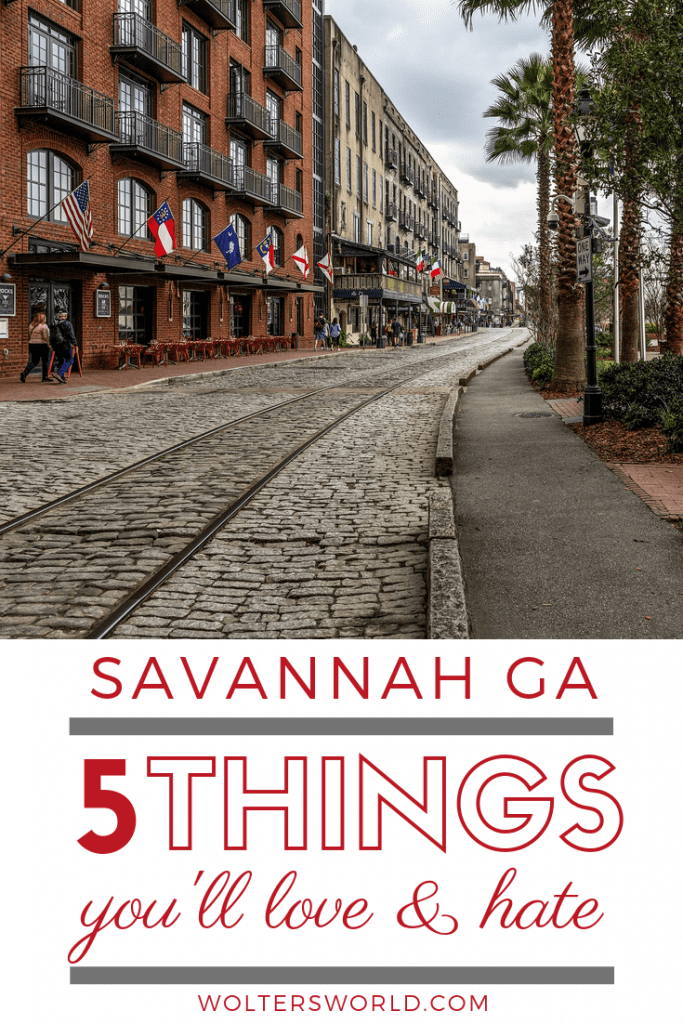
travelers! Today, we visit Savannah, Georgia! Savannah is our favorite city to visit in the Southern
United States and my wife’s favorite city in the world. As you know,
here at Wolters World, we like to prepare travelers with the good, and the bad,
of visiting a new travel destination. So these are the five things you’ll love,
and the five things you’ll hate when you visit Savannah.
Hate
#1: Savannah Weather
The weather in Savannah can be a love/hate
thing, but in the summer, the heat and humidity are oppressive. The first time
I visited Savannah in August, I couldn’t breathe and I thought I was going to
die. July and August are the hottest and most humid months to visit Savannah.
If you decided to visit Savannah in the summer, make sure you stay hydrated.
Any other time of year, the weather in Savannah is perfect.
Love
#1: Savannah Tours & Atmosphere
Savannah is the very definition of Southern
Charm. It’s called the “Hostess City” for a reason; the food, the people and
the culture are all so welcoming. There are tons of historic buildings and
sights to visit, with fascinating stories behind each one. You can take ghost
tours, historic tours, food tours, or pretty much any kind of tour you want!
The city has really done a great job with historic preservation so that
everyone who visits can appreciate and enjoy the history.
Hate
#2: Crime in Savannah
Savannah definitely has a crime problem. I’ve
talked to locals who leave their cars unlocked because it’s better than having
your windows broken. As a tourist, you most likely won’t have any issues during
the day, although it’s always a good idea to keep an eye out and use common
sense. Issues are more likely to occur at night, so if you plan to do any
downtown Savannah sightseeing in the evening, talk to your hotel concierge and
ask them where it’s OK to wander around at night.
In addition to the Savannah tours and the
historic homes I already mentioned, there are so many fun things to do in
Savannah. There’s a great nightlife scene in downtown Savannah with lots of
bars and breweries. Tybee Island is just 15 minutes from Savannah, so you can
have a beach day during your trip. Charleston, South Carolina is just a
two-hour drive if you want to check out another cool city of the South. Whether
you’re visiting Savannah with kids or with a bachelorette party, you’re going
to love it!
Hate
#3: Savannah Bugs
Have you ever seen a flying cockroach? They
have them in the south, only they call them palmetto bugs. Don’t be fooled by
the fancy name; it’s a flying cockroach. In addition, they also have mosquitos
and sand gnats. The local baseball team even used to be called the Savannah
Sand Gnats, but they’ve since changed their name. You can’t do much about the
palmetto bugs, but bring bug spray if you’re going out to the beach or into the
forests or swamp.
Love
#3: People of Savannah
Southern hospitality is alive and well here.
The Southern Charm in Savannah is over the top, from the hotel staff,
restaurant crew or your tour guides. You’ll hear “sir” and “ma’am” over and
over, and people will actually engage with you and interact if you make eye
contact. There are also some really interesting characters around town.
With so many things to see in Savannah, it’s a
very popular city for tourists to visit. The biggest tourist issue in downtown
Savannah is driving. Savannah has a ton of squares in town, and it’s a bit of
an art to navigate them. Tourists tend to just bulldoze through rather than
waiting their turn, and it frustrates the locals. The squares in Savannah are
like a roundabout, so if someone is already in the square, they have the right
of way. St. Patrick’s Day is an especially popular holiday in Savannah, so be
prepared for huge crowds.
Love
#4: Savannah Food
The food in Savannah is amazing! Southern food
is generally pretty good, but Savannah takes it up a notch. It’s not just about
Paula Deen’s restaurant, there are so many hidden gem restaurants tucked away
in Savannah. In addition to amazing fried chicken and soul food, Savannah also
has amazing seafood. If you have a chance to do an oyster roast, don’t miss
out!
Hate
#5: Prices in Savannah
The southern states are usually very
affordable compared to visiting states along the East Coast or the West Coast,
but Savannah is one exception. The popularity of Savannah tourism has led to
higher prices for hotels, restaurants, and tours. It’s a popular place for
retirees and there is a college in town, all of which lead to inflated prices.
Love
#5: Savannah Events & Weather
Other than July and August, the weather in
Savannah is fantastic. It’s relatively warm throughout the winter, so if you
live in a colder climate, it’s a great place to come in the spring, fall or
winter. With such nice weather year-round, there are always fun Savannah events
happening. They have great Thanksgiving and Christmas events, plus the huge St.
Patrick’s Day festivities and other smaller festivals throughout the year.
Savannah
is an amazing city and we’ve considered moving here a few times. The “hates”
are all really just things to avoid, rather than a reason not to visit
Savannah. Want more tips for planning your vacation in the South? Check out
these other blog posts:
Hey there, fellow
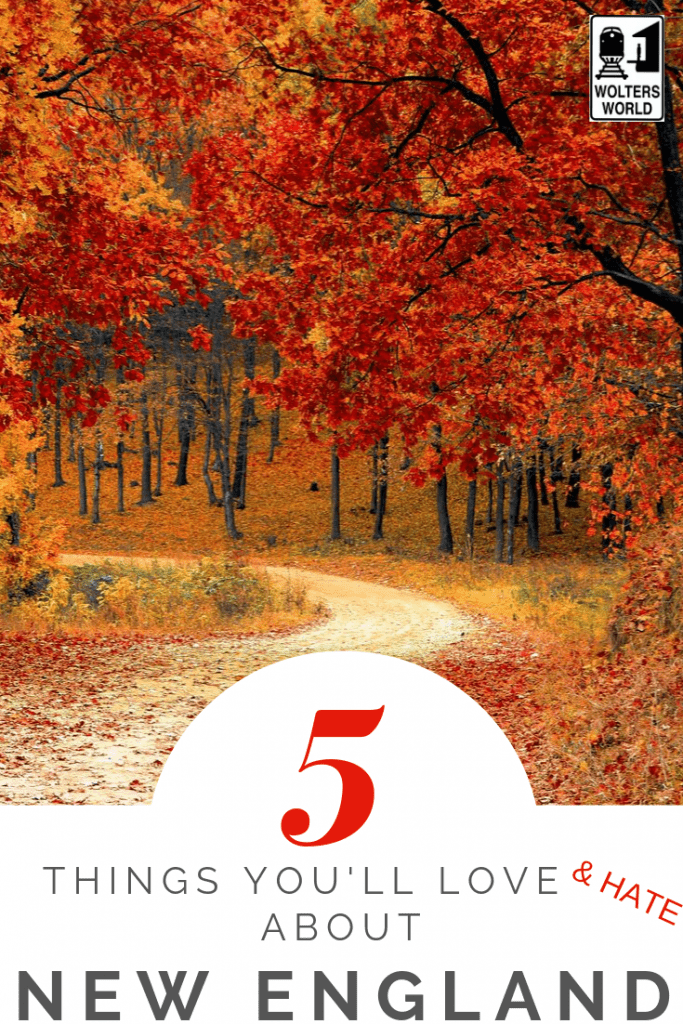
travelers! Today, we visit New England! It’s a beautiful region of the United States that is well
worth coming to. As you know, here at Wolters World, we like to prepare
travelers with the good, and the bad, of visiting a new travel destination. So
these are the five things you’ll love, and the five things you’ll hate when you
visit New England.
Love #1:
New England Towns
New England has so many historic towns and
villages, from seaside harbors to mountain towns and everything in between.
Each town has fun summer festivals, history tours, colonial architecture, and
museums. It’s not just the small towns; Boston is a pretty amazing city to
visit as well. With everything so close and compact, it’s easy to pick a home
base and explore many quaint towns on day trips in New England.
I-95 is the main highway running through New
England, and it’s always packed with traffic. Even if you go off the interstate
and start exploring the side roads, there is almost always a lot of traffic
everywhere in New England, especially in the summer. If you are trying to
arrive at a certain time, always give yourself a bit more time than what GPS
forecasts, so that you can account for any traffic delays en route. It also helps
to avoid the major cities at rush hour, where you can easily add a couple of
hours. A New England road trip is the best way to explore the area, but you
just have to be prepared for traffic.
Love
#2: New England History
From Boston Harbor made famous by the tea
party to several battlefields, New England is the most historic area of the
United States. Also, much of the history in New England is remarkably
well-preserved. Touring New England is like walking through a history book. All
the things you learned about in school are still on display in New England,
which makes it a really cool place to explore and an educational trip for your
family.
Hate
#2: Prices in New England
New England can be expensive compared to other
areas of the U.S. Accommodation and restaurants in New England cost a bit more
than any other region in the US that we’ve visited. However, you can get deals
by booking your hotel early or staying in a bed & breakfast. Prices also
jump up in the summer because that is when the majority of travelers take their
New England vacations.
Love
#3: New England Food & Drink
New England has some of the best seafood in
the United States. If you like lobster, you’ll be in heaven when you visit
Maine. Lobster is everywhere; even at McDonald’s. Then there are the clams,
clam chowder, crab cakes, and soft-shell blue crabs. Surprisingly, seafood is
less expensive here than what you are used to paying back home. It’s still not
cheap, but if you live in the Midwest, you are paying more for seafood at home
than you will in New England. New England also has a lot of microbreweries, so between
the seafood and the interesting beer options, a New England road trip is
perfect for foodies.
Hate
#3: New England Attitudes
Sometimes this is called the “New England
Shield.” The people in New England can seem pretty cold at first. If you think
about the size of some of these New England towns, and how many tourists flood
in throughout the summer, it’s understandable that the locals might be a bit
wary of tourists. But the tourist infrastructure in New England is very well
done, and the residents are generally helpful when you need them to be. It can
be hard to get to know New Englanders beyond a surface level, but once you do,
they are fantastic.
Love
#4: Natural Beauty of New England
There are so many beautiful things to see in
New England. From the mountains of Stowe, Vermont to the seaside cliffs of
Acadia National Park, New England is gorgeous! There’s a reason so many
tourists visit New England. It’s such a great place to explore the outdoors;
from hiking to kayaking to deep-sea fishing to sailing, there are tons of fun
things to do outdoors in New England.
Hate
#4: Seasonality of New England
Summer in New England is perfect weather-wise.
It’s not too hot, but it’s just perfect summer weather to enjoy. The problem
is, everyone knows this and the tourist crowds converge in New England in the
summer. Then fall arrives, bursting with color and attracts even more tourists
by the busload. The other six months of the year, you have winter in New
England, which is some serious winter weather. If you don’t know how to drive
on snow and ice, do not come to New England in the winter!
Love
#5: New Englanders
I know I said you might not like them at
first, but once you get to know New Englanders, they can be really great. We
spent a couple of weeks on our New England road trip and everyone we met was
really fantastic. They were all very helpful and friendly. The people are
really what makes New England special.
Hate #5: Spotty Cell Coverage
You would think that being in such a densely
populated region of the United States, you would not have cell phone issues,
but there are a lot of dead zones in New England. There are a lot of dense
woods, forests and back roads to explore in New England and many of these spots
are out of cell tower range. This can affect your ability to navigate if you
are relying solely on your cell phone apps. It’s a good idea to have an actual
road atlas or paper map handy for your New England road trip.
Overall,
New England is a really fantastic place, and we even extended our visit an
extra day because we were enjoying it so much. The “hates” are really just
things to have a heads up on rather than a reason to avoid New England travel.
Want more tips for planning a US vacation? Check out these other blog posts:
Hey there, fellow
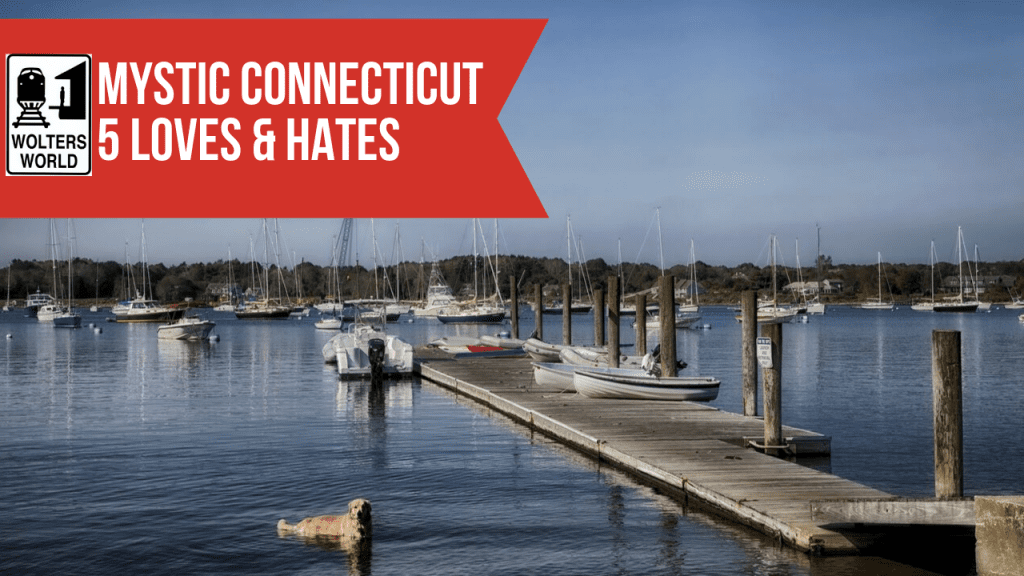
travelers! Today, we visit Mystic, Connecticut! It’s a beautiful seaside town that is well worth coming
to. As you know, here at Wolters World, we like to prepare travelers
with the good, and the bad, of visiting a new travel destination. So these are
the five things you’ll love, and the five things you’ll hate when you visit
Mystic Connecticut.
Hate
#1: Getting to Mystic Connecticut
If you are driving to Mystic, especially from
the south, it can be annoying. I-95 can experience lengthy delays, especially
around New York. Once you’re stuck in traffic, there’s pretty much nothing you
can do. The best thing you can do is to plan your route to avoid New York, or
at least avoid rush hour traffic.
Mystic is really a summer destination and it
can feel crowded with tourists. A lot of New Yorkers keep a summer home here,
so they tend to flood the town with visitors, too. Mystic hotels and parking
can be hard to come by, and sometimes you may need to make restaurant
reservations as they fill up, too. The town seems to handle the crowds very
well, though, so it’s not a huge issue, just something to keep in mind when
choosing your dates.
Hate
#3: Prices in Mystic
It’s expensive to visit Mystic. Expect east
coast, high season prices. Mystic hotels, restaurants, gas stations, tours, and
attractions are all a bit inflated in Mystic. It’s not as expensive as Boston
or New York, but Mystic is definitely not a budget destination. It is possible
to find affordable accommodation in Mystic, but the more reasonable hotels sell
out quickly in the summer.
Hate
#4: Tourist Traffic
Most people who visit Mystic will come by car,
so along with all of the tourists in summer, there is also a lot of traffic.
And they are mostly New York drivers. Even on the sidewalks, you run into
traffic jams because people just stop paying attention and will block up the
sidewalk or roads.
Hate
#5: Mystic Winter
Mystic has six to eight months of winter,
which is why the majority of tourists come to Mystic in the summer. It’s
beautiful in the winter, but very cold and a lot of businesses just close for
the winter. A lot of the best things to do in Mystic are outdoors, so it really
is best to visit in the summer, or the shoulder seasons of late spring and
early fall.
Love
#1: Mystic Seaport
The Mystic Seaport is a 19-acre maritime
museum. They have whaling ships, schooners, steamboat rides and a drawbridge
you can go out on. There are over one million artifacts of maritime history.
The interpreters and docents are super knowledgable and informative. The museum
also has lots of fun kid activities, like model shipbuilding. This is actually
the #1 tourist sight in Connecticut, so it’s one of the best things to do in
Mystic CT.
Love
#2: Downtown Mystic & Stonington
Another of the best things to do in Mystic CT,
and nearby Stonington, is to wander the downtown streets. Each town is a
picture-perfect East Coast seaside village. It’s everything you expect in a
small Connecticut town. There are quaint shops and local restaurants to check
out, so make sure you leave time to just wander around.
Love
#3: Food in Mystic
The food in Mystic is amazing, especially the
seafood. You can get fresh seafood pretty much right out of the sea. If you
don’t like seafood, there is other good stuff to eat in Mystic. One of the most
popular Mystic restaurants is the Engine Room, which is known for its great
burgers. You will probably want to check out Mystic Pizza if you’ve seen the
movie, but the locals will tell you to go to the Stonington Pizza Palace
instead. We enjoyed both! Drawbridge Ice Cream is another must-try spot in
Mystic. There’s actually great beer in Mystic, too. At the Velvet Mill, try the
Beer’d Brewing Company. They have great beer, and it makes a good souvenir to
bring back home with you.
For as many tourists as they have come through
Mystic, the people are still super friendly and helpful. I met one traveler who
was offered a ride by a friendly local when he was out wandering the streets.
You may have heard of the New England shield that locals put up, and it may be
hard to really get to know the locals and become friends with them, but on the
surface, they are very friendly and not hostile like some seasonal tourist
towns can be.
Love
#5: The Sea
Being on the ocean is such a great experience.
You can take a steamboat tour at the Mystic Seaport, you can take sailing
lessons or charter a fishing trip. Even if you stay on dry land, soaking in the
sea breeze and listening to the crashing waves is a treat. Life in Mystic
revolves around the sea, so you can expect to spend a lot of time in or around
the sea.
Overall,
Mystic is a really fantastic place, and we even extended our visit an extra day
because we were enjoying it so much. The “hates” are really just things to have
a heads up on rather than a reason not to visit Mystic. Want more tips for
planning a US vacation? Check out these other blog posts:
Hey there, fellow
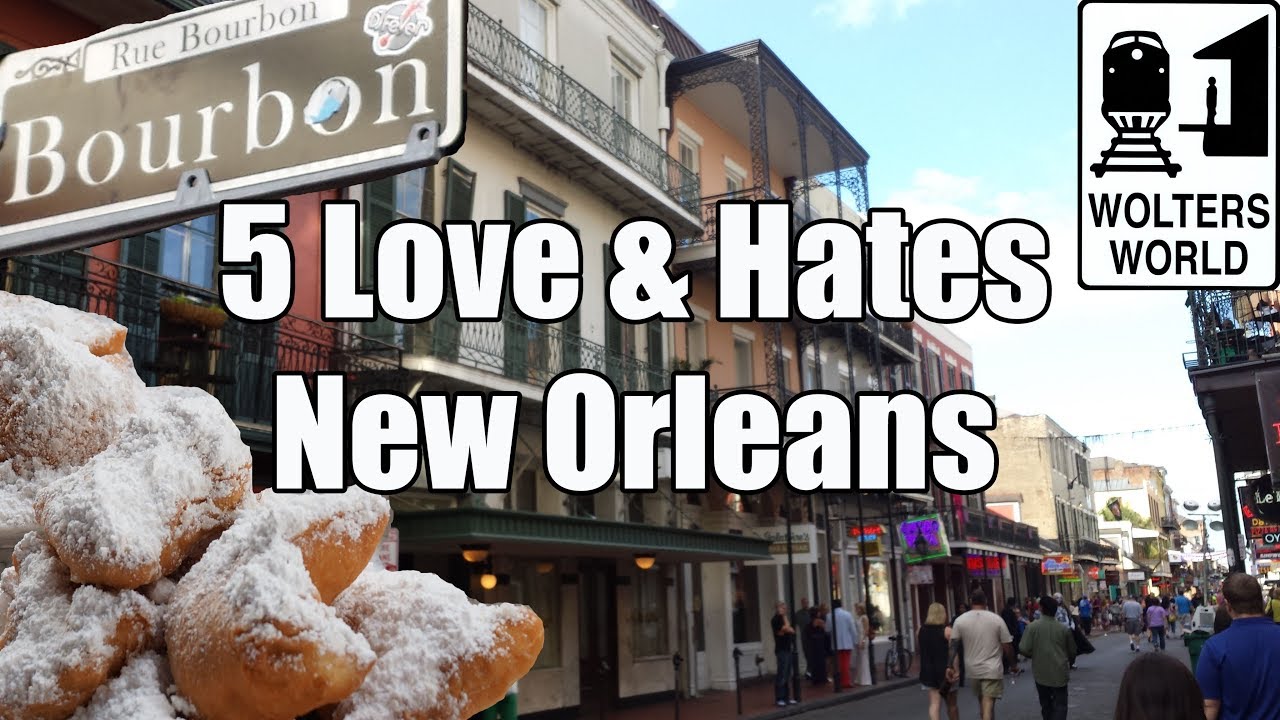
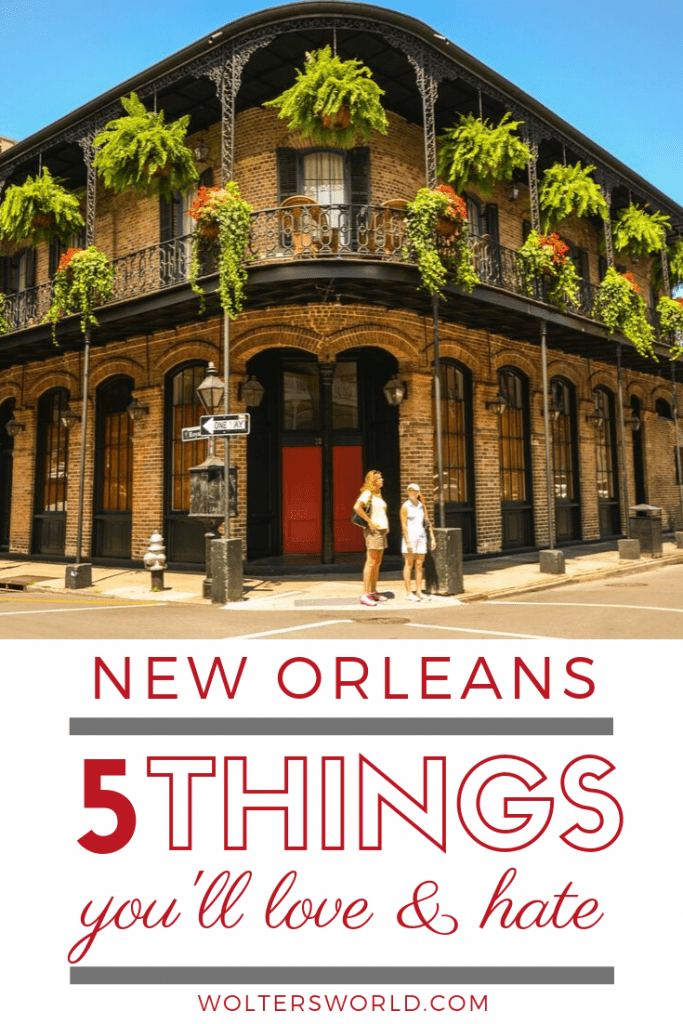
travelers! Today, we visit New Orleans, Louisiana! It’s a fantastic city and there are so many fun things to
do in New Orleans. As you know, here at Wolters World, we like to prepare
travelers with the good, and the bad, of visiting a new travel destination. So
these are the five things you’ll love, and the five things you’ll hate on your
New Orleans vacation.
Hate
#1: Drunk Tourists
New Orleans is like a Disneyland for adults;
it’s a city where people come to party. So, it’s inevitable that you will run
into groups of drunk tourists in New Orleans. Of course, there are plenty of
tourists that come to New Orleans for other reasons, but it seems that Bourbon
Street brings out the binge drinker in each of us. If you’re out at night in
the French Quarter, just keep an eye out for any trouble and avoid large rowdy
groups.
Driving and parking in New Orleans are
frustrating. Parking is really hard to find and very expensive once you do find
something. Driving in New Orleans can be stressful and confusing if you are
traveling between the districts of New Orleans. I recommend using the streetcar
and taxis to get around. It’s much easier than driving and looking for parking.
In fact, it’s pretty easy to plan a New Orleans itinerary that does not require
you to have a car at all.
Hate
#3: Hotel & Restaurant Prices
New Orleans is a major tourist and convention
destination, so there really is no “low season” where you can find cheap hotels
in New Orleans. New Orleans hotels are expensive; you can expect to pay more
than $200 a night for a nice hotel in a good location, and parking is added on
top of that if you drive to New Orleans. If you want to stay in the French
Quarter, you will pay for the convenience, but you will save money on taxis and
transportation as you will be able to walk to some of the best New Orleans
attractions. Restaurants in New Orleans are also expensive, but the food is
amazing.
Hate
#4: Summer Weather in New Orleans
New Orleans is very hot and humid in the
summer. If you visit between May and September, expect to have very warm days
and evenings. You have to stay extra hydrated this time of year, especially if
you are drinking alcohol because you can get dehydrated very easily. When
planning your New Orleans itinerary, try to stay out of the mid-day sun and do
your sightseeing in the morning and evenings. Visit indoor attractions, or use
your hotel swimming pool, in the hottest part of the day.
Hate
#5: New Orleans Crime
Crime in New Orleans is sometimes
overexaggerated, it’s not necessarily a dangerous place to visit. But, you do
need to take the same precautions you would in any city. Be on the lookout for
pickpockets, and don’t leave valuables in your car. Although parking is
expensive, it’s best to park in a protected lot where your car is safer from
vandals. Use your normal street smarts: avoid dark alleys and don’t stumble
around drunk by yourself in the wee hours.
Love
#1: New Orleans Culture
New Orleans has a unique culture that you
won’t find anywhere else in the United States. It’s an eclectic mix of Creole,
French and American cultures. There are interesting museums and architecture in
New Orleans and the unique culture is most evident in the cuisine which you can’t
get anywhere else. Local residents are proud of their culture and love to share
it with visitors.
Love
#2: New Orleans Festivals
We all know about Mardi Gras in New Orleans,
but this city has amazing festivals throughout the year. There’s the French
Quarter Festival, the Jazz Festival, and so many other fun events all year
long. Even Mardi Gras is so much more than what most tourists see. There are
family-friendly Mardi Gras events, parades, and balls and parties that kick off
the season well before Fat Tuesday.
Love
#3: New Orleans Food
From beignets at Cafe du Monde to Po Boys in
the French Quarter, the food in New Orleans is to die for. If you like seafood,
you’ll love the gumbo, jambalaya, and crawfish dishes. No matter where you go
in New Orleans, you’re practically guaranteed to have an amazing meal. Make
sure you bring your stretchy pants because it’s hard to visit New Orleans
without packing on a few pounds!
Many people visit New Orleans and only see the
French Quarter, but there are so many other things to see in New Orleans. There
are tons of indoor and outdoor things to do with kids in New Orleans. The
Audubon Zoo is one of the best in the country, and Audubon Park is next door.
There’s the Garden District, swamp tours, plantation tours, cemetery tours, and
riverboat cruises. The New Orleans Museum of Art is really great, as is the
National WWII Museum. Be sure you check out some of the lesser-known New
Orleans attractions during your visit.
Love
#5: People in New Orleans
New Orleans people are fantastic. They’ll give
you travel advice and tell you where to eat and where to shop. Avoid the drunk
tourists and really try to get to know some of the locals in New Orleans. The
South really is super friendly, and New Orleans is no exception.
New
Orleans is a really fantastic city, no matter your reason for visiting. The
“hates” are really just things to have a heads up on rather than a reason not
to plan a New Orleans vacation. Want more tips for traveling in the Southern
United States? Check out these other blog posts:
Hey
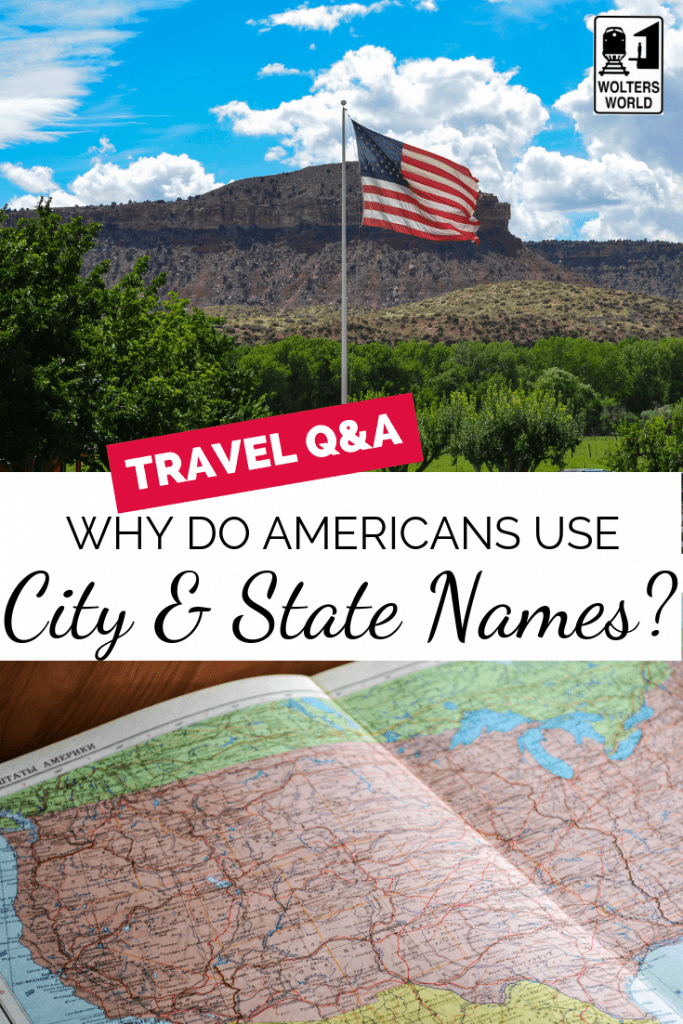
there, fellow travelers! Today, we’re in Las Vegas and answering questions we
get from our fans. One question we get often is “why do Americans always say
American city names followed by the state, or the town names followed by the
country?” People think it’s odd, and even annoying when Americans say “London,
England” or “Chicago, Illinois.” So we thought we would give a bit of an
explanation of this unique Americanism.
In the United States, we have so many states and cities, and a lot of names get re-used over and over. Have you ever watched the Simpsons and wondered where Springfield is? 35 of our 50 states have a town called Springfield, or something very similar. Just a few examples:
Springfield, Illinois
Springfield, Missouri
Springfield, Massachusetts
28 US States have a town called Lincoln. We get used to saying the state after the city name so there’s no confusion. Kansas City, Kansas and Kansas City, Missouri are connected, so you have to clarify which state (and city) you’re in! So, when we mention a town like Chicago, which is pretty recognizable, we often just say “Illinois” out of habit.
Then there are international cities that you
would think need no introduction, but Americans will still say “Paris, France.”
Perhaps surprisingly, there are 18 states in the US with a town called Paris.
Texas, Illinois, and Missouri all have a Paris. Here are some more examples of
famous international cities that also have a U.S counterpart:
Milan, Illinois (pronounced
my-lan)
Hobart, Indiana
Athens, Ohio (and Kentucky and
Illinois)
Cairo, Illinois (and Georgia)
Berlin, Wisconsin (and Connecticut
and Massachusetts)
So, as you can see, just having a conversation
about Paris can be very different depending on where you are at the time. When
Europeans came to the states and started founding cities, they often named the
new town after their town back in Europe. This is why the East Coast has so
many city names that start with “New” such as New York, New Hampshire,
Brunswick, New Haven. This practice seems to have phased out as explorers moved
west and started naming towns after themselves or politicians, but then we end
up with so many cities named Lincoln, or Washington.
So, if
you’ve ever wondered why Americans always give the city and state, or city and
country, it’s just because we are adding a bit of extra clarification to our
geography. Apparently, this annoys some people, but hopefully, in this context,
it makes sense. If you have other questions like this that you’ve always
wondered, drop them in the comments below!
For more travel tips and advice, check out
these blog posts and videos:
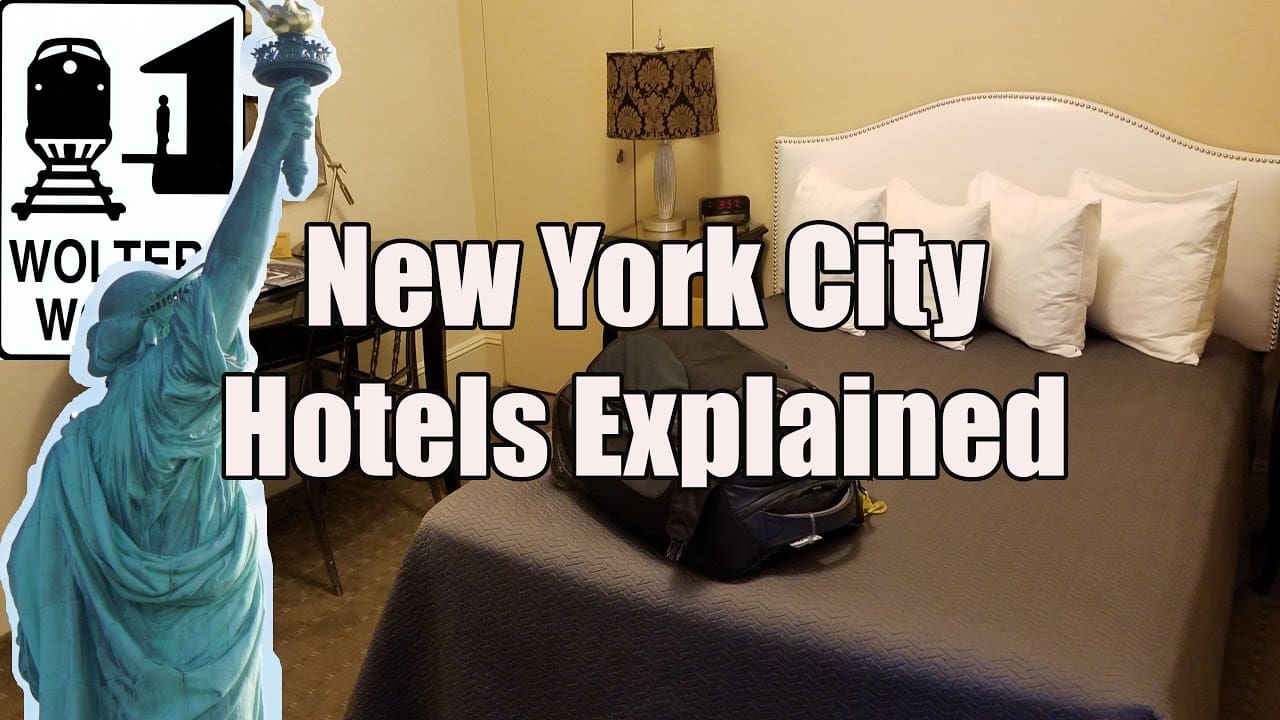
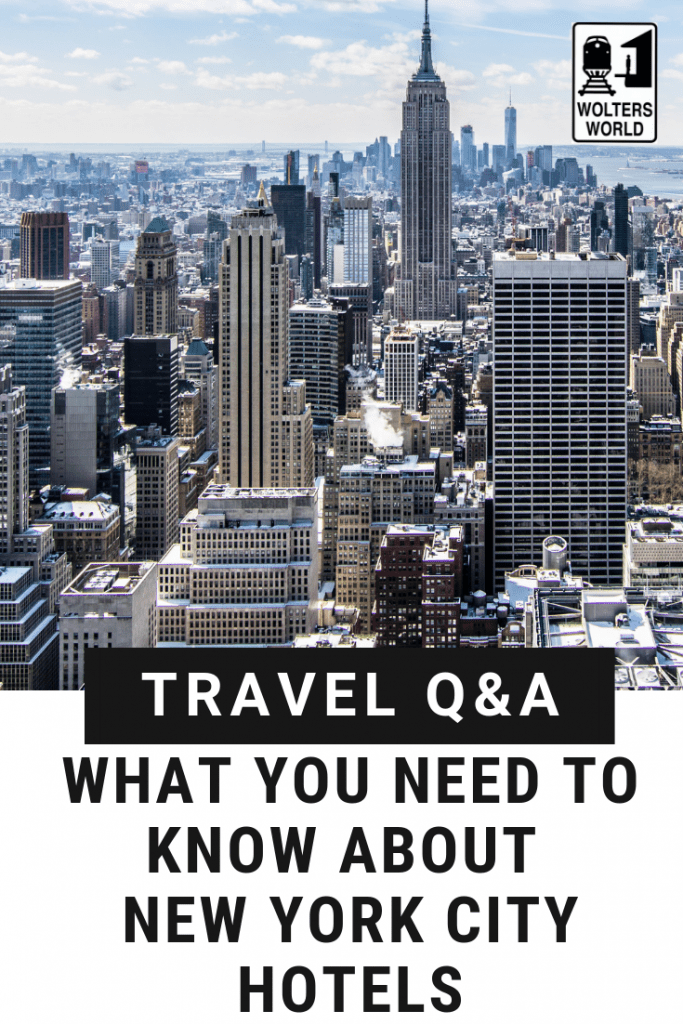
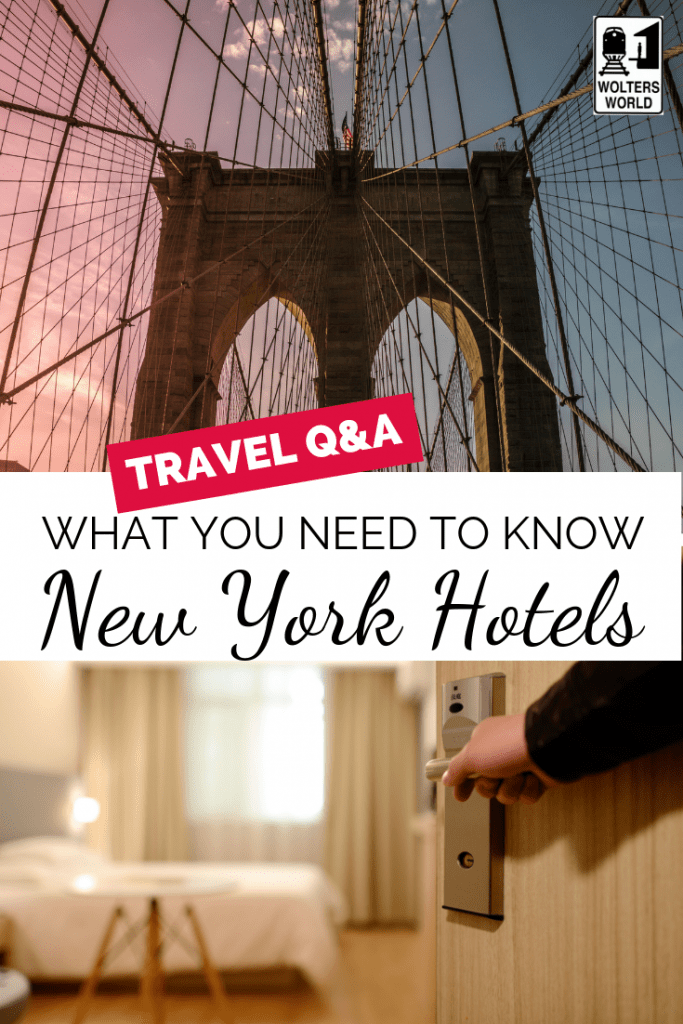
Hey there, fellow travelers! Today I’m in New York City, so I thought
I would share some tips and advice for New York hotels. Finding affordable
hotels in NYC is nearly impossible, but there are many places to stay in New
York. There are hotels, Bed & Breakfasts, Airbnbs, hostels and more. For
today’s post, we’re focusing on New York hotels, and what you need to know
before you visit New York.
How Much Will I Spend for a New York Hotel?
New York hotels are expensive; there’s no way around it. The
average New York hotel rate is around $300 per night. And remember, the
advertised rate is just the room rate. New York hotel taxes are very high.
Currently, the total tax on a New York City hotel room is 14.75%, plus a flat
fee of $3.50 per day. So, a $250 room rate becomes $290 per night with taxes
and fees.
When is Low Season in New York?
And there’s really no “low season” in New York when you can get a
deal on hotels. New York receives 50 to 60 million visitors per year, including
tourists and business travelers, so the hotels are never hurting for business.
How Do I Find New York Hotel Deals?
I recommend booking early to lock in a rate, and then checking
back periodically to see if the rates have dropped. It’s sometimes possible to
find deals on hotels, but generally, the longer you wait, the more you will
pay.
How Can I Save Money in New York?
The great thing about New York is that even though your hotel
will be expensive, there are tons of free, or inexpensive, things to do in New
York. A lot of museums have a “suggested” entry price, so you pay what you can
afford.
What Can I Expect in a New York Hotel Room?
For starters, New York hotel rooms are notoriously small. You’ll
feel like a “real” New Yorker living in a tiny apartment. Real estate in New
York is some of the most expensive in the United States, so they really try to
get as many rooms in a hotel as possible. New York hotels are more like
European hotels; very small with single beds sometimes, so if you are visiting
New York with kids, makes sure you get a room large enough. Don’t expect two
big double beds like you have anywhere else in the States.
What Amenities do New York Hotels Offer?
New York hotels will have the standard amenities you expect. Most
hotels will have WiFi, but check ahead if it’s free or not. (Many chain hotels
require you to enroll in their loyalty program to receive free WiFi.) Not all
hotels offer a free breakfast, but it’s possible to find cheap breakfast in New
York at a local diner or bagel shop.
Yes, the water in New York is safe to drink, but it doesn’t taste
that great. I recommend buying bottled water, and keeping a few in your hotel
room because the tap water is gross.
Where Should I Stay in New York?
This varies greatly, as there are so many cool New York
neighborhoods. Most first-time visitors to New York find hotels in Manhattan to
be the best for sightseeing. Your interests can really help narrow down where
to stay in New York. Try to figure out what you want to see in New York, and
stay in an area central to the places you’ll be visiting. A few places where
visitors stay in New York include:
Financial District – great for business
travelers, very quiet at night
Mid-Town – popular with tourists, home to many
New York attractions like the Empire State Building and Rockefeller Center
Brooklyn – a trendy borough with lots of
restaurants
SOHO – neighborhood in Lower Manhattan known for
shopping, high-end restaurants and nightclubs
Greenwich Village – LGBT-friendly neighborhood,
known for cafes and bars, jazz music and Washington Square Park.
Meatpacking District – warehouse district now
home to trendy restaurants and hotels, Chelsea Market and the High Line
How Do I Get Around New York?
The New York subway is great, and super easy to use. There’s also
a ton of taxis, Uber and Lyft rides in New York. It’s really easy to get around
New York. Manhattan is very walkable, so you’ll probably spend a lot of time
just walking around. This also makes it easy to stay in other boroughs and
commute in for sightseeing.
Should I Tip the Housekeeping Staff?
I recommend tipping your hotel housekeeper between $2 and $5 per
day. You’ll get better service, and it’s just a nice thing to do. I like to
leave a quick thank you note for the staff, along with their tip. Housekeeping
usually makes around minimum wage, and probably has to commute pretty far to
work in New York.
Yes! Always use the bathroom before you leave the hotel! Public
bathrooms in New York are generally disgusting. We try to only use restrooms in
museums or our hotel, because it’s not a fun experience. Especially if you are
visiting New York with kids.
Are you ready to book your New York hotel room? We hope these tips help you prepare for your trip! For more travel tips and advice, check out these travel tips and videos:
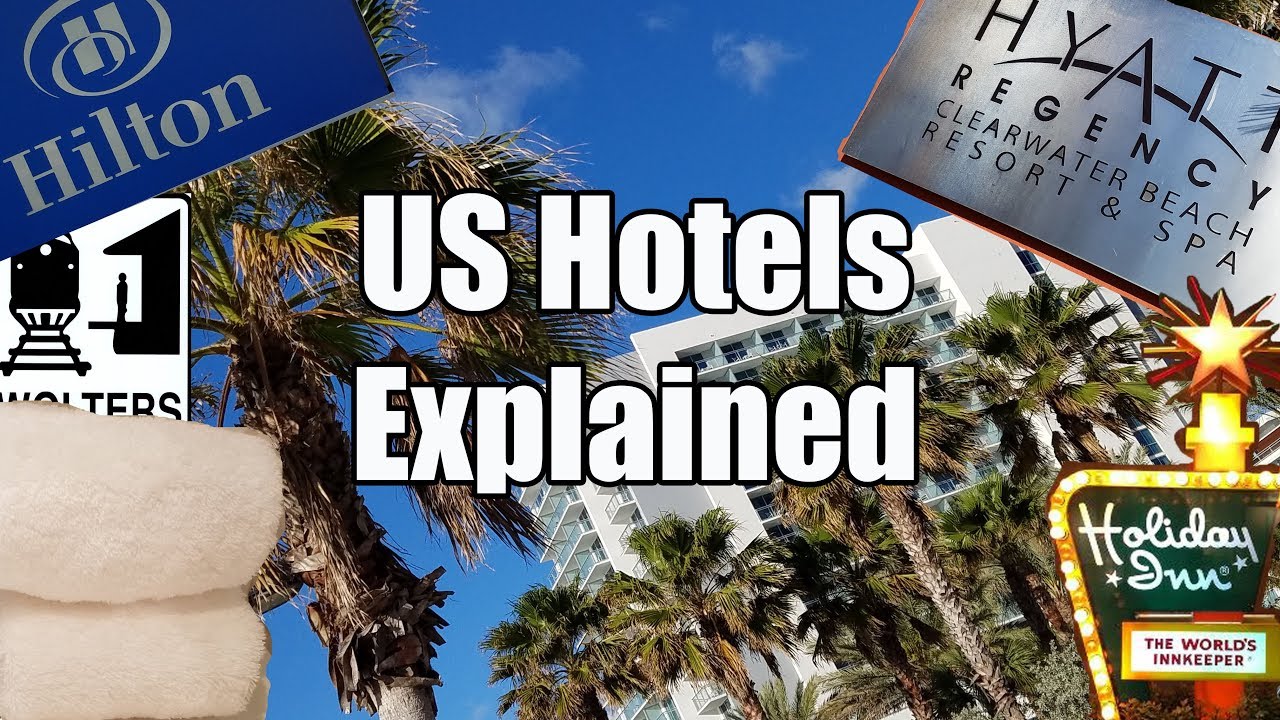
Hey there, fellow travelers! Today, we’re in Clearwater Beach,
Florida. Florida is one of the most popular U.S. destinations for international
travelers, so today we’re giving travelers an overview of what to expect when
staying at hotels in the United States. For this post, we’re only looking at
hotels, but there are tons of other accommodation options in the US, including
Bed & Breakfasts, Airbnb, hostels and campgrounds. And specifically, we’re
going to look at the hotel chains that you will find all over the United
States, and give you an idea of what to expect when booking these hotels.
What is the Difference Between a Hotel and Motel?
In the most basic terms, a hotel has interior, enclosed hallways.
A motel, which is derived from “motor lodge” or “motor hotel” has exterior
hallways and you can usually drive right up to your room. These were pretty
popular in the 50’s and 60’s, and today are usually a cheaper (but more dated)
option. Some travelers may feel less secure in a motel with doors that lead
directly outside. These terms are a bit dated, so the name hotel or motel does
not always indicate the hotel layout. Check photos online if you want to be
sure.
How Do I Choose the Best Hotel?
Online reviews have changed the travel game for everyone. In the
US, you can find reviews on TripAdvisor, Bookings, Trivago and even Yelp or
Google. We live by Trip Advisor reviews, and rely heavily on them to make our
hotel selection. Don’t just look at the 5-star and 1-star reviews; read some of
the 3- and 4-star reviews for a well rounded picture of what the average
traveler experienced.
What Are the Room Types in an American Hotel?
A double room in the United States means two double or queen size
beds, which can each sleep two people. Unlike hotels in Europe, where a double
room just sleeps two people, a double room in the US can sleep a family of four
comfortably. The other option when booking your room is one king size bed,
which is huge! You can fit two adults and a couple of kids in a king size bed
with no problem.
How Much Should I Expect to Pay for a Hotel in the US?
$100 is an average room rate for a decent overnight hotel in the
United States. Paying less than $100 anywhere in the US will put you in the
budget travel category and you can expect fewer services and dated rooms. In
big cities or major tourist destinations, you can expect to pay between
$200-$300 for a comfortable, updated hotel room. When you are choosing your
hotel and comparing prices, remember that taxes are not included in the room
rate. Taxes can add another 10-20%, depending on state and city taxes that are
applied.
What is Included in My Room Rate?
Oddly enough, the more expensive the hotel, the fewer free things
you will receive with your room rate. The more moderate hotel chains, like
Holiday Inn Express, Hampton Inn or La Quinta will provide a free breakfast,
free WiFi and free parking. At some of the more upscale resorts and hotels, you
can expect to pay a “resort fee” that can be around $25 per day, which covers
WiFi and pool towels. Breakfast and parking will be extra on top of the resort
fee. Be sure to read the fine print when you make your reservation, as the
resort fee can be hidden and is almost never shown in the initial price you
see.
How Do I Pay for My Hotel?
When you book a hotel online, you will be asked to provide a
credit card to hold the room. When you arrive to check in, you will be required
to show the credit card, and a photo I.D. Even if you want to pay cash for your
hotel room, you will still need to provide a credit card until you check out.
The hotel will place a “hold” or temporary charge to your card that covers any
incidental charges, like movies or room service. Once you check out and pay,
this hold will be removed from your card. In many hotels, you don’t even need
to check out at the front desk any more; often, they will slip the invoice
under your door overnight and if everything looks OK, you can just leave the
key in the room when you depart.
Where Can I Charge My Devices?
Electrical outlets can be a challenge in hotel rooms, but this
seems to be improving. Hotels are starting to add more outlets and USB ports
built into the nightstand or lamps. Often, there’s just one electrical outlet
near the bed, and it’s already being used by the alarm clock and the table
lamp. Traveling with a power strip can be a lifesaver.
What is the Hotel Breakfast Like?
This will vary by hotel, but many hotels offer a complimentary
continental breakfast. At a roadside mom and pop motel, this may mean a danish
and some orange juice. At most hotel chains, like Holiday Inn Express, the
continental breakfast is pretty generous. There’s usually a hot dish, like eggs
or pancakes, an assortment of cereal and milk, plus toast, bagels and English
muffins. Many Europeans expect to see meat and cheese, but that’s not usually
offered as part of the continental breakfast. Also, these are almost always
buffet style, meaning you can eat as much as you want. This can be a great way
to save some money on travel by eating free breakfast at the hotel. Also, the
time breakfast is served will vary quite a bit, even from weekday to weekend.
If you have a super early departure, before 6am, sometimes the hotel can make
up a to-go breakfast for you since the breakfast won’t be open yet.
What Can I Expect on The Television?
Every hotel room has a television, with standard cable and some
Pay Movie channels. You’re not likely to find any international channels,
although many towns have at least one Spanish channel. In areas that see a lot
of international visitors, there may be one or two international channels. The
pay movies are new releases you can watch in your room, but they can be
expensive, and will be charged to your hotel bill.
Where Can I Find Hotel and Local Information?
Each hotel room in the U.S. comes with a folder or binder that is
full of important hotel information, as well as local recommendations. The
folder may also have discounts or coupons for local restaurants. For more
personalized recommendations, ask the front desk staff or the concierge for
their favorite restaurants and attractions. If all else fails, check
TripAdvisor for local recommendations.
What If I’m Driving Across the US? Where Do I Stay?
Any trip to the United States will likely involve some driving,
but if you are planning a long road trip in the US, you may worry about where
you will stay each night. Fortunately, there are many hotel chains with
locations along major interstates that are specifically meant for travelers
just passing through for one night. Motel 6, La Quinta, Comfort Inn, etc all
have convenient locations at Interstate exits. Most of the time, you can just pull
in and get a room without reservations. However, if you are visiting a popular
destination (say New Orleans as opposed to Exit 187 off I-80 in Nebraska) then
you will want to make reservations in advance.
How Does Parking Work at Hotels in America?
In smaller towns, parking at your hotel is usually free. In big
cities like Chicago and New York, your hotel may not even offer parking, and if
they do, it will be expensive. When you are visiting US cities, and comparing
hotel rates, this is something to keep in mind. A great deal on a Chicago hotel
may not be such a great deal when you add on $60/night for parking. We prefer
to visit cities without a car, only renting a car once we leave the city.
How Big Are the Hotel Rooms in America?
Compared to European hotels, American hotels rooms are usually
pretty spacious, although there are exceptions, especially in New York.
Some of the more expensive hotels in the US will have a mini-bar,
meaning your refrigerator is stocked with water, soda and alcohol. Most minibar
systems are very sophisticated and can tell if you try to replace something, so
don’t try to fool the mini-bar. Bring your own drinks, or be prepared for an
expensive bill at checkout. The same goes for the lovely tray of snacks sitting
out on the counter. If you are traveling with kids, you might want to put those
$8 bags of M&M’s out of reach!
What if I’m Traveling with Kids?
US hotels can be very accommodating for families traveling with
children, but you have to let them know your requests ahead of time. Many
hotels will have baby cribs or PackNPlay’s you can use, but there are often a
limited number, so be sure to reserved them prior to your arrival so they don’t
run out.
Most of the chain hotels will have a pool, even if it’s just a
small one. This can be a lifesaver for tired parents who need to wear out the
kids before bed. There isn’t usually a lifeguard, though, so you have to watch
your kids carefully.
What if We Fly Out Late at Night? Do We Have to Pay for a
Night We Won’t Use?
Many times, you may have a late evening flight back home but your
hotel checkout time is 11:00 am or noon. You don’t have to pay for an extra
night, although some hotels will allow you to pay a late checkout fee to stay
longer. Most hotels will store your luggage for you, so you can go explore
during the day and collect your luggage before heading to the airport.
What If We Arrive Early in the Morning? Can We Check In Early?
Early checkins can vary by hotel and by day. If you are arriving
at your destination very early in the morning, it may be worth it to book your
room for the night before. Early check in is based on availability and if the
hotel is fully booked, with a noon checkout time, you may not be able to check
in before 3 or 4 p.m. Some hotels may charge an early arrival fee, while other
will accommodate you if possible.
What Do I Need to Know About the Bathrooms in US Hotels?
For starters, you can throw your toilet paper right down the
toilet. The garbage can in the bathroom is not for used toilet paper, but for
anything else you might toss out, like tissues or cotton swabs and dental
floss. Most hotels have a hair dryer in each bathroom, although you may have to
hunt for it. Soap, shampoo, conditioner and lotion are usually provided in the
bathroom, as well as washcloths, hand towels and bath towels. You can leave
your used towels on the floor, and they will be replaced by housekeeping. If
you prefer to reuse your towels, just hang them up.
Most US hotels now use electronic key cards that are programmed
for the duration of your stay. A few of the older motels or fancy hotels may
still use the old-fashioned keys. Unlike some European hotels, your room key is
yours to keep during your visit. You don’t need to leave them at the front desk
when you leave the hotel.
What if I Need Something During My Stay?
If your air conditioning stops working, or you just need extra
sheets or pillows, you can request them from hotel staff. The phone in your
room will have pre-programmed buttons for the front desk and housekeeping, so
just give them a call. You will not be charged for phone calls made within the
hotel.
How Can I Do Laundry at the Hotel?
Some hotels in the US have a laundry service where you can send
out your laundry and it comes back that evening or the next day. (This is
pretty expensive, however.) Other hotels will have a laundry room where you can
do your own laundry. Those hotels will often sell laundry soap at the front
desk. If laundry is important, make sure you call ahead because it varies
greatly from hotel to hotel.
I this helps international travelers know a little bit more
about United States hotels. Do you have more questions about traveling in the
United States? Leave them in the comments; we use your questions to help decide
what to write about in the future! For more travel tips, check out these blog
posts and videos:
Hey there, fellow travelers! Today we’re in the “hostess city” of Savannah, Georgia. While we love to share fun travel recommendations like where to eat and what to see in a city, we also want to share practical travel tips to help you travel safely. So, today, we’re six safety tips for travel in the USA. You may hear a lot of stories about crime in the US, but it’s actually a very safe place to travel. But, as with any destination, there are a few things to look out for, and these are the six things I do when traveling in the States.
#1 Taxi Ripoffs
The number one thing to look out for when traveling in the States
is when you take a taxi cab. It’s so easy for a taxi driver to rip off
travelers because you don’t really know where you are, or where you are going.
Las Vegas taxi drivers are notorious for this. There are a few things you can
do to avoid getting scammed by the taxi. Call your hotel and ask them how much
a taxi should cost from the airport, and how long it should take. (Some hotels
have a free airport shuttle.) You can also use mapping apps on your phone as
you are in the taxi to check that the driver is taking the fastest route. Make
sure you get the name and number of the taxi you are in; if you lose something
or have an issue after your ride, this information is critical. (Lyft and Uber
are now available in most places, so you can avoid this issue all together as
the price is pre-determined.)
#2 Theft in Hotels
A big complaint we see is travelers having their medication
stolen from the hotel room. The United States has a huge prescription drug
abuse problem, and people can make a lot of money selling stolen prescription
drugs. Always keep your medicine in a safe place, which could be the safe in
your room. (This is also why you should never put prescription medication in
your checked luggage.) Most hotel employees are great at their jobs, and won’t
cause an issue, but there’s always a chance you could have a bad apple.
There aren’t a lot of crime scams that specifically target
tourists in the US, but it’s possible to just end up in the wrong place at the
wrong time. Your hotel can help you avoid this by telling you which parts of
town to avoid, and if there are areas you should only visit during the day.
Some of the country’s best tourist sites are wonderful during the day, but best
avoided after dark.
#4 Aggressive Beggars
Although the US is a very rich country, there is a large homeless
population, especially in larger cities. Yes, it’s sad to see, but in recent
years, they have gotten a bit more aggressive and it can be unnerving to be on
the receiving end of this aggression. If you see someone acting particularly
aggressive, just avoid them. Cross the street, turn around or pop into a
nearest shop for a bit. If you can’t avoid them, just keep walking.
#5 Credit Card Scams
Always keep an eye on your credit card. US restaurants don’t all
have the mobile card machines that you see in other countries, so the server
usually has to take your credit card back to a cash register to swipe it. Try
to keep an eye on your card when they have it, to ensure it doesn’t make a side
trip anywhere else. If you are really uncomfortable or have an uneasy feeling,
you can always ask to accompany them along with your card. Always double check
your bill, too, to make sure no additional charges were added.
Car break-ins are one of the most common crimes in America. Do
not leave any valuables in your car, especially overnight. Bring everything
into the hotel, and if you have to leave anything in the car, make sure it’s
out of sight. Even if it’s just a few bucks or a phone charger, don’t take the
risk of having your car broken into.
Bonus Advice
In the extremely rare event that you are mugged or carjacked,
just give the thief whatever they want. Your life is not worth a car, a wallet
or a phone. Things are replaceable, but you are not, so don’t put up a fight.
(This applies all over the world, not just in the USA.)
These are the things that we look out for when traveling in the States. It’s a pretty safe country, so we don’t worry too much, but it’s always good to be aware of the issues. I hope these safety tips for travel help you feel more comfortable about your visit to the USA. Most likely, you won’t have any issues at all, and you’ll have a great trip to the States. For more travel tips and advice, check out these blog posts and videos:
Hey there, fellow travelers! Today, we’re in Vancouver,
British Columbia and we are headed to Seattle on the Amtrak train. There are
many ways to travel from Vancouver to Seattle, but the train is an easy and
inexpensive option. So today, we’re sharing everything you need to know about
taking the train from Vancouver to Seattle.
Amtrak Cascades Schedule
You can travel from Vancouver to Seattle twice a day on the
Amtrak Cascades route. The early morning train leaves Pacific Central Station
in Vancouver at 6:35 and the afternoon train leaves at 5:45. The entire trip
takes about four and a half hours to travel from Vancouver to Seattle by train.
Amtrak Cascades Reservations
You should reserve your tickets online at amtrak.com when you are making your travel
plans. With only two daily departures, you want to be sure you can get the
departure time and seats you want. When you are booking your tickets, make sure
you have the passport numbers for everyone in your reservation, as you will
need that information to complete your booking.
Amtrak Cascades Departure
You will be instructed to arrive one hour before departure, but
that’s a bit much, especially if you are traveling in business class. 45
minutes should allow plenty of time to clear customs and board the train to
Seattle. As you wait, you will receive a U.S. customs form to fill out. Hang on
to this as you’ll need it later when crossing into the United States.
Passengers are then split into two lines at the station: one for business
class, and one for economy class. Next, you will go through Canadian customs,
show them your paperwork, answer a few questions and then be on your way to
boarding the train to Seattle.
Amtrak Cascades Seating
As you wait in line at the station, an Amtrak employee will come
through the line, check your tickets and hand out seat assignments. You don’t
always get to choose your seats, but if you can, ask to sit on the right side
of the train for the best views between Vancouver and Seattle. (If you are
traveling from Seattle to Vancouver, try to sit on the left side of the train.)
The trains are numbered, so it’s easy to find your car and your seat. When you
make your reservation, you can choose from Coach Class, Business Class and
First Class.
Amtrak Cascades Amenities
Each train has a cafe car, where you can purchase food and snack
items for the journey. It’s not anything exceptional, but our train did have
some craft beers available, as well as Ivar’s clam chowder from Seattle. Other
items you can buy are standard train fare: hot dogs, sandwiches, chips, candy
and soda. They will take American or Canadian currency, but only Canadian
bills, not coins. You will get your change in U.S. Dollars. If you’ve got a few
Canadian bills leftover from your Vancouver visit, you may as well spend them
in the cafe car.
With a four and a half hour trip, you want to be sure to bring
something to do on the train. Books, music or podcasts are great, and if you
have kids, make sure you have enough to keep them entertained during the trip.
Luckily, you can get up and move around and check out the cafe car, so the trip
will go pretty quickly. There are electrical outlets at each seat, so you don’t
have to worry about draining your electronics along the way. (Canadian and US plugs are the same, so no
worries about having an adapter for your plugs!)
When you make your reservation online, you’ll see several symbols
on the schedule indicating what you can bring on board. This is important if
you are traveling with a bicycle or oversize luggage. More generous than the
airlines, each Amtrak passenger is allowed two personal items and two carry-on
items. If you have larger luggage, you may be asked to check your bag. Two checked
bags are free of charge, while Amtrak will charge $20 for each additional bag.
Baggage works just like the airlines; you’ll be given a baggage tag and your
bag will be loaded in another car.
U.S. Customs
When the Amtrak Cascades train reaches the U.S. border, border
patrol agents will board the train, checking passports and documents, and they
will take the customs form that you filled out at the train station. The whole
process is pretty fast, and only takes about 20 minutes.
Alternatives to Travel From Vancouver to Seattle
You can take a bus from Vancouver to Seattle, and it’s a bit
faster than the train, but it’s not nearly as comfortable. Of course, you can
fly from Seattle to Vancouver in less than an hour, but it’s more expensive and
restrictive. The train is a great option for families and much less stress than
dealing with airports. Driving from Vancouver to Seattle is the fastest option,
but it can be a hassle to pick up a rental car in Vancouver and leave it in
Seattle.
Amtrak Cascades Arrival
After the four and a half hour journey, you’ll arrive at King
Street Station in Seattle. This puts you right in downtown Seattle, between
historic Pioneer Square and the International District.
The Vancouver to Seattle train is very comfortable and an
affordable way to travel between the two cities. We highly recommend this
travel option and hope these tips help you start to plan your train trip from
Vancouver to Seattle! For more travel tips and tricks, check out these blog
posts and videos:
This website uses cookies to improve your experience. We'll assume you're ok with this, but you can opt-out if you wish.AcceptRead More
Privacy & Cookies Policy
Privacy Overview
This website uses cookies to improve your experience while you navigate through the website. Out of these, the cookies that are categorized as necessary are stored on your browser as they are essential for the working of basic functionalities of the website. We also use third-party cookies that help us analyze and understand how you use this website. These cookies will be stored in your browser only with your consent. You also have the option to opt-out of these cookies. But opting out of some of these cookies may affect your browsing experience.
Necessary cookies are absolutely essential for the website to function properly. This category only includes cookies that ensures basic functionalities and security features of the website. These cookies do not store any personal information.
Any cookies that may not be particularly necessary for the website to function and is used specifically to collect user personal data via analytics, ads, other embedded contents are termed as non-necessary cookies. It is mandatory to procure user consent prior to running these cookies on your website.