Wolters World

Honest Travel Advice

Menu
  • Destinations
  • Don’ts of Traveling
  • Travel Tips
  • Shop
  • About
  • Work with Us
Menu

Author: Mark Wolters

safari tips

Going on Safari: What NOT to Do!

Posted on January 18, 2022January 18, 2022 by Mark Wolters

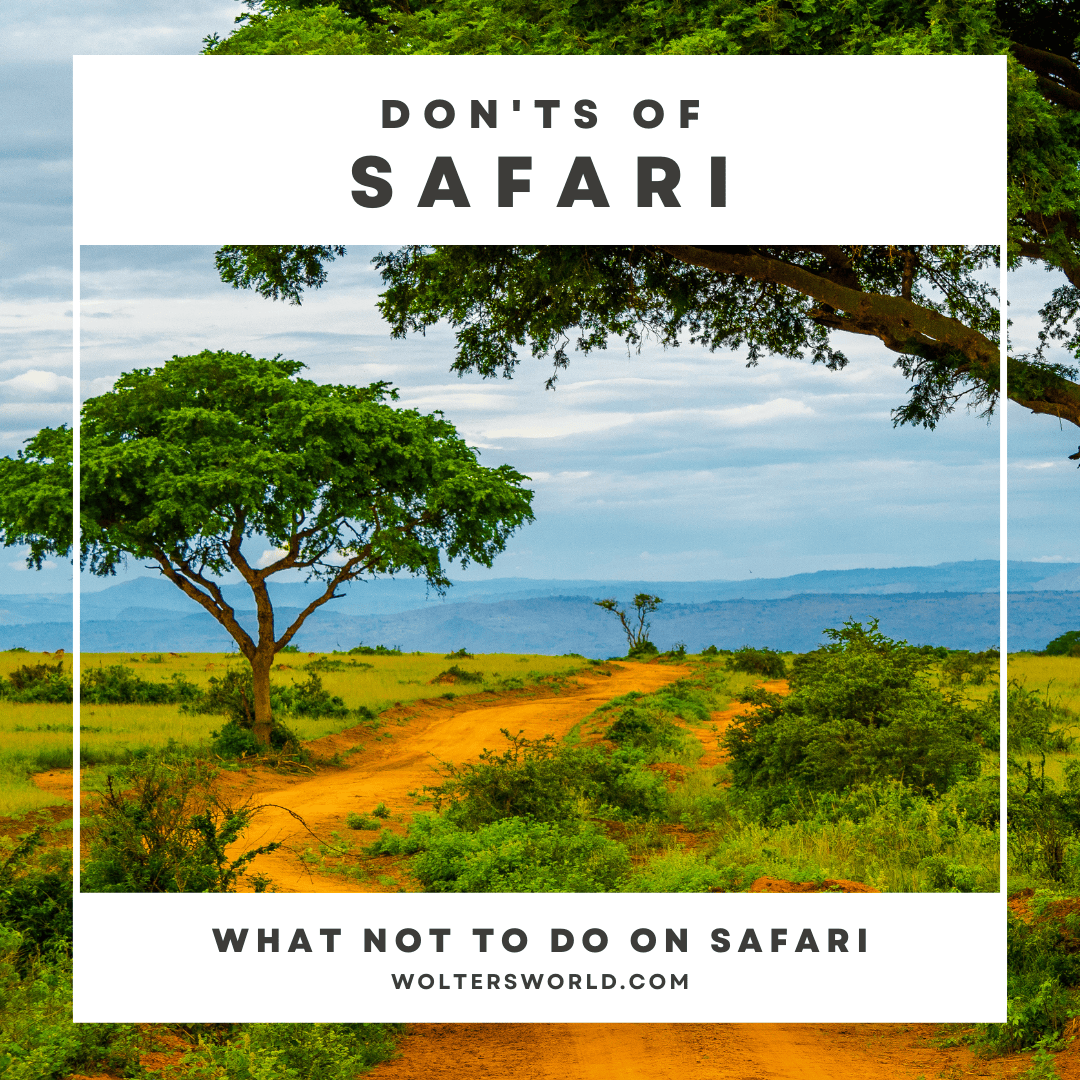
Hey there, fellow travelers! Today, we’re talking about what NOT to do when you safari in Tanzania. While many travel blogs will tell you what to do when going on safari, we want to be sure you know about the things you should NOT do when you safari in Tanzania.

Don’t Get Out of the Jeep

African safari animals are extremely dangerous; for no reason should you ever get out of the Jeep! Your safari guide will reinforce this constantly during your drive; make sure you listen to them! Going on safari can be a very safe experience…if you follow the rules!

Don’t Feed the African Safari Animals

Again, these are WILD animals, not a zoo attraction. You absolutely cannot feed the animals on safari. It can be illegal to bait the animals with food, as this can desensitize them to humans. Likewise, be careful about leaving food around camp or dropping food accidentally.

Worth every penny, but the big difference is in accommodation.

Don’t Expect a Toilet

Game drives can be long and take up a full day. As you enter each park, make sure you take the opportunity to use the toilets at the visitor center. Once you’re out in the bush, there are no toilets to use. If you do have to go to the bathroom while you’re out on safari, you can’t wander out behind a tree for privacy; you have to stay right next to the Jeep.

Don’t Be Loud

Loud noises can easily scare away the animals, so a successful safari depends on your group remaining calm and quiet while out looking for animals. Conversely, in camp, you might actually attract some animals, which you don’t want to happen.

Don’t Expect a Smooth Ride

Safari roads are very bumpy; they call it the “African massage.” It’s not terrible, but after a whole day, you will feel jostled around a bit. If you are prone to motion sickness, it’s always a good idea to have some medicine on hand, just in case! And because they are dirt roads, it gets very dusty. We found it helpful to have a scarf to cover our faces and keep some of the dust out.

Don’t Overpack

It can be tempting to overpack for your safari trip, but it’s not necessary. You can wear the same safari outfit multiple days in a row, and just have a few casual things to wear around camp. Your luggage will take up space in the Jeep, so the lighter you pack, the more room you will have to move around inside the vehicle. (This is extra important since you can’t really get out and stretch your legs!)

Your guide will make all the difference. Moody was one of the best we ever had!

Don’t Assume You’ll See the Big 5

The “Big 5” are the top five animals that everyone wants to see on safari. This includes the Cape Buffalo, Lions, Leopards, Elephants, and the Black Rhino. Some of these animals are easier to find than others. Black Rhinos are not as common and are pretty hard to find. Similarly, leopards are really hard to see, so you aren’t as likely to see a leopard on safari.

Don’t Worry About Seeing Animals

Even though the Big 5 are not a guarantee on safari, you’ll still see a TON of animals on the Serengeti. There’s much more to see besides the Big 5. You’ll see zebras, giraffes, gazelles, hyenas, and so many more exotic animals.

Don’t Forget to Bring Cash

There’s no ATM on the Serengeti. Chances are, you will be staying in rustic camps. Many safari packages include food but drinks are at an additional cost. You will need cash to pay for anything while you’re out on safari. You may also want to purchase souvenirs at some of the stops; cash is always preferred. Check with your tour company to see what you need to pay for out of pocket. Nice, crisp US Dollars are preferred.

Don’t Forget to Tip

When you take a safari trip, you’ll have a lot of people helping you out along the way. From your drivers and guides to the cooks at your camp. This is another reason to have some cash on hand. You will tip them at the end of the trip. Some guidelines for tipping on safari include:

  • Safari Guide and Drivers: $5-$10 per day per person, with a minimum of $20 (meaning if you are traveling alone, tip $20)
  • Camp Staff: Average tip is $10 per day per tent. Typically, your camp will have a tip box where you can leave a gratuity for the camp staff. The more luxurious your camp, the more you should tip.

Don’t Leave Your Tent at Night

For the same reason you shouldn’t get out of the Jeep, you should not leave your safari tent at night. You will have escorts to take you anywhere in camp, even to the restroom. Many of the animals in Africa are more active at night; we had a cheetah right by our tent one night! Even if you have to go to the bathroom in the middle of the night, make sure you follow camp protocol and get an escort. You will probably have a walkie-talkie that allows you to communicate with camp staff. You can also call them if you think animals are getting too close to camp.

If you are bringing kids on safari, make sure they are old enough to understand this very important rule!

Don’t Sleep In

Going on safari in Tanzania is not a leisurely vacation, so don’t plan on sleeping late in the morning! Early morning is one of the best times to spot animals out and about. They will disperse as the day warms up, so make sure you are up early! You can nap later when you get back to camp!

Five Things You’ll Love and Hate About Package Tours

Don’t Forget Your African Safari Clothes

Your tour operator will probably give you a packing list for safari. African Safari clothes are not just for show; there are very practical reasons for buying clothes just for your safari trip. The color should be brown, khaki, or green. Your clothes should cover your skin, so long-sleeve shirts and long pants are a must! This is to keep bugs off your skin. Because you are so covered up, you want to make sure you have lightweight clothing so you don’t get too hot. A wide-brimmed hat will help keep the sun off your face and neck.

What NOT to Wear on Safari

While it’s hot during the day, it gets cold at night, so bring plenty of warm layers to wear around camp and to bed each night.

Don’t expect it to be comfy ,but do expect it to be memorable.

Don’t Forget Extra Batteries & a Power Bank

Safari days are long, and you will probably take thousands of photos each day. Make sure you have extra camera batteries, extra memory cards, and a power bank with all the cables you need to charge your devices. We averaged three camera batteries per day on safari, so we always had one charging.

Don’t Expect Hot Showers

Depending on the level of camp you choose, your accommodations might be quite rustic. If that’s the case, don’t expect a lot of hot water to shower with each morning. Some higher-end camps may have better systems but just be prepared for a refreshing cold shower in the morning.

Don’t Expect to Stay Connected

It’s pretty hard to go off the grid these days, but on a Tanzania safari, you won’t have much, if any, cell phone service or WiFi. I was able to make phone calls but did not have 3G or 4G service for data. Our camp did have WiFi, but it was very slow and a lot of people are trying to use it at the same time.

Don’t Think You Have to Rough It

Safari camps can run the gamut from rustic to ultra-luxurious. Some of the safari tents are fancier than some hotels we’ve stayed in. You can really splurge on safari and get an amazing camp with fantastic food. Don’t let the image of dirt roads and rough tents keep you from taking a safari trip. There are many different ways to safari.

Grab Some Wolters World Travel Gear!

Don’t let these “don’ts” keep you from planning a safari vacation. A Tanzania safari is a once-in-a-lifetime opportunity and a really amazing family vacation. With the right preparation and tour agency, you will be talking about your safari trip for many years to come! Want more of our Africa travel tips? Check out some of our other blog posts:

  • Everything You Need to Know About A Serengeti Safari
  • Ten Shocks to Expect in Rwanda
  • What Not To Do in Morocco
hungary tourism

What to Know Before Your Hungary Vacation

Posted on January 16, 2022February 6, 2022 by Mark Wolters

Hey there, fellow travelers! Today, we’re talking about visiting Hungary, a Central European country best known for the city of Budapest. While most travelers to Hungary stick to visiting Budapest, there are other great spots to explore in Hungary. No matter where your Hungary travels take you, these travel tips and facts about Hungary will help you prepare for your Hungary vacation.

Hungary makes a paprika vacation.

Language in Hungary

The Hungarian language is quite unique. For example, while we call the country Hungary, they call it Magyarország. It looks and sounds nothing like the word Hungary. It’s a very difficult language to learn, and translation is not very intuitive. As a tourist, you may be able to learn a few words like please and thank you, but rest assured you won’t have a hard time finding English speakers. Most Hungarians now learn English in school.

Seven Tips for Learning a Foreign Language

Money in Hungary

For Central Europe, Hungary is very affordable. Budapest is the most expensive place in Hungary because it’s so popular with tourists, but even Budapest is very affordable compared to other cities in Central Europe.

However, you will need to exchange your Euros when you visit Hungary. The currency in Hungary is the Forint; the exchange is approximately 300 Forint to the Euro or US Dollar. Because of this, prices and numbers get very big very quickly! When exchanging currency, pay attention to the rates and fees because this is an easy spot to get ripped off. Likewise for conversions; don’t let the seller do the conversion for you. Have your card charged in Forint and let your bank do the conversion; you’ll come out ahead if you do that.

Tips for Exchanging Money in Europe

Food in Hungary

If there’s one thing you should know about Hungarian cuisine, it’s that paprika and sour cream are major ingredients in most dishes. The food in Hungary tends to be hearty food and very heavy. I recommend having a Palinka after your meal; it’s a fruit-flavored schnapps that helps with digestion.

  • Goulash is the most common Hungarian food; it’s a meat and vegetable stew. Some versions are more soupy than others. You’ve probably had goulash before, but it’s way better in Hungary!
  • Fisherman’s Soup is another popular soup/stew in Hungary. It will consist of whatever the local fish is, plus paprika, of course!
  • Chicken/Veal/Pork Paprikash is also a great dish to eat in Hungary. You’ll have a couple of pieces of meat, covered in a paprika cream sauce. It is often served over dumplings, noodles, or spaetzle.
  • Stuffed Cabbage or Stuffed Paprika is another great Hungarian menu item. Just like stuffed peppers we make at home, you can have either cabbage or a pepper stuffed with meat and rice.
  • Hungarian pancakes are a great alternative to some of the heavier food in Hungary. They are more like crepes than pancakes, and often filled with a savory meat filling.
  • Lángos is a popular Hungarian street food; it’s fried dough that can be served plain or with toppings like sour cream and cheese curds.
  • Sponge Cake is often served for dessert in Hungary; it’s really tasty, so try to save room for it!
hungary tourism

Service in Hungary

Service in Hungary can be pretty slow. It can be helpful and friendly, just not fast. So, when you are ordering, I recommend you have your order ready and get everything you need as it may be a while before the server makes it back to your table. When it comes to tipping in Hungary, plan to tip between 10 and 15% of your bill.

The Official Hungary Tourism Website: https://visithungary.com/

Staying Connected in Hungary

It’s pretty easy to stay connected in Hungary. We found WiFi all over, especially in restaurants and cafes. I had no issues getting 4G service and no issues with dropped calls. Just like any country including the U.S., if you find yourself in rural areas, you may not have service, but the cities and towns will be just fine.

Getting Around Hungary

When you visit Hungary, it’s pretty easy to get around. There’s an extensive train and bus system that makes it easy to get around the country. When using the trains in Hungary, you will often need to connect through Budapest. This will usually be faster than taking some of the smaller train routes. Train tickets are super affordable, so don’t try to skip them and don’t forget to validate them when you enter the train station, especially on the Budapest Metro.

In Budapest, there are also plenty of taxis, but this is an easy spot to get scammed. Make sure you have your hotel book the taxi for you, or only use taxi companies, not the ones labeled “freelance.”

Where to Stay in Hungary

There are plenty of accommodation choices in Hungary. Budapest will have the most options and the widest variety, of course. You’ll find hotels, hostels, and lots of Airbnb home rentals. Pay attention to the accommodation description. As with most of Europe, hotel rooms in Hungary are much smaller than in the U.S. A double usually means two twin beds pushed together, or it might mean two single beds. If you are visiting Hungary with your family, you’ll get a lot more room in an apartment rental rather than a hotel room.

What to See in Hungary

When planning your Hungary trip, Budapest will likely take up the most time of your visit. Between the castle, Parliament and various cathedrals and churches, you can easily spend several days in Budapest. There are caves to explore, Roman ruins outside of Budapest, and the medieval village of Egar. Hungary also has some great national parks, as well as mountains and lakes to explore.

Grab Some Wolters World Travel Gear!

Hungary is a really great country to visit; it’s affordable and has a lot to offer with many interesting places to visit in Hungary. From the capital city of Budapest to the natural attractions and outdoor adventures, we love to visit Hungary. Want more Central Europe travel tips?

  • Five Things You’ll Love & Hate About Budapest
  • The Best Central Europe Itinerary
  • Five Things You’ll Love & Hate About Visiting Central Europe
budpest travel

What Not to Do When Visiting Budapest

Posted on January 9, 2022February 6, 2022 by Mark Wolters

Hey there, fellow travelers! Today, we’re talking about what NOT to do when you visit Budapest, Hungary. While many travel blogs will tell you what to do in Budapest, we want to be sure you know about the things you should NOT do when you visit Budapest.

Budapest really has a lot of gorgeous views.

Don’t Forget to Look Up

As you walk around Budapest, don’t forget to look up! Budapest is a dream city for those who love architecture. After Vienna, Budapest was the second capital of the Austria-Hungarian Empire, so there was a lot of money flowing through Budapest at one time. Of course, there are fantastic castles, but even “regular” buildings are amazing to look at. Make sure you look up from your phone from time to time!

Don’t Forget to Validate Your Metro Ticket

The Metro is an easy way to get around Budapest, but you have to remember to validate your ticket when you get on. After you buy your ticket, there is a little box before the entrance where you get your ticket stamped. And there are people on the trains that check for your ticket validation. They will fine you, so just make sure you’re following the proper protocol with your Metro tickets.

Don’t Forget Your Bathing Suit

For centuries, Budapest has been known for healing waters and bathhouses. There are soaking pools all over town; from huge swimming pools to more intimate settings. Some are quite large, like a public swimming pool, while others have been incorporated into a spa with treatments available. Don’t miss out on soaking at the baths in Budapest, but you’ll need a swimsuit to go!

Don’t Forget to Pack Nice Clothes

Besides the spas, Budapest is known for its nightlife. As an affordable city that’s easy to reach, it’s become a weekend party destination for Europeans. But there’s also a great variety of nightlife in Budapest. From nightclubs to concerts and lively outdoor squares, there is always something fun happening in the evening in Budapest. If you plan on hitting some Budapest nightclubs, make sure you dress the part as they will turn you away if you’re too casual.

The Official Budapest Tourism website: https://www.budapestinfo.hu/

Don’t Use Taxis in Budapest

When you visit Budapest, don’t use the taxis unless you have to. They will often try to increase the prices if they know you’re a tourist. They can often refuse service as well if they don’t want to take you or aren’t willing to bargain on the price. If you do use a taxi in Budapest, choose one that has a company name on it; not the ones that say “freelancer.” Rideshare apps aren’t as common as they are in other cities, so don’t expect to have Uber while you’re here.

Is it Batman’s house or the Parliment…

Don’t Confuse Bucharest with Budapest

It’s a common mistake made by travelers. Bucharest is in Romania, while Budapest is in Hungary. While both are considered Eastern European capitals, they are very different. Budapest is much more developed for tourists, so that’s usually the first one people visit. Just don’t mix them up; you won’t make friends with the locals if you do that!

Don’t Confuse Buda with Pest

Budapest is actually made up of two districts that are separated by the river. They are very different from each other. On the Buda side of the river, you’ll find the castle and the church, as well as nicer hotels. However, you won’t find as many restaurants or shops. Pest is where you’ll find most pedestrian traffic, as well as shopping and restaurants.

Don’t Skip the Funicular to the Castle

You’ll notice the Buda Castle is high up on a hill, but there is a funicular that can take you up. If you’re visiting during a busy time, there may be a line for the funicular, but it goes quickly and it’s worth the wait. Another way to get up the hill (besides walking) is to hire one of the golf carts in the area. However, those can also have a wait on the way back down. No matter how you get up to the castle, try to relax and enjoy the experience without getting worked up over the wait time.

Don’t Try to See Everything on Castle Hill

Besides the castle, there are eight museums in the Buda Castle complex. Don’t try to see everything. Don’t miss the view from Matthias Church, which overlooks the river and the Parliament Building. But otherwise, pick and choose a few things you’d like to see while you’re at Buda Castle.

The spas are worth it and pay for a massage, not expensive & so worth it.

Don’t Miss the House of Terror

One Budapest attraction you should not miss is the House of Terror. It’s not a haunted house or a Halloween-type attraction. It’s a museum about the terror of various regimes that ruled Hungary. It’s not a “fun” attraction, but it’s super educational and you really learn a lot about the history of Hungary. The exhibits are in English and Hungarian, so you don’t have to worry about understanding the museum.

Don’t Just Stay in the Historic City

While there are many things to see in Budapest, don’t forget to wander outside of the main tourist areas. There are some great day trips from Budapest, including the medieval town of Eger, which is about two and a half hours on the train. Budapest also has Roman ruins just outside the city. You can even take a boat from Budapest to Bratislava for the day.

Don’t Try to Avoid Paprika

Paprika is an essential ingredient in Hungarian cooking. Nearly all of the savory dishes in Hungary have a red tint to them, and that is from paprika. That said, the food in Budapest is really good and hearty. You’ll have goulash and chicken paprikash and lots of other comfort foods with cream and paprika-based sauces. If you do get tired of paprika, there are also tons of Italian restaurants in Budapest. (and whatever you do, don’t skip dessert!)

Don’t Worry About Breaking the Bank

Compared to the rest of Hungary, Budapest is expensive. But in terms of European capital cities, Budapest is very affordable. It’s not crazy cheap, but it does feel like your money goes really far on a Budapest vacation. You get a lot of bang for your buck because there is so much to see in Budapest. This makes it a great family destination, too!

Ten Most Affordable Cities in Europe

Don’t Forget to Trade in Your Euros

Hungary has its own currency, so you won’t be able to spend your Euros here. They use the Hungarian Forint, so you’ll need to exchange your Euros or get cash out when you arrive. Likewise, not all places take credit cards, so you will need to carry around some cash during your Budapest trip. When you withdraw from the ATM, do not choose the option to convert to your currency. Let your own bank do the conversion, not the bank that owns the ATM.

Tips for Exchanging Money in Europe

Don’t Neglect Your Safety

Budapest doesn’t always have the best reputation in terms of safety.  However, I’ve been visiting for 20 years and it has improved greatly. In the last five to ten years, Budapest has gotten much better, with fewer scams and safety issues. Nevertheless, you do still need to pay attention and use your usual travel smarts when you visit Budapest. It’s still a big city with lots of tourist gathering areas that can make an easy target for theft.

Grab Some Wolters World Travel Gear!

Don’t let these “don’ts” keep you from planning a trip to Budapest. For architecture and history, you get a lot for your money on a Budapest vacation! With all of the day trips from Budapest, you can really enjoy a family trip to Budapest. Want more of our Central Europe travel tips? Check out some of our other blog posts:

  • Five Things You’ll Love & Hate About Budapest
  • The Best Central Europe Itinerary
  • Five Things You’ll Love & Hate About Visiting Central Europe

What to See & Do in Colonia, Uruguay

Posted on January 5, 2022February 6, 2022 by Mark Wolters

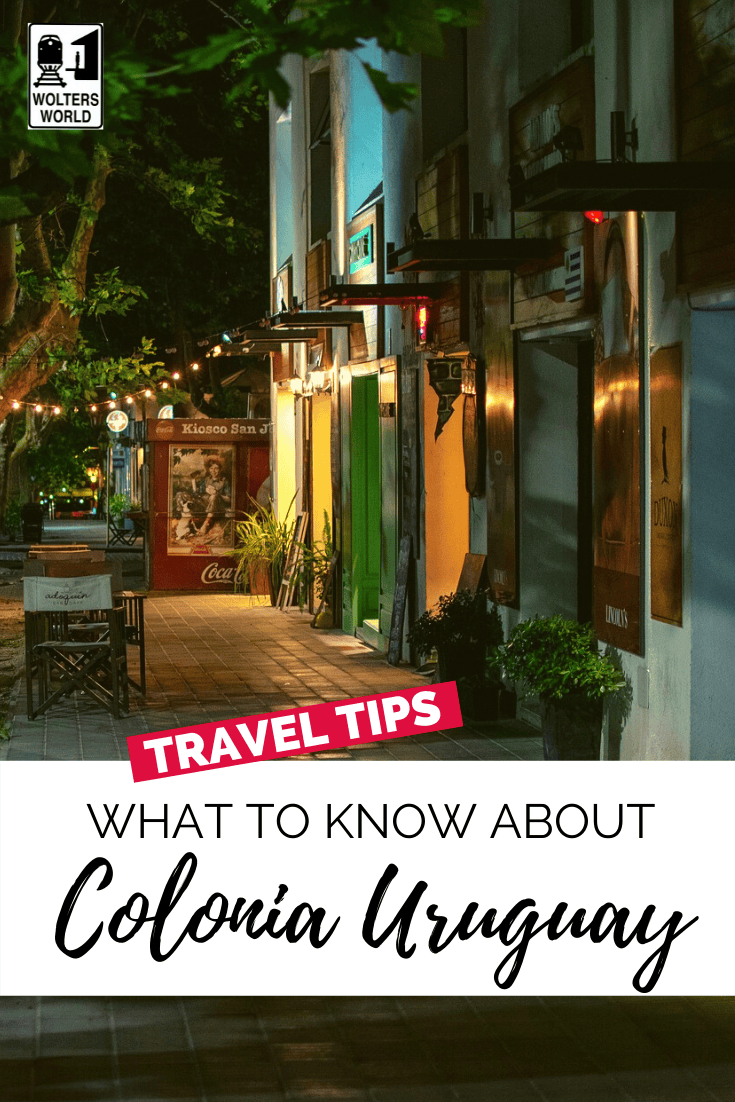
Hey there, fellow travelers! Today, we’re talking about Colonia, a UNESCO World Heritage City in Uruguay. It’s a great day trip from Buenos Aires or Montevideo and it’s well worth checking out. Before you visit Colonia Uruguay, read up on our travel tips and start planning!

Best Things to See in Colonia

Colonia Historic Center

Whether you take a bus from Montevideo or a ferry from Buenos Aires, you will be dropped off in the same area near the Old Town. Parts of the old wall are still there, and you can walk on top. The roads are still the old cobblestone streets and there’s a ton of beautiful Colonial buildings in the area. You can walk along the waterfront and check out the Basilica as well.

They actually rent golf carts that you can drive around, some of them decorated to look like old-fashioned cars. They are fun to see, fun to drive, and can help you get up some of the hills as you tour Old Town.

Colonia Museums

There are several small and interesting museums in the historic center of Colonia. A few that we enjoyed include:

  • The Portuguese Museum
  • The Azulejo Museum, with the blue Portuguese tiles
  • Museum for Indigenous People
  • Spanish Museum
  • Municipal Museum

Colonia Lighthouse

Of all the things to see in Colonia, the lighthouse is one of the most popular. It was built in the 1850s and is still standing today. You can even climb up it for a small fee* to see all of the surrounding areas. It’s a beautiful view and an interesting part of Colonia’s history.

*children are not allowed to climb the lighthouse for safety reasons

Tourism in Colonia

The tourism infrastructure in Colonia is great; they get a lot of international tourists on day trips, so it’s easy to get around and visit.  Colonia has a lot of hotels and posadas to choose from, but make sure you book far in advance if you are visiting during the busy seasons. Likewise, if you plan on taking the ferry from Buenos Aires, make sure you reserve that in advance as well.

Tips for Choosing your Vacation Accommodation

Uruguay is one of the safest countries in South America, so it really is safe to travel here. Use your usual travel smarts, but know that they do try to keep their tourists safe as tourism is a big part of the economy in Colonia. 

The official Uruguay Tourism website on Colonia click here

What to Eat (and Drink) in Colonia

There are plenty of bars and restaurants in Colonia as well, so you can definitely have a good time eating and drinking in Colonia. Some of our favorite things to eat in Colonia include:

  • Chivito, which is a Uruguay steak sandwich. Order Chivito al Plato for a low-carb version without the big bun.
  • Tannat is the local wine, so make sure you try it when you visit
  • Dulce de leche for dessert!

Don’t hesitate to ask for a menu in English; they are used to tourists, so most places have menus in several languages. (Not all of Uruguay is like this, but in Colonia, it’s pretty easy to find English speakers.)

Colonia is a very laid back town, so things don’t get started very early here. Dinner is often starting around 8 pm, and other meals are also eaten later than what we are used to.

Currency in Colonia Uruguay

The Uruguay peso is the official currency of the country. However, since there are so many tourists visiting from Buenos Aires, Brazil, and the United States, you can usually pay in several different currencies. The US dollar is the most prevalent foreign currency accepted in Colonia.

ATMs are widely available in Colonia; however, many are inside of banks, so they may only be open during bank hours. If you are running low on cash, make sure you swing by before the banks close, or you might have to wait until the next morning.

What to Buy in Colonia

If you are looking for local specialties to purchase in Colonia, there are a few things that make great souvenirs. Besides the Tannat wine, some other Colonia specialties include:

  • Leather goods
  • Wool products
  • Ceramics
  • Mate thermoses and gords

We have gotten some cool souvenirs in Colonia, so it’s not a bad idea to leave a little extra room in your suitcase for shopping!

Souvenir shopping tips: what not to buy!

Best Time to Visit Colonia

Remember, the seasons in Uruguay are the reverse of the United States. December, January, February, and March are the summer months here, while June, July, and August are the winter months. It can get chilly in June or July, so make sure you pack some layers if you visit during that time.

The weekends can be very busy with tourists from Buenos Aires, so book ahead if you are going on the weekend.

Getting to Colonia

If you are visiting Colonia from Montevideo, it is about a three-hour bus ride. When you purchase your ticket, make sure you look at the duration some bus rides are longer than others.

If you are visiting Colonia from Argentina, there are several ferries to bring you over. It’s usually quoted as a 50-minute ride, but by the time we exited our ferry, it was about a two-hour trip. You have to clear customs, so that takes additional time. There are faster ferries and slower ferries, so make sure you check and see which one you are signing up for. The ferries can be canceled if the weather is bad.

Buquebus Ferry website: www.buquebus.com

Grab Some Wolters World Travel Gear!

Colonia is a cool, safe city to visit for your first trip to Uruguay. Whether you spend a few days exploring this coastal city, or visit on a day trip from Buenos Aires or Montevideo, make sure you put this into your South America travel plans. You won’t regret it! Want more South America travel tips? Check out these other blog posts:
  • What to Know Before You Visit South America
  • The Best Places to Visit in South America
  • What to Know Before You Visit Buenos Aires

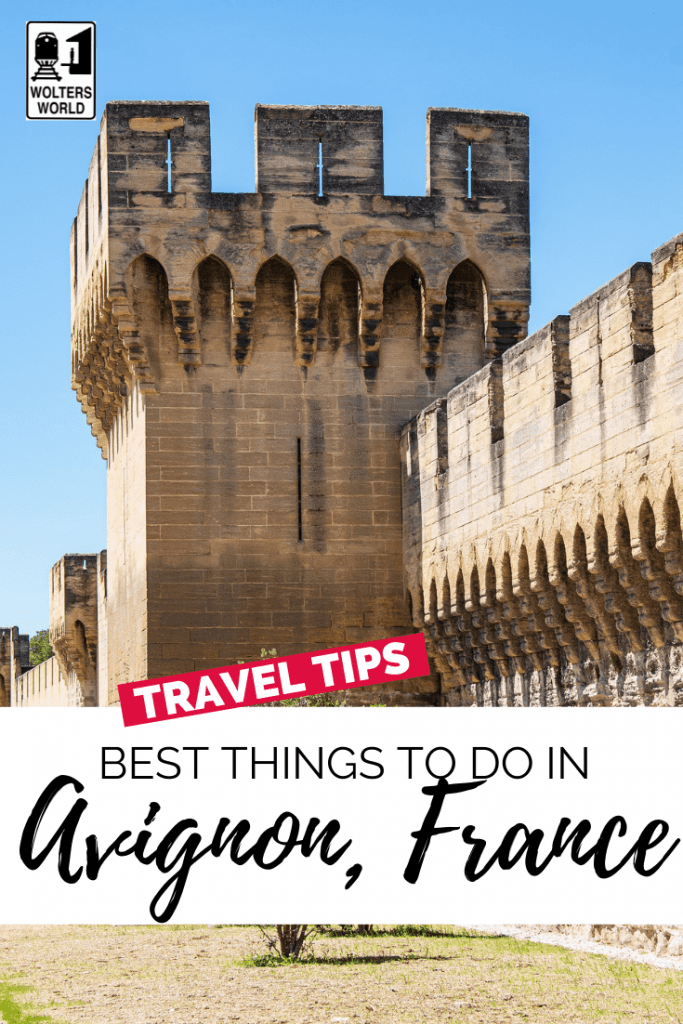
Best Things to Do in Avignon France

Posted on January 4, 2022February 7, 2022 by Mark Wolters

Hey there, fellow travelers! Today, we’re talking about visiting Avignon in the South of France. It’s my favorite place to go when I am visiting Provence. If you’re looking for a fun destination, we’ve got a list of the best things to do in Avignon.

Papal Palace (Palais des Papes)

Avignon was once home to the Pope and served as home to seven French Popes in total. You can still visit the Papal Palace and take a tour. This also brought a lot of money to Avignon, in the form of art and architecture. However, most of the original furnishings are gone and the frescoes and artwork were destroyed. Some of the churches in town also seem to be empty, so it’s not exactly a Vatican-style experience. The Avignon Papacy ended in 1377 and things weren’t as well preserved as they are in modern times.

Musée du Petit Palais

For a nice collection of 13th and 14th-century art, including Botticelli.

Place de l’Horloge

This is one of the main squares or plazas in Avignon. It’s always a lively place full of activity. Over the holidays, it’s where you’ll find the Avignon Christmas market.

Celebrating Christmas in France with French Traditions

Pont D’Avignon

The Avignon bridge is another major attraction in this town. There are four arches remaining of this bridge that is over 800 years old. You can walk out on the bridge for great views but hold tight to any little ones as there isn’t a fence to keep them from falling off.

Official Tourism Website of Avignon: https://avignon-tourisme.com/en/

So may fun adventures around Avignon.

City Walls

Avignon was and is a walled city. The ramparts are really well-preserved, and you can even walk on top of some of them. They were built in the 14th century during the French Papacy, and they’ve been maintained really well. There are many walled cities in Provence, but we think Avignon has the most to offer.

Musee Calvet

For a fine arts museum, Musee Calvet is worth a visit. It is housed in two historic buildings in Avignon. The collections include goldwork, tapestries, and ironwork.

Eat & Drink Well

Provence has some of the best food in the world, and Avignon is a great place to try all of it. There are tons of restaurants to choose from, and the farther you wander off the beaten path, the more authentic food you’ll find.

Explore Provence

As long as you’re in Avignon, you should also take the time to explore the rest of Provence. Avignon hotels make a great base area from which you can take day trips around the region. Arles and Nimes are both excellent day trips from Avignon. Keep in mind that the TGV station is not in the center of Avignon, so choose a train that goes to Avignon Centre. If you are taking the train from Paris to Avignon, you may have to change trains to get to the city center.

Five Things You’ll Love & Hate About Provence, France

Get Lost!

No really! Take the opportunity to just wander the streets and take in the atmosphere. Stroll down some of the pedestrian streets and enjoy the shops, cafes, and public squares. It’s a walled city, so you really can’t get too lost!

Grab Some Wolters World Travel Gear!

With a central location in Provence, plus great food and interesting history and culture, Avignon is a place I love in Provence. It’s my favorite city in the region, not only for the history and the food but also for the easy access to other towns in Provence. When you are planning a trip to Provence, I highly recommend visiting Avignon. Interested in more France travel tips? Check out these blog posts!

  • Ten Things That Will Shock You When You Visit France
  • How to Spend Ten Days in France
  • What to See in Amboise France

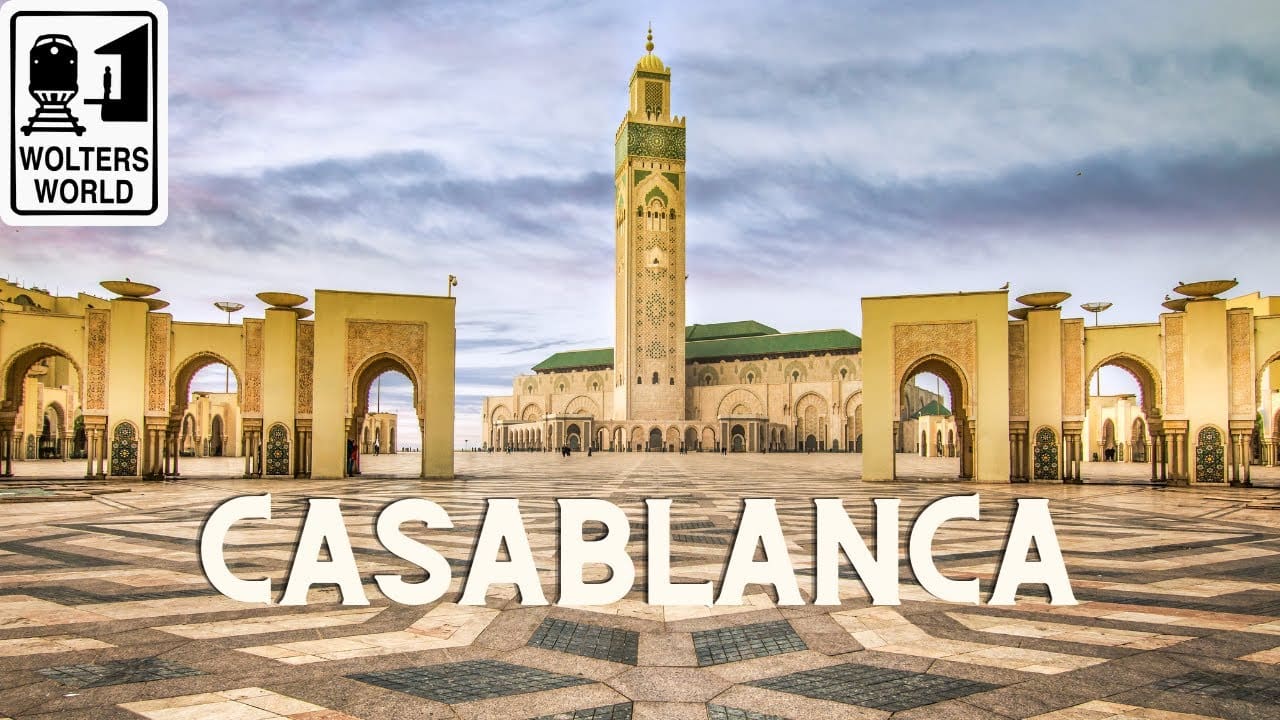
What to Know Before You Visit Casablanca

Posted on January 2, 2022February 7, 2022 by Mark Wolters

Hey there, fellow travelers! Today, we’re talking about visiting Casablanca, a beautiful city set on the northwest coast of Morocco. As a financial hub, Casablanca isn’t as touristy as some areas of Morocco, so a couple of days is usually enough to explore before moving on to other areas of Morocco. For first-time visitors, there are some things you should know before visiting Casablanca.

What to Do in Casablanca

There are many cool things to see in Casablanca. A few of the highlights to include in your Morocco itinerary should be:

  • Hassan II Mosque is one of only a few mosques that allow non-Muslim visitors to enter. It’s really beautiful inside and outside. There are several tours scheduled each day.
  • Cornish is the area of Casablanca where you’ll find nightlife. Make sure you dress the part, as they have pretty strict dress codes. During the day, there’s a nice boardwalk area to explore.
  • Swimming pools are all along the Casablanca beaches because the surf is too rough for swimming.
  • The King’s Palace is nice to see from the outside, even though you can’t go inside
  • Casablanca Museums include the Museum of Moroccan Judaism and several excellent art museums.
  • The Old Medina is a great place to experience a traditional Moroccan medina.

What to Eat in Casablanca

Casablanca food is tasty and affordable, and there are many restaurants to choose from. Tajine is a popular cooking style in Morocco and is named for the shape of pottery that it’s cooked in. You will surely see lots of Tajine options on the menu, as well as some fantastic seafood since Casablanca is on the coast. You’ll also see a lot of international restaurants, as Casablanca is a cultural melting pot.

What to Eat in Morocco

You can dine at Rick’s Cafe, which is modeled after the cafe in the movie Casablanca. The cafe in the movie was a set filmed in California, but it’s still fun to visit this piece of movie history.

Getting Around Casablanca

Casablanca is the largest city in Morocco, so there’s a lot of ground to cover. There are many taxis in Casablanca, but it’s important to know the difference. The white taxis are private and will just be you or your party. You will negotiate your price before getting in. The red taxis are shared, and you just pay for your seat and will have other passengers joining you. Public transportation is not super helpful for tourists, so we recommend using the taxis, which are pretty cheap. We really liked our first taxi driver, so we hired him for the entire day to drive us around.

Official Tourism Website of Casablanca: https://www.visitmorocco.com/en/travel/casablanca

Getting To or From Casablanca

If you are traveling around Morocco by train, you should know there are three different train stations in Casablanca. The Casa-Voyageurs station is the main one you will use; it serves suburban areas as well as long-distance trains, including the TGV that can take you to Marrakech.

Taking the Train from Marrakech to Casablanca

If you are flying in, you can take a train from the airport or a taxi. Going back to the airport, your hotel can arrange a taxi for you. Make sure you allow plenty of time to make your Casablanca flights. We flew out on a holiday with no traffic, and it still took us 45 minutes just to get to the airport. Have your passport ready or you won’t even be able to get inside the airport.

Other Casablanca Travel Tips

Just a few other things you should know before you visit Casablanca:

  • Credit cards are pretty widely accepted in tourist areas
  • Morocco is still very cash-based, so I recommend you still try to carry some cash with you
  • ATMs are available at banks and we never had trouble finding one to withdraw cash
  • Plan to tip around 10% in Casablanca restaurants, but only in cash. You can’t add a tip to your credit card.
  • The tap water is not safe to drink, so stick to bottle water

Click here for the State Department Travel Advisories for Morocco

Grab Some Wolters World Travel Gear!

While we don’t recommend spending a lot of time in Casablanca, it is the main entry point for most Casablanca flights into Morocco, and there are some cool things to see in a few days before moving on to the rest of your Morocco trip. Want more travel tips from Africa?

  • What NOT to Do in Morocco
  • Everything You Need to Know Before Going on Safari
  • Ten Things That Will Shock You in Morocco
pickpockets

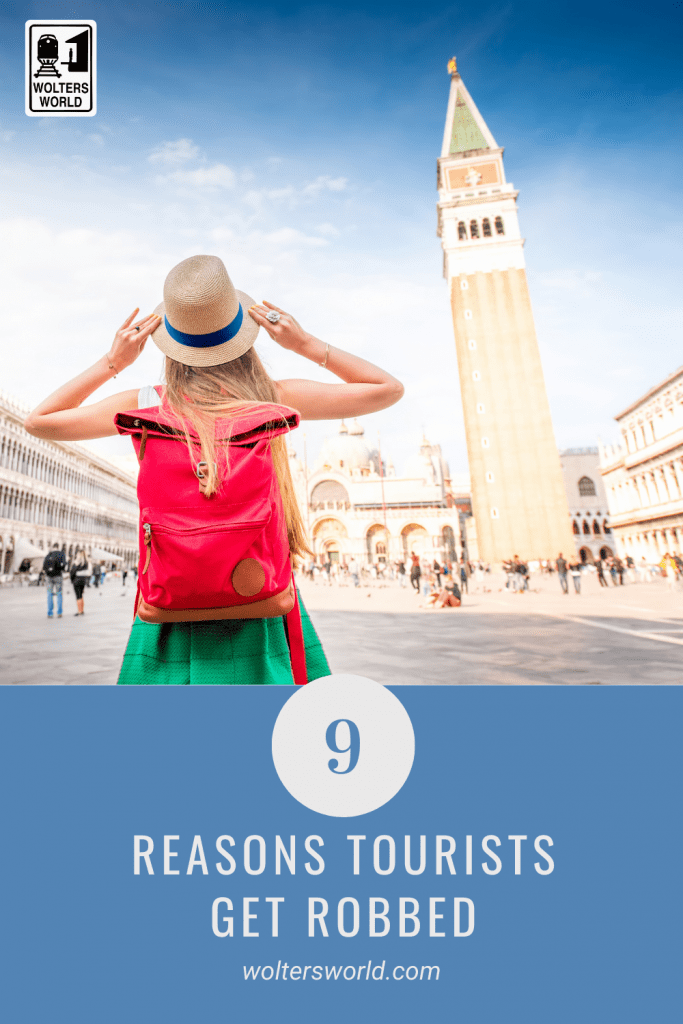
9 Reasons Travelers Get Robbed

Posted on January 1, 2022February 7, 2022 by Mark Wolters

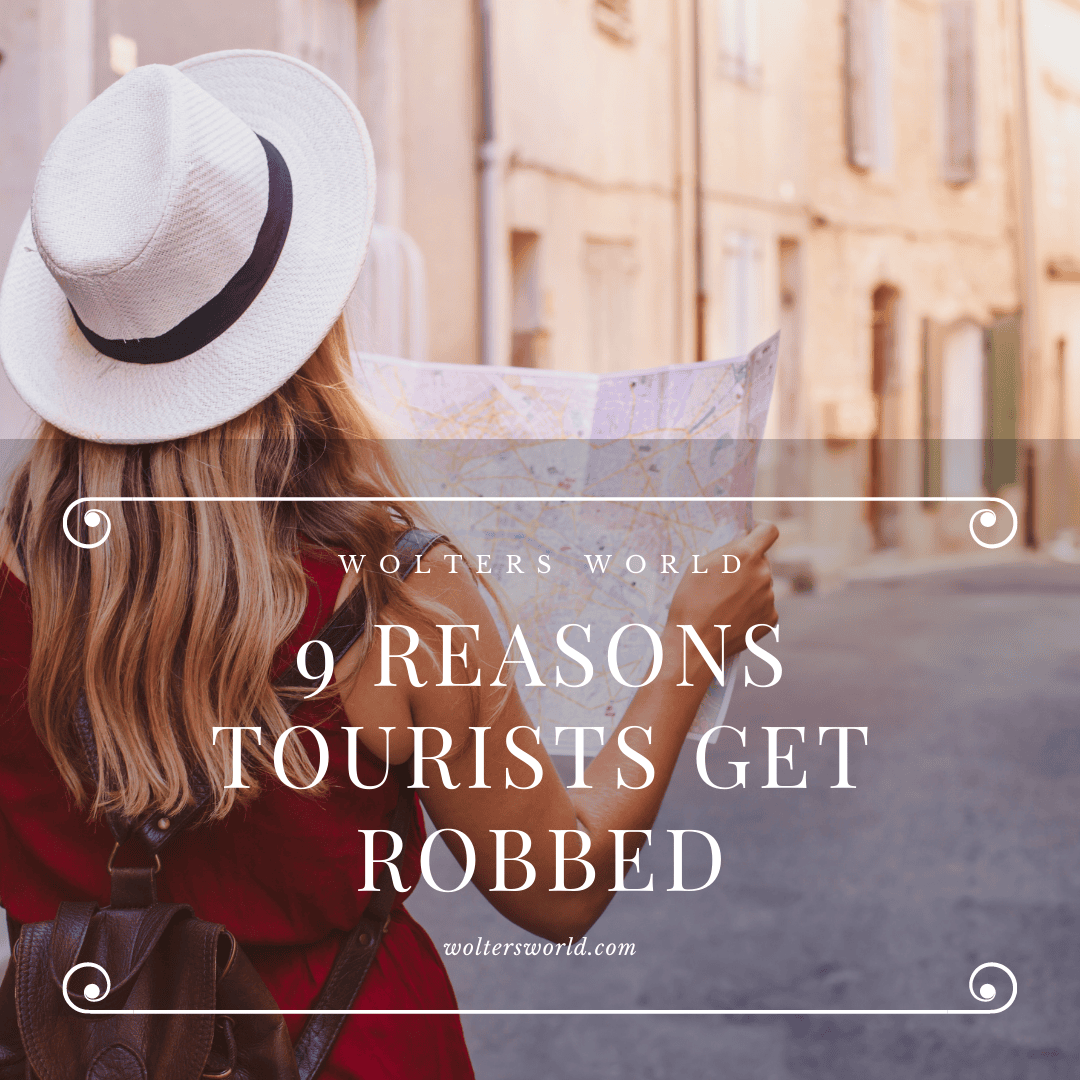
Hey there, fellow travelers! Today, we’re talking about the not-so-fun side of travel and that’s getting robbed. It happens, tourists sometimes get robbed. Sometimes, it’s falling for a scam while other times you get your pocket picked. Fortunately, there are precautions you can take to reduce your chances of being robbed while traveling.

pickpockets
Travel scams are on thing, but getting robbed is something else.

Being a Tourist

That’s right, sometimes tourists are robbed for no other reason than just being a tourist. Tourists make an easy target for thieves; we often carry large sums of cash and don’t always have the number to call if we lose our credit card, so thieves have more time to rack up charges. There’s not much you can do to avoid this one, other than doing your best to blend in and not look like a tourist!

Showing Off Money

Whether it’s wearing fancy jewelry or designer clothes, looking rich can easily make you a target to be robbed. Showing off how much money you have is a big mistake when traveling! Designer purses or expensive watches tell thieves that you have a lot of money and you aren’t a savvy traveler.

Not Paying Attention

Most likely, you are traveling to see amazing sights, and the beautiful architecture of a foreign country can be distracting. If you are walking around and gawking at the sights, you may lose your self-awareness, which can easily make you a victim of theft. We’re not suggesting you don’t look around at the sights, but always pay close attention to the people around you, as well as who is in your personal space. Likewise, headphones or earbuds can also prevent you from knowing what’s happening around you.

Most Common Spots for Pickpockets

Being Intoxicated Late at Night

Many travelers like to have a good time and enjoy a few local beers or spirits. There’s nothing wrong with that! But, if you have one too many drinks and find yourself stumbling around late at night, that’s when you can easily become a target for theft. If you are traveling (and drinking) alone, then it is even easier to become a target. For solo travelers, try to keep your wits about you. If you’re in a group, make sure you are looking out for each other.

Travel is wonderful, but it is smart to be prepared.

Getting Scammed

Not all travel thefts are going to be pickpocket or robbery situations. There are lots of bad vacation scams out there, and thousands of tourists who fall for them. Sometimes even the savviest travelers fall for a new travel scam, especially when children or babies are involved. The “best” city scams are great at making it seem like they are helping you, when in fact, their accomplice may be robbing you while you are distracted.

How to Avoid Travel Scams & Rip-Offs

Being Old

Sadly, older travelers are much more often the target of travel scams and pickpockets. Obviously, there’s not much you can do about your age, so just use extra precaution and know that you may be more likely to be targeted, so heightened awareness is best.

US State Department Website for Travel Advisories & International Travel Information: CLICK HERE

Traveling with Children

Of course, we love traveling with our kids. But keeping track of your kids can be distracting and scammers know this! A child can run off in a split second, and once you chase them, you’ve left your stroller and purse unattended. Scammers look for these situations, or may even be the ones to distract your kids with something like a puppy or a trick or game.

Trusting the Wrong People

Part of the joy of traveling is meeting new people and making new friends along the way. Unfortunately, some people may not be as nice as they seem. This is especially true if you are traveling solo and going out drinking with new friends. Make sure you’re in a group and not alone with your new friend. Use caution with any new friends and always keep your wits about you. (if you are drinking, this means always keeping your drink with you, too. Don’t leave it unattended!)

The traveler floppy hat and magic fanny pack do not protect you.

Bad Luck

Some travel thefts are preventable, but you could do everything right and still find yourself missing a wallet or watch at the end of the day. Truly, sometimes, you just might find yourself in the wrong place at the wrong time. Don’t beat yourself up because it happens to even the most seasoned travelers.

Grab Some Wolters World Travel Gear!

Travel is an amazing opportunity to experience new cultures, cuisines, and landscapes. But travel can also have some downsides like people who prey on tourists. Study up on our travel safety tips and pay attention to your surroundings. Check out these other blog posts with our best travel tips:

  • What to Do if You Lose Your Passport While Traveling
  • Most Common Pickpocketing Techniques
  • Honest Travel Safety Advice

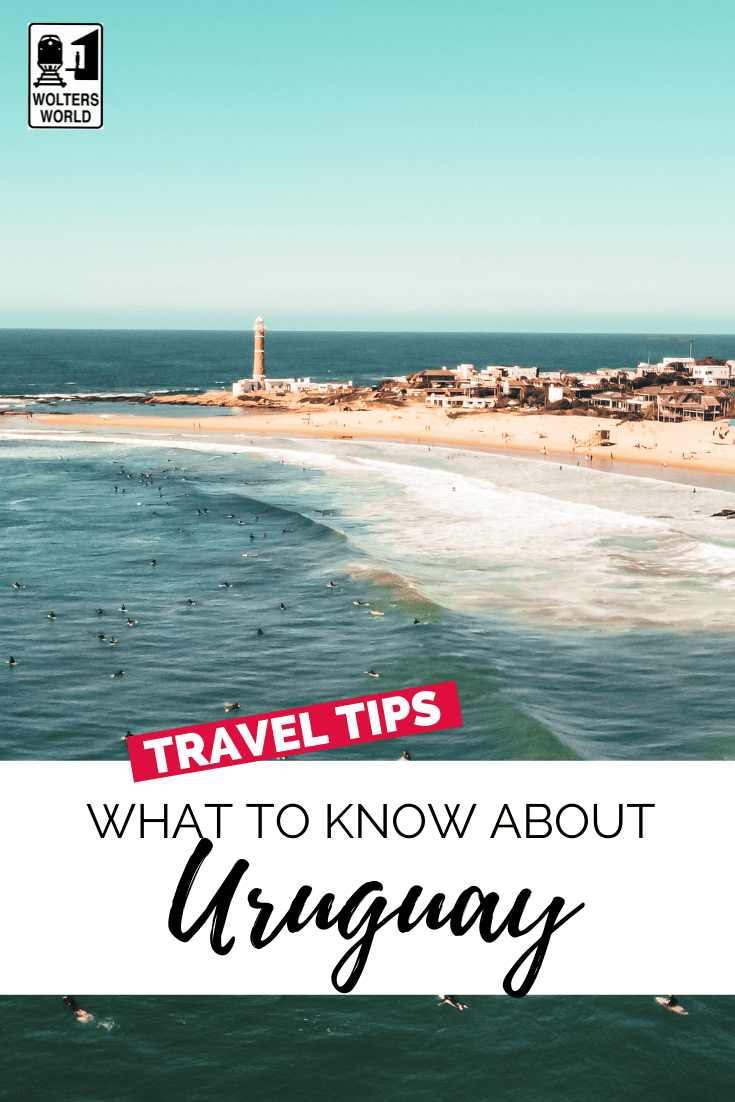
What to Know Before Your Uruguay Vacation

Posted on December 29, 2021February 7, 2022 by Mark Wolters

Hey there, fellow travelers! Today, we’re talking about the South American country of Uruguay. Sitting between Argentina and Brazil, it’s not always at the top of everyone’s South America travel itinerary, but it should be! It’s a great place to visit, but there are some things you should know before planning a Uruguay Vacation. 

Places to Visit in Uruguay

Colonia is probably the most visited place in Uruguay. It’s a UNESCO World Heritage Site, and easy to reach, even on a day trip from Argentina. It was a Portuguese town that still has a lighthouse and city walls, so there’s a lot of history to explore.

Montevideo is the capital city and is likely where you will enter and exit the country if you are flying to Uruguay. It’s a historical Spanish city with a nice Old Town and art deco architecture.

Punta del Este is the most popular beach town in Uruguay. The resort atmosphere draws many tourists from South America who come for the nightlife and beach scene.

Estancia is where you’ll go for more inland adventures, as there are many ranches here where you can stay.

What to Eat in Uruguay

The food in Uruguay is similar to the food in Argentina, in the sense that there is a lot of beef served.  Asado is a popular way to cook everything on the grill. They do tend to cook their steak to be well-done, so if you like it a bit juicier, make sure you specify.

Chivito is a steak sandwich, and another thing you must try when traveling in Uruguay. You’ve got a steak on a bun, with a fried egg and ham wrapped in cheese. It’s fantastic. You can also try Chivito al Plato, which is the same thing but without the bun.

Dulce de Leche is a delicious dessert to have in Uruguay. They have lots of yummy sweets and treats, but this one is our favorite.

If you want to try local wine, order Tannat. It’s made in Uruguay and it’s a really smooth red wine. I’ve never seen it outside of Uruguay, so make sure you try it! Otherwise, you can also get some great wines from Argentina, which is known for wine production.

Be prepared to dine late in Uruguay. Many locals eat dinner around 10 or even 11:00 in the evening. And also expect slower service; it’s not bad service, it’s just at a more relaxed pace. So don’t plan on dining out for a quick meal, as the locals like to linger over their meals.

US State Department Website for Travel Advisories & International Travel: CLICK HERE

Currency in Uruguay

In Uruguay, they use the Uruguayan Peso. In some areas with more tourists, you can often pay with US Dollars or Argentine Pesos. We have found that credit cards are pretty widely accepted as well. You should also plan to tip around 10% of your bill when dining out in Uruguay. We usually paid with a credit card and then tipped our server in US Dollars.

When you need to get cash, you’ll find that most ATMs are located inside of banks. This means if you are trying to get cash after hours, it will be more difficult. Try to hit the ATM before the banks close so you’re not left with no cash.

Is Uruguay Safe?

Of course, many people wonder is Uruguay safe. We’ve found that it’s one of the safest countries in South America. You also don’t feel like you’re going to get ripped off for being a tourist. The people here are very friendly and genuine and because they haven’t been overrun with tourists, they are very welcoming. In terms of health safety, you can drink the water in Uruguay.

Honest Travel Safety Advice Every Traveler Should Know

Connectivity in Uruguay

Don’t worry about staying connected on your Uruguay trip. There is WiFi everywhere and 4G/LTE networks. Just make sure you contact your cell phone service provider before you leave to make sure you’re covered. If you don’t have an international plan on your phone, you can buy a cheap phone in Uruguay and use pre-paid chips to stay in touch.

Uruguay Ministry of Tourism Website: CLICK HERE

Language in Uruguay

Spanish is the official language in Uruguay, and it will certainly help if you can speak a little bit of Spanish. However, the locals are so friendly, they will figure out a way to help you even if they don’t speak your language.

Uruguay Accommodations

When you are planning your trip to Uruguay, there will be many choices for accommodations. Of course, there are hotels everywhere. You’ll also see posadas, which are more like a pension or BnB. You can also choose a homestay where you live with a local family. This is a great option for solo travelers who want to experience the culture a bit more. There’s a great range of accommodation choices in Uruguay.

Outlets in Uruguay

You’ll see a couple of different outlet shapes in Uruguay. If you’re coming from the United States, you’ll need an adapter to charge your devices. The outlets will either be like those in Argentina, with three flat prongs or the ones from Brazil, which have three prongs. Mainland Europe plugs will work in the Brazilian-style outlets, but it’s always a good idea to have an adapter, just in case!

Getting Around Uruguay

Buses are the main mode of transport in Uruguay. Montevideo is a big hub for the buses that travel throughout Uruguay, so that can make a nice home base for you. Buying bus tickets is super easy; I purchased ours online in advance and had no problems. When you are just traveling around town, taxis are readily available in the larger cities and are relatively cheap. When it’s time to leave Uruguay, I recommend scheduling a taxi with your hotel ahead of time so you know you have it taken care of.

Driving in Uruguay

You can also rent a car in Uruguay. In some of the towns, they will also rent little golf carts to get around. If you do plan to rent a car in Uruguay, I recommend getting a South American driver’s license. You can do this at your local AAA office. You may not always need it, but it’s better to be prepared.

Best Time to Visit Uruguay

You can really enjoy Uruguay year-round. We last visited in July, which is the heart of the winter season in Uruguay. It was perfectly fine, and not too cold. But the best time to visit Uruguay is during their summer, which is December through March. This is the best time for visiting the beaches and enjoying the outdoor attractions. Beware, though, as prices are higher during this peak season. Easter week is another really busy travel period, so you’ll need to secure your accommodations well in advance.

How to Eat Cheap and Well While Traveling

Getting to Uruguay

There aren’t many international flights directly to Uruguay. Most likely, you will fly to Buenos Aires and then connect to Montevideo or Colonia. You can also take a ferry from Buenos Aires to Montevideo; it takes around 90 minutes. You can also arrive here from Brazil. We found the border crossings to be more relaxed, so it’s nothing to worry about.

Grab Some Wolters World Travel Gear!

Uruguay is a great destination in South America that is often overlooked due to it’s larger neighboring countries. As a much smaller and less touristy country with very friendly locals, I think a Uruguay vacation is a great choice for travelers looking to go a little bit off the beaten path. Want more South America travel tips? Check out these other blog posts:

  • What to Know Before You Visit South America
  • The Best Places to Visit in South America
  • What to Know Before You Visit Buenos Aires
brazil travel

What To Know Before Your Brazil Vacation

Posted on December 28, 2021February 7, 2022 by Mark Wolters

Hey there, fellow travelers! Today, we’re talking about the things you need to know before your trip to Brazil. Brazil is a great place to visit; I studied abroad here and have returned to visit Brazil many times with my family. Today we’re sharing some of our best Brazil travel tips with you.

Is Brazil Safe?

Usually, the first question we get is people wanting to know “Is Brazil safe?” Brazil is not the safest place in the world, but you can safely enjoy Brazil with a few precautions. Avoid wearing flashy clothing and jewelry, and don’t flaunt electronics or anything expensive. Especially on the beach. Use your “travel common sense” and be aware of your surroundings at all times.

Another common safety concern when traveling in Brazil is mosquito-borne diseases. People worry about contracting zika or malaria, or other things from mosquitos. There are lots of mosquitos in Brazil, but we don’t worry too much about diseases from the bugs. Always check with your doctor and the CDC to see what vaccinations are recommended for the area of Brazil that you are visiting.

Language in Brazil

Many travelers assume that since they are traveling to South America that they will be able to speak Spanish in Brazil. Surprise! While most countries in South America are Spanish-speaking, Portuguese is actually the primary language in Brazil.  Very few people in Brazil speak Spanish or English, so it helps to learn a little bit of Portuguese before you go. If you do speak Spanish, you may be able to read some of the menus and signs, as the languages are somewhat similar.

Official Brazil Tourism Website: CLICK HERE

Currency in Brazil

The currency of Brazil is the REAL. They have bills and coins, although the coins aren’t worth much. While many places in the larger cities will accept credit cards, cash is often preferred and sometimes the only option in smaller towns. Some places will only accept debit cards, not credit cards, and yours might not always work. So, make sure you always have some cash when you’re in Brazil. For security purposes, always use the ATMs located indoors, whether it’s at a bank or a shopping mall.

Young, old, hot, you will love Brazil.

Getting Around Brazil

Brazil is nearly as large as the United States, so you’re not going to see everything in one trip to Brazil. You want to see as much as possible, so it’s important to plan your travel within Brazil to maximize your time. I do NOT recommend driving in Brazil. To cover large distances, we typically fly some of the local airlines. When visiting smaller towns and cities, you will probably also need to take a bus. Do yourself a favor and upgrade to a more expensive bus.

US State Department Website on Travel Advisories & International Travel: CLICK HERE

Places to Visit in Brazil

Brazil Beaches

With 8,000 kilometers of coastline, Brazil has some amazing beaches. Modesty goes out the window on Brazil beaches; going topless is illegal, but you’ll see beachgoers who definitely push that line.

Brazil Rainforests

Another unique thing to see in Brazil is the rainforest. You can visit the Amazon river and experience the rainforest first-hand. Don’t expect to see a lot of wildlife, though, because the forest is so dense.

The Pantanal

To see wildlife in Brazil, you should visit the Pantanal. This is the world’s largest tropical wetlands area. You can float the river in inner tubes, just watch out for piranhas and alligators!

Iguazu Falls

If you are in the southern part of Brazil, you should definitely go see Iguazu Falls along the Argentina border. It’s the largest waterfalls in the world.

Sao Paulo

Brazil is more than just the natural attractions; there are some cool cities too. Sao Paulo is an international city in Brazil, with fantastic shopping, dining, and entertainment.

What NOT to Do in Sao Paulo

Rio de Janeiro

Of course, Rio is the most famous city in Brazil. With Christ the Redeemer looming over the city, and Ipanema Beach, and the botanical gardens. You could easily spend your entire Brazil vacation just in Rio, but make sure you explore some other parts of Brazil, too.

Icons of Brazil, Amazon, Christ the Redeemer, and the beaches.

Service in Brazil

Things don’t necessarily happen on your timetable in Brazil. Bring your patience when you visit Brazil. The service is more laidback and slow and can take some getting used to. But the people in Brazil are fantastic!

Food in Brazil

Just like the US, Brazil has many distinct regions and the cuisine will vary depending on where you are in Brazil. In the south, you’ll have more meat-based dishes, while you can expect a lot of seafood if you’re staying near the coast. Some of our favorite Brazilian dishes include:

  • Feijoada – a black bean stew with sausage
  • Caldinho de Feijão – a black bean soup
  • Rodizio is the Brazilian steakhouse where they cut the meat at the table; get the picanha, the best cut of meat!
  • Pão de Queijo – cheese bread

When you eat in Brazil, expect large portions and a lot of rice and beans to accompany your meal. Wherever you go in Brazil, ask what the local specialty is and try it!

What to Eat in Brazil

Drinks in Brazil

Don’t drink the water in Brazil; stick to bottled water. If you want to try some special drinks that are unique to Brazil, these are some of our recommendations:

  • Guarana – it’s most similar to ginger ale but has a high caffeine content
  • Cerveja – Beer in Brazil is served ice cold.
  • Cachaça, also known as pinga, is a tasty alcohol served in Brazil. Cachaça is best served in a caipirinha, which is like a Brazilian mojito.

Tipping in Brazil

You don’t need to tip in Brazil. They will add a 10% service charge automatically to your bill, so you don’t have to tip when you eat out in Brazil.

Plugs in Brazil

Electrical outlets in Brazil can vary from Type C or Type N. Type N is similar to the European two-prong plug, but there is a 3rd prong lower down. So you can use your chargers from Europe, but the voltage is the same as in the U.S. So you’ll need an adapter and/or a converter, depending on where you are from.

Grab Some Wolters World Travel Gear!

Brazil will always have a special place in my travel memories; it’s a great destination with a bad rap for safety. Don’t let that keep you from planning a Brazil vacation. It’s such a diverse, amazing country with friendly people and fantastic scenery.  Looking for more South American travel tips? Check out these other blog posts:
  • Best Places to Visit in South America
  • What NOT to Do in South America
  • Five Things You’ll Love & Hate About Latin Travel
chania crete

What To Know Before Visiting Chania Crete

Posted on December 27, 2021February 7, 2022 by Mark Wolters

Hey there, fellow travelers! Today, we’re talking about the things you need to know before your trip to Chania, Crete. This is where you’ll come to shop and eat after a day on the surrounding beaches. Today, we’re sharing some of our travel tips for when you visit Crete and Chania.

Historic Chania City

When you visit Chania, zoom past the urban sprawl and development, heading straight for the historic center. The historic center of Chania is the most picturesque part of town. Make sure you visit the Venetian Harbor. There are many waterfront restaurants, the lighthouse, and the mosque. You can also check out the Maritime Museum. Yes, it’s a little touristy, and you’ll pay elevated prices, but it’s worth it. Inland, the winding narrow streets are lined with shops where you can buy souvenirs. Allow at least a day of your Crete itinerary to explore Old Town Chania.

Chania Beaches

There are tons of beaches around Chania. The water is crystal clear, allowing you to see tons of wildlife. The beaches also have lifeguards, which is convenient if you’re visiting Crete with kids. You will probably spend a lot of time on the Chania beaches, so make sure you are covered in SPF! Apply and reapply so you’re not one of those purple-skinned sunburned tourists.

Some of the best Chania beaches include:

  • Kalamaki
  • Marathi
  • Agioi Apostoloi
  • Loutraki
  • Agia Marina

I also recommend renting a lounger and umbrella at these beaches; you can either rent chairs, or sometimes if you are ordering drinks, you can use the loungers for free. It’s really hot in the summer; that shade is worth every Euro you pay.

Five Things You’ll Love & Hate About Crete

Kids aer treated like kings in Crete.

Chania Accommodation

Crete tourism is really well established, so accommodation choices are great, especially in Chania. There are many different hotels in Chania Crete. You can choose anything from camping and hostels to luxury hotels. We rented a modern, two-bedroom apartment in Crete and paid less than $100 per night.

How to Beat Peak Season Travel Prices

Getting to Chania

Chania’s airport is serviced by many of Europe’s low-cost carriers, like RyanAir and EasyJet. These routes are seasonal, though, so you’ll have fewer options for flying to Chania outside of the tourist season.

You can also take a ferry from the mainland of Greece, which is cheaper but also takes much longer. It can take 9 to 12 hours on a ferry from Athens.

Getting Around Crete

When you visit Chania, I recommend getting a car to make it easier to get around. If you are from the US, you will need an international drivers’ license in order to rent a car. Keep in mind, that most rentals cars in Crete will be stick shifts or manual transmissions. Having a car at your disposal gives you a lot of opportunities to explore more beaches and historic sites. Be prepared for crazy drivers! You are in Greece, after all.

In terms of public transportation, there are buses that will take you from the airport to the city center. Other buses will take you out to the beaches. It’s easy and inexpensive to use. Taxis are also quite affordable in Chania.

The food will never stop!

Chania Tourism

Chania is built for tourism. Accommodations are centered near the beach, the beaches are set up for visitors, and it’s just a great tourism experience. It’s easy to find English speakers, too. There are lots of mini-markets so you can get supplies and food if you are renting an apartment.

Official Website of Chania Tourism: CLICK HERE

Food in Chania

When you go out to eat in Chania, you’ll have a lot of Greek food restaurants to choose from. The food is all Greek, plus Cretian Greek food. If you’re not sure what to order, ask the waiter what the specialty is. Besides classic Greek dishes, the Cretian dishes include Cretian pasta, Cretian pie, and lots of fresh seafood. It’s often served family-style, with dishes big enough to share. Food in Chania is very affordable; plan on spending $10-12 on a dinner plate that will serve 1-2 people.

When it’s time to get the check after your dinner, they will often bring you a small bottle of Raki before they bring the bill. It’s a spirit-type alcohol drink. If you’re in a hurry, you can ask them to skip this formality and they will bring the bill.

Grab Some Wolters World Travel Gear!

Crete is an amazing island for a beach vacation, and Chania Crete makes the perfect home base with its historic center and well-established tourism infrastructure. Looking for more Greece travel tips? Check out these other blog posts:

  • What to Know Before You Visit Greece
  • Five Things You Will Love & Hate About Greece
  • What NOT To Do in Greece
  • Previous
  • 1
  • …
  • 14
  • 15
  • 16
  • 17
  • 18
  • 19
  • 20
  • …
  • 41
  • Next

Hey There Fellow Travelers

If you want HONEST Travel Advice from travelers who have been there, this is the Travel site for you. We focus on giving you the best & the worst parts of traveling, the cultural differences, the do's and don'ts and so much more. Please join us on our journey to help other travelers. Happy Travels!

Wolters World is a participant in the Amazon Services LLC Associates Program, an affiliate advertising program that is set up to help us to earn fees by linking to Amazon.com and affiliated sites.

©2026 Wolters World
This website uses cookies to improve your experience. We'll assume you're ok with this, but you can opt-out if you wish.Accept Read More
Privacy & Cookies Policy

Privacy Overview

This website uses cookies to improve your experience while you navigate through the website. Out of these, the cookies that are categorized as necessary are stored on your browser as they are essential for the working of basic functionalities of the website. We also use third-party cookies that help us analyze and understand how you use this website. These cookies will be stored in your browser only with your consent. You also have the option to opt-out of these cookies. But opting out of some of these cookies may affect your browsing experience.
Necessary
Always Enabled
Necessary cookies are absolutely essential for the website to function properly. This category only includes cookies that ensures basic functionalities and security features of the website. These cookies do not store any personal information.
Non-necessary
Any cookies that may not be particularly necessary for the website to function and is used specifically to collect user personal data via analytics, ads, other embedded contents are termed as non-necessary cookies. It is mandatory to procure user consent prior to running these cookies on your website.
SAVE & ACCEPT