Wolters World

Honest Travel Advice

Menu
  • Destinations
  • Don’ts of Traveling
  • Travel Tips
  • Shop
  • About
  • Work with Us
Menu

Author: admin

All The Little Things to Know Before You Visit The Netherlands

Posted on August 15, 2018May 9, 2019 by admin

What to Know Before You Visit the Netherlands


Greetings from Amsterdam! The Netherlands is a really fun place to visit, so today we’re sharing some things you should know before you come to the Netherlands. If you are thinking of Holland, North Holland and South Holland are just two of twelve provinces in the Netherlands. That’s your first tip! We have many more Netherlands travel tips for those wanting to explore the country outside of the red light district.
Language Spoken in the Netherlands


The spoken in the Netherlands is Dutch, but the Dutch generally speak English very, very well. You might be surprised at how well English is spoken, to the extent they will crack jokes and throw sarcasm at you. Dutch people can be frank. They are direct and like to get to the point without wasting time. Don’t mistake Dutch efficiency for rudeness, they just don’t bother with a lot of small talk.


Dutch Currency


As part of the EU, Dutch currency is the Euro. The Euro comes in several bills (500, 200, 100, 50, 10, 5) and the coins here are actually valuable. The 2 Euro coin is worth more than $2, so keep track of them. We try to avoid anything larger than a 50 Euro bill as it can be hard to make change. There are several ATM’s around the country, so it’s easy to get cash out. The machines will offer many languages, so don’t worry about that.


Prices in the Netherlands are comparable to other cities in Europe, and just slightly more expensive than the U.S. It’s not “Scandinavia pricy” but it’s not a cheap destination.


Tip: It’s always good to have coins on hand for snacks and treats as you walk around town.


Getting Around the Netherlands


You definitely should explore the Netherlands beyond Amsterdam. There are many cool places like Haarlem, Utrecht and Maastricht. You’re probably wondering how you will get around the Netherlands. The Netherlands train network is efficient, fast and gets you anywhere. It’s a relatively small country, so distances are pretty small. A lot of places can be reached in a day trip from Amsterdam. Renting a bike is a really fun way to get around the Netherlands. In addition to being a small country, the Netherlands is very flat, so biking is easy!


Tip: Don’t forget to tap your train card in and out when you go to your platform


The Don’t of Visiting The Netherlands


Safety in the Netherlands


In general, the Netherlands is pretty safe. If you encounter any issues, it will likely be in Amsterdam. In my experience, I’ve seen the most aggressive beggars here in Amsterdam. They don’t just walk away, so I recommend avoiding them as best you can, and just keep walking if you encounter any.


In terms of danger, the biggest concern for tourists are the bike paths. Bike paths are painted red, so just think “Red is Dead!” There are a lot of bikes in Amsterdam, so you really have to pay attention and always look in every direction before stepping out.


The other safety concern in Amsterdam are the narrow stairways. This is mostly seen downtown in tall skinny buildings, especially old homes that have been converted to a hotel. The stairs can be very steep and you need to be very careful, especially with children or older folks. The steep stairs in Amsterdam is a great reason to pack lightly for your vacation.


Tip: If you have knee problems, or will be packing heavy suitcases, check ahead with your hotel to see if they have an elevator.
Drug Tourism in Amsterdam


If you are coming to the Netherlands for drugs, you need to be careful. If you haven’t tried drugs and want to experience this part of the Netherlands, be up front when you go to the coffee shops. They can help choose something for you based on your previous experience. Don’t get in over your head, or ruin your vacation by consuming too much.


Where to Stay in the Netherlands


There are tons of smaller hotels in the Netherlands. You will find the big hotel chains, but most likely you’ll stay in a smaller, private hotel. I recommend reading the reviews very carefully. In the Netherlands, you have a lot of tall, thin buildings, so the rooms are often very small. When we travel as a family to the Netherlands, we often just rent an apartment. If you’re visiting beach areas, you can rent a beach house or a condo. These options usually end up being cheaper than a hotel as well, especially if you are traveling with kids or other family members. A double room will only hold two people, so you’ll often need to get multiple hotel rooms.


Tip: Consider staying outside of Amsterdam for cheaper accommodation.


5 Things You Will Love & Hate about The Netherlands


Dutch Food in the Netherlands


The Netherlands are an international melting pot, so you’ll find a lot of great international restaurants in the Netherlands. Indonesian food is one of the popular cuisines you’ll find in the Netherlands. If you are looking for traditional Dutch food, pancakes are something you should try. There’s a lot of good street food in the Netherlands, like french fries (with mayonnaise,) herring, or croquettes. If you see a food hall, check it out because you can try lots of different foods. Dutch food is similar to German food, with a lot of meat and potatoes.


Tip: Eating at food halls and street stalls is a great way to save money in the Netherlands.


Things To Do In The Netherlands


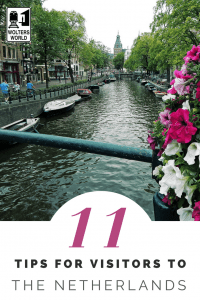
My favorite thing to do in the Netherlands is to walk around and enjoy the Dutch architecture. Of course, there are canals everywhere, and you can take canal tours all over the country. A bike tour is another great thing to do in the Netherlands. In the spring, you can bike through the tulip fields. Mid-April to Mid-May is the best time to visit the Netherlands. It’s so easy to get around the country, too! Go see the historic buildings in Haarlem, or go to the port in Rotterdam. I would even suggest for a solo traveler, or a couple, to stay in Haarlem and just visit Amsterdam for the day. You can save a lot of money that way.


More Netherlands Travel Tips


A few more things you need to know before you visit the Netherlands:


  • Electrical outlets are the same as the rest of Europe, with two round plugs. You just need an adapter for your U.S. electronics.
  • Toilets work the same as back home, and you can flush your toilet paper.
  • You can drink the water here.


Additional Netherlands Travel Resources


Check out some of our other videos about traveling to the Netherlands!
 

  • Ten Things That Will Shock You About Amsterdam
  • Five Things You Will Love & Hate About The Netherlands
  • Free Things To Do in Amsterdam
  • The Don’ts Of The Netherlands

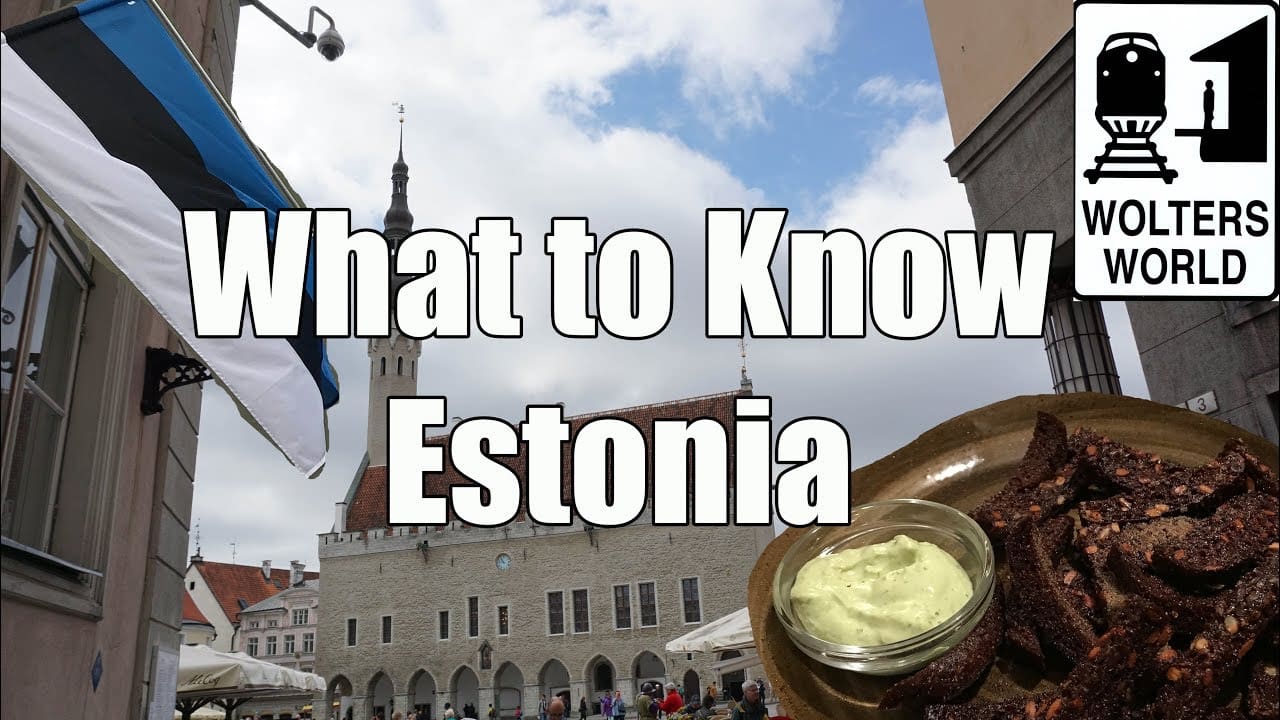
What Tourists Should Know Before They Visit Estonia

Posted on August 15, 2018May 9, 2019 by admin

Know Before You Go: Things You Should Know Before You Visit Estonia

Greetings from Tallinn, Estonia! Today, we’re sharing some tips of things you should know before you visit Estonia. It’s a small country in terms of population, with just over 1.3 million residents, but it’s a great country to visit. There are many things to see in Estonia: beautiful nature, islands to explore and the prettiest city in the Baltics: Tallinn.

Where is Estonia?


The first question most people ask about Estonia is: Where Is Estonia? When you look at a map of Europe, and you see three little countries between Poland and Russia, Estonia is the one in the north along the Baltic sea, above Latvia and Lithuania.


Currency & Technology in Estonia


Estonia is part of the European Union, and therefore uses the Euro. ATM’s are readily available, but most of the time you will pay with cash or pay with your phone. That’s right! Estonia is incredibly tech-savvy, which also means you’ll have WiFi pretty much everywhere you go. Electrical plugs are the same as in Europe, with two round plugs, so bring your adapter!


Language in Estonia


Estonia has a very large Russian population, so Estonian, Russian and English are all spoken here. Most Estonians seem to learn English in school, which is great for tourists because it’s easy to get around without speaking the native language in Estonia.


Getting Around Estonia


Estonia has a pretty decent tourist infrastructure here. The majority of in-country travel is by bus. There are also a few trains that go around to a few of the towns in Estonia.


Prices in Estonia


Compared to other popular parts of Europe, prices in Estonia are very affordable. Tallinn is one of the pricier cities in the Baltics, but the hotel prices are usually only higher on the weekends, when tourists from Finland arrive by ferry.


Safety in Estonia


Estonia is safe in general, even in Tallinn. As with any city in the world, there are places to avoid, so just ask your hotel. While the hotel service isn’t super friendly, they will be able to give you guidance on where to go in Estonia and where not to go. Tallinn is a popular weekend drinking destination, so beware of that.

Estonian Food


I recommend asking the locals where to eat in Estonia. One popular part of Estonian cuisine is the garlic bread, which is a black bread that is fried and served with a green mayonnaise. You’ll also find a lot of soups, a lot of fish, meat and basic, hearty food. The tap water is safe to drink, although it doesn’t always taste great, so we stick to bottled water.


Where to Go in Estonia


There are so many things to do in Tallinn, that it should be the first place you visit in Estonia. Tallinn’s Old Town is a UNESCO World Heritage Site. You’ve got Town Hall Square, St. Mary’s Church, St. Olaf’s Church, plus tons of museums. There’s the Occupation Museum, The Estonian History Museum and the Tallinn City Museum. Outside of Tallinn, there are other places to see in Estonia. Check out the lakes along the Russian border in the East, or the coastline along the Baltic Sea.


Iceland is More Than The Blue Lagoon: What to Know Before You Visit Iceland

Posted on August 14, 2018May 9, 2019 by admin

Everything You Wanted to Know About Iceland Before You Book Your Trip


Greetings from Iceland! Today I’m sharing with you some of the differences between Iceland and the U.S.

Language in Iceland


Icelandic is the official language spoken in Iceland. There’s little chance you will crack the code on speaking Icelandic on your first visit to Iceland. Luckily, English is spoken everywhere in Iceland, even amongst the children. For fun, I recommend learning just a few Icelandic words:

  • Thank You = Takk
  • Bye Bye = Bless Bless
  • Hi = Hae (sounds like hay)


Currency in Iceland


Sometimes you’ll see prices quoted in Euros, but the currency in Iceland is the Icelandic Krona, or ISK. The bills come in 10,000 ISK,  5,000 ISK,  1,000 ISK and 500 ISK. Coins start at 1 ISK, 5 ISK, 10 ISK, 50 ISK and 100 ISK. The best way to get Iceland Krona for spending is at the ATM. Keep in mind that as you drive around the country, it can get very isolated, so you won’t find an ATM in every village. Get the cash you need when you arrive in Reykjavik. Credit cards are also widely accepted in Iceland.


Prices in Iceland


Prices in Iceland can be expensive. Iceland food prices are about 25% higher than food prices in the U.S. Iceland hotel prices are also about 25% higher. Prices in Iceland are not as bad as other some Scandinavian countries like Norway, but be prepared for some higher prices.


Eating in Iceland


Restaurants typically open around 11:00 for lunch and stay open throughout the day. Iceland restaurants don’t usually close between lunch and dinner. If you are driving the Ring Road, you don’t always see a lot of restaurants. Because of this, and the fact that Iceland food prices can be expensive, it’s a good idea to stock up on snacks and lunches at the grocery store before you begin your Iceland road trip. When you do eat at a restaurant, tipping in Iceland is not customary, but you will still receive excellent service.

Driving in Iceland


Your best option for getting around Iceland is to rent a car. I recommend getting a 4WD rental vehicle in Iceland, which gives you more options for exploring off the beaten path and down some dirt roads. Driving in Iceland can be an adventure. Some of the bridges along the Ring Road are one-lane bridges only, with wider sections for passing, so pay attention to oncoming traffic. There is public transportation in Iceland, but the buses don’t run very often, and you won’t have the flexibility to pull off at any landmarks.


Where to Stay in Iceland


Once you plan your Iceland itinerary, the first decision is where to stay in Iceland. There aren’t many hotels in remote places like the Ring Road. Most Iceland accommodations are guest houses which have 4-5 rooms. Many of the guest houses in Iceland have a kitchen you can use, which is a great way to save money in Iceland. In Reykjavik, there are many hotels to choose from.


Safety in Iceland


Iceland is probably the safest place we’ve ever been. There is very little crime, and you don’t need to worry about having your things stolen. Kids run around in the streets, riding their bikes, or hiking trails and parents don’t need to worry like they do elsewhere.


Iceland Time Zone


Iceland is on Greenwich Mean Time, the same time zone as London or Lisbon. Iceland is five hours ahead of New York, and six hours ahead of Chicago.


Toilets in Iceland


Toilets in Iceland look the same as the US, so no worries about finding a hole in the ground. The flushing mechanism might be different, with a plunger that pulls up, or two buttons to choose from. (Hint: big button for big jobs, little button for little jobs!)


Iceland Power Adapter


Electrical outlets in Iceland are the same as most European countries. The plugs in Iceland have two circle plugs. Make sure you have an adapter to charge your electrical devices in Iceland because you’ll be taking lots of pictures!


Things to See in Iceland


In Iceland, you’re not going to see many historic sights. Iceland is all about nature, so you will see a lot of natural history. Some examples include the lagoon full of icebergs, the Blue Lagoon, and the fjords. The scenery in Iceland will blow you away.


Things to Eat in Iceland


We have a video, What to Eat and Drink in Iceland, but here’s quick breakdown:

  • Fish (salmon, cod, trout, char and lobster)
  • Lamb
  • Skyr: Icelandic Yogurt


Also: it’s OK to drink the water in Iceland, and perfectly acceptable to drink water with your dinner. This is another easy way to save money in Iceland.


Additional Iceland Resources


Check out some of our other Iceland videos:

  • Ten Things That Will Shock You About Iceland
  • Five Things You’ll Love and Hate About Visiting Iceland
  • Top Ten Places to Visit in Iceland
  • Tipping in Iceland
  • A Child’s Perspective on Iceland


Don’t forget to buy an Icelandic sweater!


A Few Important Things to Know Before You Visit Sweden

Posted on August 14, 2018May 9, 2019 by admin

Know Before You Go: Differences Between the US and Sweden


Greetings from Stockholm, Sweden! Today I’m sharing with you some of the differences between Sweden and the U.S. When you visit Sweden from the US, you’ll be more prepared with these Sweden travel tips!

Language in Sweden


The official language of Sweden is Swedish, but they also speak English very well. This is one reason I recommend Sweden for first time international travelers who want to visit a non-English-speaking country but be able to get by with only English. If you want to learn a few Swedish phrases, these are easy:

  • Hi = Hej
  • Bye = adjö
  • Thank You = Tack


Money & Prices in Sweden


In Sweden, they tend to prefer credit cards as payment. To avoid any issues, make sure you have a PIN for your credit card or debit card, and try to bring cards that have the chip in them. When dealing with cash in Sweden, the currency is the Krona, SEK or Kr. In 2018, the Swedish exchange rate is about 9 Kr per US Dollar.


Swedish currency comes in bills and coins. There are 1000Kr bills, but beware of those, and ask for two 500Kr instead as it will be hard to spend. The other bills are 500Kr, 100Kr, 50Kr and 20Kr. Coins come in 10Kr, 5k, 1Kr  and .50 Kr.


ATM’s are found throughout the cities, and this is the best exchange rate for withdrawing Swedish currency. There are also exchange houses around, but you won’t get as good of a rate as you would from an ATM. Be sure to call your banks ahead of time to let them know you’ll be using your cards in Sweden!


I find prices in Sweden to be about 20 to 30% more expensive than the U.S. So, it’s fairly expensive, but it’s worth it!


Swedish Restaurants


Plan on spending about $20 – $25 for a meal, without drinks in most Swedish restaurants.


Sweden in general has very good restaurants, especially in Stockholm. There’s a lot of great international cuisine throughout the country, so it’s not always traditional Swedish food at the best restaurants. Traditional food in Sweden includes meatballs and gravy, lots of potatoes, herring served many ways, crispy cracker bread, lingonberries and so much more. Check out our video “Swedish Food: What You Should Eat in Sweden.”


Service in Sweden


Tipping in Sweden is around 5%, but service in Sweden is not that great compared to American standards. You need to be proactive in your needs when it comes to Swedish service. The service isn’t overly friendly or helpful, which isn’t to say that the people aren’t friendly or helpful, you just have to ask for help. Swedish culture is just a little more reserved, but it sometimes gives the reputation of rudeness, which isn’t true.


Watch: Do You Tip in Sweden?

Drinking in Sweden


Try Swedish micro-brews for some good beer. In general, the beer isn’t great in Sweden. If you want something stronger, you have to go to a System Bolaget, which is the government-owned liquor store. These stores close at 1pm on Saturday and are closed on Sunday, so you really need to plan ahead if you want to make cocktails over the weekend. If you prefer to go in Sweden, be sure to dress the part. Many Swedish nightclubs enforce a dress code.


Ask a local for bar, restaurant and beer recommendations in Sweden.


Queuing Up in Sweden


Be prepared for less personal space in Sweden. When you’re waiting in line for something, be right up behind the person in front of you, or you could lose your spot. If you leave too much space in the line, others will assume you’re not waiting in line. We speak from experience on this one, having lost our spot in a breakfast line a few times!


10 Things That SHOCK Tourists about Sweden


Swedish Store Hours


Swedish stores are open on Sundays, which is unusual for Europe. This is a nice change, so you can do some shopping any day of the week.


Electrical Outlets in Sweden


Electrical outlets in Sweden are similar to the rest of Europe, with two round plugs.


Safety in Sweden


Sweden is super safe, with very low crime. There may be occasional pickpockets in big cities or in No Go neighborhoods.


Getting Around Sweden


Sweden has a very good public transportation system. Beware that the trains often run late, and it can be expensive. Sometimes getting public transportation tickets in Sweden can be difficult. It can be frustrating getting hold of a the card you need to load up for access to trains and buses.


Toilets in Sweden


Toilets in Sweden are normal, sit-down toilets. However, flushing can be a bit different. Sometimes, you have to hold the button down to release all of the water needed. Check the bowl before you walk away to ensure you don’t leave any surprises for the next visitor. As you are out and about in Sweden, there aren’t many public toilets. If you do find a public toilet in Sweden, be prepared to pay 10Kr to use it. It’s always good to have a few 5Kr and 10Kr coins in your pocket, should you need to use a public toilet.


Additional Sweden Travel Resources


Sweden is such a cool destination. We’ve got lots more Sweden travel videos to help you get ready for your trip.

5 Love & Hates of Visiting Sweden


5 Love & Hates of Visiting Stockholm


What Every Tourist Should Know Before They Visit Norway

Posted on August 11, 2018May 9, 2019 by admin

Know Before You Go: Understanding Norway


Greetings from the land of the Vikings, Norway! Today we’re sharing some of the differences between Norway’s culture and the US, so you are more prepared when you visit, especially when it comes to the prices in Norway.

Language in Norway


Norwegian is spoken in Norway. It’s similar to Swedish and Danish, but it’s still very different. You might understand a few Norwegian words if you say them out loud, but in general you will have a tough time understanding Norwegian. Don’t worry, though, the people in Norway speak English very well.


Currency in Norway


Norway is not in the European Union, so they do not use the Euro. The currency in Norway is the Norwegian Krone, or NOK, or KR is what is shown on price tags and menus. Krone come in 1000kr, 500kr, 200kr, 100kr, and 50kr. The 1000kr note is pretty uncommon, and if someone gives you one, ask for 2 500kr notes instead as they are easier to spend. The coins come in 1kr, 5kr, 10kr and 20kr. You can use your credit card in most places, but make sure you have a PIN for your credit card. Having your credit card PIN will make transactions go more smoothly and help you avoid any issues. ATM’s in Norway are called a mini-bank and they easy to find in the main cities of Norway.


Prices in Norway


Many people wonder: Is Norway expensive? Yes, prices in Norway are very expensive compared to most European countries. A beer at a bar can cost between $10 and $20, in dollars! When you eat in Norway, you’ll understand why take-away and hot dogs are so popular, because it’s really expensive to eat out in Norway. It’s about 30% more expensive to eat in Norway than it is to eat in the U.S. It’s not just the restaurants in Norway, but hotels and transportation are also expensive.


10 Things That SHOCK Tourists About Norway


Eating in Norway


Traditional Norwegian food includes Elk, Reindeer, Salmon and other fish, cinnamon rolls, and Kvikk Lunsj, a Norwegian Kit-Kat. Tipping in Norway is not required, but a small tip of 5-10% is fairly custom. A service charge is usually already added on to your bill. Drinking in Norway is also expensive, and hard liquor is tightly regulated. Beer and wine is easy to purchase, but everything else has to be purchased at a special liquor store.


Norway Shop Hours


Norway shop hours are similar to other European countries. In Norway, shops are usually closed on Sunday, with shorter hours on Saturday. Store hours are usually 10-6 or 10-8. Just plan to do any shopping during the day and don’t wait until the evening. Museums will sometimes offer extended hours in the summer when the most tourists are visiting.


Electrical Outlets in Norway


In Norway, a power adapter is all you’ll need to charge your devices. Electrical plugs in Norway are the same as in mainland Europe, with two round plugs. Your phone, tablet and computer already have a built-in voltage converter.

Norway Transportation


Public transportation in Norway is very good. You can reach almost any destination in Norway using public transportation. Just know that it’s expensive and can take longer that you would expect. The fjords and the terrain of Norway are beautiful, but getting around them adds time to your travels. The same goes for driving; expect it to take a bit longer to drive around Norway.


What to Wear in Norway


If you are wondering what to wear in Norway, be prepared for cool temps. At the end of May, it’s getting into the 40’s at night, or 6 Celcius. During the day, temperatures are in the low 50’s to high 60’s. Make sure you bring layers to wear in Norway, so that you can remove layers as it warms up throughout the day. Norway winter is very cold, so be prepared for that with warm clothes.


Things to Do in Norway


If you visit Norway in the winter, make sure you go skiing and go see the Northern Lights. One of the best things to do in Norway is to go see the fjords, they are gorgeous!


Safety in Norway


Norway is very safe, so safety is not something to worry about on your Norwegian vacation. As with any large city, if you are out late in Oslo or Bergen, keep an eye out, but the worst you’ll likely see are some drunks or beggars. In general, Scandinavia is a very safe region of Europe to visit. I always recommend Scandinavia as a great destination for first-time international travelers, because it’s safe and English is widely spoken.


Additional Norway Travel Planning Resources


I hope this helps give you a good idea of the differences between Norway and the United States, so you can enjoy your Norwegian vacation. Check out our other videos for travel tips   on Norway:

5 Love & Hates of Visiting Oslo, Norway


What to See in Oslo


What Every Tourist Should Know BEFORE They Visit The Czech Republic

Posted on August 9, 2018May 9, 2019 by admin

Know Before You Go: Differences Between the US and the Czech Republic


Greetings from Prague in the Czech Republic or Czechia! I’m here in front of the Charles Bridge and Castle Hill, plus other fabulous sites here. In the US, we don’t really learn much about the Czech Republic, so I wanted to share some things about Czech Republic culture that you should know before you visit the Czech Republic.

Language in the Czech Republic


The language in the Czech Republic is Czech, which is nothing like German, English or Spanish. Czech isn’t a language that’s taught in U.S. schools, so it’s unlikely you’ll know how to speak or even read the language in the Czech Republic. You can learn a few words online before you come, for example pivo means beer. Most young people in the Czech Republic learn English and often German, so you can probably get by OK, especially in the heavily touristy areas.


Money in the Czech Republic


Czech Republic currency is the Czech Korun. You’ll get approximately 20 Korun to 1 US Dollar, or 27 Korun to 1 Euro. The Czech Republic is generally a little bit cheaper than Germany, but it’s not Eastern Europe, it’s Central Europe, so you’re not going to find Eastern Europe prices in the Czech Republic. Prices are about 20% less than what you would pay in the U.S. For example, a half-liter of beer in the Czech Republic will be about $2, vs $3 to $5 in the U.S. This is the tourist price, though. You can get beer a lot cheaper than that in the Czech Republic.


You’ll see exchange houses all over the place, but I don’t recommend them. I suggest going to a real bank or for the best exchange rate, go directly to an ATM machine. One thing to note about ATM’s, though, is that you will typically get large denomination bills. Because of this, try to take out small withdrawals to get smaller bills. In most places, you can use a credit card, but like everywhere in Europe, cash is king!


Czech Republic Food


Lunch in the Czech Republic is around the same time as in the US, around 12:00 or 1:00. Dinner tends to be a little bit later, around 7:00. Restaurants are busiest between 6:00 and 8:00.  Czech cuisine has a lot of pork, dumplings, duck. There’s a lot of great food in the Czech Republic. If you find you don’t like the Czech cuisine, many restaurants will have Italian or American food.


Toilets in the Czech Republic


Toilets in the Czech Republic work the same way as in the U.S. Most toilets you can flush your TP right down the drain, but in some smaller villages you might see a little trash can next to the toilet for your TP as the sewer system might not be able to handle paper. This is becoming less and less common, but it’s something to be aware of.

Tipping in the Czech Republic


Tipping in Prague, and the rest of the Czech Republic is 10%. If you have bad service, a tip isn’t necessary, but generally plan to tip around 10%. In the US, tipping is between 15% and 20%.


Shopping in the Czech Republic


When can you go shopping in the Czech Republic? 9:00 am until 6:00 pm, Monday through Friday, are the general shopping hours in the Czech Republic. In the tourist areas, stores will have longer hours for you to shop.


Electrical Outlets in the Czech Republic


The outlets in the Czech Republic are similar to the rest of Europe, with two circle prongs. Don’t worry if the wall outlet has an extra metal piece, it will still work with your EU adapter.


Additional Resources


I hope these tips prepare you for your first trip to the Czech Republic. For more Czech Republic travel resources check out some of our other videos!

Top 10 Sights in Prague


5 Love & Hates of Visiting The Czech Republic


Everything You Should Know Before You Hit Vegas for the First Time

Posted on August 8, 2018May 9, 2019 by admin

What to Know BEFORE You Visit Las Vegas


Greetings from the Strip in fabulous Las Vegas! Today we’re sharing things you should know before you visit Las Vegas. When you are planning a Las Vegas vacation, there is a lot of information online about the shows and the sights, but there are little things you also need to know that aren’t always shared online. These are the Las Vegas secrets I wish I would have known before I came to Las Vegas for the first time.

Things to Do in Las Vegas


Gambling is the main attraction of Las Vegas, and it is everywhere. There are non-gambling things to do, but if you’re not into gambling, you can get bored after a few days. If you are visiting Vegas on a budget, there are free things to do in Las Vegas. The Bellagio fountain show is every 30 minutes during the day, and every 15 minutes in the evening. The Mirage volcano erupts at 7 and 8pm every day, plus a 9:00 show on the weekends. I recommend walking around inside some of the hotels and checking out sights like the canals at the Venetian or the Forum shops at Caesar’s Palace.


If you are in downtown Las Vegas, I recommend visiting the Mob Museum. It’s really well put together and super interesting if you want to learn about the history of the mob. The Neon Museum is a graveyard of old neon Las Vegas signs. In general, there aren’t many cultural museums in Las Vegas. The Bellagio has a conservatory with flowers and Circus Circus has the circus performers, but overall you’ll run out of non-gambling things to do after a few days. Gambling is 24/7 and it’s everywhere – from the restaurants to the grocery stores and the airports.


Las Vegas is Expensive


When you do find things to do in Las Vegas, it will get expensive. You can get here with cheap flights, but things cost more in Vegas than you might expect. $9 buffet dinners are not so common in Vegas anymore. At a nicer restaurant, be prepared to spend $25 or more for your dinner entree, plus alcohol which can be really expensive. You can only get comp drinks when you are gambling, so look for bars with happy hour specials and drink specials if you are visiting Vegas on a budget. Even if you don’t like gambling, play the penny slots to get the comp drinks, but make sure you tip the waitress so she comes back with more drinks.


Tip: Eating and/or staying off the Strip is an easy way to cut costs.


Tipping in Las Vegas


The culture in Las Vegas is very tip-dependent, so plan to spend a lot of money tipping. You’ll tip the bellboys a couple of dollars when they take your bags to the room. You’ll tip the tour guides for any tours you take, plus 15-20% to your waitstaff and a few bucks a day to your hotel attendants. This can all add up, so plan for it, and make sure you have small bills of cash on hand.

Tipping in Vegas Explained


Getting Around Las Vegas


A taxi in Las Vegas can be quite expensive, and they do not have the best reputation. From the airport to the Strip will cost you about $40. To take a taxi from the Strip to downtown Las Vegas, and the Fremont area, plan to spend another $20 for a taxi. When you use a credit card to pay your taxi, you’ll have the options to tip 20, 30 or 40 per cent. Look for the button that says “other” – be aware that this option is in dollars, not percentage.


It’s easy to walk around the strip, but it can get tiring after a while as the strip is pretty long. If you want to use public transportation in Las Vegas, you have a couple of options. The Deuce is a double-decker bus. The bus is a really cheap option for getting around Las Vegas. You can buy a day pass ($8) or a 3-day pass ($20.) Tickets are easy to buy and the bus stops all along the strip. The drivers are also super helpful, so if you’re not sure where to get off the bus, just ask the driver.

Things to Do Off the Strip


If you want to get off the Strip in Las Vegas, there are some fun day trips from Vegas. You can go hiking at Mount Charleston, which is at a higher elevation so it’s much cooler if you want a break from the heat. You can visit Hoover Dam, Lake Mead, and Red Rock Canyon. You can do just about anything in Las Vegas – from shooting high powered weapons at a range, to renting a super-fast sports car.


Eating in Las Vegas


One of the things I love about Las Vegas is the food. You can eat very well here. There are so many great restaurants in Las Vegas – from mid-priced to expensive. You can find all kinds of cuisines in Las Vegas – from French, Italian, American, Ethiopian – it’s all here. Service in Las Vegas is pretty good because they rely on tips for their income. Service can get a little bit over the top sometimes, so be aware of that. When deciding where to go based on price, it pays to spend a little more for the nicer place.


10 Things That SHOCK Tourists about Vegas


Hidden Fees in Las Vegas


There are a few hidden fees you’ll encounter on your Las Vegas vacation. Many of the larger hotels charge a resort fee. This isn’t shown on your booking in your room rate, and can be as high as $35 per night. The resort fees are charged for the privilege of using the pool or the WiFi, but are not something you can opt out of.


ATM fees in Las Vegas are very high. If you withdraw money in the casinos, you can pay as much as $6 per ATM transaction. For this reason, I recommend bringing all the cash you need, and storing it in your hotel room safe while you are out.


Parking is usually free in Las Vegas, however driving in Las Vegas can be frustrating. If you are driving to Las Vegas, call your hotel ahead of time and ask them the best route to the hotel so that you aren’t stuck in traffic along the strip. This can save you a lot of time and frustration.


Las Vegas Shows


You can go to shows in Las Vegas and there are many to choose from, including the big shows like Celine Dion or Britney Spears. If you want to see one of the big shows, be sure to book your tickets ahead of time otherwise you might not get into them. There are also Las Vegas shows for kids, and shows during the day, which you can usually buy tickets when you get to Las Vegas. Make sure you confirm the start time of the show, and if you are not sure which Las Vegas show to choose, ask your concierge.


Smoking in Las Vegas


Unlike most parts of the U.S., smoking is everywhere in Las Vegas. It’s just part of the scene here that you have to get used to. Expect to have smokers around you, especially in the casinos. With all of the drinking that goes on in the casinos, don’t risk getting in a fight by complaining about smoke.


The Seedy Side of Las Vegas


Around 7pm, Las Vegas can transform from entertaining to questionable. You’ll see lots of guys who have already had too much to drink. Just avoid them, don’t cause any trouble. Prostitution is illegal in Las Vegas, but you’ll still see things that might make you uncomfortable. They hand out cards for escorts just like baseball cards on the strip.


Safety in Las Vegas


The biggest hazard in Las Vegas is the traffic. Be careful when you are crossing the streets. There are crosswalks and pedestrian bridges that go up and over the road. These are the safest ways to cross the streets in Las Vegas. They have escalators and elevators so anyone can use them. If you get hit running across the street in Las Vegas, it’s your fault.


For safety, I recommend to stay on the Strip when walking around at night. Don’t wander around behind the hotels as those are not good areas. Between the Stratosphere and downtown, there are some areas where you might feel uncomfortable. Especially late at night, don’t be wandering around. Use a taxi, Uber or Lyft.


The weather in Las Vegas can be extremely hot in the summer, with temperatures reaching 115-120 F. Don’t forget to bring your sunblock! Even in the winter, it can be warm, and the sun is very strong. Spend time indoors, and be sure to drink enough water to stay hydrated. Since you are in the desert, it can go from warm during the day to very chilly at night. Make sure you wear layers to stay warm once the sun goes down.


The people of Las Vegas can be crazy. This can range from crazy fun to crazy questionable. Don’t be too trusting of people in Las Vegas. There are a lot of scams out there, and even the concierges work on kickbacks. They might not give you the whole picture when you are looking to book tours. For example, the Hoover Dam bus tour is not worth it, it’s way longer than they will tell you. If you want to visit Hoover Dam from Las Vegas, just rent a car and go on your own.


Las Vegas Tours


A lot of the tours you might book, such as the Grand Canyon, or Hoover Dam, can be very frustrating. Generally, buses will collect you from your hotel and bring you to another location, where you’ll wait for more buses to arrive and you might spend 30 minutes waiting there. For our Hoover Dam tour, we were picked up at 8:45, but we didn’t actually leave Las Vegas until around 10:30. If you want to book a tour from Las Vegas, check Trip Advisor reviews. This also goes for getting restaurant recommendations from the bellboys or concierges. We tend to rely on Trip Advisor reviews as a more realistic picture of where to eat in Las Vegas.


Visiting Las Vegas With Kids


Many people wonder if Las Vegas is a family friendly destination. While Vegas has become more than just gambling, I really don’t recommend bringing kids to Las Vegas. There are lots of interesting people wandering the streets of Las Vegas, including barely-dressed women. It depends on what you want to expose your kids to, and how much explaining you want to do.  Older kids may be easier to bring to Las Vegas. That said, there are things to do with kids in Las Vegas. There’s a children’s museum, the Discovery Museum and some family-friendly magic and comedy shows like Mac Harrah’s. Kids can get a kick out of the various hotels and think they are in Paris or Venice. If you do decide to visit Las Vegas with kids, I recommend renting a car and spending some time off the Strip as well.

Vegas for Kids


I hope this helps you prepare for your first trip to Las Vegas. Las Vegas is definitely worth a visit, especially if you love gambling. If you like to gamble, you can stay in Las Vegas indefinitely. If you don’t love gambling, come for a long weekend. Check out our other Las Vegas videos:


Five Things You’ll Love and Hate About Las Vegas


Free Stuff to Do in Vegas


5 Things You Have to Eat in Brazil

Posted on August 5, 2018May 9, 2019 by admin

The 5 Things You Have to Eat in Brazil


Comida Brasileira, Brazilian Food! Brazil is full of delicious meats, fruits, and specialties. Here we go through six overall tasty treats you should have when you come to Brazil. The best of Brazilian food, so you know what to eat when you visit Brazil.


The Lanches: the snacks like Pao de Quiejo (cheese bread), Coixinha do Frango (fried chicken dough ball), and such that go great with a Chop (draft beer) or a Caipirinha (the local Brazilian mixed drink), and if you don’t like alcohol the drink of brazil is Guarana.


The Meats: Brazil is full of great meat and the most famous meats you will have at a Rodizio or Chrassasco. Here they walk around with many different types of meats from chicken hearts to ribs, but the most important is Picanha, a specific kind of Brazilian cut of meat.


The Fruits: Brazil is full of amazing fruit and many you might not have heard of. Visit a market and try fruit you never saw before and have juices made fresh just for you.


The Sweets: those fruits go well into many of the bolos (cakes) that are in Brazil, but if you want some chocolate have Brigadeiro, a chocolate made with sweetened condense milk. There are also traditional favorites like doce de leite (cream caramel) or doce de abobara (sweetness of pumpkin).


The Local Dishes: each region in Brazil has its own specialities so make sure you are trying what is popular where you are. The south is famous for its beef. The northeast is great for seafood. Bahia has acaraje a bean paste taco kind of dish with shrimp inside. Sao Paulo has its own mortadella/bologna sandwich, or chicken cooked in its own blood in Minas Gerais.


Beans and Rice: beans and rice will appear on the menu again and again and even if you didn’t order them expect beans and rice. They are a staple of the Brazilian food culture. Some typical dishes that highlight these are Caldo de Feijao which is a bean soup/stew dish you have as a starter. Feijoada which is the Brazilian bean stew you will have served with rice, kovi, fried banana and with a ice cold chop (beer).

Filmed in the Mercado Municipal in Sao Paulo, Brazil

Copyright Mark Wolters 2018


10 Shocks of Visiting Brazil


The Don’ts of Sao Paulo


Everything You Wanted to Know About a Cruise, But Were Afraid to Ask

Posted on August 3, 2018May 9, 2019 by admin

What to Know Before You Take Your First Cruise


Greetings from Croatia! We’re here on a European cruise, so today we’re going to share ten tips for anyone considering a first time cruise. These tips apply for European River Cruises, mega-Caribbean or Mediterranean cruise ships, or even the QEII across the Atlantic.

First Time Cruise Tip #1: Don’t Miss the Boat!


When you are out and about enjoying the port cities, make sure you get back to your cruise ship on time! The ships will not wait for you; they will leave you in the port. So make sure you give yourself plenty of time to get back to the ship, or the tender that brings you back to the ship. A very small cruise may give you more flexibility, but the larger the cruise ship, the less likely they will wait for you. You will have to make your way to the next port city, at your own cost.


First Time Cruise Tip #2: Research, Research, Research!


Not all cruises are the same. There are hundreds of different kinds of cruises out there. Cruise ships can range from 50 passengers to 5000 passengers. We chose our current cruise based on the itinerary. Pay attention to the ports of call and make sure they are something that interests you. Cruise ships sometimes cater to specific demographics or nationalities. Be sure to look for this information in your cruise planning, too.


Also consider the entertainment available on board the cruise ship. Some of the bigger cruise ships have casinos and movie theaters, shows and lectures, in addition to excursions at your ports. Shore excursions can range from leisurely walking tours to extreme adrenaline adventures.


First Time Cruise Tip #3: Cruise Ship Cabins are small!


Space is typically limited in cruise ship rooms, and you won’t have a lot of storage space. This is a good reason to pack lightly. Electrical outlets are also at a premium. Many cruise ship rooms will only have one outlet for charging all of your electronics. Be sure to bring a power strip you can use to charge multiple devices in your cruise ship cabin.


Air freshener is also a good idea, since you are in close quarters with the bathroom, especially if you are sharing your cabin with other people.


            Watch: What to Pack for a Cruise


When you choose your cabin location, avoid being near the restaurants, bars, clubs and the pool. These areas will be noisier than others. However, if you have limited mobility, you may choose to be near these areas. Some cruise ships are huge, and it can take a long time to get from one end to the other.


First Time Cruise Tip #4: Seasickness


Unless you are on a river cruise, you should be prepared for seasickness. There are many remedies for seasickness. There are sea bands, which use acupressure on your inner wrist. There are patches you can put behind your ear, and then there is Dramamine which you can buy over-the-counter. If you prefer a more natural approach, ginger is also supposed to help with seasickness.


Cabin location can also affect your experience with seasickness. A mid-ship cabin near the water line has the least amount of movement, which can lessen your chance of seasickness.


First Time Cruise Tip #5: Cruise Food


Be prepared to eat a lot of food on the cruise. Try to pace yourself if you can. Many cruises include a buffet in the cost of the cruise, but will also have nicer restaurants that you can upgrade to. These nice restaurants are usually worth the splurge at least one night on your cruise. On smaller ships, you might have a specific time to eat, or a specific table to sit at.


First Time Cruise Tip #6: Cruise Ship Packing

Pack everything you need for the first day in your carry-on bag. Especially on the larger ships, you may not get your luggage for several hours after boarding. Keep your swimsuit, electronics and medicine with you so you don’t have to wait to enjoy the facilities.


First Time Cruise Tip #7: Tipping on a Cruise


The tips and gratuities you give on a cruise ship make a huge difference in the lives of the staff of your cruise. Some cruises will automatically include gratuity in your bill, so make sure of this ahead of time. It never hurts to leave a little extra, though!


First Time Cruise Tip #8: Leave Flammables at Home


The number one danger on a cruise ship is fire. Don’t bring anything that can cause a fire. That goes for candles, hot plates or irons. Many cruise ships will scan your bags, just like the TSA, and will confiscate anything against the guidelines.


Similarly, cruise ships may limit the amount of alcohol you can bring on board. Some boats will allow a bottle of wine, but no beer or hard liquor, some ships have no limits and other don’t allow any outside alcohol. Make sure you know the rules ahead of time.


First Time Cruise Tip #9: There are Always Extra Costs


The cruise ship cost that you pay up front seems to be all-inclusive, but there are always extra costs. Any shore excursions you choose will cost extra. The drink package that includes unlimited alcohol will cost extra. However, if you choose to pay for drinks as you go, that can also add up quickly, resulting in sticker shock at the end of your cruise. Check out the drink packages ahead of time to decide which one makes more sense for you. You can also decide once you arrive if you want to upgrade your drink package, or even upgrade your room if the ship isn’t full.


Check out the excursions you want to do, and then also consider a private tour guide that is not arranged by the cruise ship. While some of the cruise ships have excellent guides for their excursions, you might want to get away from the crowds and enjoy a private experience.


First Time Cruise Tip #10: If You Need Anything, Ask the Ship’s Crew


Whether you have questions, concerns, or you need medicine, ice, a power strip or headphones, ask the people on the ship. The cruise ship crew are here to help you, and often will do whatever they can to make your vacation a success.


A Few Things You Should Really Know BEFORE You Visit Canada

Posted on August 2, 2018May 9, 2019 by admin

What To Know Before You Go: Canada


Greetings from Ottawa, Canada! Today we’re sharing some of the differences, and similarities, between Canada and the U.S. A lot of people around the world assume that Canada and the U.S. are pretty much the same, while others assume the two countries are wildly different. I’ve got some of the differences and similarities that are important for tourists, so you are better prepared for your Canadian vacation.

Language in Canada


In Ontario, English is the official language. However, just next door in Quebec, the official language is French. In Canada, English and French are both official languages. English is widely spoken throughout Canada, while the French language dominates in Quebec. In Quebec, the street signs will be in French, while other parts of Canada may show both English and French, or only English. The closer you get to Quebec, the more French you will see and hear.


Costs in Canada


Canada prices are about 20% more expensive than the U.S., on average. Of course, this will vary by city, and large cities such as Toronto and Montreal will be more expensive, just as U.S. cities like New York and Chicago are more expensive. Just like in the U.S., Canada has a sales tax, which varies by province. Total sales tax in Canada is around 13%. (vs. 9% for the U.S.)


ATM’s are easy to find in Canada. You will pay an ATM fee, but it’s typically slightly less than in the U.S.

The Don’ts of Vancouver


Currency in Canada


Like the U.S., Canada also uses dollars, and the denominations of Canadian dollars are similar to US dollars. Below the $5 bill, you’ll see some differences. In Canada, they have a $2 coin, or a twoonie, and a $1 coin, called the loonie. So, Canadian coins are actually valuable, unlike in the U.S. so keep track of them.


Tipping in Canada


Just like in the U.S., tipping in Canada is expected, and generally in the 15-20% range. Because servers rely on tips, unlike in Europe, you will generally have pretty good service in Canada.

Eating in Canada


Canada has a lot of similar style foods as the U.S. because it’s also a multicultural country. You’ll see a lot of Italian, Chinese and Mexican food in Canada. One difference between the countries is that the U.S. treats itself as a melting pot of cultures, while in Canada the differences in cultures are celebrated, and people are encouraged to maintain their ethnic cultures. Because of this, you’ll find great Chinatown and Little Italy districts in the larger Canadian cities. I highly recommend eating as much poutine as you can while in Canada, as it’s unique to Canada and not found very often in the States.


Driving in Canada


In Canada, speed limits are in kilometers per hour, so beware of the change, especially if you drive from the U.S. into Canada. Drivers in Canada are more slow and easy going. There seems to be less road rage in Canada. The traffic lights are also slightly different than in the U.S. Sometimes you’ll see two red lights, or they may be in different shapes. The biggest difference, though, is the flashing green light, which means only that lane of traffic has the right of way.


In keeping with the metric system, Canada also uses liters instead of gallons. So, when you are purchasing gasoline, the price is displayed in liters. There are 3.75 liters to the gallon, so the gas isn’t as cheap as you might think when you first see the signs.


Electricity in Canada


Canada uses the same voltage and electrical outlet configuration as the U.S. Electronics from the U.S will work in Canada, and vice versa so you won’t need a current converter or outlet adapter when visiting Canada from the U.S.


We love visiting Canada! My kids have a great time, and the people in Canada are super friendly. It feels much safer than many places in the U.S., and Canada has really cool architecture.


Additional Resources for Canada Travelers


Check out some of our other videos about traveling in Canada!

  • Five Things You’ll Love & Hate About Canada
  • Top Ten Sites in Toronto

Five Things You’ll Love & Hate About Quebec City


10 Ways Canada and the USA Are The Same


  • Previous
  • 1
  • …
  • 19
  • 20
  • 21
  • 22
  • 23
  • 24
  • 25
  • 26
  • Next

Hey There Fellow Travelers

If you want HONEST Travel Advice from travelers who have been there, this is the Travel site for you. We focus on giving you the best & the worst parts of traveling, the cultural differences, the do's and don'ts and so much more. Please join us on our journey to help other travelers. Happy Travels!

Wolters World is a participant in the Amazon Services LLC Associates Program, an affiliate advertising program that is set up to help us to earn fees by linking to Amazon.com and affiliated sites.

©2026 Wolters World
This website uses cookies to improve your experience. We'll assume you're ok with this, but you can opt-out if you wish.Accept Read More
Privacy & Cookies Policy

Privacy Overview

This website uses cookies to improve your experience while you navigate through the website. Out of these, the cookies that are categorized as necessary are stored on your browser as they are essential for the working of basic functionalities of the website. We also use third-party cookies that help us analyze and understand how you use this website. These cookies will be stored in your browser only with your consent. You also have the option to opt-out of these cookies. But opting out of some of these cookies may affect your browsing experience.
Necessary
Always Enabled
Necessary cookies are absolutely essential for the website to function properly. This category only includes cookies that ensures basic functionalities and security features of the website. These cookies do not store any personal information.
Non-necessary
Any cookies that may not be particularly necessary for the website to function and is used specifically to collect user personal data via analytics, ads, other embedded contents are termed as non-necessary cookies. It is mandatory to procure user consent prior to running these cookies on your website.
SAVE & ACCEPT