Wolters World

Honest Travel Advice

Menu
  • Destinations
  • Don’ts of Traveling
  • Travel Tips
  • Shop
  • About
  • Work with Us
Menu

Author: admin

10 Things Tourists Should Not Do in Mexico

Posted on December 14, 2018May 9, 2019 by admin

Mexico Travel Tips: Ten “Don’ts” of Visiting Mexico

Hola from Cancun, Mexico! Mexico is near and dear to us, and we’ve spent a lot of time visiting Mexico. There are so many awesome things about Mexico: the people, the food, the scenery and so much more! But today, we’re focusing on the things travelers should not do when visiting Mexico.

Mexico Travel Tip #1: Don’t Mess With Montezuma


Montezuma’s Revenge is the real deal. (In case you don’t know, Montezuma’s Revenge is the name for traveler’s diarrhea in Mexico.) Travelers should avoid this if possible. The easiest way to do this is to avoid drinking tap water. It has to be bottled water. It’s also a good idea to check the seal when you purchase bottled water, to ensure it hasn’t been refilled. This also applies to the ice in Mexico. Big resorts in places like Cancun and Cabo will have filtered ice, but it doesn’t hurt to ask. Think about anything else that uses water and be cautious with washed vegetables, unpeeled fruits, etc.


Mexico Travel Tip #2: Don’t Lose Your Immigration Card


Travelers arriving in Mexico will receive an immigration card. It’s typically something that gets filled out on the plane, and upon arrival, the bottom card will be stamped and returned to you. You’ll need this when leaving Mexico, so be sure to keep it in a safe place during your travels. If the immigration card is lost, it’s possible to get a new one at the airport, for a fee.


Mexico Travel Tip #3: Don’t Expect Mexican Food to Be the Same as Back Home


The names may be the same, but the food in Mexico will be very different from, say, Taco Bell in the States. The Mexican food in the States pales in comparison to the Mexican food in Mexico. Don’t just order the familiar items like tacos or quesadillas. Try some new things, like flautas, enchiladas, gorditas or sopes. Even within Mexico, there are many regional dishes, and those are usually really good to try. Just ask the locals what the regional specialty is.

Mexico Travel Tip #4: Don’t Forget to Brush Up on Spanish Before Arriving


Yes, in some places like Cancun or Cabo, English is widely spoken, but even then, Spanish can come in handy. Anyone traveling inland in Mexico needs to know a few basic Spanish phrases. People in Mexico are really fantastic, and they really open up when a visitor speaks a little bit of Spanish.


Watch: Ten Spanish Words Travelers Should Know


Mexico Travel Tip #5: Don’t Forget to Tip


Much like the U.S. people working the service industry in Mexico rely on tips for the bulk of their income. Waiters and bartenders should get 10-20% tip, and for credit card transactions, sometimes it’s automatically added. Cleaning staff at the hotels also rely on tips, and it’s recommended to tip between 50-100 pesos per day.

Mexico Travel Tip #6: Don’t Take the First Price


Haggling is a big part of shopping in Mexico. Any markets or street vendors will quote a higher initial price, with the expectation that some haggling will take place. This also applies to taxis, where prices are negotiated before the trip begins. Constant bargaining can get annoying after a while, but it’s just part of shopping in Mexico. In the very touristy areas of Mexico, even tour prices can sometimes be negotiated.


Mexico Travel Tip #7: Don’t Miss the Chance to Hang Out With Locals


With just a little bit of Spanish, the people of Mexico are very open and friendly, wanting to share their country and culture with visitors. I once met several Mexican girls who spent three days showing me around Guadalajara, and even took me to their grandmother’s house to eat. Anytime you have a chance to hang out with locals, don’t pass it up! (While the Mexican people are very friendly, the same can’t always be said for the stray dogs running the streets. Don’t pet them!)


Mexico Travel Tip #8: Don’t Drive, Especially at Night


Unless driving is absolutely necessary, it’s not recommended for tourists. The public buses between cities are really good, so driving isn’t really necessary. For travelers who choose to drive in Mexico, don’t drive at night. In the mountains, extra caution is required. Roads can be dangerous, but you also might run into some unsavory or unethical police who can shake you down for cash.


Mexico Travel Tip #9: Don’t Lick It, Slam It, Suck It


When drinking tequila in Mexico, it’s better to sip and enjoy it rather than downing shots as we’re used to in the States. The tequila in Mexico is so good, and smooth, you will want to savor it rather than slam it. For those who prefer to mix their tequila, there’s usually a grapefruit soda available and it’s really tasty!


Mexico Travel Tip #10: Don’t Think Cabo & Cancun Are Representative of Mexico


There is so much more to Mexico than the big tourist resorts. This is like assuming all of the U.S. is like Orlando or New York. Places like Cabo and Cancun are geared towards tourists, with a lot of Mexican culture stripped away. Travelers who venture beyond the tourist resort areas are rewarded with the “real Mexico.” Tourist resorts are great, too, but there’s so much more to see around Mexico.

Don’t worry about having a great time in Mexico! It’s practically guaranteed, with all the great people, food and culture to experience. For more Mexico travel tips, check out some of our other videos and blog posts:


  • Five Things You’ll Love & Hate About Visiting Mexico
  • Ten Things That Will Shock You About Cancun
  • The Don’ts of Cancun
  • Five Things You’ll Love & Hate About Cancun
  • What You Should Know Before You Come to Mexico

The Best Christmas Market Foods To Try

Posted on December 13, 2018May 9, 2019 by admin

Five Christmas Market Foods You Must Eat

Merry Christmas from Germany! By now you know that we love visiting the Christmas markets in Europe, especially the German Christmas markets! So,we wanted to share the five things you must eat at the German Christmas markets. Whether you’r in Munich, Berlin or a smaller German town, these classic Christmas market foods will be served up at all of them.

Christmas Market Food #1 Glühwein

The first thing you have to try at a German Christmas market is the glühwein. It’s a hot,mulled wine. A lot of times, the glühwein comes in a cute little ceramic mug. It’s usually cold at the Christmas market, so a hot drink is essential for staying warm. (When you buy your glühwein, you’ll be charged a deposit on the mug. Return the mug to get your deposit back, or keep it for a souvenir.)

Christmas Market Food #2 Bratwurst

One of the things I love about the Christmas markets is the half-meter bratwurst. Even the smaller ones are really tasty, so make sure you try a bratwurst at the Christmas market. (I like mine with mustard!)

Christmas Market Food #3 Gingerbread

After a bratwurst and some mulled wine, you’ll be ready for some sweets. One of the favorite treats at the Christmas market is the gingerbread,or lebkuchen. It’s a bit spicier in Germany than in the US, and they come in all sorts of shapes and sizes. The small ones are great to eat; and then there are giant hearts, but I find those aren’t as tasty.

Christmas Market Food #4 Nuts

You’ve got to “go nuts” at the Christmas markets. There are two kinds that I recommend trying. If you can find roasted chestnuts, get them! The candied almonds, or gebrannte mandeln, are also fantastic! Eat them when they are warm; it’s delicious!

Christmas Market Food #5 Schmalzkuchen

Another classic Christmas market food is the schmalzkuchen. These are little fried pieces of dough with powdered sugar. They’re the Christmas market version of donut holes. If you like then, then you’ll also want to try the Quarkbällchen, which is a bigger version.

Christmas Market Food #6 Regional Specialties

The five Christmas market foods above can be found across Germany. However, each region will also have specialty foods that you should try. In Dresden, they are known for Stollen, a dense fruity bread. Other parts of the country will have other specialties, so find out what’s unique where you are, and give it a shot!

For more tips about Christmas in Europe, check out these blogposts and videos:

  • Unique European Christmas Traditions
  • Five Things You’ll Love & Hate About German Christmas Markets
  • Five Things You’ll Love & Hate About Christmas in Europe
  • The Don’ts of Visiting Christmas Markets

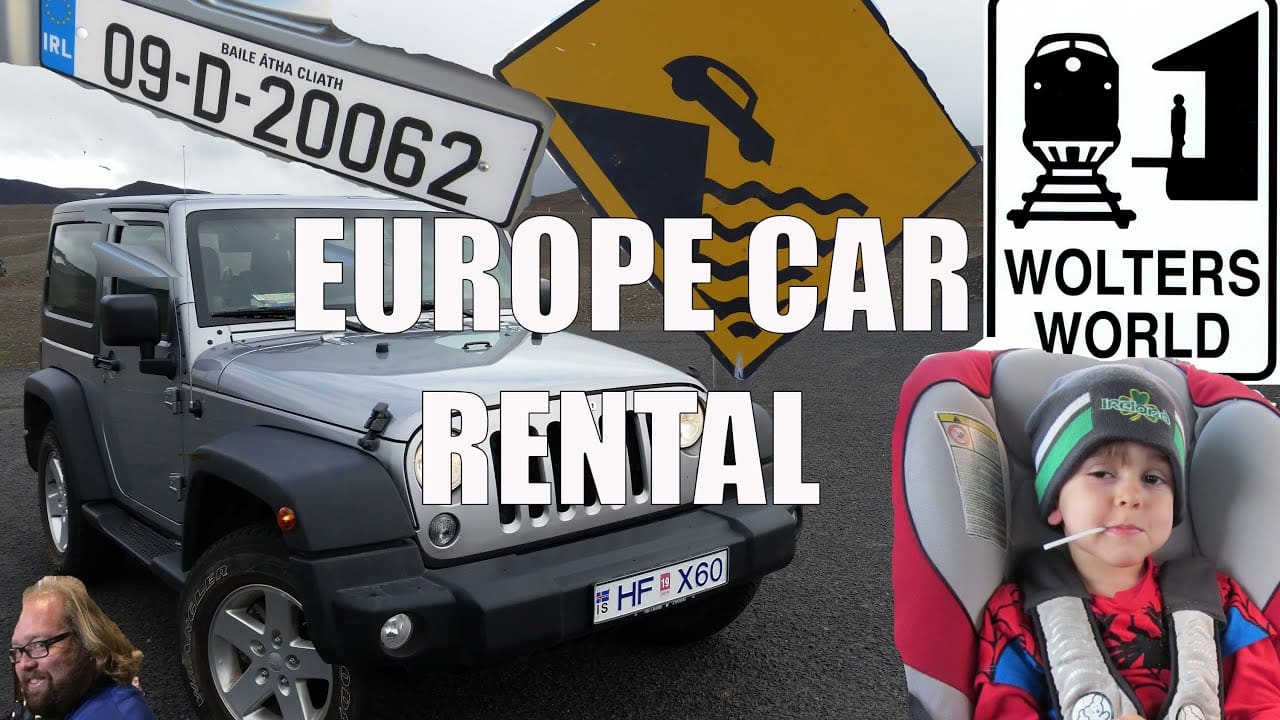
Everything You Need to Know About Renting & Driving a Car in Europe

Posted on December 12, 2018May 9, 2019 by admin

Driving in Europe: Tips for European Car Rental

Bonjour from Avignon, France! We have been driving around Provence, which is a beautiful area of France. However, you really need a car to get around Provence, which prompted us to think about the things travelers should know when renting a car in Europe. Here are our tips and advice for renting a car in Europe, as well as for driving in Europe.

Roads Are Narrower Than in the U.S.


Roads in Europe are much smaller than what we are used to in the U.S. There are fewer 4-lane mega highways or extra passing lanes, and just generally smaller roads.


Cars Are Smaller Than in the U.S.


Along with smaller roads comes smaller cars, and smaller trunks. Most rental cars in Europe will be manual transmission. Automatic transmission may be available, but will incur a premium charge. With a smaller trunk, it will be difficult to put several large suitcases in the car. Be prepared for this, and try to pack as light as possible.


There is Always Traffic


The U.S. has large swaths of land with no other traffic to speak of. In Europe, there are almost always other drivers around, and often a lot of traffic. This means you won’t find any cruise control on European rental cars, because there are few places you could actually use it.

Multiple Global Chains & Local Companies Offer Car Rental in Europe


Check around a bit before your trip. You can rent from the global chains you know, like Hertz or Enterprise, or Europcar. The smaller, local companies usually have better deals, but lack all of the extra coverage you would expect from the larger companies. If you are visiting Europe with kids, make sure you reserve a car seat with the car, or bring your own. The GPS is also well worth the expense. Make sure you have the rental agency set the language to English before you drive off.

Make Sure You Have Car Insurance


Some companies will cover you abroad, while others do not. I recommend purchasing some level of insurance to avoid out of pocket expenses. Since every policy and insurance company is different, it’s best to contact your agent directly before you leave for the trip.


Getting an International Driver’s License May Be Required


Some countries may require an international driver’s license. It’s basically just a translation of your U.S. driver’s license, and you can get one at AAA. It’s inexpensive and can give you peace of mind if you aren’t sure if you’ll need one or not. In some destinations, an international driver’s license isn’t required. In France and Germany, it’s not required, however we did have to show one in Greece. There are also different versions of the international driver’s license, so you may need a different one for South America than what you use in Europe.


Getting Gas In Europe


Diesel fuel is much more popular in Europe than in the U.S. When you rent a car in Europe, make sure you know which type of fuel it requires. Your credit card may not work at the gas pump, especially if it doesn’t have the chip. This can be a problem because not all gas pumps in Europe have an attendant. If you have a credit card that only swipes (vs. inserting the chip), them make sure you go to a gas station with an attendant. As you drive through Europe, it can be hard to find gas stations, as they are sometimes hidden in the city. It’s not as obvious as it is in the U.S. so ask your hotel where to get gas nearby.


Parking in Europe is Frustrating


Sometimes you park on the sidewalk, sometimes it’s along a ditch. Parking in Europe is hard to find and the spots can be small. Even figuring out how or where to pay for parking can be confusing. Most of the time, there will be a box somewhere along the street, where you can enter your parking space or license plate #, pay and then you’ll receive a ticket to display on your dashboard.

Ask Locals for Directions, With a Map In Hand


If you get lost, don’t worry about what the GPS is saying. The best thing to do is to get out of the car, and ask some locals for directions. Having a paper map will be very helpful in this situation so they can point out your current location, as well as the direction you need to go. Even if you don’t speak the local language, someone will help you figure out how to get where you want to go.


Have Coins for Toll Roads


There are a lot of toll roads in Europe, so make sure to have several 1Euro and 2Euro coins available for the tolls. Some of them will also take credit cards.


Pack Light


We already mentioned how small the trunks will be on a European rental car. There’s also a safety advantage to packing light. Having a car that is visibly full of luggage can make you a target for thieves.


More Tips for Driving in Europe


In mainland Europe, driving is similar to the U.S. where everyone drives on the right. In the U.K. they drive on the left side. This can be confusing at first, especially when you hit your first roundabout. Everything will also be in kilometers per hour, not miles. One kilometer equals 0.65 miles. You won’t see a lot of speed limit signs when you are driving around. Typically, there’s one speed limit within the cities, and another for outside of the cities. It’s only posted as you enter or leave the town, so be on the lookout for the signs. Many places in Europe use red-light cameras, so use caution as they will bill the rental car who will bill you in return.


On the highways in Europe, it’s mandatory to stay to the right. The left lane is only for passing, so make sure to stay to the right. This is especially important on the AutoBahn, where you might think you are going fast enough to stay in the left lane, but someone else is almost always going faster.


With these tips, you’re on your way to renting a car in Europe, and driving in Europe comfortably. European train travel is amazing, but to really see some regions, like the Loire Valley or Provence, having the freedom of your own vehicle makes a huge difference. For more Europe travel tips, check out some of our other blog posts and videos:


  • Things to Know Before Your First Trip to Europe
  • Driving Advice for Ireland, Scotland and England
  • Advice for Driving in Iceland
  • Ten Things to Bring on a Road Trip

What Tourists Should Never Do in Costa Rica

Posted on December 11, 2018May 9, 2019 by admin

Don’ts of Costa Rica: Travel Tips

Greetings from Costa Rica! Today we’re sharing Costa Rica travel tips. It’s a very popular destination for tourists from all over the world, and it’s a fantastic place to travel. However, there are a few things you should know before your Costa Rica vacation. Whether you are ziplining through the cloud forest, or hitting the beaches of Costa Rica, there are a few things you should not do in Costa Rica.

Costa Rica Travel Tip #1: Don’t Expect a Cheap Vacation


Compared to other Central American countries, Costa Rica is expensive. Panama and Nicaragua are as much as 50% less expensive than Costa Rica. Prices in Costa Rica are more on par with the United States. There are some places to save money in Costa Rica, but be prepared for higher prices.


Costa Rica Travel Tip #2: Don’t Mess With the Monkeys (or Any Wildlife!)


Costa Rica is full of nature reserves, filled with exotic animals. Seeing wildlife is a main reason that people visit Costa Rica. However, some of the animals, including the monkeys, have become very habituated to tourists, and often expect to be fed. So, be cautious around them, and don’t feed them. In addition to solicitous monkeys, some of the snakes in Costa Rica can be very dangerous.


Costa Rica Travel Tip #3: Don’t Skip the National Parks


Many people visit Costa Rica and only see the resorts and the beaches. Costa Rica has a ton of great National Parks and natural wonders to see. Going for a walk in the cloud forest of the treetops is a Costa Rica must. Many hotels offer nature hikes, which is a great way to see what Costa Rica has to offer.

Costa Rica Travel Tip #4: Don’t Be Afraid


Costa Rica is actually a pretty safe destination. People are surprised at how safe Costa Rica, Panama and Nicaragua can be. The people in these countries are really nice and eager to help travelers on their journey. Costa Rica is also very family friendly; and we’ve seen many families traveling with kids in Costa Rica. The usual travel precautions always apply, but there’s no need to be scared of Costa Rica travel.


Costa Rica Travel Tip #5: Don’t Miss Out on Lizano Sauce


Most of the Costa Rica restaurants will have a bottle of Lizano salsa on the table. Costa Ricans put this sauce on everything, from eggs at breakfast to rice and meat at dinner. It’s really tasty, so try it out when you’re at a Costa Rica restaurant.  Chances are, you’ll be looking to buy a few bottles to take home.

Costa Rica Travel Tip #6: Don’t Be Beans & Rice Intolerant


Beans and rice are a staple of Central American food. It’s served with eggs at breakfast, and again at lunch and dinner with whatever meat you are eating. It is pretty much served at every meal. After a couple of weeks in Costa Rica, travelers can grow weary of beans and rice. That’s when the Lizano sauce comes in handy!


Costa Rica Travel Tip #7: Don’t Miss Out on Tico Culture


In addition to the natural beauty of Costa Rica, there is also a very rich culture which is equally interesting for travelers. Costa Ricans are called “Tico’s” and they are wonderful people. If you have a chance to hang out with Ticos, don’t miss it. Participating in cultural activities is always a good idea while traveling. Costa Rica has many cooking classes, surfing lessons or guided tours led by locals. Pura Vida is alive and well in Costa Rica!

Costa Rica Travel Tip #8: Don’t Worry About the Water


In other parts of Latin America, it’s not safe for Americans to drink the tap water, however it’s perfectly safe to drink the water in Costa Rica. This goes for the ice in your drinks as well. On a related note, though, toilet paper should not be flushed in the toilet. It will go in a waste-bin next to the toilet.


Costa Rica Travel Tip #9: Don’t Be in a Hurry in Costa Rica


Again with the Pura Vida. Costa Rica has a very relaxed, chill vibe, which means some things can take longer than travelers are used to. This is Costa Rica is such a great travel destination for relaxation. However, if you are given a wait time, or ETA, plan on a little bit of extra time to wait. The best thing for travelers to do is just relax and go with the flow. Being in a hurry will only result in frustration.


Costa Rica Travel Tip #10: Don’t Mess Around With Sun or Bugs


The sun in Costa Rica is super strong and visitors are easily sunburned. Use a high SPF and reapply it frequently. (Sunscreen can be super expensive in Costa Rica, so if you have room, bring it from home!) Don’t forget the bug spray, too. The bugs in Costa Rica can be bad, especially if you are hiking in the rainforests.


With these ten Costa Rica travel tips, you are well on your way to a successful Costa Rica vacation! For more on Central America, check out these blog posts and videos:


  • Ten Things That Shock Visitors to Costa Rica
  • Costa Rica for Kids
  • Ten Shocks of Granada Nicaragua
  • 12 Don’ts of Nicaragua

7 Ways to Beat Jet Lag – Advice for Long Distance Flights

Posted on December 10, 2018May 9, 2019 by admin

How to Beat Jet Lag

One of the questions we get most often is how to beat jet lag. Everyone wants to know what we do to fight off jet lag, or deal with it easily. Travel across multiple time zones will inevitably lead to jet lag, so we’re sharing our jet lag prevention tips and jet lag remedies.

Jet Lag Remedy #1: Choose Flights Carefully


Jet lag prevention begins before you leave home. If you can, try to book flights that work with your sleep schedule. If you are facing a large time zone change, see if you can get an overnight flight so that you can sleep on the plane. This way, when you arrive, you are somewhat well rested and ready to go. This works really well with kids, as they can usually sleep comfortably anywhere.


Jet Lag Remedy #2: Adjust Your Bedtime At Home


In the three to five nights leading up to your trip, start to adjust your bedtime in small increments. If you go to sleep 30 minutes earlier each day, you’ll have adjusted already to about two hours of time change before you even leave home. This can make a huge difference in your sleep schedule upon arriving at your destination.


Jet Lag Remedy #3: Stay Awake Upon Arrival


When you arrive in your new destination, even if you’ve slept on the plane, you’re most likely going to feel exhausted. Nothing will sound better than a hot shower and a nap after 5-15 hours on a plane. If you want to prevent jet lag, though, it’s really important to stay up until at least around 6p.m. in the city you are visiting. If you fall asleep mid-day and wake up in the evening, you’ll have a really hard time catching up and adjusting to the local time. If you need to, turn to caffeine to keep you awake until a reasonable bed time. Dark chocolate works well, too.


If you have the reverse problem, and you land in the evening, but you are wide awake, there are also things you can do to go to bed at a normal time and adjust to the new time zone. Dried cherries actually work really well to help you fall asleep. Many travelers rely on melatonin as a sleep aide; always speak with your doctor first.

Jet Lag Remedy #4: If You Take a Nap, Set an Alarm


Some people, like me, don’t sleep well on planes and just need a nap upon arrival. If it just isn’t possible for you to stay awake all day until bedtime, make sure you set an alarm and do not sleep more than an hour or 90 minutes.


Make sure you set an alarm for the mornings, too. You don’t want to sleep until noon, and lose half a day of exploring on your vacation.

Jet Lag Remedy #5: Book Your Hotel a Day Early


American travelers to Europe will often arrive very early in the morning. This leaves you in a pickle for what to do until you can check in at your hotel that afternoon. Rather than wandering around with luggage all day, waiting for that 3p.m. check-in, go ahead and book your hotel for the night before you arrive. Then you can go straight to the hotel upon arrival, drop off your luggage, maybe grab a shower before hitting the streets to explore your new destination.


Jet Lag Remedy #6: Stay Hydrated


A great way to beat jet lag is to stay hydrated. Start in the days leading up to your trip, and during your flight, get a water refill any time the beverage cart comes by. (Staying hydrated also means you’ll be up moving about, and visiting the lavatory, which is recommended for long flights to prevent blood clots!)


Jet Lag Remedy #7: Don’t Over-plan Your First Day


These jet lag tips have worked well for us many times, but the truth is, sometimes you’re just not going to feel great, no matter how well you’ve prepared. Traveling from the U.S. to Asia is going to take it’s toll with a 12-hour flight into a 12-hour time change. For that reason, we recommend not planning too much for your first day. This way, you won’t miss out on something really important if you aren’t feeling well after a long flight.

For more travel tips, check out our blog posts and videos:


  • The Biggest Little Travel Annoyances
  • Five Rules for Shoes in Europe
  • Five Things to Never Put In Your Checked Luggage
  • Five Things You Will Love & Hate About Airport Layovers


The Best & Worst of Backpacking Europe – Know Before You Go

Posted on December 9, 2018May 9, 2019 by admin

Five Things You’ll Love & Hate About Backpacking Through Europe

Greetings from the Tower of London! We backpacked through Europe in the summer several years, so it’s obviously something we enjoy. However, there are things you’ll love about it and things you’re going to hate. Today, we’re sharing the five things you’ll love and hate about backpacking Europe.

Backpacking Europe Hate #1: Planning & Budgeting


Figuring out where to go, for how long, can be a difficult task. Your budget will help narrow down your choices. For example, your money will last a lot longer in Greece, Italy and Portugal than it will in Switzerland, Germany and Scandinavia.


Tip: Make a list of ten places you’d like to visit, then look at a map to see which destinations group together most logically.


Backpacking Europe Hate #2: Your Travel Buddy


Traveling long-term with someone can be difficult, especially if it’s a boyfriend or girlfriend in a newer relationship. Many young relationships don’t survive an extended backpacking trip in Europe. Traveling together is a lot more intense than having school friends you spend a lot of time with. Chances are, you’ll be together 24/7 while traveling, and even little things can suddenly become annoying.


Tip: Plan separate time, whether it’s a free day in your week, or a free week in your 6-week trip.


Backpacking Europe Hate #3: Finding Accommodation (Especially Last Minute)


Part of the beauty of backpacking in Europe is having a flexible itinerary, and going with the flow. However, arriving in towns late at night and trying to find someplace to sleep can be frustrating. What you’ll often find is that everyone’s using the same tour book, with the same recommendations, and it doesn’t take long for the good spots to book up early.


Tip: For high season spots, like Munich during Oktoberfest, make your reservations ahead of time. You can still be flexible the rest of your trip, but lock in accommodation for the busiest cities.

Backpacking Europe Hate #4: The Eurofunk (You Stink!)


Eurofunk is a summertime European phenomenon. But Americans aren’t immune to becoming stinky on the backpacker’s trail. Personal hygiene and laundry sometimes take a back seat to sightseeing and clubbing.


Tip: Try to find hostels where you can wash your clothes every once in a while.


Backpacking Europe Hate #5: Sites Start to Blur Together


After a few weeks of travel in Europe, everything starts to look the same. The churches, cathedrals, castles and museums all blend together. You might start skipping out on some things later in your trip.


Tip: Choose the best sites in each city; you don’t have to see everything. Plan some down days, too.

Backpacking Europe Love #1: The Amazing Sites          


Europe has so many amazing things to see and do, you can’t help but love it all. Between the history, and the culture, and the festivals, seeing all these things in real like is incredible.


Backpacking Europe Love #2: Appreciation of New Cultures and a New Outlook on Life


Traveling through Europe really opens your eyes to new cultures, and gives you a different perspective of the world. You’ll start to really appreciate the culture of the world, and the diversity of cultures just within Europe.


Backpacking Europe Love #3: The People, ie the other travelers & locals you meet


Between the locals you’ll meet, and fellow travelers, you’ll love all the people you meet in Europe. Meeting the locals as you travel really enhances your travel experience and cultural understanding of the various European countries.

Backpacking Europe Love #4: The Fun


You’ll love how much fun you have while backpacking through Europe. It’s not all cultural experiences and museums, but there are festivals and outdoor adventures, too.


Backpacking Europe Love #5: Finding Your Own Hidden Europe


Maybe it’s a restaurant tucked away, or a small town you stumble upon,  there are so many hidden gems of Europe. As you make your way from big city to big city, you never know what little towns and villages you’ll uncover. These are the places you will recommend to friends for years to come.


Ready to plan your European backpacking trip? Check out some of our other blog posts and videos!


  • Ten Best Cheap Cities to Visit in Europe
  • Ten Things That Will Shock You About Europe
  • Ten Hidden Towns of Europe
  • Things to Know Before Your First Trip to Europe


10 Ways The USA & Canada Are The Same Country!

Posted on December 8, 2018May 9, 2019 by admin

Ten Ways That the U.S. and Canada are the Same

Greetings from Vancouver, British Columbia! Today, we’re talking about the similarities between the U.S. ad Canada. We’ve seen a lot of videos about the differences between the U.S. and Canada, but we thought it would be fun to talk about the differences, because the U.S. and Canada are pretty close.

US and Canada Similarity #1: The Price You See Isn’t the Price You Pay


Both the U.S. and Canada add sales tax on top of the prices you see when shopping or eating. In Vancouver, there’s the GST, which is about 5%, while Ontario has the HST, which is 13-15%, and in the U.S. it varies from zero in some states, to as much as 15%. Sales tax will vary by province and territory in Canada, and it will vary by state and city in the U.S. The type of goods purchased can also affect the tax rate.


US and Canada Similarity #2: A 15-20% Tip is Expected at Restaurants


Once again, the price you see on the menu isn’t the price you will pay. In addition to tax in some areas, you are also expected to tip in both the U.S. and Canada. 15% to 20% is a standard tip for good service in both countries.


US and Canada Similarity #3: Excellent Service


Because servers rely on tips for their income, both countries have very friendly servers, and the people in general are friendly. It’s very easy to get recommendations from locals, who are eager to share their favorite restaurant, local food, or entertainment options.


Read: 10 Things That SHOCK Tourists about Visiting Canada


US and Canada Similarity #4: Sports are Huge


Both countries love their sports teams. Hockey, football, baseball and basketball are all revered in the U.S. and Canada. Sports bring people together from both countries, and can cause some friendly rivalries, too. Not all sports are equal in both countries, though. Hockey is practically a religion in Canada, after all.


US and Canada Similarity #5: Select Regions Would Prefer to Be Independent


Both countries have certain regions that would be happy to separate themselves a bit, or entirely, from the rest of the nation. In the U.S. there is Texas, which is pretty unique and often mentioned in the same sentence as “secede.” In Canada, Quebec is very different from the rest of Canada, with a distinct European culture.

US and Canada Similarity #6: Pride and Patriotism is Strong


Both Canadians and Americans are super proud of their country, and love to show this off in their clothing choices. Canadians and Americans both love to wear clothes with a flag on them. Whether it’s the Maple Leaf or the Stars and Stripes, it’s often pretty easy to pick out the Canadians and Americans traveling abroad, thanks to their patriotic clothes.

US and Canada Similarity #7: Country Music


Both countries love country music. If you take a road trip across Canada, or the United States, especially in the more rural areas, you’ll hear a lot of country music stations on the radio. Country music is pretty unique to the U.S. and Canada, as you won’t hear a lot of it in other countries.


US and Canada Similarity #8: Huge Distances Within the Country


Both the U.S. and Canada are huge countries, and this often throws tourists for a loop when planning their vacations. Travelers who are used to smaller European countries always want to see the “whole” US on a road trip and really underestimate travel times and distances. Both countries are well over 3,000 miles from coast to coast.


Watch: Things Tourists Should NOT Do When They Visit The USA


US and Canada Similarity #9: Natural Beauty Abounds


Both countries have so much natural beauty, and it’s very diverse from region to region. Of course, we share Niagara Falls, one of the best waterfalls in the world. There’s also the Rocky Mountains, which extend from Canada into the U.S. Both countries have spectacular coastlines, interior badlands, Great Lakes, and miles of prairie land. The National Parks of both countries are amazing, and well worth the trip.


US and Canada Similarity #10: Boxed Macaroni & Cheese


Although it goes by a different name in each country, that blue and gold box of Kraft Macaroni and Cheese (or Kraft Dinner) is well loved by Americans and Canadians alike. So whether you call it KD or Mac & Cheese we all love that blue box delicacy!

For more travel posts and videos about the U.S. and Canada, check these out:


  • What To Know Before You Visit Canada
  • The Don’ts of Visiting the U.S.
  • Ten Things that Shocks Visitors to the U.S.
  • Ten Things that Shock Visitors to Canada
  • Five Things You’ll Love & Hate About Canada

The Best & Worst Things About Solo Traveling the World

Posted on December 7, 2018May 9, 2019 by admin

Five Things You’ll Love & Hate About Solo Travel

This week I’m off traveling by myself while my wife and kids are back home at work and school. So I thought I’d share the five things you’ll love, and hate, about solo travel.

Solo Travel Hate #1: You’re On Your Own


The first hate is kind of obvious; you’re alone! You won’t have anyone to share stories and experiences with. Sometimes, you can get a little depressed being on your own, no matter how cool the destination you are visiting.


Solo Travel Hate #2: Solo Travel Can Be More Expensive


When traveling with friends, it’s nice to be able to split the cost of a room with a few people. Eating can be cheaper, too, if you are splitting the restaurant or grocery bill with other people. Some places offer group discounts for attractions and transportation, so you might pay more as a solo traveler.


Solo Travel Hate #3: It’s Easy to Get Off Track


When solo traveling, it’s really easy to get tired of touring and decide to sleep in, or talk yourself out of visiting some museums or attractions. Without someone else to push you or talk you into getting out for the day, getting off track is super easy. This can take away from your experience, as you’ll see fewer things during your travels.

Solo Travel Hate #4: Not Always the Safest Way to Travel


When you’re on your own, you might look like an easier target for thieves. There is usually safety in numbers, so traveling as a group will help you avoid being a target. Traveling with friends can also protect you from yourself. It’s great to have someone along to let you know if you’ve had too much to drink, or if you need to put some sunblock on.


Solo Travel Hate #5: Selfie Photos


With no friends or family along to take photos, or be in photos with you, all you get are selfies.

Solo Travel Love #1: The Independence


Solo travelers get to do what they want, when they want. No conferring with others, or compromising on plans. If you see something cool from the train, you can get off at the next stop and explore to your heart’s content.


Solo Travel Love #2: Meeting New People


I’ve met so many fabulous people while traveling solo, and some of them have become lifelong friends. Meeting new people is so much easier when traveling solo. When you’re traveling with friends, you usually end up talking to each other. Being solo makes it easier to meet locals, and get the inside scoop on your travel destination.


Solo Travel Love #3: You Time


Similar to the independence we love, solo travel is all you time, all the time. You can take the day off from traveling, decide to indulge in Greek food all day, or visit your old favorite places.


Solo Travel Love #4: Flexible Schedule


When traveling solo, you can change your plans at the drop of a hat. Whether it’s jumping off a train to visit a cool church you spotted out the window, or tagging along with new friends you’ve made along the way, solo travel is super flexible.


Solo Travel Love #5: Sharing Stories Back Home


The last “love” of solo travel is bringing home all the fun stories to share with family and friends. After a few times, you just might be the “go to” guy for travel inspiration and advice among your friends and family.

Solo travel can be fantastic, but ultimately, I prefer traveling with my family or friends. I like having my wife and kids around, or traveling with buddies. As long as you’re getting out and traveling, you can’t go wrong!  For more travel tips, check out some of our blog posts and videos:


  • Solo Female Safety Travel Tips
  • Advice for 20-Something Travelers
  • Common Tourist Mistakes


The Best & Worst Parts of Visiting Rio de Janeiro, Brazil

Posted on December 6, 2018May 9, 2019 by admin

Five Things You’ll Love & Hate About Rio de Janeiro

Greetings from Rio de Janeiro, Brazil! Today we’re sharing the five things you’re going to love (and hate) about Rio de Janeiro travel.

Rio Travel Hate #1: Crime in Rio


I won’t lie; there is a crime issue in Rio de Janeiro. It’s not as bad as they say in the news, but it does exist and there are things travelers can do to avoid it. Don’t wear fancy jewelry, clothing or have expensive electronics out on display.


Rio Travel Hate #2: Traffic in Rio


Traffic can be very slow in Rio. If you see travel times quoted in Rio, especially at the airport taxi stand, it is usually the “no traffic” time but there is always traffic in Rio, so make sure you factor that into your plans. Pedestrians never have the right of way, and buses like to run red lights at night, so you can never be too careful around traffic in Rio.


Rio Travel Hate #3: Things You Don’t Know & Lack of Portuguese


Not a lot of English or Spanish is spoken in Rio, so you have to know a bit of Portuguese. There are a lot of things you need to know when visiting Rio, such as: which beach to go to, where are the nightclubs, what should I wear to the beach, what is the best area to visit? Most guidebooks for Rio are inaccurate or incomplete, so you really need an “in” to get the answers to these questions. Without Portuguese, you’ll need to rely on your hotel concierge or front desk staff.

Rio Travel Hate #4 & 5: Summer Mosquitos, Slow Service, Heat and Crowds


If you visit Rio in the summer, the bugs can be a bit much, especially the mosquitos. Don’t forget the sunscreen and the bug spray. Along with that, bring extra patience. It’s Brazil, so things move at a much slower pace. It can also be very hot and crowded, depending on when you visit.


Rio Travel Love #1: The Rio Beach Experience


The beaches in Rio are fantastic! The entire beach experience is unique in Rio, whether it’s drinking from a coconut, relaxing at a beachside bar, or just people-watching. You’ll see so many beach games like volleyball, soccer and tennis, along with amazing views from the beaches.


Rio Travel Love #2: Visiting Christ the Redeemer & Sugarloaf


The worldwide symbol of Rio de Janeiro is the Christ the Redeemer statue on Sugarloaf Mountain. Getting up there can be sketchy, but you can take a train or a van to the top. The train up departs every 20-30 minutes, and tickets can be purchased online. It’s a really cool experience to get up there.


Rio Travel Love #3: The Weather


Even in July, the dead of winter, Rio has beautiful weather. It can get pretty hot in the summer, but you can enjoy Rio any time of year. Some mornings may be overcast, but it usually burns off into a beautiful day.


Rio Travel Love #4: People, Parties and Passion


Rio is a fantastic nightlife destination. Whether you hit the bars or the beach, there is always something fun to do in Rio. People in Rio are so fun and so friendly, you can’t help but have a great time in Rio, thanks to the people.


Rio Travel Love #5 Cultural Sites Around Rio


Beyond the beaches and Sugarloaf, there are so many things to do in Rio. It was once the capital of the Portuguese Empire, and the capital of Brazil until 1960. There are so many historic buildings in Rio, including the The Paço Imperial, the theater, so many cool museums, and the Botanical Gardens. Or, you can take day trips from Rio to several exciting destinations.

We really love coming to Rio. The media tends to overstate the negatives, but we’ve had a great time visiting Rio as a family. If you’re ready to start planning a Rio family vacation, check out some of our other videos and blog posts:


  • Twelve Things That Will Shock You When Visiting Brazil
  • Five Things to Eat in Brazil
  • Ten Things That Shock Tourists in Rio de Janeiro
  • Is Rio Safe?

10 Things That SHOCK Tourists When They Visit Finland

Posted on December 5, 2018May 9, 2019 by admin

Ten Things That Will Shock You About Finland Travel

Greetings from Turku, Finland! I was an exchange student here in high school, and really love this city. Today, we’re sharing the ten things that often shock tourists about Finland culture and Finland travel.

Finland Travel Shock #1 Finnish Sauna Experience


Yes, the Finns get naked when they go to the sauna. (Pronounced sow-na, not saw-na) If you haven’t experienced a sauna, it’s the small room with hot stones that you pour water on to create steam. Saunas are very popular in Finland, and people even have them in their homes. It’s one of those things you have to do when you visit Finland. What usually shocks tourists about the sauna experience is that you go in the nude.


Finland Travel Shock #2 Finns Can Speak While Inhaling Air


For me, this is shocking and disturbing. Finns can talk while inhaling. This usually happens during a positive, or affirmative answer, like yes, or yeah. The sound is made while breathing in, which is very unique.


Finland Travel Shock #3 How Much the Finns Love Nature


It’s not just au natural in the sauna; Finns really love nature. It’s a very clean, pristine country. Finns really get out and enjoy nature. Many Finns keep a weekend house on a lake or in the woods. Mushroom hunting isn’t just for old people in Finland. You’ll really get a sense of nature around you in Finland, starting with the clean air.


Finland Travel Shock #4 How Much the Finns Enjoy Silence


The Finns love to contemplate life in silence. The trains are eerily quiet, and the only sounds we heard were our kids and a group of Americans. Even around town, just walking about, you’ll notice it’s very quiet. Don’t mistake this for an aversion to conversation, as Finns are very easy to talk to and knowledgeable about current events and news.

Finland Travel Shock #5 How Much the Finns Enjoy Cleanliness


In addition to keeping nature clean and free from litter or graffiti, Finns are just a very clean society. This applies to their homes, the communities and even the food. Don’t be surprised if you see Finns eating a hamburger with a fork and knife to avoid making a mess! This also means it’s a good idea to remove your shoes before entering a Finnish house.


Finland Travel Shock #6 Salmiakki & Other Interesting Food


Something that shocks many new visitors to Finland are some of the little snacks and foods that are served. Reindeer is a pretty tasty item common on Finnish menus, and anything with mushrooms will be delicious. However, there are some pretty unusual items in Finnish cuisine, as well. They have really good candy, and then they have salmiakki, which tastes as though black licorice and salt had a baby. Turkish peber is another candy that’s an acquired taste. (See what our kids thought!)

Finland Travel Shock #7 How Difficult the Finnish Language is for Foreigners


The Finnish language is pretty much incomprehensible to almost everyone outside of Finland. With Swedish, it’s possible to decipher a few words, but not in Finland! They speak English really well, though, so there’s no worry if you don’t speak Finnish. There’s no “he” or “she” in Finnish, so sometimes that might trip them up when speaking English.


Finland Travel Shock #8 Finnish and Swedish Names on Signs


Finland has two official languages: Swedish and Finnish. What’s shocking is that when you see signs for places, the Finnish and Swedish names for a place can be very different from each other. Turku is called Abo in Swedish, so that can be confusing.


Finland Travel Shock #9 Finnish Logic


You may see a few things in Finland that really make you wonder. Small things seem to lack logic in Finland.  For example, at a ski resort, the line for the ski lift may cut right across the ski slope, in the path of downhill skiers. Or the escalators may stop at every floor on the way up, but not so on the way down.


Finland Travel Shock #10 You Can Only Buy Hard Alcohol at Alko


As much as Finns love their liquor, it’s a bit shocking that you can only buy hard alcohol at the state run liquor stores, not in the grocery stores. Alko also has odd hours, so if you are attending a party, or just want to make drinks at your hotel, be sure to plan ahead.

These are just a few fun tidbits about Finnish culture. It’s a shockingly beautiful country, with endless daylight in the summer, Northern Lights in the winter, and beautiful cities year-round. For more Finland travel tips, check out some of our other blog posts and videos:


  • What to Know Before You Visit Finland
  • Five Things You’ll Love & Hate About Finland
  • Ten Finnish Words For Tourists
  • Previous
  • 1
  • …
  • 12
  • 13
  • 14
  • 15
  • 16
  • 17
  • 18
  • …
  • 26
  • Next

Hey There Fellow Travelers

If you want HONEST Travel Advice from travelers who have been there, this is the Travel site for you. We focus on giving you the best & the worst parts of traveling, the cultural differences, the do's and don'ts and so much more. Please join us on our journey to help other travelers. Happy Travels!

Wolters World is a participant in the Amazon Services LLC Associates Program, an affiliate advertising program that is set up to help us to earn fees by linking to Amazon.com and affiliated sites.

©2026 Wolters World
This website uses cookies to improve your experience. We'll assume you're ok with this, but you can opt-out if you wish.Accept Read More
Privacy & Cookies Policy

Privacy Overview

This website uses cookies to improve your experience while you navigate through the website. Out of these, the cookies that are categorized as necessary are stored on your browser as they are essential for the working of basic functionalities of the website. We also use third-party cookies that help us analyze and understand how you use this website. These cookies will be stored in your browser only with your consent. You also have the option to opt-out of these cookies. But opting out of some of these cookies may affect your browsing experience.
Necessary
Always Enabled
Necessary cookies are absolutely essential for the website to function properly. This category only includes cookies that ensures basic functionalities and security features of the website. These cookies do not store any personal information.
Non-necessary
Any cookies that may not be particularly necessary for the website to function and is used specifically to collect user personal data via analytics, ads, other embedded contents are termed as non-necessary cookies. It is mandatory to procure user consent prior to running these cookies on your website.
SAVE & ACCEPT